Shrimp dip represents one of the most versatile and beloved appetizers in modern entertaining. Whether you’re hosting an intimate dinner party, attending a potluck celebration, or preparing food for a holiday gathering, a well-crafted shrimp dip serves as a reliable centerpiece that consistently delights guests. The beauty of this dish lies in its simplicity combined with its sophisticated appeal—it requires minimal preparation time yet delivers restaurant-quality results that elevate any occasion.
Understanding the Foundation: Building Your Base
The foundation of any exceptional shrimp dip begins with selecting quality dairy components. Cream cheese forms the essential backbone, providing richness and structural integrity to your dip. When preparing your base, it’s crucial to use softened cream cheese rather than cold straight from the refrigerator, as this ensures smooth blending and eliminates lumps that can compromise texture.
The combination of cream cheese with complementary dairy products creates depth and complexity. Sour cream introduces tangy notes that balance the richness, while mayonnaise contributes additional creaminess and subtle flavor nuances. The ratio between these components matters significantly—typically, an eight-ounce package of cream cheese pairs well with approximately half a cup of sour cream and a quarter cup of mayonnaise, though personal preferences may warrant slight adjustments.
For optimal results, use an electric mixer to combine these base ingredients thoroughly. Hand-mixing can introduce air pockets and fail to eliminate all lumps, whereas mechanical mixing ensures a uniformly smooth, velvety texture that serves as the perfect canvas for additional components.
Selecting and Preparing Quality Shrimp
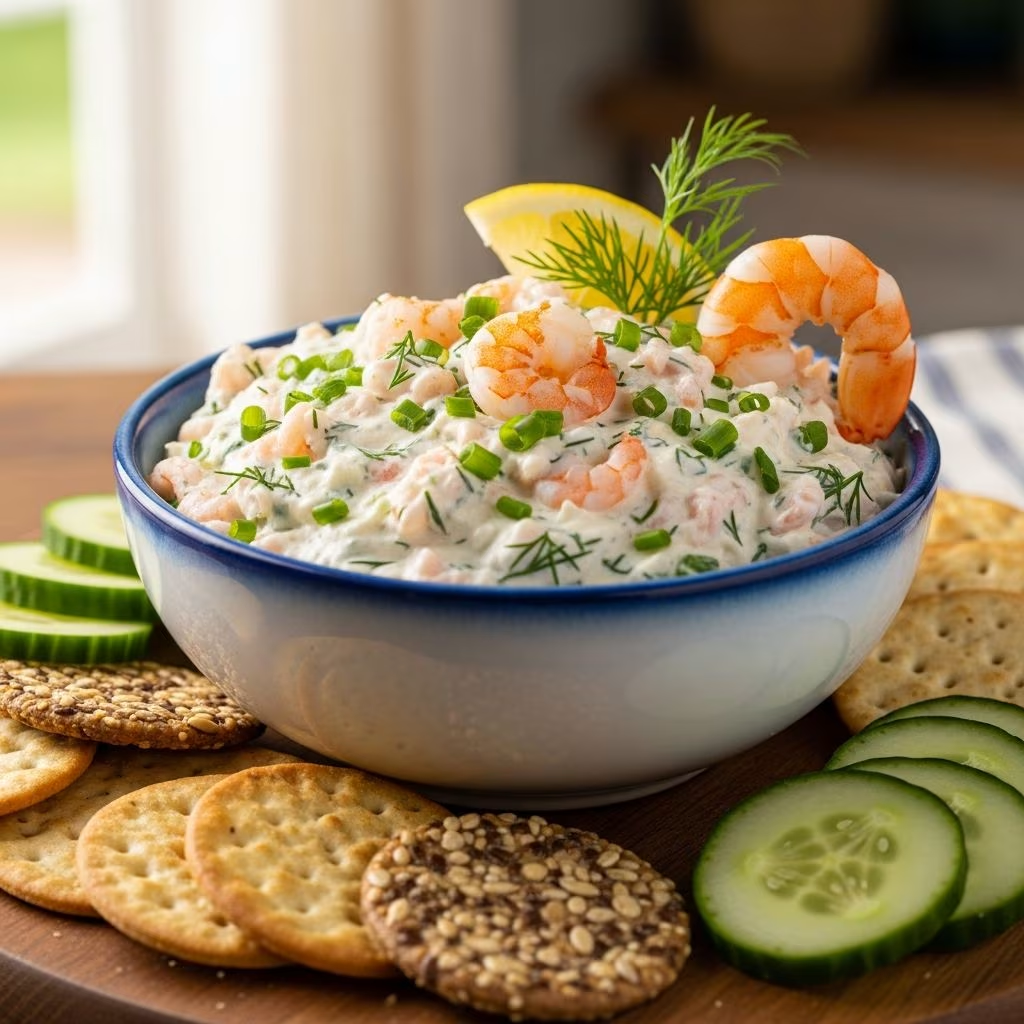
The star ingredient deserves careful consideration. Canned tiny shrimp offers convenience and consistent results, particularly for cold dips. When using canned shrimp, thorough draining and rinsing proves essential—excess brine can introduce unwanted saltiness and compromise the overall flavor profile. Two four-ounce cans typically provide adequate shrimp volume for a standard batch, though some preparations reserve a few aesthetically appealing specimens for garnish purposes.
For warm preparations, fresh raw shrimp elevated through cooking delivers superior texture and flavor. Cleaning, peeling, and seasoning raw shrimp allows for greater control over the final product’s taste profile. Whether using fresh or canned varieties, chopping decisions should consider the desired texture—finely chopped shrimp creates a more cohesive, spreadable consistency, while chunky preparations showcase individual shrimp pieces.
Aromatic Elements: Layering Complex Flavors
Beyond the basic cream cheese foundation, aromatic vegetables and seasonings transform a simple dip into a sophisticated appetizer. Green onions contribute mild allium notes that enhance without overpowering, while fresh garlic introduces savory depth. Diced bell peppers add both color contrast and subtle sweetness that balances other flavor components.
Traditional seasonings play important roles in flavor development. Garlic salt, celery salt, and various spice blends create complexity. Some regional variations incorporate Tabasco sauce for subtle heat, while others employ Creole seasonings for distinctly Southern character. The interplay between these elements should result in a harmonious flavor profile where no single component dominates.
Cold Versus Warm Preparations: Understanding the Differences
Cold Dips: These preparations offer several advantages for entertaining. They can be made hours in advance, refrigerated until serving, and require no last-minute heating. Cold dips featuring canned shrimp with cream cheese bases provide a light, refreshing option particularly suited to warmer seasons. The extended refrigeration time allows flavors to meld and intensify, often resulting in improved taste after several hours or overnight sitting.
Warm Dips: Hot preparations present an alternative approach, particularly effective for Creole or Louisiana-inspired variations. Cooking fresh shrimp with sautéed vegetables, then folding in cream cheese and sour cream creates a comforting warm dip that maintains temperature throughout serving. This method typically requires only fifteen minutes total preparation, making it practical for spontaneous entertaining.
Presentation and Layering Techniques
Visual appeal significantly enhances the dining experience. Thoughtful layering creates both aesthetic interest and functional serving advantages. One approach spreads the cream cheese base on a serving platter with edges, then layers seafood sauce, shrimp, diced vegetables, and cheese in coordinated sections. This presentation method allows guests to customize their portions while showcasing the dip’s components.
Garnishing deserves equal attention to preparation. Reserved whole shrimp placed strategically across the surface add sophistication. Fresh parsley, additional green onions, and carefully arranged vegetable pieces transform a simple dip into an elegant centerpiece worthy of upscale entertaining.
Ingredient Selection and Quality Considerations
| Component | Quality Considerations | Impact on Final Dip |
|---|---|---|
| Cream Cheese | Use full-fat varieties; avoid reduced-fat versions | Determines base richness and texture |
| Mayonnaise | Select high-quality brands; avoid generic alternatives | Enhances creaminess and provides subtle depth |
| Shrimp | Ensure thorough rinsing if using canned; verify freshness if using raw | Primary flavor component and texture element |
| Vegetables | Choose fresh, crisp options; dice uniformly | Adds color, flavor balance, and textural variety |
| Seasonings | Use fresh spices; check expiration dates | Determines overall flavor profile and complexity |
Serving Suggestions and Pairing Options
The dip’s versatility extends to serving vehicle selections. Traditional saltine crackers provide neutral accompaniment, while specialty varieties like herb-flavored or whole grain options introduce complementary flavors. Fresh vegetables—including celery sticks, bell pepper strips, cucumber slices, and cherry tomatoes—offer lighter alternatives that appeal to health-conscious guests.
Bread chips, pita crisps, and toasted baguette rounds elevate the presentation for more formal occasions. The key consideration involves ensuring serving vehicles possess sufficient structural integrity to support the dip without crumbling or breaking during the eating process.
Regional Variations: Exploring Global Influences
Louisiana Style: This variation emphasizes Creole seasonings, often incorporating fresh-cooked shrimp with sautéed bell peppers and green onions. The warm preparation method and use of authentic Creole spice blends create bold, distinctive flavors characteristic of Southern coastal cuisine.
Classic Cocktail-Inspired: Some preparations layer the shrimp dip over cocktail sauce, creating visual drama and introducing tangy, slightly spicy notes that enhance the seafood’s natural sweetness.
Contemporary Minimalist: Modern approaches sometimes strip away excess components, focusing on shrimp, cream cheese, mayo, and selective seasonings, allowing the primary ingredients’ natural flavors to shine through without distraction.
Storage and Make-Ahead Strategies
Cold dips can be prepared up to two days in advance, with flavors often improving through extended refrigeration as ingredients meld. Cover preparations tightly with plastic wrap to prevent absorption of refrigerator odors. Warm dips are best prepared closer to serving time, though components can be prepped several hours earlier and quickly assembled before guests arrive.
For entertaining purposes, consider preparing the base mixture the day before, then adding chopped shrimp and final garnishes shortly before service to maintain textural integrity and visual appeal.
Common Preparation Mistakes to Avoid
Understanding frequent pitfalls helps ensure consistent success. Over-mixing can incorporate excessive air, resulting in separation upon standing. Insufficient draining of canned shrimp introduces excess liquid that compromises the dip’s texture and intensifies saltiness. Using cold cream cheese directly from the refrigerator leads to lumpy, uneven texture. Excessive seasoning can overpower the shrimp’s delicate flavor. Adding vegetables too far in advance can result in watered-down dip as vegetables release moisture.
Frequently Asked Questions
Can I substitute ingredients in shrimp dip recipes?
Yes, modifications are possible within reason. Greek yogurt can replace some sour cream, though this alters flavor slightly. Cream cheese lacks viable substitutes for maintaining the dip’s essential character. Vegetable additions offer flexibility—feel free to incorporate diced tomatoes, green peppers, or additional aromatics based on preference.
How far in advance can I prepare shrimp dip?
Cold dips can be prepared one to two days ahead, with sealed refrigeration. Warm dips are best assembled within several hours of serving. Component preparation can occur a full day in advance, with final assembly occurring closer to service.
What is the ideal serving temperature?
Cold dips should be served chilled, straight from refrigeration. Warm dips maintain optimal flavor between 120-130°F. Use warming trays or gentle heat sources to maintain temperature without cooking the dip further.
Can I freeze shrimp dip?
Freezing cream cheese-based dips is not recommended, as thawing results in separated, grainy texture unsuitable for serving. Prepare fresh batches or refrigerate covered for several days instead.
What serves as an adequate shrimp dip for different group sizes?
A standard batch featuring eight ounces cream cheese feeds approximately 12-15 people as an appetizer when served with appropriate crackers and vegetables. Double the recipe for larger gatherings or when shrimp dip serves as a primary appetizer option.
Techniques for Achieving Restaurant-Quality Results at Home
Professional preparation involves several key techniques. First, allow all ingredients to reach room temperature before combining, ensuring smooth, even blending. Second, taste throughout preparation, adjusting seasonings incrementally rather than adding excessive amounts. Third, consider texture contrast—balance creamy base with distinct shrimp chunks and vegetable pieces. Finally, prioritize visual presentation, understanding that appetizers consumed first with eyes before taste buds.
Shrimp dip transcends simple appetizer status, functioning as a sophisticated entertaining essential that requires minimal skill while delivering impressive results. By understanding fundamental techniques, selecting quality ingredients, and exploring creative variations, home cooks can consistently produce dips rivaling those served in upscale venues. Whether hosting intimate gatherings or substantial celebrations, this timeless preparation remains a reliable crowd-pleaser worthy of mastering.
References
- Shrimp Surprise Spread – The Best Shrimp Dip Ever! — The Kitchen Magpie. Accessed April 10, 2026. https://www.thekitchenmagpie.com/shrimp-surprise-spread-the-best-seafood-dip-ever/
- Creamy Shrimp Dip Recipe – A Farmgirl’s Dabbles — A Farmgirl’s Dabbles. Accessed April 10, 2026. https://www.afarmgirlsdabbles.com/moms-shrimp-dip-recipe/
- Grandma’s Shrimp Dip Recipe – The Life Jolie — The Life Jolie. Accessed April 10, 2026. https://www.thelifejolie.com/grandmas-shrimp-dip/
- Hot Louisiana Shrimp Dip – Sprinkles and Sprouts — Sprinkles and Sprouts. Accessed April 10, 2026. https://www.sprinklesandsprouts.com/hot-louisiana-shrimp-dip/