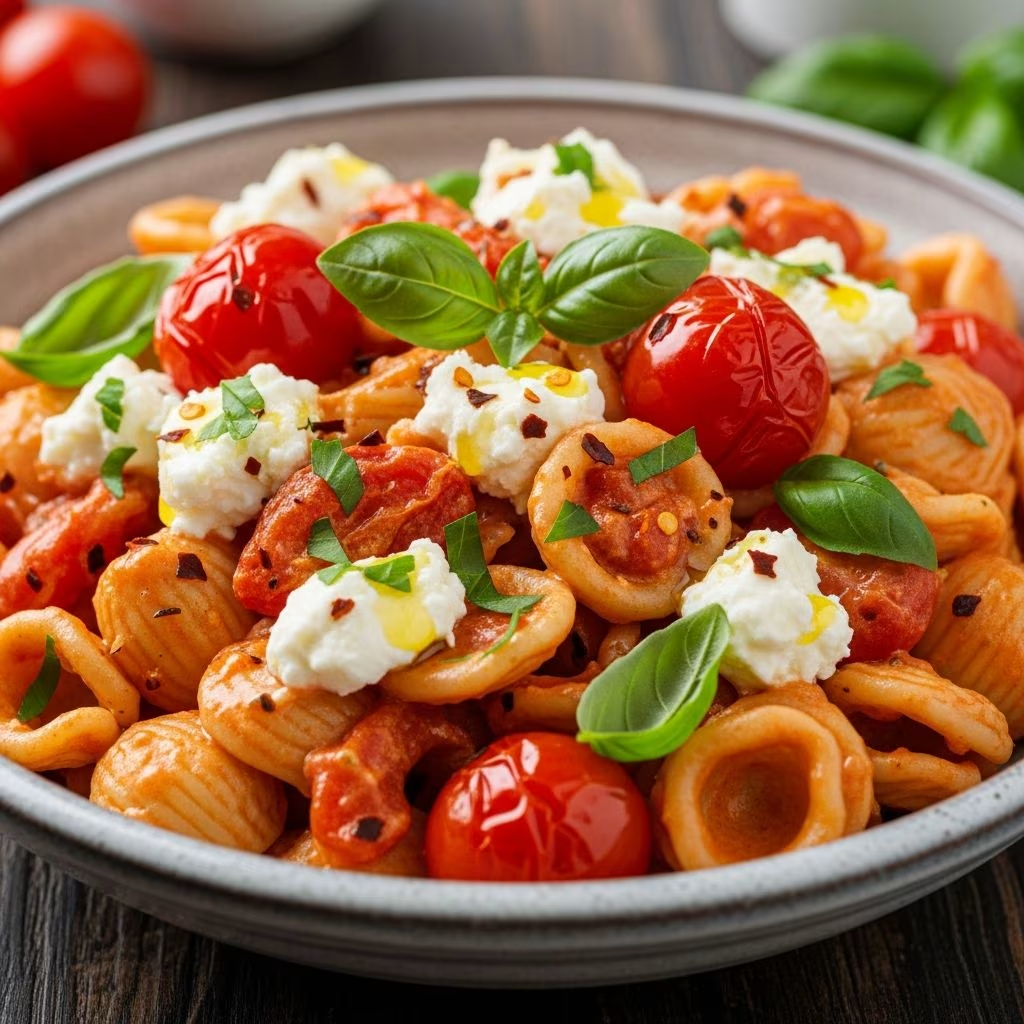
Mediterranean cuisine has long captivated home cooks with its emphasis on fresh, quality ingredients combined in simple yet satisfying ways. Among the many beloved dishes from this region, feta cheese pasta has emerged as a modern favorite, particularly among those seeking flavorful meals without extensive preparation time. This particular variation brings heat and complexity to the traditional approach, creating a dish that balances creamy, salty, and spicy elements in perfect harmony.
The Evolution of Feta Pasta in Modern Cooking
Feta cheese-based pasta dishes have gained tremendous popularity in recent years, with various interpretations appearing across cooking platforms and food media. The appeal lies in the cheese’s ability to create a naturally creamy sauce when combined with pasta water and heat, eliminating the need for heavy cream or butter. The spicy variant takes this concept further by layering heat and bold flavors that elevate the dish beyond simple comfort food into something truly memorable.
This cooking approach represents the broader trend toward Mediterranean-inspired weeknight dinners that prioritize speed without sacrificing flavor complexity. By understanding how to build flavors efficiently, home cooks can create restaurant-quality meals in their own kitchens within minutes.
Essential Ingredients for Building Layers of Flavor
Creating a successful spicy feta pasta begins with selecting quality components that will work together harmoniously. Each ingredient serves a specific purpose in constructing the overall flavor profile.
- Pasta Foundation: Quick-cooking varieties such as small macaroni or shells work exceptionally well because they soften rapidly without becoming mushy. These shapes also cradle sauce effectively, ensuring every bite contains balanced flavors. Standard cooking pasta works equally well if you prefer more familiar varieties; simply extend cooking time by approximately three minutes.
- Feta Cheese: The star ingredient provides saltiness, creaminess, and tanginess. Crumbled feta allows for even distribution throughout the dish and integrates seamlessly with pasta and sauce components. The cheese’s texture transforms during cooking, becoming silkier as it mingles with warm pasta water.
- Tomato Components: Fresh tomatoes form the aromatic and acidic base of the sauce. Combining fresh diced tomatoes with concentrated tomato paste creates depth and intensifies flavor without requiring long simmering periods. This two-pronged approach develops complexity quickly.
- Heat Elements: Chili powder serves as the primary spice contributor, offering warmth that builds gradually rather than delivering sudden intense heat. This approach appeals to diverse palates while maintaining noticeable spiciness throughout.
- Aromatic Additions: Fresh garlic introduces pungent, savory notes that anchor the entire composition. Minced garlic releases its oils and compounds most effectively when briefly cooked, activating flavors without bitterness.
- Herbal Finishing Touches: Fresh basil and parsley provide brightness and prevent the dish from feeling heavy. These herbs add textural contrast and freshen the overall eating experience with their volatile aromatics.
Step-by-Step Preparation Techniques
Successful execution of this dish relies on understanding the timing and sequencing of each cooking step. Proper technique ensures optimal flavor development while maintaining the target preparation timeframe.
Initial Preparation Phase
Begin by preparing all ingredients before applying heat to any cookware. This mise en place approach prevents scrambling for ingredients mid-cooking and allows for smooth progression through the recipe. Chop fresh tomatoes into small, uniform pieces that will cook evenly. Mince garlic finely so it distributes throughout the sauce, and roughly chop fresh basil and parsley for later incorporation.
Building the Flavor Foundation
Heat olive oil in a saucepan or skillet over medium temperature. Once the oil becomes shimmering, add chopped tomatoes along with chili powder. Allow this mixture to cook for approximately two minutes, stirring occasionally. During this phase, the tomatoes begin releasing their juices, and the chili powder blooms in the oil, intensifying its flavor compound availability. The oil’s heat activates the chile’s capsaicin and other aromatic compounds, creating a more pronounced spice foundation than simply stirring powder into finished sauce.
Deepening Sauce Complexity
Stir in tomato paste and approximately half a cup of water, combining thoroughly. Tomato paste contains concentrated umami compounds and adds depth that cannot be achieved through fresh tomatoes alone. The water facilitates sauce consistency while allowing flavors to distribute evenly. At this point, add uncooked pasta and crumbled feta cheese directly to the pan. The pasta cooks within its sauce rather than separately in boiling water, allowing it to absorb flavors throughout cooking rather than acquiring them only upon mixing.
Cooking and Integration
Cover the pan with a lid and reduce heat to medium-low. Allow contents to simmer for approximately two minutes, during which the pasta absorbs water and begins softening while the feta gradually melts and incorporates into the developing sauce. The lid traps steam, accelerating cooking and ensuring even heat distribution.
After two minutes, remove the lid and stir in minced garlic. Continue cooking for an additional two minutes, allowing garlic to become fragrant and integrated without browning, which would impart bitterness. At this final stage, the pasta should approach tenderness while the sauce achieves a cohesive consistency that clings to each piece.
Finishing and Serving
Turn off heat and stir in fresh basil and parsley. The residual warmth from the pan activates the herbs’ essential oils without cooking away their delicate flavors. Serve immediately while the dish maintains its warmth and the herbs’ aromatics remain vibrant.
Customization and Variation Opportunities
While the classic preparation offers excellent results, this dish welcomes creative adjustments based on personal preferences and ingredient availability.
| Variation Element | Options | Impact on Final Dish |
|---|---|---|
| Heat Level | Reduce chili powder for milder results; increase for more pronounced spice | Allows accommodation of different heat tolerances |
| Fresh Herbs | Substitute or combine with arugula, spinach, cilantro, or dill | Creates entirely different flavor profiles while maintaining structural integrity |
| Pasta Shape | Use penne, fusilli, shells, or any preferred variety | Affects sauce adherence and eating experience |
| Additional Vegetables | Incorporate diced bell peppers, olives, or zucchini | Adds texture, nutrition, and additional flavor dimensions |
| Cheese Variations | Mix feta with ricotta or use additional feta quantities | Modifies creaminess and saltiness levels |
Cooking for Different Quantities
This recipe’s base measurements serve a single person, making it ideal for solo dinners or lunch preparations. Doubling or tripling ingredients proportionally serves multiple people without requiring technique adjustments. When preparing for larger groups, simply increase all quantities by your desired multiplier. Cooking time remains virtually unchanged when using the same pan size, as the pasta-to-liquid ratio remains consistent.
For those preferring standard pasta varieties rather than quick-cooking options, begin cooking traditional pasta in a separate pot of salted water while simultaneously preparing the sauce components. Complete the sauce preparation as described, then drain cooked pasta and combine with the sauce mixture. This approach extends total cooking time to approximately fifteen minutes but yields identical results.
Frequently Asked Questions
How can I make this dish less spicy?
Simply reduce the amount of chili powder used. Begin with half a teaspoon and adjust based on preference. Adding a touch more feta cheese also balances heat by introducing additional creaminess and saltiness.
Can I prepare components in advance?
Chopped tomatoes, minced garlic, and fresh herbs store well in the refrigerator for up to forty-eight hours. Cooking the dish requires only minutes once you begin heating, so advance prep mainly saves last-minute chopping time.
What pasta water’s role in this dish?
When pasta cooks within its sauce rather than separately, the starch released from pasta gradually thickens the liquid, creating a silkier consistency. If preparing pasta separately, reserve approximately a quarter cup of pasta water to stir into the finished sauce, which helps achieve similar creamy results.
How do I know when the pasta has cooked properly?
Taste a piece after the initial two-minute covered cooking period. It should be approaching tenderness but not yet completely soft. The starch-infused water continuing to cook the pasta even after heat is removed, so slightly underdone pasta at the halfway point ensures perfect texture in the finished dish.
Can I use canned tomatoes instead of fresh?
Yes, canned diced tomatoes work well as substitutes. Use approximately the same volume as you would fresh tomatoes, and remember to drain excess liquid before adding to the pan to prevent excessively watery sauce.
Nutritional Considerations
This dish offers nutritional benefits alongside its delicious flavor profile. Feta cheese provides protein and calcium while delivering satisfying dairy components. Fresh herbs contribute antioxidants and micronutrients without adding calories. Tomatoes offer lycopene and vitamin C, particularly when combined with olive oil, which facilitates nutrient absorption. The balanced composition of carbohydrates from pasta, protein from cheese, and healthy fats from olive oil creates a relatively complete meal that satisfies without excessive portions.
Storage and Reheating Instructions
Leftover spicy feta pasta stores well in airtight containers within the refrigerator for up to three days. Reheat gently on the stovetop over low heat, stirring frequently and adding a splash of water if the mixture appears dry. Microwave reheating also works effectively; cover the container and heat in thirty-second intervals, stirring between sessions. The pasta may absorb additional sauce during storage, creating a thicker consistency upon reheating, which many find preferable.
Wine Pairing Suggestions
This Mediterranean-inspired dish complements crisp white wines that balance the feta’s saltiness and the tomato’s acidity. Greek white wines like Assyrtiko offer particularly appealing pairings due to their mineral quality and citrus notes. Alternatively, Italian Pinot Grigio or Spanish Albariño provide similar refreshing qualities that cleanse the palate between bites.
Conclusion
Spicy feta pasta represents an achievable approach to Mediterranean-inspired cooking, combining minimal ingredients with straightforward techniques to produce genuinely satisfying results. Whether prepared for a quick solo dinner or scaled up for entertaining guests, this dish demonstrates how strategic flavor building and quality ingredients create memorable meals without extensive time investment or complex procedures. By mastering this foundational recipe, home cooks gain confidence to explore variations and adaptations that suit their unique preferences and ingredient availability.
References
- 12-Minute Spicy Feta Pasta Recipe — Homemade Mastery. 2024. https://www.homemademastery.com/spicy-feta-pasta-recipe/
- Spicy, Lemony Baked Feta Pasta Recipe — Cravings by Chrissy Teigen. 2024. https://cravingsbychrissyteigen.com/blogs/recipes/spicy-lemony-baked-feta-pasta-recipe
- Baked Feta Pasta (with Video) — Sugar, Spice and Glitter. 2024. https://sugarspiceandglitter.com/baked-feta-pasta/
- New Improved Baked Feta Pasta — Food Wishes. 2024. https://www.youtube.com/watch?v=H-w1R-v4C5s