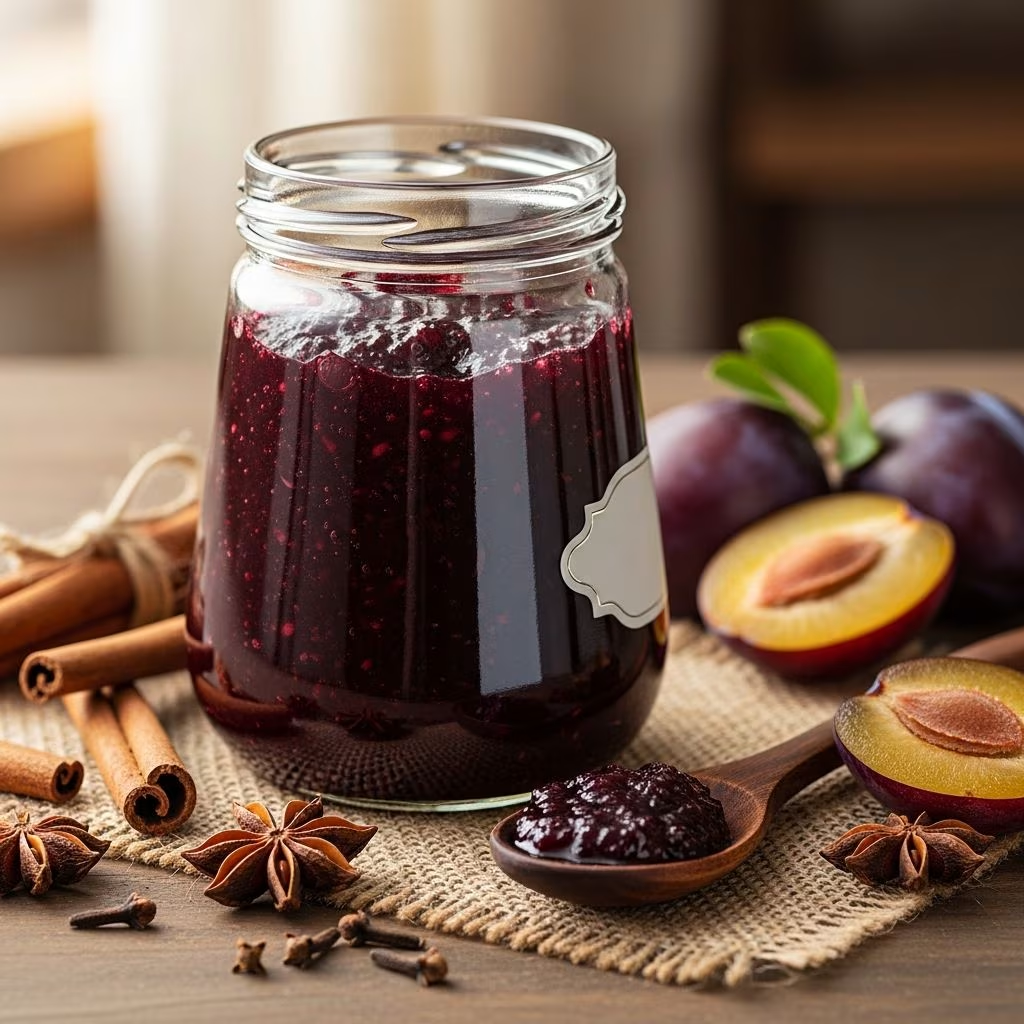
Making jam at home remains one of the most rewarding culinary projects for both experienced cooks and kitchen newcomers. The process transforms simple fresh fruit into a luxurious preserve that captures the essence of the season. Purple plum jam, when infused with warming spices, becomes more than just a breakfast condiment—it transforms into a versatile ingredient that enhances desserts, pairs with cheese boards, and brings comfort through its aromatic complexity.
Understanding Your Key Ingredients
The foundation of exceptional purple plum jam begins with selecting the right plums. Purple varieties, including Italian and black plums, offer deeper flavor profiles and richer color compared to yellow or red plums. When choosing plums, look for fruit that is ripe but still maintains some firmness—this ensures adequate pectin content for proper gel formation without requiring commercial additives.
The sugar ratio significantly influences the final texture and shelf stability of your preserve. Traditional jam-making methods typically use a 1:1 or 2:3 ratio of fruit to sugar by weight, though some recipes adjust this based on desired sweetness and the natural pectin content of the fruit. The sugar not only sweetens but also acts as a preservative, drawing out moisture from the fruit during the maceration phase and creating an environment where bacteria cannot thrive.
Acidic components like lemon juice serve multiple purposes in jam preparation. Beyond enhancing flavor, the acid helps break down fruit cell walls, promotes pectin activation for proper setting, and prevents crystallization during storage. Most recipes call for 2-3 tablespoons of fresh lemon juice per batch, though this can be adjusted to personal preference.
Aromatic Spice Selection and Preparation
The spice profile distinguishes exceptional purple plum jam from standard varieties. Common spices include:
- Cardamom pods—offering eucalyptus and slightly minty notes
- Cinnamon—contributing warmth and subtle sweetness
- Cloves—delivering intensity and depth that balances fruit sweetness
- Nutmeg—adding earthiness and complexity
- Allspice—providing a combination of clove, cinnamon, and nutmeg characteristics
Ground spices dissolve more readily into the jam than whole forms, creating a more uniform flavor distribution. However, whole spices like cinnamon sticks and cardamom pods can be removed before jarring if you prefer clearer jam with occasional spice flecks rather than fully integrated flavors.
Pre-Cooking Preparation and Maceration
Before any heat touches your ingredients, proper fruit preparation ensures optimal results. Washing plums under cool running water removes surface debris and potential contaminants. Using a sharp knife, halve each fruit along the natural seam and remove the pit—a process that takes longer than commercial processing but prevents unwanted fragments in your finished jam.
The maceration stage, where prepared plums rest with sugar and spices for 8-48 hours, proves essential for flavor development and juice extraction. This resting period allows the sugar to draw out the fruit’s natural liquids through osmosis, creating a syrup before cooking begins. Covering the mixture with plastic wrap and refrigerating prevents oxidation and maintains ingredient freshness during this phase. Additionally, placing small saucers or ceramic spoons in the freezer during this time prepares equipment for the wrinkle test later in the cooking process.
Equipment Selection and Setup
Choosing appropriate cookware significantly impacts both cooking time and safety. A large, heavy-bottomed pot—at least 5-6 quarts—prevents jam from splattering beyond container walls during the vigorous boiling phase. Smaller pots concentrate heat unevenly and increase burning risk on the bottom. Stainless steel or copper pots conduct heat efficiently, though aluminum should be avoided as the acid in jam can react with this material.
Before cooking begins, sterilize all jars and lids by either running them through the dishwasher’s hot cycle, immersing them in boiling water for 10 minutes, or using a pressure canner if you plan extended storage. This critical step eliminates bacteria and mold spores that could compromise your preserve during storage.
The Cooking Process: Temperature and Timing
Once the macerated fruit mixture enters the pot, the cooking journey begins. Bringing the ingredients to a boil over medium-high heat activates pectin and drives off water content. Stirring regularly ensures even heat distribution and prevents scorching on the pan bottom. As the jam thickens, gradually reduce heat to medium or medium-low to maintain a gentle boil rather than aggressive rolling action.
Temperature monitoring proves crucial for determining when jam reaches its setting point. Using a reliable candy or jam thermometer, check the mixture every 10-15 minutes once boiling begins, increasing frequency as the jam thickens. The target temperature of 220°F (104°C) indicates adequate water evaporation and pectin gelation. At this temperature, the jam will set properly when cooled to room temperature.
If you prefer not to use a thermometer, the time-honored wrinkle test offers reliable results. Place a spoonful of hot jam on a pre-chilled ceramic saucer, return it to the freezer for 1 minute, then push the jam with your finger. If it wrinkles and leaves a trail, setting point has been reached. If it flows smoothly without wrinkling, continue cooking for another 5 minutes before testing again.
Texture Modification Techniques
Personal preference determines whether your finished jam contains visible fruit pieces or presents a smooth, uniform consistency. Using a potato masher partway through cooking breaks down whole fruits while leaving some texture. Alternatively, passing three-quarters of the jam mixture through a food mill removes skins and creates a more refined texture while retaining some body. This method works particularly well if you prefer eliminating plum skin particles from your final product.
Jarring and Storage Considerations
Working quickly while jam remains hot ensures proper sealing and prevents premature cooling. Using a jam funnel and ladle, carefully pour hot jam into sterilized jars, leaving approximately ¼-inch headspace below the rim. This space allows for expansion and ensures proper lid sealing. Some recipes suggest adding a thin layer of alcohol like vodka or schnapps to the surface before sealing, which creates an additional protective barrier against mold formation.
Allow filled jars to cool completely to room temperature before storing, ideally placing a clean kitchen towel over the jars during this phase to minimize dust contamination. Once cooled, store unopened jars in a cool, dark pantry where they will remain shelf-stable for up to one year. Opened jars should be refrigerated and consumed within 3-4 weeks. Alternatively, jam can be frozen in smaller containers for up to 12 months, allowing flexibility in using only the quantity needed.
Variations and Customization
| Variation Method | Key Ingredients | Flavor Profile |
|---|---|---|
| Vanilla Enhancement | Vanilla pods split and added during cooking | Floral sweetness and complexity |
| Brown Sugar Substitute | Replace white sugar with brown sugar | Caramel undertones and deeper warmth |
| Apple Addition | Granny Smith apples grated and incorporated | Tartness balancing spice intensity |
| No-Cook Freezer Method | Chopped plums with pectin added after heating | Fresh fruit flavor with pectin thickening |
Troubleshooting Common Issues
When jam fails to set despite reaching proper temperature, inadequate pectin often bears responsibility. Natural pectin content varies based on fruit ripeness, variety, and growing conditions. Underripe plums contain more pectin than fully ripe specimens. If your jam remains too runny after cooling, recooking the mixture with added lemon juice or a small amount of commercial pectin can salvage the batch.
Crystallization appearing in stored jam results from excess sugar content or improper cooling. This cosmetic issue doesn’t affect safety or taste but can be prevented by using precise sugar measurements and ensuring jars cool completely before storage. A thin layer of alcohol on the jam surface before sealing additionally prevents mold formation and extends shelf life.
Excessive foam or scum rising to the surface during cooking indicates impurities from the fruit. Skimming this layer off with a clean spoon improves clarity and prevents residue in the finished jam. This process should occur during the first 5-10 minutes of boiling.
Serving Suggestions and Uses
Beyond traditional breakfast applications, spiced purple plum jam offers versatility across numerous culinary contexts. Pair it with soft cheeses like brie or goat cheese for elegant appetizers. Swirl it into yogurt for sophisticated breakfast parfaits. Layer it between cake layers or use as a filling for pastries and thumbprint cookies. The warming spices complement both sweet and savory dishes—spread it on roasted pork, glaze ham, or accompany charcuterie boards for complex flavor combinations.
Frequently Asked Questions
- Can I use different plum varieties? Yes, though deeper purple varieties produce more vibrant color and richer flavor than lighter plums.
- What if I don’t have all the spices? Adjust your spice blend based on what you have available, though starting with cinnamon and cardamom provides the essential flavor foundation.
- How long does opened jam last in the refrigerator? Properly stored opened jam remains safe for 3-4 weeks when kept in a sealed container below 40°F.
- Can commercial pectin be omitted? Yes, if plums are naturally high in pectin and you’re willing to cook longer for proper setting.
- What’s the difference between jam and jelly? Jam contains fruit pieces and pulp, while jelly uses strained juice only, creating a clearer, smoother final product.
Creating purple plum jam infused with aromatic spices represents an accessible entry point into home preservation. The straightforward ingredient list combined with manageable cooking techniques produces professional-quality results that rival commercial products. Whether you’re preserving summer’s bounty or gifting homemade condiments to friends and family, this classic preparation method yields satisfying, flavorful results that justify the modest time investment required.
References
- The Flavor Bender: Spiced Plum Jam (No pectin, No peel) — The Flavor Bender. Accessed April 2026. https://www.theflavorbender.com/spiced-plum-jam/
- Cup of Sugar Pinch of Salt: Spiced Plum Jam — Cup of Sugar Pinch of Salt. 2023-09-03. https://cupofsugarpinchofsalt.com/2023/09/03/spiced-plum-jam/
- Edible Santa Barbara and Wine Country: Spiced Plum Jam — Edible Santa Barbara and Wine Country. Accessed April 2026. https://ediblesantabarbara.com/recipes/spiced-plum-jam/