Octopus, a staple of Spanish coastal cuisine, transforms from a chewy sea creature into a melt-in-your-mouth delicacy when prepared correctly. Rooted in the traditions of Galicia, this dish highlights the region’s love for simple, bold flavors like smoky paprika, extra-virgin olive oil, and flaky sea salt. Whether braised, grilled, or stewed, Spanish octopus offers versatility for tapas, main courses, or festive gatherings.
The Allure of Spanish Octopus in Culinary Tradition
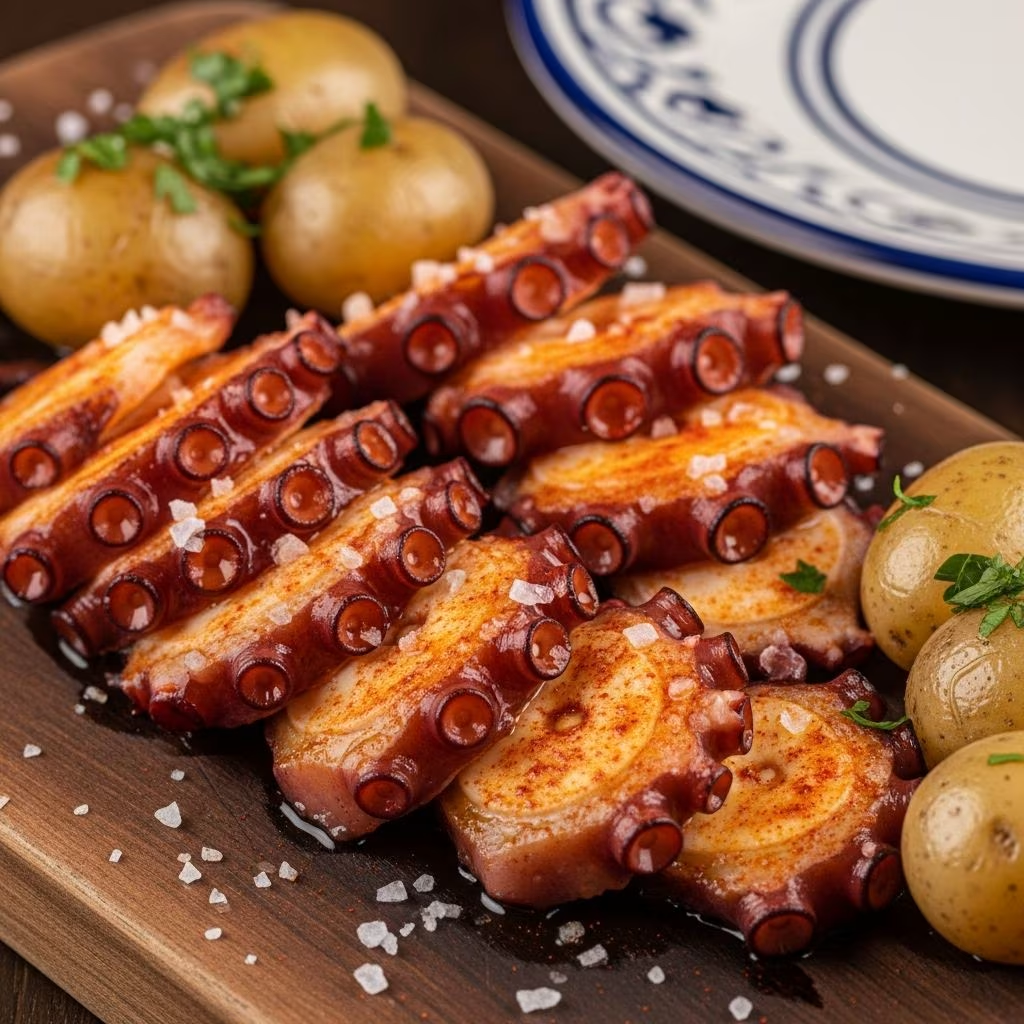
Spain’s northwestern Galicia region is renowned for its seafood, with octopus festivals drawing crowds annually. Known as pulpo a la gallega, the dish features boiled tentacles dressed with paprika and oil, served on wooden plates to evoke rustic charm. This preparation tenderizes the meat through prolonged cooking, making it ideal for slicing and seasoning.
Beyond boiling, variations include braising in wine-infused liquids or grilling for a charred finish. These methods, passed down through generations, emphasize fresh ingredients and minimal intervention to let the octopus’s natural brininess shine.
Selecting the Perfect Octopus
Choose fresh or frozen octopus for best results. Look for specimens around 2-3 pounds, with firm, intact tentacles and a clean, oceanic scent. Frozen octopus is often preferable as the thawing process helps break down muscle fibers, leading to tenderness without additional tricks.
- Fresh octopus: Vibrant color, no discoloration, sourced from reputable fish markets.
- Frozen octopus: Thaw overnight in the fridge for optimal texture.
- Size matters: Smaller ones (1-2 pounds) cook faster; larger for feeding crowds.
Avoid pre-cooked or cleaned octopus if possible, as it may lack the fresh snap desired in authentic recipes.
Essential Ingredients for Authentic Flavor
Traditional recipes rely on pantry staples elevated by quality. Smoked Spanish paprika (pimentón) provides the signature earthiness, while citrus zests add brightness.
| Ingredient | Quantity (for 2-4 servings) | Purpose |
|---|---|---|
| Whole octopus (cleaned) | 2-3 lbs | Main protein |
| Smoked paprika | 1½ tsp | Flavor base |
| Extra-virgin olive oil | ½ cup | Dressing and cooking |
| White wine | ½ cup | Braising liquid |
| Garlic cloves | 4, crushed | Aromatics |
| Bay leaves | 2 | Depth of flavor |
| Sea salt flakes | To taste | Seasoning |
| Lemon/orange zest | 1 tbsp each | Brightness |
These components create a symphony of tastes: smoky, tangy, and savory.
Step-by-Step Braising Technique
Braising is the gold standard for tenderness. Start by preparing a flavorful base.
- Build the braise: In a large pot, sauté chopped onions, crushed garlic, and bay leaves in olive oil until fragrant, about 5 minutes. Stir in paprika and salt.
- Add wine: Pour in white wine, bring to a simmer to deglaze.
- Introduce octopus: Rinse the octopus, discard the head, and submerge in the liquid. Cover and simmer on low for 1-1.5 hours, turning occasionally until fork-tender.
- Cool and chill: Remove from heat, cool in the liquid, then refrigerate overnight for enhanced texture.
This low-and-slow method mimics traditional Galician boiling but adds depth with aromatics.
Grilling for Smoky Perfection
Post-braising, elevate with a grill. Pat dry the chilled tentacles, brush with oil, and char over high heat for 2-3 minutes per side until crispy edges form.
- Preheat grill to medium-high.
- Season with cayenne, citrus zest, and lemon juice.
- Garnish with parsley and grilled lemon slices.
The result: juicy interior with a caramelized exterior, perfect for sharing.
Classic Galician Presentation
Slice cooked tentacles into ½-inch rounds, thicker at the base. Arrange in a pinwheel on a wooden board, dust generously with paprika and salt, then drizzle with olive oil. The oil pools invitingly, ready for crusty bread to sop up every drop.
Serve at room temperature to balance flavors, accompanied by boiled potatoes or simply with wine.
Creative Variations Across Spain
While Galician style reigns, explore these twists:
- Stew-style: Simmer with potatoes, tomatoes, and onions for a hearty tapas.
- Romesco pairing: Braise then serve with nutty pepper sauce.
- Salad fusion: Toss grilled pieces with fennel, parsley, and vinaigrette.
- Spicy kick: Add hot paprika or cayenne for heat.
These adaptations maintain authenticity while suiting modern palates.
Pro Tips for Octopus Success
Achieve restaurant-quality results with these insights:
- Cook until a paring knife pierces easily—no shortcuts.
- Multiple blanchings (dipping in boiling water 3 times) curl tentacles and initiate tenderizing.
- Don’t overcrowd the pot; cook in batches if needed.
- Resting overnight post-cook firms the flesh for slicing.
Common pitfalls: over-seasoning early or rushing the simmer, which yields rubbery results.
Pairing Suggestions
Complement with Albariño wine from Galicia—its crisp acidity cuts richness. Rustic breads like sourdough or Galician broa are essential. For sides, opt for simple boiled potatoes or a green salad.
Nutritional Profile
Octopus is lean protein: 30g per 100g serving, rich in iron, vitamin B12, and omega-3s. Low-calorie (82 kcal/100g), it’s heart-healthy when prepared with minimal oil.
Frequently Asked Questions
Can I use frozen octopus?
Yes, it’s ideal. Thaw slowly for best tenderness.
How long does braising take?
1-1.5 hours, depending on size. Test for doneness.
Is pre-cooked octopus suitable?
It works but lacks fresh flavor; grill lightly.
What if it’s still tough?
Extend simmer time or freeze beforehand.
Vegetarian alternatives?
Mushrooms mimic texture; braise similarly.
Storage and Reheating
Store cooked octopus in airtight containers up to 3 days. Reheat gently in simmering water or microwave with damp paper towel to retain moisture. Freezes well for 2 months.
References
- Chef Folse’s Spanish-Style Grilled Octopus — Louisiana Cookin’. N/A. https://louisianacookin.com/chef-folses-spanish-style-grilled-octopus/
- Octopus stew – Spanish-style — Foodle Club. N/A. https://www.foodleclub.com/octopus-stew-spanish-style/
- Spanish (Galician) Octopus: Pulpo a’la Gallega — Chef’s Pencil. N/A. https://www.chefspencil.com/spanish-galician-octopus-pulpo-ala-gallega/
- Spanish Octopus Recipe — Fulton Fish Market. N/A. https://fultonfishmarket.com/blogs/recipes/spanish-octopus-recipe
- Pulpo a la Gallega Receta – Octopus with Paprika Recipe — Honest Food. N/A. https://honest-food.net/pulpo-gallego-recipe-octopus/
- Spanish-Style Braised Octopus Recipe — Food Wishes (YouTube). 2017-07-01. https://www.youtube.com/watch?v=onCfFc8FNr8