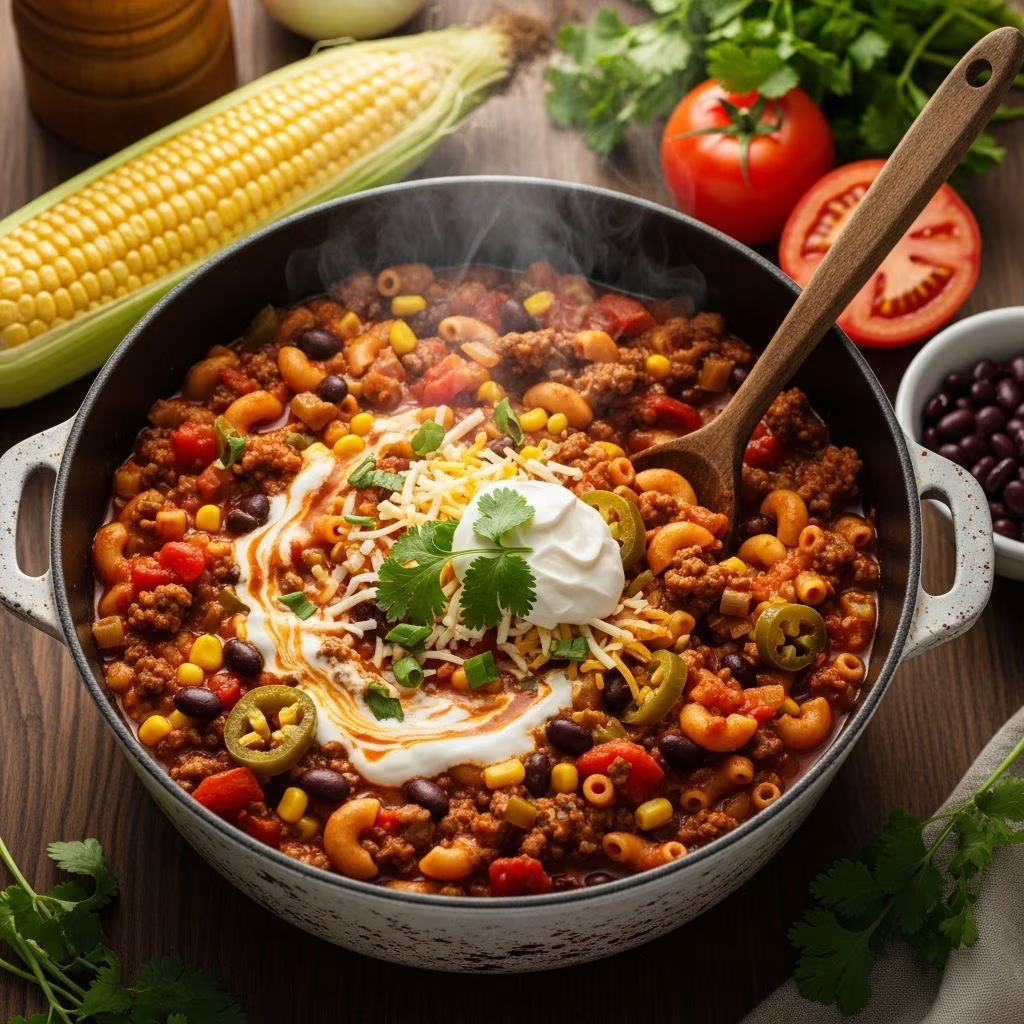
Mexican goulash represents a perfect marriage of American comfort food traditions and Southwestern flavor profiles, creating a dish that appeals to families seeking quick, satisfying meals without extensive cleanup. This one-pot wonder combines ground beef, pasta, and vibrant spices into a cohesive dish that delivers restaurant-quality taste from your home kitchen. The beauty of this recipe lies in its simplicity and flexibility—it requires minimal prep work, comes together in less than thirty minutes, and adapts easily to ingredient preferences and dietary needs.
Understanding the Dish’s Origins and Appeal
Mexican goulash evolved as a creative adaptation of traditional goulash, transforming a European stew into a distinctly American-Mexican fusion. Rather than the slow-cooked beef stews of Hungarian origin, this modern version embraces accessibility and speed without sacrificing depth of flavor. The dish gained popularity in home kitchens across North America because it bridges multiple culinary preferences—delivering the hearty satisfaction of pasta dishes with the bold seasonings characteristic of Mexican cuisine. Its rise in popularity reflects broader cooking trends toward efficiency and one-pot meals that streamline both preparation and dishwashing.
Essential Ingredients and Their Roles
Creating authentic Mexican goulash requires understanding how each component contributes to the final dish’s character and texture.
The Protein Foundation
Lean ground beef serves as the primary protein, typically one pound per four servings. Using lean varieties (ninety-three percent lean or higher) reduces excess grease that can make the dish feel heavy while maintaining sufficient fat content for flavor development. Browning the meat properly creates a flavorful base through the Maillard reaction, where proteins and sugars combine under heat to generate complex, savory compounds that enhance the entire dish.
Aromatics and Base Flavors
Diced onion and minced garlic form the aromatic foundation, typically one medium onion and two to three cloves of garlic. These ingredients release essential oils and sulfur compounds when heated, creating depth and complexity that prevent the dish from tasting flat or one-dimensional. Many recipes include finely diced bell peppers, which add subtle sweetness and textural contrast.
Tomato Components
Canned diced tomatoes with chilies (often Rotel brand) serve as a key ingredient, contributing acidity, moisture, and Southwestern heat. One ten-ounce can typically provides sufficient liquid and flavor. Some variations incorporate tomato sauce for added body and concentration. The combination of tomato forms ensures balanced acidity and prevents the pasta from absorbing too much liquid unevenly.
Spice Profile
The spice blend distinguishes Mexican goulash from standard American pasta dishes. Cumin imparts earthiness and warmth, typically one-half to one teaspoon. Taco seasoning (one ounce) provides a convenient all-in-one blend containing chili powder, paprika, garlic powder, and oregano. Some recipes incorporate jalapeño peppers for additional heat, while others use mild green chilies for flavor without intense spiciness. Worcestershire sauce, though unexpected, adds umami depth and savory complexity.
Supporting Ingredients
Frozen corn adds sweetness, texture, and nutritional value. One cup typically provides optimal proportion without overwhelming the dish. Reduced-sodium chicken or beef stock (one and one-half cups) provides cooking liquid for the pasta and helps create a sauce-like consistency. Two cups of elbow macaroni represents the typical pasta amount, though shapes like penne or rigatoni work equally well. Shredded Monterey Jack or sharp cheddar cheese (one cup) adds richness and helps bind the final dish.
Step-by-Step Preparation Method
Initial Meat Browning
Begin by heating one tablespoon of vegetable oil in a large skillet or Dutch oven over medium-high heat. Add one pound of ground beef, breaking it into small pieces as it cooks. This process typically requires five minutes and should result in fully cooked meat with no pink remaining. If using particularly fatty ground beef, drain excess grease before proceeding, leaving approximately one tablespoon for flavor.
Building Flavor Layers
Introduce diced onion and minced garlic to the browned beef, allowing them to cook together for two to three minutes until fragrant. This step—called blooming aromatics—develops flavor compounds through gentle heat application. The kitchen should smell distinctly savory and welcoming at this stage.
Incorporating Remaining Components
Add the tomatoes with their juice, canned jalapeño peppers, frozen corn, salt, pepper, cumin, and stock. Stir thoroughly to combine all ingredients and distribute flavors evenly. The mixture should appear well-integrated with no dry spots of spice. Finally, add the uncooked pasta directly to the skillet, stirring to coat every piece with the liquid mixture.
Cooking and Monitoring
Bring the mixture to a rolling boil, then immediately reduce heat to a gentle simmer and cover the pot with a lid. Cook for fifteen minutes, checking pasta for doneness around the twelve-minute mark. The pasta will continue absorbing liquid even after heat removal, so slightly undercooked noodles at the fifteen-minute point ensure proper final texture. Stir occasionally to prevent sticking and ensure even cooking.
Final Assembly
Once pasta reaches desired tenderness, remove from heat and stir in shredded cheese until fully melted and incorporated. This creates a creamy, cohesive dish rather than a dry pasta mixture. Many cooks add cheese in two additions—half stirred in for richness, the remainder sprinkled on top as garnish. Fresh cilantro or parsley adds brightness and visual appeal.
Equipment Considerations and Setup
Successful Mexican goulash preparation depends on appropriate cookware selection. A large skillet with a fitted lid works adequately for standard portions, though a Dutch oven provides superior heat distribution and capacity for doubling recipes. The cooking vessel’s size matters significantly—too small and ingredients crowd together, creating uneven cooking; too large and liquid spreads thin, causing premature evaporation. Cast iron, stainless steel, and enameled cookware all work well, each offering distinct advantages in heat retention and durability.
Customization and Variation Strategies
Protein Modifications
Ground turkey or chicken can substitute for beef, requiring slightly adjusted cooking times due to lower fat content. Ground lamb creates a Mediterranean-inspired variation when paired with oregano and feta cheese. Vegetarians might replace ground beef with crumbled tofu or lentils, increasing the latter to one and one-half cups for proper substance.
Heat Level Adjustments
Those preferring milder versions should omit jalapeños and use diced tomatoes without chilies. Conversely, heat enthusiasts can incorporate habanero peppers, cayenne powder, or sriracha sauce. The beauty of homemade cooking lies in calibrating spice levels to personal preferences rather than accepting commercial standardization.
Vegetable Inclusions
Bell peppers, zucchini, black beans, and diced carrots all integrate seamlessly. Roasted red peppers add sweetness and sophisticated flavor. Adding vegetables increases nutritional density while maintaining the dish’s accessibility and quick preparation time.
Cheese Variations
Pepper Jack cheese introduces additional heat, while cotija creates authentic Mexican character. Combination approaches—mixing Monterey Jack with sharp cheddar—provide complexity unavailable from single-cheese recipes.
Scaling and Meal Planning
| Servings | Ground Beef | Pasta | Stock | Cheese |
|---|---|---|---|---|
| 4 | 1 pound | 2 cups | 1.5 cups | 1 cup |
| 6 | 1.5 pounds | 3 cups | 2.25 cups | 1.5 cups |
| 8 | 2 pounds | 4 cups | 3 cups | 2 cups |
This recipe doubles effortlessly for larger gatherings or meal preparation purposes. Using proportionally larger cookware prevents overflow while maintaining consistent cooking times. Prepared Mexican goulash refrigerates well for three to four days, making it ideal for batch cooking and weekday convenience.
Storage and Reheating Guidance
Cool cooked goulash to room temperature before transferring to airtight containers for refrigeration. The dish tends to thicken as it cools since pasta continues absorbing liquid. When reheating, add small amounts of water or broth to restore desired consistency. Microwave reheating works adequately for individual portions, while stovetop reheating over medium heat better preserves texture and flavor. Properly stored goulash maintains quality for three to four days refrigerated; freezing extends storage to two months, though pasta texture may soften slightly upon thawing.
Nutritional Considerations
A typical serving provides approximately four hundred fifty calories, with significant protein content from ground beef and cheese. The dish offers balanced macronutrients, combining carbohydrates from pasta with protein and fat for sustained satiety. Using reduced-sodium broth and controlling added salt helps manage sodium intake for those with dietary restrictions. Incorporating additional vegetables increases fiber content and micronutrient density without substantially increasing calorie counts.
Frequently Asked Questions
Can I prepare Mexican goulash ahead of time?
Yes, you can brown the meat and prepare aromatics several hours in advance, storing them separately in the refrigerator. Complete final assembly and cooking just before serving for optimal pasta texture. Fully cooked goulash stores well refrigerated and can be reheated as needed.
What if my pasta turns out mushy?
This typically results from cooking time exceeding fifteen minutes or using pasta that was pre-cooked before adding to the skillet. Begin checking pasta at twelve minutes and reduce heat to very low if it appears to be cooking too quickly. Remember that pasta continues softening after heat removal.
Is it necessary to use Rotel tomatoes specifically?
No, any brand of diced tomatoes with green chilies works equally well. Regular diced tomatoes combined with a four-ounce can of diced jalapeños provides similar results. The key is incorporating tomatoes with their juice to provide adequate cooking liquid.
Can I make this without corn?
Absolutely. Simply omit corn and substitute an equal volume of another vegetable such as diced bell peppers, black beans, or zucchini. The cooking time remains unchanged.
How do I prevent the bottom from sticking?
Stir occasionally throughout the cooking process, particularly during the first few minutes after adding pasta. Using adequate stock ensures sufficient liquid to prevent sticking. Lower heat if you notice excessive browning on the bottom.
Conclusion
Mexican goulash represents an accessible entry point for home cooks seeking flavorful, efficient meals without complicated techniques or extensive ingredient lists. The one-pot approach minimizes cleanup while maximizing flavor through strategic layering of complementary ingredients and careful attention to cooking times. Whether serving to family on busy weeknights or impressing guests with authentic Southwestern flavors, this versatile dish adapts to numerous preferences and dietary needs. Mastering this recipe opens doors to countless variations while maintaining the essential character that makes Mexican goulash a beloved comfort food staple.
References
- Mexican Goulash Recipe — Food Fanatic. Accessed 2026. https://www.foodfanatic.com/recipes/mexican-goulash-recipe/
- Mexican Goulash (one-pot Tex-Mex Skillet!) — Kitchen Gidget. 2019. https://www.kitchengidget.com/2019/04/29/mexican-goulash/
- Speedy Chili-Mac aka Mexican Goulash — Food For A Year. 2015. https://foodforayear.com/2015/02/speedy-chili-mac-aka-mexican-goulash-just-like-grandmas/
- Mexican Style Goulash — Group Recipes. Accessed 2026. https://www.grouprecipes.com/130195/mexican-style-goulash.html