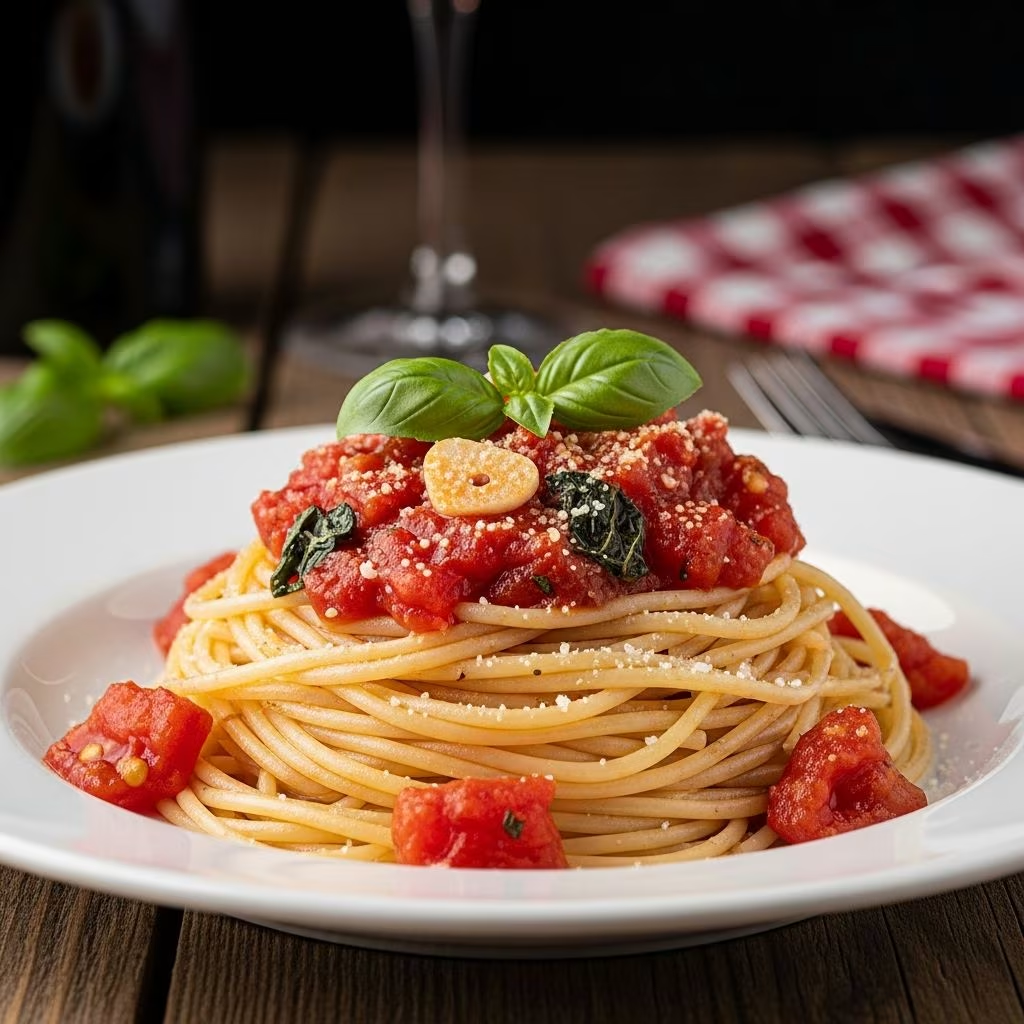
One of the most beloved and universally appreciated dishes in Italian cuisine is spaghetti with tomato sauce. This timeless combination has graced dinner tables across generations and continues to remain a staple in home kitchens worldwide. The beauty of this dish lies not in complexity, but in the harmony between quality ingredients and proper technique. Whether you’re preparing a quick weeknight meal or entertaining guests, mastering this fundamental pasta preparation will elevate your cooking repertoire.
The appeal of spaghetti with tomato sauce extends beyond its delicious flavor profile. It represents accessibility in cooking—a dish that requires minimal ingredients yet delivers maximum satisfaction. From college students cooking their first meal to experienced chefs preparing comfort food, this recipe transcends skill levels and budgets. Understanding the fundamentals of building a proper tomato sauce transforms this simple dish into something exceptional.
Essential Components for Your Sauce Foundation
The foundation of any memorable tomato sauce begins with selecting the right ingredients. Unlike complicated recipes that demand obscure pantry items, this sauce relies on ingredients you likely already have at home or can easily obtain from any grocery store.
The primary ingredient that defines your sauce is tomatoes. You have flexibility in your selection—canned crushed tomatoes provide consistent quality and convenience, while fresh tomatoes during peak season offer vibrant flavor and texture. Canned tomatoes prove particularly advantageous because they’re picked and processed at optimal ripeness, ensuring superior flavor year-round. A standard 28-ounce can of crushed tomatoes forms the backbone of most traditional preparations.
Aromatic vegetables create the flavor foundation upon which your sauce builds. Garlic and onions form this aromatic base, releasing their flavors through gentle cooking. Mincing garlic finely ensures it distributes evenly throughout the sauce, while dicing onions into uniform pieces promotes even cooking. These humble vegetables transform through heat, their sharp edges softening into mellow sweetness that balances the tomato’s acidity.
Quality olive oil serves multiple purposes in sauce preparation. It provides the cooking medium for your aromatics, carries fat-soluble flavors throughout the sauce, and contributes its own subtle richness. Choose extra virgin olive oil for finishing touches, reserving regular olive oil for cooking applications where heat stability matters more.
Building Flavor Through Strategic Layering
Professional cooks understand that sauce development follows a deliberate progression. Rather than combining ingredients and hoping for the best, experienced home cooks layer flavors methodically, allowing each component to develop fully before introducing the next.
Begin by heating olive oil in a heavy-bottomed pot, creating the proper environment for your aromatics. When the oil shimmers and becomes fragrant, introduce your diced onions. This initial cooking phase should be patient and gentle—sautéing onions over medium heat for several minutes allows their natural sugars to caramelize slightly, deepening their flavor without browning too aggressively.
Once your onions reach translucency and begin releasing their fragrance, add minced garlic and stir continuously for about 30 seconds. This brief cooking time mellows garlic’s harsh bite while preventing it from burning. Garlic transforms quickly under heat—burning it creates bitter, unpleasant flavors that ruin an otherwise perfect sauce.
Many traditional recipes incorporate tomato paste at this stage. A tablespoon or two of tomato paste concentrates tomato flavor, adding depth that fresh tomato sauce alone cannot achieve. Cook the paste for a full minute, stirring constantly. This step, called blooming, allows the paste’s flavors to develop more fully and distribute throughout your cooking fat.
Dried herbs—oregano and basil—add classic Italian seasoning that defines this preparation. Rather than adding fresh herbs early, where they lose their potency, dried herbs survive the extended simmer time better. Approximately one teaspoon of each herb provides appropriate seasoning without overpowering the delicate tomato flavor.
The Simmer Phase: Patience Pays Dividends
After combining your crushed tomatoes with the aromatic foundation, increase heat to bring the mixture to a gentle boil. This boiling phase should be brief—just a minute or two—before reducing to a steady simmer. The distinction between these cooking temperatures matters significantly.
A boil would reduce your sauce too rapidly, concentrating flavors unevenly and potentially scorching the bottom. A proper simmer—characterized by occasional gentle bubbles breaking the surface—allows flavors to meld while evaporation concentrates the sauce gradually and evenly. Simmer your sauce for 25 to 30 minutes, covered to prevent excessive evaporation, stirring occasionally to prevent sticking and ensure even cooking.
During this extended cooking period, something magical occurs. The individual flavors of tomato, garlic, onion, and herbs cease being separate components and merge into a cohesive whole. The sauce deepens in color, thickens slightly as water evaporates, and develops complexity that raw ingredients never possessed.
One subtle but important addition happens early in the simmer: a small amount of sugar. Many home cooks initially resist this ingredient, viewing it as unnecessary or inauthentic. However, a teaspoon of sugar serves a specific purpose—balancing the tomato’s natural acidity. Tomatoes contain acidic compounds that can taste sharp or bitter without modulation. Sugar doesn’t make the sauce sweet; rather, it rounds out harsh edges, creating a more balanced flavor profile. This technique appears frequently in traditional Italian cooking, particularly in Southern Italian preparations where tomatoes grew abundantly.
Understanding Pasta Water and Starch
While your sauce simmers, prepare your pasta properly. Fill a large pot with water and bring it to a vigorous boil. The volume of water matters more than many home cooks realize—using insufficient water results in pasta that cooks unevenly and becomes starchy. A general rule suggests one gallon of water per pound of pasta, though this can be adjusted slightly based on available space.
Salt your pasta water generously—it should taste like the sea. This salting is not optional seasoning; it’s your only opportunity to season the pasta itself. Reserve a cup of pasta water before draining—this starchy liquid becomes valuable for adjusting your sauce’s consistency when combining pasta and sauce.
Cook your spaghetti until it reaches al dente texture—tender yet slightly firm when bitten. The cooking time varies depending on pasta thickness and freshness, but typically ranges from 9 to 12 minutes. Begin testing a minute or two before the package suggests, as timing varies between brands.
The Critical Finishing Stage
Once your pasta reaches al dente and your sauce has simmered to proper consistency, the final stage determines whether your dish achieves excellence or merely adequacy. Combining pasta and sauce requires technique rather than simply spooning sauce over noodles.
Reserve a cup of starchy pasta water before draining. Pour your drained spaghetti directly into your simmering sauce, using some of the reserved pasta water to reach your desired consistency. The starch in this water helps the sauce cling to the pasta, creating an integrated dish rather than pasta swimming in separate sauce.
Toss gently but thoroughly, ensuring every strand gets coated with sauce. This integration should take about a minute of consistent tossing. The reserved pasta water allows you to adjust consistency—add more if the dish seems too dry, or continue cooking if it’s too loose.
Taste your finished dish and adjust seasoning as needed. Most preparations require an additional pinch of salt, as pasta water dilutes flavors slightly. Freshly cracked black pepper adds brightness, while fresh basil or parsley scattered over the top adds color and herbaceous freshness.
Variations and Adaptations
While this classic preparation stands alone beautifully, understanding variations expands your cooking possibilities. Some home cooks add a small amount of cream—a quarter cup whisked into the finished sauce creates richness without overwhelming the tomato flavor. Ground meat—beef, Italian sausage, or combinations thereof—transforms this vegetarian preparation into a heartier dish, added when your onions reach translucency and cooked thoroughly before adding tomatoes.
Regional Italian traditions offer guidance for other adaptations. Northern Italian preparations often include butter or cream, while Southern Italian versions emphasize tomato and olive oil. Experimenting with these variations helps you discover preferences and develops your understanding of how individual ingredients influence the final dish.
Practical Guidance for Success
| Element | Consideration |
|---|---|
| Tomatoes | Use quality canned crushed tomatoes for consistent results year-round |
| Heat Level | Maintain a gentle simmer rather than aggressive boil |
| Timing | Allow 25-30 minutes for sauce to develop and thicken |
| Seasoning | Taste and adjust salt and pepper before serving |
| Pasta Water | Reserve starchy water to adjust sauce consistency |
Common Questions About Tomato Sauce Preparation
Why does my sauce taste acidic?
Acidic tomato sauce typically needs balancing through a small amount of sugar or by extending the simmer time slightly. Some recipes also add a pinch of baking soda, which neutralizes acidity chemically. Start conservatively with any adjustment and taste repeatedly.
Can I make this sauce ahead?
Absolutely. This sauce actually improves when made a day or two ahead, as flavors continue developing. Store it in an airtight container in the refrigerator for up to five days, or freeze for several months. Reheat gently on the stove, adding a splash of water if needed to reach desired consistency.
What pasta shapes work best?
While spaghetti is traditional, any pasta shape works well. Penne, rigatoni, and other tubular shapes trap sauce beautifully. Even delicate shapes like angel hair or fettuccine pair wonderfully with this sauce.
Should I use fresh or dried herbs?
For extended simmering, dried herbs maintain their potency better. Add fresh herbs as finishing touches to preserve their bright flavor and appearance.
How do I prevent sauce from sticking?
Stir occasionally during simmering, particularly near the pot’s bottom. Using a heavy-bottomed pot with good heat distribution reduces scorching risk. Low to medium-low heat throughout cooking also prevents bottom burning.
Serving and Storage Strategies
Present your finished spaghetti in shallow bowls, ensuring each serving gets adequate sauce. A final drizzle of quality olive oil, fresh basil leaves, and grated Parmesan cheese complete the dish. The cheese should be freshly grated rather than pre-grated, which often contains anti-caking agents that interfere with texture.
Leftover sauce stores beautifully and often tastes better the next day as flavors continue developing. Combine leftover pasta with sauce in an airtight container, refrigerating for up to four days. Alternatively, store sauce and pasta separately, allowing you to prepare fresh pasta with previously made sauce for quick meals throughout the week.
References
- Spaghetti with Meat Sauce Recipe — Natasha’s Kitchen. 2024. https://natashaskitchen.com/spaghetti-meat-sauce-recipe/
- The Best Spaghetti with Tomato Sauce Ever! (La Devozione) — The Pasta Project. Accessed 2024. https://www.the-pasta-project.com/best-spaghetti-tomato-sauce-ever-la-devozione/