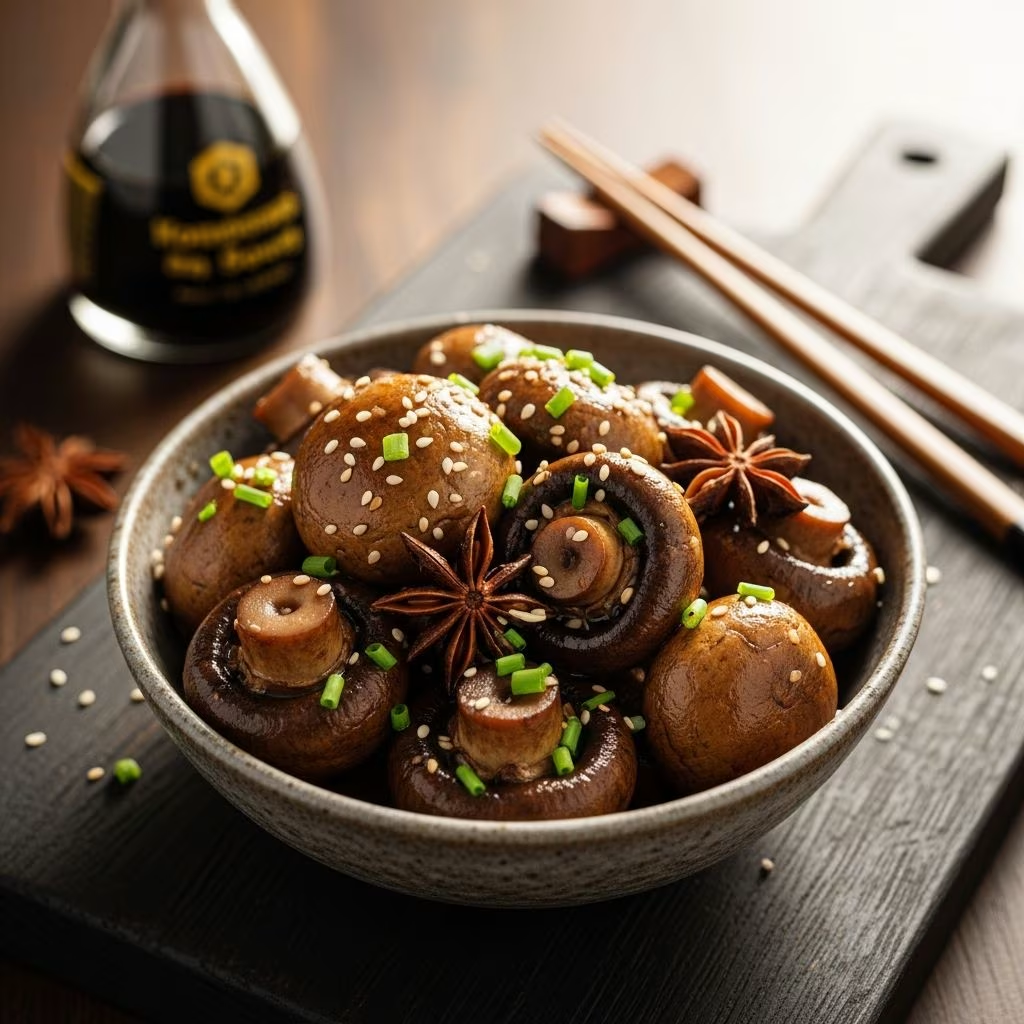
Mushrooms have long been celebrated for their earthy depth and meaty texture, making them an exceptional choice for those seeking satisfying vegetable-based dishes. When combined with the umami complexity of soy sauce, they transform into something truly memorable. This preparation method showcases mushrooms at their finest—caramelized on the outside while remaining tender within, all enhanced by a glossy, flavorful glaze that clings to every surface.
Why This Preparation Method Works So Well
The foundation of this dish lies in understanding mushroom cookery fundamentals. When mushrooms hit a hot, buttered skillet, they undergo a transformation. Initially, they absorb the fat and begin to soften as their internal moisture content rises to the surface. This moisture must be driven off through continued cooking to achieve browning—a process called the Maillard reaction. Once the mushrooms have released and reabsorbed their liquid, they become susceptible to browning, developing complex flavors and an appealing texture that contrasts beautifully with their tender interiors.
The introduction of soy sauce as a finishing glaze adds layers of flavor that simple salt cannot provide. Soy sauce brings saltiness, yes, but also fermented depth, subtle sweetness, and the savory quality known as umami, which activates taste receptors and creates a deeply satisfying eating experience. When reduced in the residual heat of the cooked mushrooms, it concentrates further, creating an almost lacquer-like coating.
Essential Ingredients and Their Roles
The Foundation: Quality Butter
Butter serves multiple purposes in this recipe beyond simply preventing sticking. Its fat molecules conduct heat efficiently while adding richness and helping develop the golden-brown exterior that makes this dish visually appealing. Unsalted butter allows you to control the salt content of the final dish, which is particularly important given that soy sauce contributes significant sodium.
Selecting the Right Mushrooms
While the classic preparation uses white button mushrooms due to their mild flavor and wide availability, several varieties perform exceptionally well:
- White button mushrooms offer a tender bite and absorb flavors readily
- Baby bella mushrooms (cremini) provide a slightly deeper, earthier taste
- King oyster mushrooms deliver a meatier texture that holds up beautifully to pan-searing
- Maitake mushrooms contribute complex, nutty undertones when shredded
Each variety behaves slightly differently during cooking. Tender varieties like buttons soften quickly, while denser varieties like king oysters benefit from longer cooking times to achieve optimal browning and tenderness.
Aromatic Enhancement Through Garlic
Garlic functions as the aromatic backbone of this dish. When minced finely and added after the initial mushroom cooking stage, it infuses the fat with pungent, aromatic compounds. The timing of garlic addition is crucial—add it too early, and it can burn and become bitter; add it too late, and it remains raw. The sweet spot comes after mushrooms have begun releasing their liquid but before the final soy sauce addition.
The Glaze Component
Beyond basic soy sauce, many preparations incorporate complementary elements to create more complex glazes. Honey provides subtle sweetness that balances saltiness, while balsamic vinegar contributes acidity that brightens the overall flavor profile. These additions need not overwhelm the dish—often just half a teaspoon of honey or a tablespoon of balsamic vinegar proves sufficient.
Step-by-Step Cooking Process
Preparation Phase
Begin by cleaning your mushrooms gently. Unlike popular myth, mushrooms can tolerate moisture and need not be wiped with dry cloths. A quick rinse under running water removes any debris without significantly affecting their cooking. Slice mushrooms uniformly into approximately quarter-inch thickness. Uniform size ensures even cooking throughout the batch.
Building Flavors in Stages
Heat butter in a skillet over medium heat until it foams slightly and releases its distinctive nutty aroma, indicating it has reached approximately 350°F. This temperature sits between a gentle melt and true browning—ideal for cooking mushrooms without burning the butter. Add mushrooms in a single layer, allowing them to make full contact with the hot surface.
Resist the urge to stir immediately. Let them sit undisturbed for approximately three to four minutes, allowing the bottom surfaces to develop color and texture. When you do stir, the mushrooms will have begun releasing their moisture. Continue cooking, stirring occasionally, for another three to five minutes until the mushrooms have noticeably shrunk and begun taking on a golden hue.
At this point, introduce minced garlic. Distribute it evenly throughout the pan and stir continuously for approximately one minute. This brief window prevents burning while allowing the garlic to release its aromatic compounds into the surrounding fat.
The Critical Glaze Stage
Pour soy sauce over the mushrooms, distributing it evenly. The high heat will cause it to sizzle immediately. At this moment, reduce heat to medium-low or even low. The residual heat in the pan, combined with continued cooking, will reduce the soy sauce from a liquid state into a glaze that coats the mushroom pieces. This typically requires four to five minutes of gentle cooking, during which you occasionally stir to ensure even coating and to prevent sticking or burning.
The reduction is complete when liquid has largely evaporated and a glossy coating remains visible on each mushroom piece. The pan should smell intensely savory and aromatic at this point.
Timing and Yield Considerations
| Cooking Stage | Duration | What to Observe |
|---|---|---|
| Initial mushroom cooking | 5-7 minutes | Mushrooms shrink; moisture releases |
| Garlic incorporation | 1 minute | Garlic becomes fragrant |
| Soy sauce reduction | 4-5 minutes | Liquid evaporates; glaze forms |
| Total cooking time | 10-13 minutes | Mushrooms golden; glaze adheres |
This recipe typically yields between two and four servings depending on portion size and what accompanies it. As a side dish for four people, one eight-ounce package of mushrooms provides appropriate portions. For more generous servings or a heartier role in a meal, double the quantities.
Variations and Creative Adaptations
Incorporating Additional Aromatics
Beyond garlic, several other aromatics enhance this preparation. Fresh ginger, minced finely, adds bright heat and complexity. Shallots, sliced thinly, contribute a sweeter onion flavor that mellows during cooking. Scallions or green onions work exceptionally well as a garnish, adding fresh sharpness to contrast with the cooked richness of the glazed mushrooms.
Sweetness Variations
Different sweeteners create subtly different results. Honey adds viscosity and creates a slightly thicker glaze while contributing floral undertones. Maple syrup provides deeper, more complex sweetness with a hint of smokiness. For those avoiding refined sugars, a small amount of coconut aminos (the amino acid-rich extract from coconut sap) offers both sweetness and umami depth.
Acidic Components
A splash of rice vinegar adds brightness without overwhelming the savory profile. Balsamic vinegar contributes depth and slight sweetness along with acidity. White wine or mirin can be incorporated for added complexity, though these require careful measurement to prevent overwhelming the delicate balance of flavors.
Protein Incorporation
While traditionally vegetarian, this mushroom preparation pairs beautifully with other ingredients. A drizzle of sesame oil adds nutty richness. Crushed red pepper flakes introduce heat for those preferring spicy preparations. Toasted sesame seeds provide textural contrast and additional nutty flavor when scattered across the finished dish.
Serving Suggestions and Pairings
These glazed mushrooms complement numerous main courses and cuisines. Their umami richness pairs beautifully with grilled proteins, from chicken breast to steak to tofu. They work equally well as part of an Asian-inspired meal alongside rice and vegetables, or as a sophisticated addition to Mediterranean plates featuring legumes and grains.
For vegetarian or vegan meals, these mushrooms can anchor the protein component when served alongside whole grains and other vegetables. They maintain their appeal when served at room temperature, making them an excellent choice for composed plates or grain bowls prepared in advance.
Storage and Make-Ahead Considerations
Cooked glazed mushrooms maintain quality in the refrigerator for three to four days when stored in an airtight container. Reheat gently in a skillet over medium-low heat, adding a splash of water if the glaze has dried out. The mushrooms can be prepared several hours ahead and reheated before serving without significant quality loss.
For those planning meal prep, cooking a larger batch and portioning into containers provides convenient portions for lunches or quick dinner components throughout the week.
Frequently Asked Questions
Why are my mushrooms releasing too much liquid?
This is actually normal mushroom behavior. Mushrooms contain significant water content that must be driven off during cooking. Ensure you’re cooking at adequate heat and not crowding the pan, which would trap steam and prevent browning.
Can I use low-sodium soy sauce?
Absolutely. Low-sodium soy sauce works well in this preparation. You may want to taste and add a tiny pinch of salt if the final dish seems underseasoned, but often the umami flavors remain sufficient even with reduced sodium.
What if my garlic burns?
Burned garlic becomes bitter and negatively affects the dish. If this occurs, discard the mushrooms and start over. For future attempts, ensure garlic is minced finely (which cooks faster than chunks) and added after the mushrooms have cooled slightly from their initial high heat.
Is this dish suitable for dietary restrictions?
The basic preparation is vegetarian and vegan. Ensure your soy sauce is gluten-free if addressing celiac concerns, or substitute tamari. For paleo-inclined diets, coconut aminos can replace soy sauce while maintaining similar flavor profiles.
Conclusion: Simple Excellence in a Skillet
Mushrooms with soy sauce glaze represent a culinary sweet spot—incredibly simple yet deeply satisfying, quick enough for weeknight meals yet elegant enough for entertaining. The technique requires no special equipment or obscure ingredients, relying instead on understanding basic cooking principles and timing. Whether served as a humble side dish or celebrated as a standalone preparation, these glossy, umami-rich mushrooms deliver memorable flavors that belie their straightforward nature. With minimal investment of time or effort, this recipe elevates ordinary ingredients into something distinctly special.
References
- McGee, Harold. On Food and Cooking: The Science and Lore of the Kitchen — Scribner (Revised Edition). 2004. https://www.scribner.com/
- Maillard Reaction and Umami Flavor Development in Mushrooms — University of California Davis, Department of Food Science. 2022. https://www.ucdavis.edu/
- The Comprehensive Guide to Soy Sauce: Varieties and Culinary Applications — International Association of Culinary Professionals. 2023. https://iacp.com/
- Butter Composition and Cooking Properties — American Dairy Products Institute. 2024. https://www.adpi.org/
- Plant-Based Umami: Coconut Aminos and Alternative Seasonings — Culinary Institute of America, Teaching Kitchen Research. 2023. https://www.ciachef.edu/