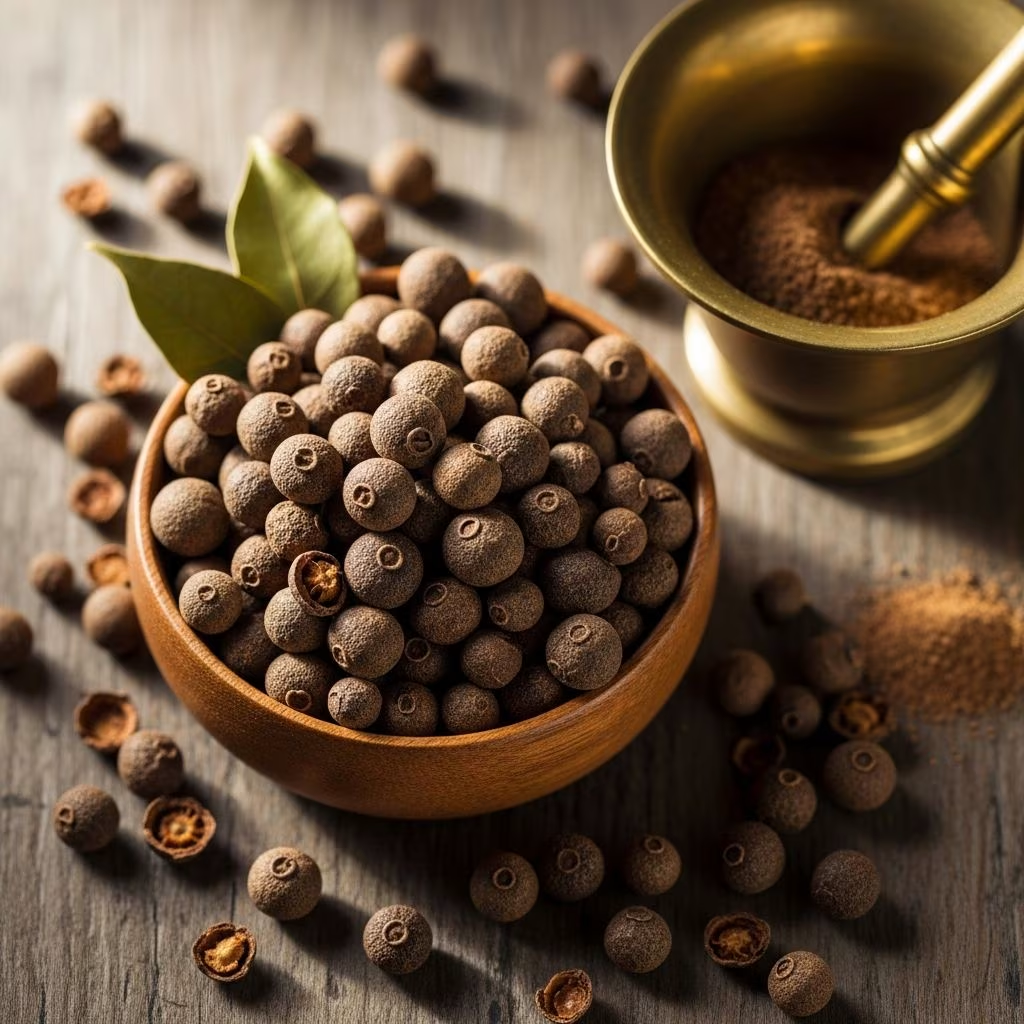
Allspice, derived from the dried unripe berries of the Pimenta dioica tree, delivers a complex profile combining notes of cinnamon, cloves, nutmeg, and pepper in a single ingredient. Native to the Caribbean and Central America, this spice has earned names like Jamaica pepper or pimento for its multifaceted taste.
Origins and Botanical Background
The allspice tree thrives in warm tropical climates, particularly in Jamaica, where it has been cultivated for centuries. Christopher Columbus mistook its berries for peppers, dubbing it pimenta, a name that persists in its scientific designation Pimenta dioica. The berries are harvested green and unripe, then sun-dried until they darken to a mahogany color, resembling large peppercorns.
Beyond the berries, the entire plant exudes aromatic compounds, including eugenol, which gives it strong antimicrobial properties. Historically, soldiers like Napoleon’s troops crushed berries into their boots to prevent rot from bacteria and fungi. In Caribbean traditions, allspice leaves serve similarly to bay leaves in stews and soups.
Flavor Profile: A Symphony of Spices
Allspice earns its name from evoking multiple spices: warm cinnamon sweetness, sharp clove pungency, nutty nutmeg depth, and a subtle peppery bite. Its aroma is intensely warm and woody, with overriding clove-like qualities and hints of astringency and bitterness. This versatility makes it indispensable in both sweet desserts and savory marinades.
| Flavor Note | Description | Intensity |
|---|---|---|
| Cinnamon | Sweet and woody warmth | Medium |
| Cloves | Pungent and medicinal | High |
| Nutmeg | Earthy and nutty | Medium |
| Pepper | Sharp, lingering heat | Low |
Ground allspice intensifies these notes compared to whole berries, which release flavor gradually during cooking.
Forms of Allspice: Whole vs. Ground
- Whole Berries: Ideal for slow infusions like pickling brines, mulled wines, or long-simmering sauces. Their milder intensity builds depth over time.
- Ground Powder: Perfect for quick-mixing in batters, rubs, or glazes. Use sparingly due to potency—start with half the amount called for in recipes.
Store both in airtight containers away from light and heat; whole berries last up to three years, while ground loses potency after one to two years.
Global Culinary Applications
Allspice transcends regions, starring in diverse dishes from European pâtés to Middle Eastern tagines.
Sweet Baking Delights
In American classics, allspice enhances pumpkin pies, spice cakes, gingerbread, and cookies, often as part of pumpkin spice blends. It pairs beautifully with fruits in compotes or cobblers, turning seasonal produce into cozy desserts.
Savory and Bold Seasonings
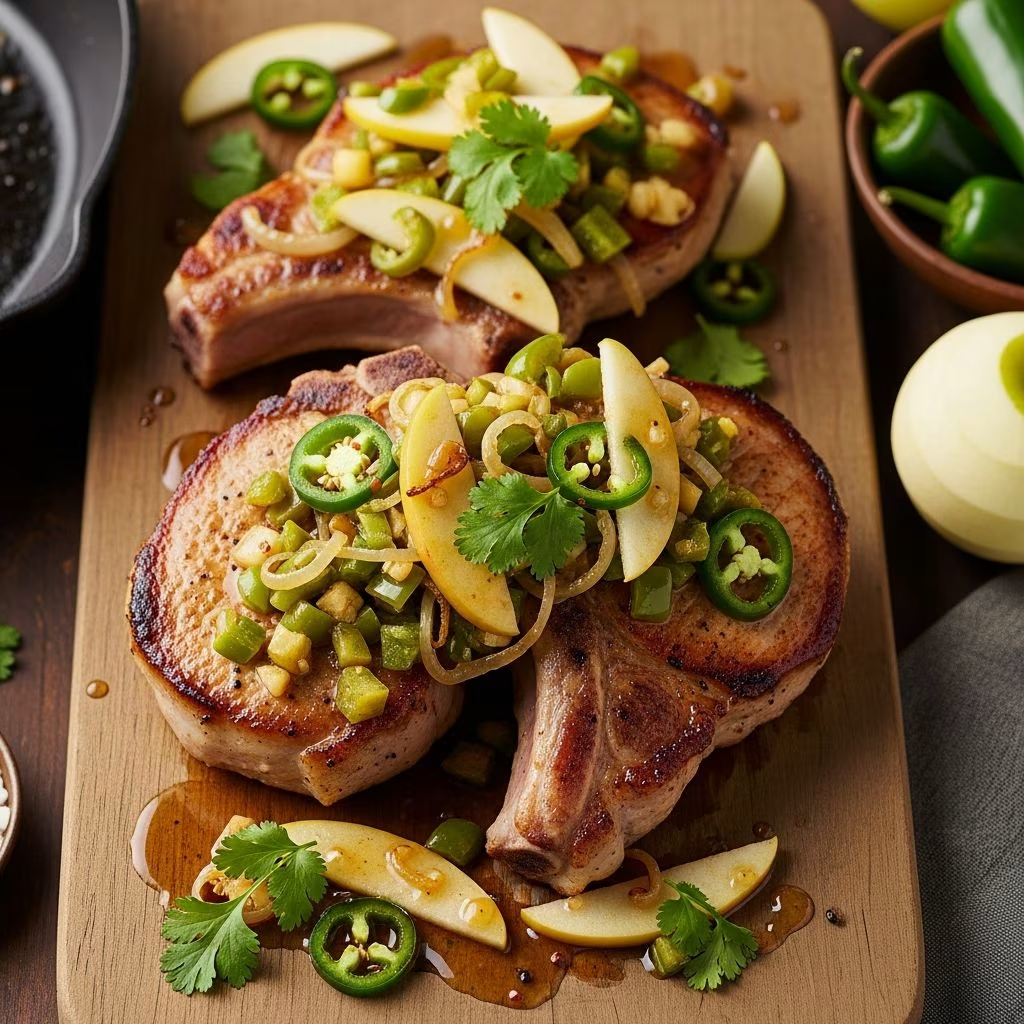
Central to Jamaican jerk seasoning for chicken or pork, allspice provides the fiery backbone alongside Scotch bonnet peppers and thyme. It’s essential in ketchup production, adding depth by the ton in commercial blends. Use in sausages, ham glazes, or Moroccan stews for earthy warmth.
Beverages and Preserves
Infuse whole berries into mulled cider, spiced rum, or pickling vinegars for tangy complexity.
Homemade Allspice Substitute Recipe
When allspice is unavailable, replicate its essence with a custom blend. This mix approximates the warm, sharp profile effectively.
Ingredients (makes about 3 teaspoons):
- 1 tsp ground cloves
- 1 tsp ground nutmeg (or mace for brighter notes)
- 1 tsp ground cinnamon
- Pinch of freshly ground black pepper
Instructions:
- Combine all ingredients in a small bowl.
- Stir thoroughly until evenly mixed.
- Transfer to an airtight jar; use within 3 months for peak flavor.
Substitute 1:1 in recipes, adjusting to taste.
Health and Practical Benefits
Eugenol in allspice offers antiseptic qualities, historically used for pain relief like teething remedies or boot preservation. Modern uses include digestive aids in teas, though consult professionals for medicinal applications.
Buying and Storage Best Practices
Opt for fresh allspice from reputable sources—whole berries should be uniform and aromatic when crushed. Grind small batches to preserve volatility. Avoid pre-ground if possible for superior freshness.
| Storage Method | Whole Berries Shelf Life | Ground Shelf Life |
|---|---|---|
| Airtight jar, cool/dark | 2-3 years | 1-2 years |
| Freezer (sealed) | Indefinite | 2+ years |
Recipe Ideas Featuring Allspice
- Jerk Chicken Rub: Mix ground allspice, thyme, garlic powder, and Scotch bonnet for grilling.
- Pumpkin Spice Latte: Blend with coffee, milk, and sugar for fall warmth.
- Allspice Pickled Beets: Simmer berries with vinegar, beets, and onions.
- Spiced Apple Compote: Poach apples with berries, cinnamon, and honey.
Frequently Asked Questions (FAQs)
What is allspice exactly?
A single dried berry from the Pimenta dioica tree, not a blend, tasting like cinnamon, cloves, nutmeg, and pepper.
Can I use allspice in desserts?
Yes, it’s stellar in pies, cakes, and cookies for warm depth.
What’s the best allspice substitute?
A mix of cloves, nutmeg, cinnamon, and black pepper works well.
How do I know if my allspice is fresh?
Crush a berry; strong clove-cinnamon aroma indicates freshness.
Is allspice the same as mixed spice?
No—mixed spice is a blend; allspice is one ingredient.
Pairing Guide for Allspice
- Proteins: Pork, chicken, lamb
- Vegetables: Squash, carrots, onions
- Fruits: Apples, pears, berries
- Other Spices: Ginger, thyme, garlic
Experiment boldly—allspice elevates everyday cooking to extraordinary levels.
References
- What is Allspice and How to Use it (+ Homemade Substitute) — LinsFood. 2023-10-15. https://www.linsfood.com/what-is-allspice-jamaica-pepper/
- Allspice Recipes, How To Use & Flavor Pairings — McCormick. 2024-05-20. https://www.mccormick.com/blogs/how-to/about-allspice-uses-pairings-and-recipes
- What Is Allspice? | Britannica — Encyclopædia Britannica. 2023-11-08. https://www.britannica.com/video/uses-health-benefits-allspice/-207399
- Allspice: What is it and how should I use it? | Problem Solved — YouTube (Food Network). 2022-09-12. https://www.youtube.com/watch?v=aqaveRwn0A0