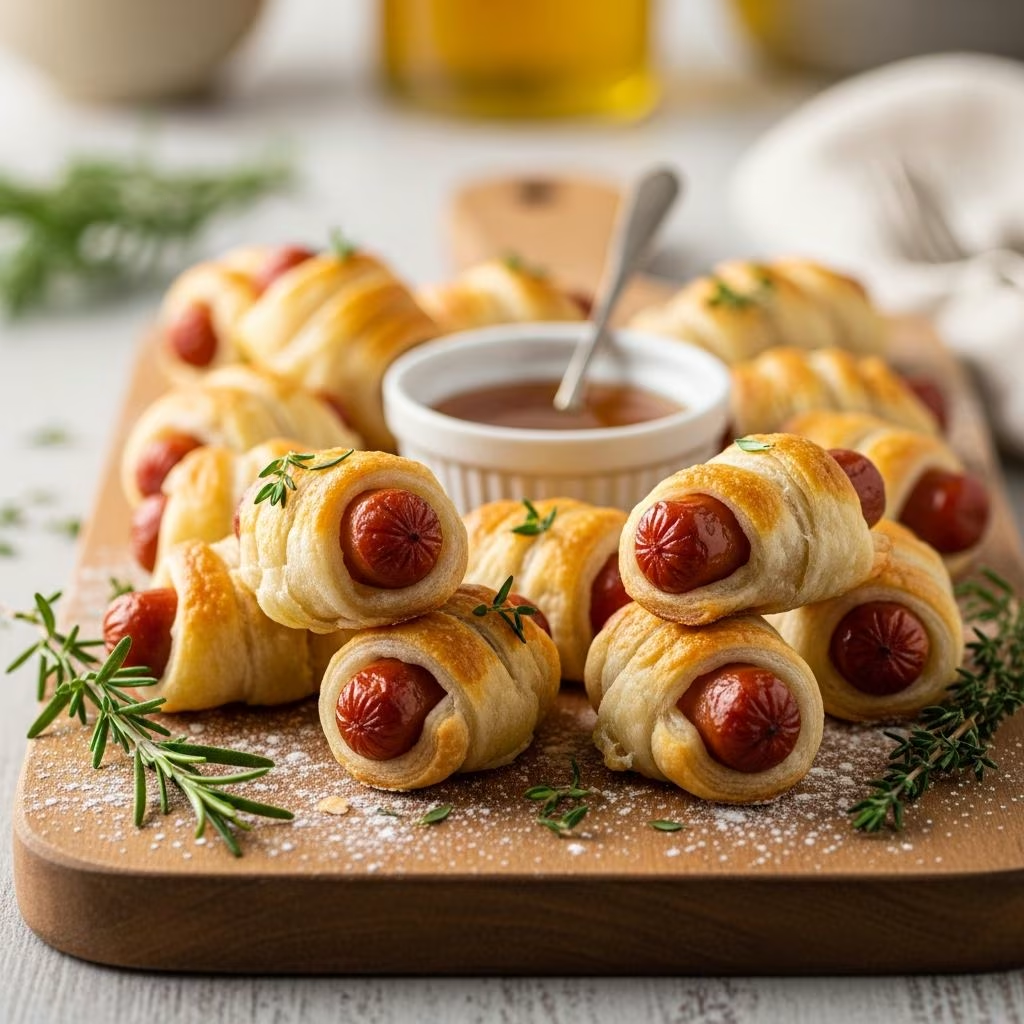
Pigs in a blanket represent one of the most versatile and beloved appetizers found across American tables, from casual family gatherings to formal holiday celebrations. This simple yet satisfying dish combines convenient proteins with wrapped dough to create bite-sized portions that disappear quickly from serving platters. The beauty of this recipe lies in its flexibility—whether you’re preparing for a game day event, holiday party, or casual weeknight gathering, pigs in a blanket can be tailored to suit various dietary preferences and flavor profiles.
Understanding the Foundation: Key Components and Ingredients
The success of homemade pigs in a blanket begins with understanding each element’s role in the final product. Rather than viewing this as a rigid formula, consider each ingredient as an opportunity for customization and personal expression.
Selecting Your Protein Foundation
The meat component serves as the heart of this dish. While mini cocktail wieners are the traditional choice, the market offers numerous alternatives that can elevate your preparation. Full-sized hot dogs work wonderfully when cut into quarters, providing more surface area for flavor development. For those seeking different flavor profiles, chicken sausages offer a lighter option, andouille sausage brings smoky heat, and even plant-based alternatives accommodate dietary restrictions. The key consideration involves ensuring your chosen protein is precooked, which guarantees food safety and reduces overall cooking time.
Choosing the Right Wrapper
Your dough selection dramatically influences the final texture and flavor experience. Crescent roll dough delivers a tender, flaky exterior that bakes quickly—making it ideal for time-constrained preparations. Puff pastry creates a dramatically more delicate, shattered texture when bitten into, though it requires advance thawing if purchasing frozen varieties. Biscuit dough produces a heartier, more substantial wrapper that appeals to those preferring a bread-forward experience. Pizza dough works exceptionally well for large-batch preparations and creates a unique pull-apart variation that serves groups efficiently.
Flavor Enhancement Elements
Butter serves multiple purposes beyond adding richness—it creates a golden exterior when brushed onto dough before baking and can be infused with herbs for additional complexity. Coarse salt provides textural contrast and flavor amplification, though finely ground varieties work if that’s what you have available. Additional seasonings might include garlic powder, paprika, or dried herbs sprinkled across the tops for visual appeal and taste enhancement.
Preparation Methodology: Building Your Appetizers
The assembly process requires minimal technical skill but benefits from organized execution. Begin by preheating your oven to the appropriate temperature—typically between 375°F and 400°F depending on your chosen dough type. This allows your oven to reach optimal baking conditions before your assembled pieces enter.
Prepare your work surface by lightly flouring it to prevent sticking without incorporating excessive flour into your dough. Unroll your chosen wrapper material and allow it to come to room temperature for approximately five minutes if it was refrigerated. This small step prevents cracking and makes the dough more pliable.
Divide your wrapper into appropriately sized pieces—approximately 1.5 inches by 2 inches works well for mini wieners, though this adapts based on your protein selection. Gently wrap each piece around your chosen protein, pinching the seams firmly to prevent unraveling during baking. Arrange wrapped items seam-side down on your prepared baking sheet, ensuring adequate spacing between pieces to allow for expansion during cooking.
The Baking Process: Achieving Optimal Results
Brush your assembled appetizers with melted butter before baking—this crucial step creates the golden-brown exterior and contributes to overall flavor development. Distribute your selected seasonings at this point, whether that involves coarse salt, everything seasoning, or herb-forward combinations.
Baking typically requires 20 to 25 minutes, though specific times vary based on oven characteristics and wrapper type. Your finished products should display a deep golden-brown exterior with the wrapper puffed and set. Remove from the oven and allow a brief cooling period—approximately five minutes—before serving. This rest period allows the wrapper to firm up slightly while the interior remains warm.
Temperature Considerations and Cooking Variations
| Cooking Method | Temperature | Time | Best For |
|---|---|---|---|
| Traditional Oven | 375-400°F | 20-25 minutes | Large batches, family dinners |
| Air Fryer | 380°F | 10-15 minutes | Quick preparation, smaller quantities |
| Toaster Oven | 400°F | 18-22 minutes | Limited kitchen space, single servings |
Flavor Enhancements and Complementary Accompaniments
While pigs in a blanket taste delicious on their own, accompanying sauces elevate the experience significantly. A mayo-forward base mixed with Dijon mustard, honey, and lime juice creates a sophisticated sweet-savory combination. Traditional mustard and ketchup remain reliable options that appeal to diverse palates. For those seeking heat, sriracha-based dipping sauces or spicy brown mustard preparations provide exciting alternatives.
Cheese-based sauces work wonderfully, particularly those incorporating sharp cheddar or white cheddar varieties with whole grain mustard for complexity. These warm sauces complement the appetizer’s textures beautifully and transform simple bites into restaurant-quality offerings.
Scaling and Batch Management for Larger Gatherings
Party planning often requires preparing substantial quantities. Pizza dough-based versions shine for large-scale productions, as they can accommodate 70 or more individual wrapped pieces arranged in springform pans, creating pull-apart presentations that serve numerous guests simultaneously. This method involves wrapping approximately 2 pounds of pizza dough around 70 to 75 smokies, then arranging them vertically within the pan before baking.
For traditional oven-baked preparations, prepare multiple baking sheets and stagger cooking times if your oven capacity limits simultaneous baking. This ensures all items finish at similar doneness levels, maintaining consistent quality throughout service.
Creative Variations and Dietary Adaptations
Contemporary cooking encourages experimentation with traditional recipes. Bacon-wrapped versions eliminate dough entirely, creating lower-carbohydrate alternatives while maintaining the classic flavor profile. Vegan preparations substitute dairy-free puff pastry with plant-based sausages, accommodating dietary restrictions without sacrificing satisfaction.
Specialty ingredients can personalize your preparation—sage leaves contribute herbal notes, black pudding introduces earthy complexity, and roasted squash with chestnuts provide autumnal appeal. These variations allow the same basic technique to generate entirely different flavor experiences suitable for various occasions and guest preferences.
Storage, Make-Ahead Planning, and Reheating Instructions
Prepared but unbaked pigs in a blanket refrigerate successfully for up to 24 hours when covered properly, making them excellent for advance planning. Freeze assembled items for extended storage—they’ll maintain quality for up to three months. Bake directly from frozen, adding approximately five additional minutes to the cooking time.
Leftover baked items store in airtight containers for three to four days. Reheating in a 350°F oven for approximately 10 minutes restores crispness better than microwave methods, though microwaving offers convenience for individual servings.
Frequently Asked Questions
Can I prepare these ahead of time?
Yes, assemble and refrigerate for up to 24 hours before baking, or freeze for longer storage. Bake from frozen by adding five minutes to standard cooking time.
What if my wrapper doesn’t seal properly?
If seams separate during baking, your appetizers will still be delicious but less visually appealing. Ensure adequate pinching pressure when assembling and consider slightly larger wrapper pieces if this becomes recurring.
Are there gluten-free options?
Absolutely. Gluten-free crescent rolls and puff pastry varieties are available at most grocery stores. Follow standard preparation methods with no adjustments to cooking time.
How do I prevent the wrapper from burning while the interior cooks?
Ensure your protein is precooked before wrapping. This eliminates extended cooking times that might brown the exterior excessively.
What serving size should I plan for?
Plan approximately 4 to 6 pieces per person for appetizer portions, or 8 to 10 pieces for main component status in casual settings.
References
- Delish: Best Pigs In A Blanket Recipe — Hearst Digital Media. 2024. https://www.delish.com/cooking/recipe-ideas/a58344/homemade-pigs-in-a-blanket-recipe/
- Spoon Fork Bacon: Pull Apart Pigs in a Blanket — Spoon Fork Bacon. 2024. https://www.spoonforkbacon.com/pull-apart-pigs-in-a-blanket/
- BBC Good Food: 10 Twists on Pigs in Blankets — BBC Food. 2024. https://www.bbcgoodfood.com/howto/guide/twists-pigs-in-blankets
- Bowl Me Over: 43+ Easy Sides to Serve with Pigs in a Blanket — Bowl Me Over. 2024. https://bowl-me-over.com/what-to-serve-with-pigs-in-a-blanket/