Understanding the Foundation of Asian Marinades
Asian cuisine has long relied on the power of marinades to infuse proteins with complex, layered flavors. The combination of soy sauce and garlic represents one of the most fundamental flavor pairing traditions in East Asian cooking, creating dishes that are simultaneously savory, aromatic, and deeply satisfying. The magic of these marinades lies in their ability to tenderize meat while simultaneously depositing flavor throughout the protein structure.
The key to a successful marinade extends beyond simply mixing ingredients together. Understanding how each component contributes to the final result helps home cooks create marinades that elevate everyday chicken into something memorable. Soy sauce provides umami—that savory, mouth-filling sensation—while garlic adds pungency and aromatic depth. When combined thoughtfully with complementary ingredients, these elements create a marinade capable of transforming ordinary chicken into a dish worthy of any table.
The Core Ingredients and Their Roles
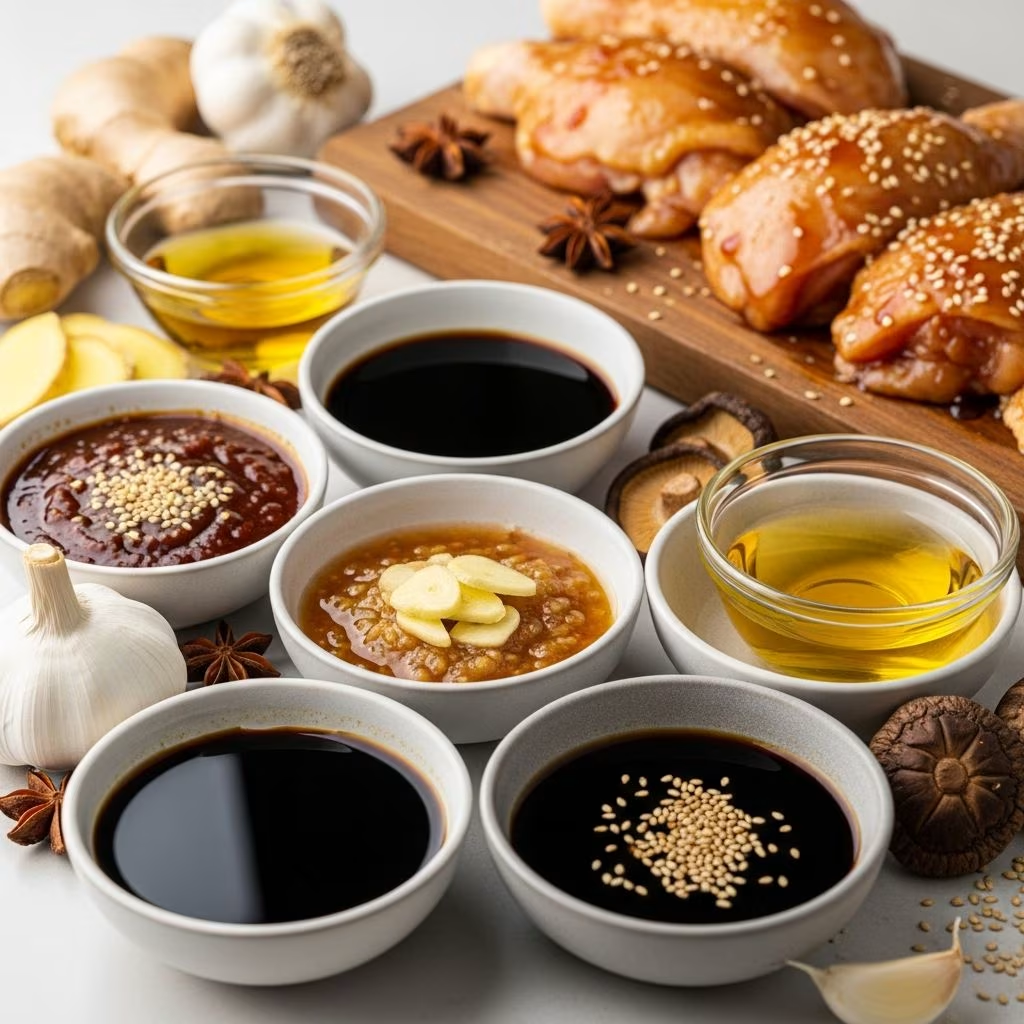
Building an effective soy and garlic marinade requires understanding how each ingredient functions within the mixture. The foundation typically includes soy sauce in varying amounts, depending on the desired intensity of flavor. Some recipes call for a combination of regular soy sauce and dark soy sauce, which adds additional depth and a darker color to the finished dish.
Garlic serves as the aromatic anchor, with most recipes calling for between 3 and 5 cloves, depending on personal preference and the total volume of marinade being prepared. Fresh minced or blended garlic distributes more evenly throughout the mixture than whole cloves, creating a more consistent flavor profile across all pieces of chicken.
Beyond soy and garlic, successful marinades typically incorporate sweetening agents such as honey, maple syrup, or sugar. These ingredients do more than add sweetness; they facilitate caramelization during cooking, creating a glossy, lacquered exterior on the finished chicken. Acidic components like rice vinegar or citrus help break down protein fibers, tenderizing the meat while also brightening the overall flavor profile.
Oil serves an important function in marinade construction. Whether using sesame oil for its distinctive nutty flavor or avocado oil for its neutral character, fat helps distribute fat-soluble flavor compounds and prevents the marinade from drying the chicken’s exterior during cooking.
| Ingredient | Function | Typical Amount |
|---|---|---|
| Soy Sauce | Umami base, saltiness | 5-6 tbsp |
| Garlic | Aromatic, pungent flavor | 3-5 cloves |
| Honey or Sugar | Sweetness, caramelization | 2-4 tbsp |
| Oil | Flavor distribution, moisture | 3-6 tbsp |
| Acid (vinegar/citrus) | Tenderizing, flavor balance | 2-3 tbsp |
| Seasonings (ginger, pepper) | Aromatic complexity | 1-2 tbsp |
Preparing Your Marinade Base
The process of creating a marinade begins with combining all liquid and powdered ingredients in a mixing vessel. For most home cooks, a simple bowl suffices, though some recipes benefit from using a blender or food processor, particularly when starting with whole garlic cloves rather than pre-minced garlic. Blending ensures uniform distribution of garlic particles throughout the liquid, preventing pockets of intense garlic flavor in some pieces while leaving others underseasoned.
When combining ingredients, dissolve any crystalline components like sugar or honey completely into the liquid before adding the chicken. This prevents granules from settling on the meat’s surface and potentially burning during cooking. Stir the mixture thoroughly to ensure all components are evenly distributed, creating a homogeneous marinade capable of coating every surface of the chicken pieces.
For cooks who prefer maximum convenience, preparing marinade several days in advance offers significant advantages. Most soy and garlic marinades maintain their integrity when stored in an airtight container or jar for up to two weeks, allowing busy home cooks to combine ingredients during a less hectic time and deploy the prepared marinade whenever convenient.
Selecting the Right Chicken Cuts
The choice of chicken cut significantly impacts both the marinating process and the final eating experience. Bone-in, skin-on thighs absorb marinade slowly but develop more complex flavors when cooked, while boneless thighs marinate more quickly and provide a leaner option. Chicken breasts, though popular for their versatility, can dry out more easily than thigh meat; they require careful attention to cooking time and temperature.
For optimal results, remove excess fat from all chicken pieces before marinating. This step prevents an overly greasy final dish and allows the marinade to penetrate the meat more effectively. Pat the chicken dry with paper towels before submerging it in the marinade, as excess surface moisture dilutes the marinade’s concentration.
The Marinating Process and Timeline
The duration of marinating significantly influences the depth of flavor and the degree of tenderization. While chicken can absorb meaningful flavor in as little as one hour, longer marinating times produce noticeably superior results. Most recipes recommend marinating for a minimum of 12 hours, with many suggesting 24 to 48 hours for maximum flavor development.
Place the chicken pieces in a large container—a zip-top bag, shallow baking dish, or dedicated marinating container—and pour the marinade over them, ensuring every surface receives contact with the liquid. Cover the container and refrigerate throughout the marinating period. Some cooks prefer rotating the chicken halfway through marinating to ensure even coverage, though this step is not strictly necessary if the chicken is fully submerged.
The refrigerator’s cool temperature serves an important function beyond food safety. The lower temperature slows bacterial growth while allowing enzymatic action to continue, gradually breaking down proteins and allowing flavor molecules to permeate the meat. Never leave marinating chicken at room temperature, as this creates an unsafe environment for bacterial growth.
Cooking Techniques and Methods
The marinade serves dual purposes: flavoring the chicken and providing a glaze for the finished dish. Reserve a portion of the marinade before adding the chicken, refrigerating it separately for use as a basting liquid during cooking. This approach prevents the consumption of raw chicken juices while still allowing the full flavor of the marinade to coat the finished meat.
Grilling Method: Preheat the grill to medium-high heat. Remove chicken from the marinade, allowing excess liquid to drip away. Place the chicken on oiled grill grates and cook for 5 to 7 minutes per side, depending on thickness and bone content. Cover the grill midway through cooking to ensure thorough cooking at the center while the exterior develops color. Flip only when the chicken no longer adheres to the grate, indicating proper caramelization. Baste the chicken regularly with reserved marinade during the final minutes of cooking, creating a glossy, flavorful exterior.
Pan-Frying Approach: Heat a large skillet over medium-high heat until it reaches temperature. Add a thin coating of oil, then place the marinated chicken pieces skin-side down (if skin-on). Cook for approximately 4 minutes per side for boneless thighs, adjusting timing based on thickness. In the final minutes of cooking, add a small amount of reserved marinade to the pan, allowing it to reduce and glaze the chicken with a shiny, concentrated sauce.
Oven Baking: Preheat the oven to 400°F (204°C). Place marinated chicken pieces on a lined baking sheet, wiping away excess garlic particles to prevent burning. Bake for 30 minutes, then brush with reserved marinade and return to the oven for an additional 5 to 10 minutes, allowing the glaze to set and deepen in color. Use a meat thermometer to confirm doneness, aiming for an internal temperature of 165°F (74°C).
Creating Additional Sauces and Glazes
Beyond using the marinade for cooking, excess marinade can be transformed into a serving sauce. Pour unused marinade into a saucepan and simmer over medium heat for 3 to 4 minutes, bringing it to a rolling boil to eliminate food safety concerns associated with raw chicken exposure. As the sauce reduces, it thickens and concentrates, creating a glossy consistency perfect for drizzling over finished chicken and accompanying side dishes.
Garnishing the cooked chicken with chopped green onions, sesame seeds, or fresh herbs adds textural contrast and visual appeal while complementing the savory umami flavors of the marinade. These finishing touches transform a simple marinated chicken dish into something that appears restaurant-quality and sophisticated.
Flavor Customization and Variations
While the core combination of soy and garlic provides an excellent foundation, numerous variations allow cooks to customize the marinade to personal preferences. The addition of ginger brings warming, slightly spicy notes that complement the garlic beautifully. Five-spice powder—a traditional Chinese spice blend—adds complexity and subtle licorice notes without overwhelming the soy-garlic foundation.
Some recipes incorporate oyster sauce, which adds depth and a subtle briny character. Mirin, a Japanese cooking ingredient made from fermented rice, contributes gentle sweetness and umami richness. For those seeking additional heat, white pepper or red pepper flakes can intensify the marinade’s flavor profile.
Experimentation within these parameters allows home cooks to develop marinades tailored to their taste preferences while maintaining the integrity of the classic soy-garlic combination that makes these dishes so appealing across diverse culinary traditions.
Storage and Make-Ahead Convenience
Prepared soy and garlic marinades store exceptionally well, making them ideal for meal planning and advance preparation. In an airtight container or jar, most marinades maintain their flavor integrity for up to two weeks when refrigerated. This characteristic allows busy cooks to prepare marinade during a dedicated cooking session, then deploy it throughout the following weeks as schedules permit.
Marinated chicken, once prepared, can be frozen for later use. Place the chicken and marinade together in a freezer-safe bag or container, removing as much air as possible to prevent freezer burn. Frozen marinated chicken maintains quality for up to three months and can be cooked directly from frozen with minimal additional cooking time.
Frequently Asked Questions
How long can chicken marinate before the texture becomes too soft?
While extended marinating generally improves flavor, marinating chicken for longer than 48 hours can result in an overly soft, mushy texture due to excessive protein breakdown. For optimal balance between flavor development and textural integrity, aim for 12 to 48 hours.
Can this marinade work with other proteins?
Absolutely. The soy-garlic combination works excellently with pork, beef, and even sturdy fish varieties. Marinating times remain similar for red meats but can be reduced to 15 to 30 minutes for delicate fish to prevent over-marinating.
Is it necessary to reserve marinade before adding chicken?
Yes, food safety regulations recommend reserving a portion of marinade for cooking purposes, as the marinade used for raw chicken can develop harmful bacteria. The reserved portion should remain refrigerated and untouched until needed for cooking or serving.
Can this marinade be used as a dipping sauce?
The reserved, uncontaminated portion can be simmered until it reaches a rolling boil, after which it’s safe to serve as a dipping sauce. This transformation also concentrates the flavors, creating a more intensely flavored condiment.
References
- Korean-style Soy Garlic Chicken BBQ — Chef Chris Cho. https://chefchrischo.com/korean-soy-garlic-chicken-bbq/
- Garlic Soy Sauce Chicken — Tiffy Cooks. https://tiffycooks.com/garlic-soy-sauce-chicken/
- Garlic Soy Chicken Marinade — The Roasted Root. https://www.theroastedroot.net/garlic-soy-chicken-marinade/
- Garlic Honey Soy Marinade — Hot Pan Kitchen. https://www.hotpankitchen.com/garlic-honey-soy-marinade/
- Honey Soy Chicken Marinade (for boneless thighs and breast) — RecipeTin Eats. https://www.recipetineats.com/honey-soy-chicken-marinade-sauce-grilled/