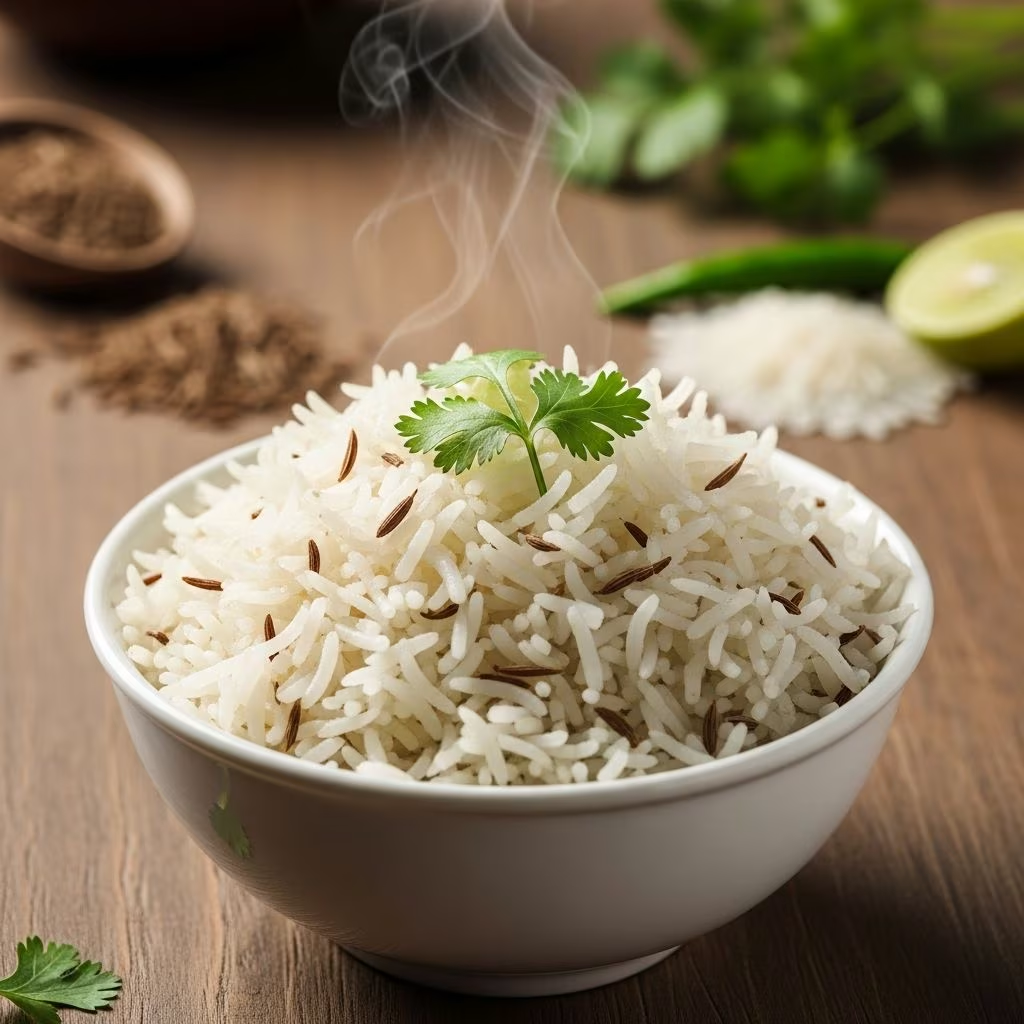
Jeera rice, known as cumin rice in English-speaking kitchens, represents one of the most fundamental and beloved rice preparations in Indian cuisine. This aromatic dish showcases the simplicity and elegance of traditional cooking methods, where minimal ingredients are transformed into something extraordinarily flavorful through proper technique and timing. The warm, earthy notes of toasted cumin seeds infuse every grain of long-grain basmati rice, creating a side dish that pairs beautifully with curries, dals, and vegetable preparations.
What makes jeera rice particularly appealing is its versatility and accessibility. Whether you’re preparing a weeknight dinner or hosting a special gathering, this rice dish elevates any meal without requiring complex steps or difficult-to-source ingredients. Understanding the fundamentals of preparing jeera rice opens doors to countless variations and personalized touches that reflect your culinary preferences.
Understanding the Core Ingredients
The foundation of exceptional jeera rice begins with selecting high-quality components. Each ingredient plays a specific role in developing the final dish’s character and flavor profile.
The Rice Selection
Basmati rice stands as the traditional choice for jeera rice preparation. Long-grain basmati varieties offer superior texture and aroma compared to medium or short-grain options. Aged basmati rice, when available, provides even more pronounced fragrance and produces fluffier, more separated grains after cooking. The rice’s delicate structure allows it to absorb the flavors of the cumin-infused ghee while maintaining its individual grain integrity, preventing the mushy texture that can result from using inappropriate rice varieties.
The Cumin Seeds
Cumin seeds, referred to as jeera in Hindi, form the flavor backbone of this dish. When heated in ghee, these seeds release their essential oils, creating an intensely aromatic and earthy foundation for the rice. Whole seeds work far better than ground cumin powder, as toasting them fresh develops complex flavor compounds that ground versions cannot replicate. The seeds should appear slightly darker after toasting but never burnt, as charred cumin develops bitter notes that overpower the delicate rice.
The Cooking Fat
Ghee, clarified Indian butter, serves multiple functions in this preparation. Beyond adding richness and a subtle nutty flavor, ghee’s high smoke point makes it ideal for toasting the cumin seeds without degradation. The fat coats each rice grain, promoting even moisture absorption and preventing sticking during the cooking process. While vegetable oil works as an alternative for those avoiding dairy, ghee provides authentic flavor that elevates the dish significantly.
Essential Preparation Steps
Success with jeera rice depends heavily on proper preparation before the actual cooking begins. These foundational steps ensure optimal texture and flavor in the finished dish.
Rinsing the Rice
Thoroughly rinsing basmati rice removes excess starch that would otherwise create a gummy texture during cooking. Place rice in a deep bowl and cover with cold water, gently stirring with your fingers for about one minute. Drain through a fine-mesh strainer and repeat this process at least three times, continuing until the water runs relatively clear. This seemingly simple step dramatically impacts the final texture, ensuring each grain remains separate and maintains a pleasant al dente bite.
Soaking for Improved Results
After rinsing, soaking the rice for 20 to 30 minutes allows the grains to absorb moisture gradually. This pre-hydration reduces the actual cooking time and promotes even moisture distribution throughout the pot. Soaking also helps prevent the rice from breaking apart during cooking, as partially hydrated grains possess greater structural integrity. If time is limited, even a 10-minute soak provides noticeable benefits, though 20-30 minutes delivers optimal results.
Mastering the Cooking Technique
The cooking process for jeera rice follows a specific sequence that builds flavor layer upon layer. Each stage contributes essential elements to the final dish.
Toasting the Cumin Seeds
Begin by heating ghee in a medium saucepan over medium-low heat. Once the ghee shimmers, add cumin seeds and allow them to cook for approximately 30 to 45 seconds. During this brief window, the seeds sizzle, darken slightly, and release their aromatic oils. This moment requires attention—the seeds should turn golden brown but never black, as continued heating develops harsh, burnt flavors that compromise the entire dish.
Introducing Aromatics
Some variations incorporate additional flavor elements at this stage. Finely chopped green chilies add gentle heat and fresh flavor notes, while some recipes include onions and garlic for deeper complexity. If using fresh chilies, add them immediately after the cumin seeds and stir briefly for about 20 seconds without allowing browning. These complementary aromatics create a more rounded flavor profile that appeals to diverse palates.
Coating the Rice
Drain the soaked rice and add it directly to the pan containing the cumin-infused ghee. Stir gently but thoroughly, ensuring every grain receives a coating of the flavorful fat. This step takes approximately 30 seconds to one minute, during which the rice grains begin to turn opaque. The gentle toasting that occurs during this phase adds a subtle roasted dimension to the final dish, enhancing the overall complexity without overwhelming the delicate cumin flavor.
The Water Addition
Add water in a ratio of 2 cups water to 1 cup rice, a standard measurement for basmati preparation. The water should taste noticeably saltier than your desired finished dish, as this ensures proper seasoning throughout the rice. Stir once to combine all elements, then increase the heat to high and bring the water to a rolling boil.
The Cooking and Resting Phases
Once boiling, immediately reduce the heat to the lowest setting. Cover the pan with a tight-fitting lid and maintain this low heat for 15 to 17 minutes. Avoid lifting the lid during cooking, as escaping steam disrupts the moisture balance necessary for proper cooking. After the timer sounds, turn off the heat and let the rice rest, covered, for at least 5 to 10 minutes. This resting period allows residual heat to complete the cooking process and allows the grains to firm up, making them easier to fluff without breaking.
Variations and Flavor Enhancements
While the basic jeera rice recipe remains delightfully simple, numerous variations allow for personalization based on preferences and available ingredients.
Whole Spice Additions
Many traditional preparations incorporate additional whole spices alongside cumin seeds. Bay leaves contribute subtle aromatic background notes, while cinnamon sticks add gentle warmth. A few cloves introduce depth without heaviness, and cardamom pods provide floral complexity. These additions create what some regions call jeera pulao, a slightly more elaborate cousin of basic jeera rice. Use these spices sparingly—approximately one bay leaf, one inch of cinnamon stick, and 4-5 cloves per cup of rice—to enhance rather than dominate the cumin-forward profile.
Textural Additions
Fried onions scattered over finished jeera rice add a savory crunch that contrasts beautifully with the tender rice grains. Fresh coriander leaves folded in just before serving introduce brightness and herbaceous notes. Some cooks include toasted cashew pieces or pine nuts for richness, though these additions shift the dish toward a more celebratory preparation rather than everyday fare.
Common Challenges and Solutions
| Issue | Likely Cause | Solution |
|---|---|---|
| Mushy, Sticky Rice | Excessive water or insufficient rinsing | Use the 2:1 water-to-rice ratio; rinse thoroughly before cooking |
| Broken, Fragmented Grains | Insufficient soaking or rough handling | Soak for 20-30 minutes; stir gently using a fork rather than a spoon |
| Bland Flavor Profile | Insufficient salt or cumin seeds undercooked | Toast cumin seeds until fragrant; season water appropriately |
| Burnt Cumin Taste | Cumin seeds overcooked or heat too high | Watch cumin seeds carefully; use medium-low heat for toasting |
| Unevenly Cooked Rice | Lifted lid during cooking or uneven heat distribution | Keep lid sealed; use level heat throughout cooking period |
Serving Suggestions and Pairings
Jeera rice’s versatile flavor profile makes it suitable for numerous culinary contexts. Serve it alongside rich, spiced curries like butter chicken or paneer tikka masala, where the aromatic rice provides gentle counterbalance to bold flavors. Pair it with creamy dal preparations, where the rice absorbs sauce beautifully. Even simple vegetable stir-fries gain elevation when accompanied by fragrant jeera rice, as the cumin complements cooked vegetables naturally.
For vegetarian and vegan diets, jeera rice adapts seamlessly—simply substitute oil for ghee and the dish remains equally flavorful. The simplicity of this preparation makes it accessible to virtually any dietary requirement without compromising quality or taste.
Frequently Asked Questions
Can I prepare jeera rice without soaking?
While soaking produces superior texture, recipes exist for no-soak preparations. Increase cooking time to 18-20 minutes and check water levels after 15 minutes, as unsoaked rice absorbs moisture differently. Results won’t match properly soaked rice, but the dish remains edible and flavorful.
What’s the difference between jeera rice and jeera pulao?
Jeera rice represents the simplest preparation with cumin seeds and ghee. Jeera pulao typically incorporates additional whole spices like bay leaves, cinnamon, and cloves, creating a more complex flavor profile. Both dishes feature cumin as the primary spice, distinguishing them from more elaborate pilaf preparations.
Can I use brown rice or wild rice for this recipe?
While possible, these alternatives don’t produce authentic results. Brown and wild rice require different water ratios and significantly longer cooking times. The delicate, separated grain structure that defines quality jeera rice results specifically from basmati rice’s unique properties.
How do I store leftover jeera rice?
Cool the rice completely before transferring to an airtight container, where it keeps refrigerated for up to four days. Reheat gently with a splash of water in a covered skillet over low heat, or microwave in short intervals, stirring between sessions to ensure even warming.
Is ghee absolutely necessary, or can other fats work?
While ghee provides authentic flavor and superior smoke point, vegetable oil, coconut oil, or butter can substitute. Each option produces slightly different results—vegetable oil creates a cleaner taste, coconut oil introduces subtle sweetness, and butter produces richer flavor but with a lower smoke point requiring careful temperature control.
Final Thoughts on Mastering Jeera Rice
Jeera rice exemplifies how exceptional dishes often emerge from refined simplicity rather than complex techniques. By understanding each ingredient’s role, respecting proper preparation methods, and maintaining attention during cooking, anyone can consistently produce restaurant-quality results at home. This fundamental rice preparation serves as an excellent foundation for building broader Indian cooking skills, establishing habits of precision and mindfulness that transfer to more elaborate dishes.
Whether preparing a casual weeknight meal or hosting guests, fragrant jeera rice elevates any spread without demanding significant time or exotic ingredients. Its accessibility combined with its genuine deliciousness makes it a wise addition to any cook’s regular rotation, a reliable dish that satisfies consistently while remaining endlessly adaptable to personal preferences and available components.
References
- Quick Jeera Rice (Indian Cumin Rice) — Urban Farmie. Accessed April 2026. https://urbanfarmie.com/jeera-rice/
- Indian Cumin Rice or Jeera Rice Recipe — The Kitchen Docs. Accessed April 2026. https://kitchendocs.com/cumin-jeera-rice/
- Jeera Rice (Indian Cumin Rice) – Holy Cow! Vegan Recipes — Holy Cow! Vegan. Accessed April 2026. https://holycowvegan.net/jeera-rice-indian-cumin-pulao-no-soak-15-minutes-three-ingredients-recipe/
- Perfect Jeera Rice | Indian Cumin Rice — My Food Story. Accessed April 2026. https://myfoodstory.com/perfect-jeera-rice-recipe/
- Easy Jeera Rice – Cumin Rice — Chef Not Required. Accessed April 2026. https://www.chefnotrequired.com/jeera-rice/
- Jeera Rice Recipe (Restaurant Cumin Rice) — Swasthi’s Recipes. Accessed April 2026. https://www.indianhealthyrecipes.com/jeera-rice-recipe/
- Cumin Rice/Jeera Pulao | Indian At Home — Nik Sharma Cooks. Accessed April 2026. https://niksharmacooks.com/cumin-rice-jeera-pulao/