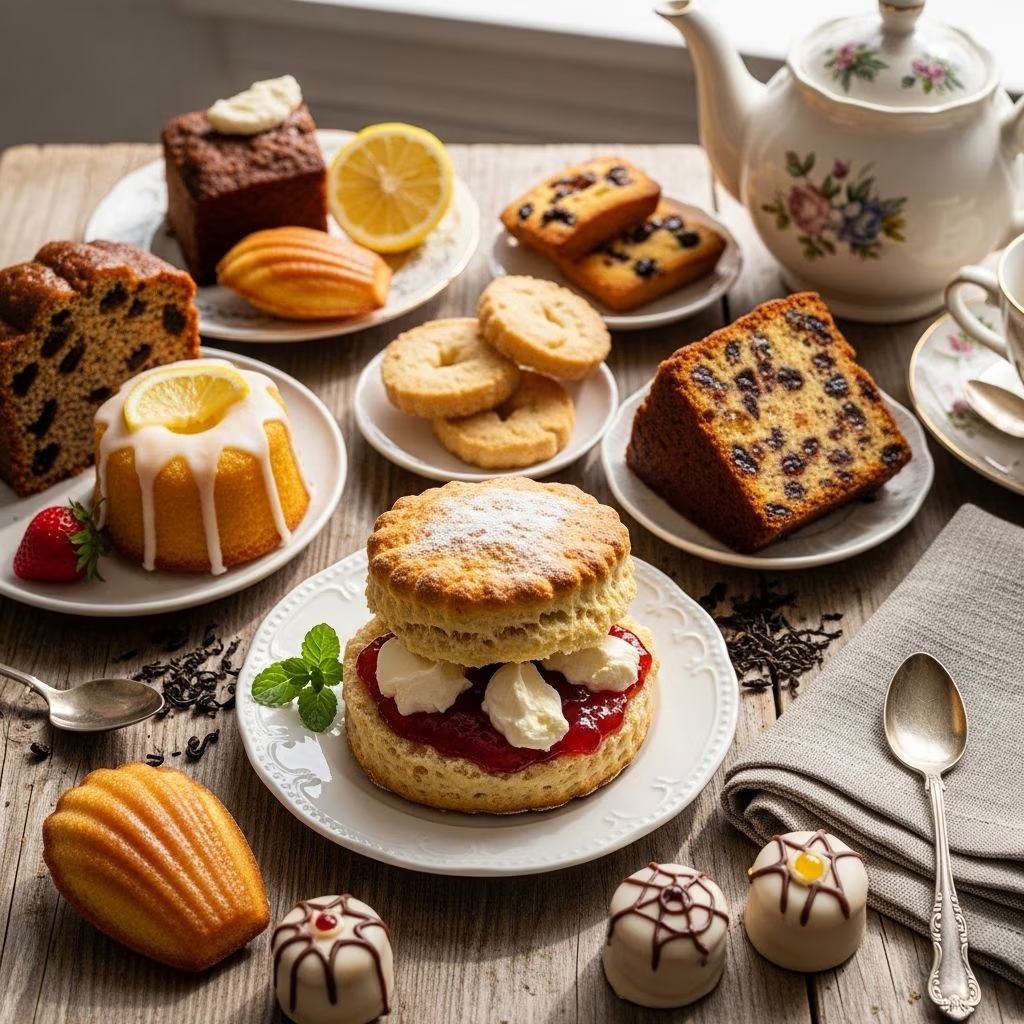
Tea cakes represent a timeless baking tradition, blending the tenderness of cake with the satisfying snap of a cookie. These versatile treats, often enjoyed alongside a hot cup of tea or coffee, have roots in Southern American kitchens but have evolved into global favorites with endless customizations. Whether you’re craving a nostalgic bite or experimenting with bold flavors, this guide covers everything from foundational recipes to innovative ideas.
The Origins and Appeal of Tea Cakes
Tea cakes emerged as simple, budget-friendly confections in Southern households, using pantry staples like flour, sugar, butter, and eggs. Passed down through generations, they evoke childhood memories of grandmothers’ kitchens, where the aroma of baking filled the air. Their appeal lies in simplicity: not overly sweet, with a lightly crisp exterior and soft, cake-like interior that pairs perfectly with beverages.
Unlike dense cookies or fluffy cakes, tea cakes strike a unique balance, making them ideal for afternoon snacks or dessert endings to meals. Their adaptability allows bakers to incorporate seasonal ingredients, turning a basic dough into something extraordinary.
Essential Ingredients for Perfect Tea Cakes
Great tea cakes start with quality basics. Here’s a breakdown of key components:
- Flour: All-purpose or self-rising flour provides structure. Self-rising adds leavening for extra tenderness.
- Fat: Butter offers rich flavor, while shortening or lard creates a crisp edge. A mix yields authentic vintage texture.
- Sweetener: Granulated sugar sweetens mildly; brown sugar adds moisture and depth.
- Eggs: Bind the dough and contribute to softness. Room-temperature eggs mix evenly.
- Leavening: Baking soda or powder ensures a light rise.
- Flavorings: Vanilla extract is classic; nutmeg, cinnamon, or citrus zest elevates them.
- Liquid: Buttermilk or milk tenderizes the crumb.
Proportions vary by recipe, but aim for a dough that’s scoopable yet firm enough to hold shape.
Classic Southern Tea Cakes: A Step-by-Step Recipe
Recreate the authentic taste with this straightforward recipe yielding about 30 tea cakes. Prep time: 20 minutes. Bake time: 10 minutes. Total: 30 minutes.
Ingredients
| Ingredient | Quantity |
|---|---|
| Unsalted butter, room temperature | 1 stick (½ cup) |
| Granulated sugar | ¾ cup |
| Large egg, room temperature | 1 |
| Vanilla extract | 2 tsp |
| All-purpose flour | 1½ cups |
| Baking soda | ¼ tsp |
| Salt | ¼ tsp |
| Ground nutmeg (optional) | ¼-½ tsp |
Instructions
- Preheat oven to 350°F (175°C). Line baking sheets with parchment.
- Whisk flour, salt, baking soda, and nutmeg in a bowl.
- Beat butter and sugar until fluffy, about 2 minutes.
- Add egg and vanilla; mix until combined.
- Gradually incorporate dry ingredients to form a soft dough. Chill 30 minutes if sticky.
- Scoop tablespoon-sized balls, place 2 inches apart, and flatten slightly.
- Bake 9-11 minutes until edges are golden. Cool on racks.
Store in an airtight container for up to a week. These stay soft and flavorful.
Recipe Variations to Delight Every Palate
While classics shine, variations keep tea cakes exciting. Experiment responsibly to maintain balance.
- Spiced Versions: Add cinnamon, cardamom, or ginger for warmth. Nutmeg enhances tradition.
- Citrus Infusions: Zest lemons or oranges into the dough for brightness.
- Fruit-Forward: Fold in dried cranberries, blueberries, or chopped apples. Seasonal fruits like peaches work wonders.
- Chocolate Lovers: Mix in chips or cocoa powder for a decadent twist.
- Herbaceous Notes: Rosemary or lavender pairs surprisingly with lemon.
- Vintage Upgrade: Swap half the butter for lard; sprinkle cinnamon-sugar tops post-bake.
For 21 easy ideas, consider tea-infused (earl grey), coffee, or even soda-based cakes for unique moisture.
Baking Tips for Tea Cake Success
Achieve pro results with these techniques:
- Room-temperature ingredients blend smoothly, preventing tough dough.
- Don’t overmix; gluten development leads to chewiness.
- Chill dough to prevent spreading.
- Bake one sheet at a time in the middle rack for even heat.
- Golden edges signal doneness—centers stay pale.
- Cool completely before storing to avoid sogginess.
Common pitfalls: Overbaking dries them out; insufficient fat makes them crumbly. Adjust altitude by reducing leavening if needed.
Pairing Tea Cakes with Beverages
Tea cakes elevate any drink. Match flavors thoughtfully:
| Tea Cake Flavor | Ideal Pairing | Why It Works |
|---|---|---|
| Classic Vanilla | Earl Grey or Black Tea | Notes of bergamot complement buttery richness. |
| Lemon Zest | Green Tea | Light, floral notes enhance citrus. |
| Spiced Nutmeg | Chai | Warm spices harmonize. |
| Chocolate | Hot Cocoa or Coffee | Decadent duo intensifies indulgence. |
| Fruit-Infused | Herbal Tisane | Fruit essences shine without overpowering. |
Coffee or milk softens their subtle sweetness, while iced tea suits summer versions.
Healthier Twists on Tea Cakes
Modernize classics without sacrificing taste:
- Substitute half the butter with Greek yogurt or applesauce for moisture.
- Use whole wheat flour blended with all-purpose.
- Sweeten with honey or maple syrup; reduce sugar by 25%.
- Incorporate oats or nuts for fiber and crunch.
- Opt for dark chocolate chips or dried fruits over candy.
These adaptations maintain tenderness while boosting nutrition.
Storing and Freezing Tea Cakes
Freshness is key. Room temperature: 5-7 days in airtight tins. Refrigerate up to 2 weeks. For longer storage, freeze dough balls or baked cakes up to 3 months. Thaw overnight and bake or refresh in a 300°F oven.
Layer with parchment to prevent sticking.
Tea Cakes Around the World
Beyond the South, similar treats abound: British scones, Russian pryaniki, or Indian nankhatai share the tea-time spirit. Each culture tweaks with local spices and fats, proving tea cakes’ universal charm.
Frequently Asked Questions (FAQs)
What makes tea cakes different from cookies?
Tea cakes have a softer, cake-like crumb and milder sweetness, bridging cookies and cake.
Can I make tea cakes vegan?
Yes—use plant-based butter, flax eggs, and non-dairy milk.
Why are my tea cakes spreading too much?
Chill the dough and ensure cold baking sheets.
Are tea cakes gluten-free possible?
Swap for a 1:1 gluten-free blend; add xanthan gum if needed.
How do I achieve crispy edges?
Incorporate shortening and bake slightly longer.
Advanced Techniques for Master Bakers
Elevate your game: Laminate dough like croissants for flakiness, or use a piping bag for uniform shapes. Infuse fats with tea leaves for subtle aroma. Experiment with sourdough discard for tang.
Host a tea cake bake-off, challenging friends to unique flavors. Document results to refine your signature recipe.
References
- 21 Easy Tea Cake Recipes You Will Love with Your Cup of Tea — Saffron Trail. Accessed 2026. https://www.saffrontrail.com/easy-tea-cake-recipes/
- 5 Ingredient – Maw Maw’s Tea Cakes – Old Fashioned — Collard Valley Cooks (YouTube). Accessed 2026. https://www.youtube.com/watch?v=CEgmrg0uEjY
- Authentic Mississippi Big Mama’s Southern Tea Cakes Recipe — Grandbaby Cakes. Accessed 2026. https://grandbaby-cakes.com/southern-tea-cakes/
- Old Fashioned Southern Tea Cakes Recipe — Lana’s Cooking. Accessed 2026. https://www.lanascooking.com/old-fashioned-southern-teacakes-and-a-lifetime-of-food-memories/