Understanding the Clover Leaf Cocktail
The Clover Leaf cocktail represents a sophisticated entry into the world of classic mixology, combining botanical gin with fruity sweetness, bright citrus notes, and the distinctive texture provided by egg white. This drink belongs to the broader category of sours—cocktails that balance spirit, citrus, and sweetness—but with the added elegance of shaken egg white that creates a silky mouthfeel and visually striking foam cap. The cocktail’s appeal lies not only in its complex flavor profile but also in its historical significance within cocktail culture, tracing back over a century to early twentieth-century bartending traditions.
Historical Context and Origins
The precise origins of the Clover Leaf cocktail remain somewhat contested within mixology circles, with competing historical accounts suggesting different creators and timelines. According to early cocktail literature, the drink first appeared in Jacob Abraham Grohusko’s 1908 cocktail guide, though the cocktail achieved more widespread documentation by 1910. A notable newspaper account from the New York Herald dated July 8, 1908, described the drink as “a new appetizer” introduced by Philadelphia residents at the Plaza Hotel in New York, suggesting the beverage may have originated in Philadelphia before gaining popularity in Manhattan’s prestigious establishments.
The relationship between the Clover Leaf and the similarly named Clover Club cocktail has generated considerable discussion among cocktail historians. While some sources treat them as nearly identical, others maintain distinct differences between the two drinks. Historical cocktail books, particularly Jacob Abraham Grohusko’s 1910 edition, clarified that both beverages share a gin base with egg white and mint, yet differentiate primarily through their sweetening agents and additional ingredients.
Core Recipe Components
Creating an authentic Clover Leaf requires attention to ingredient quality and precise measurement. The foundational recipe includes the following elements:
- Gin: The spirit base, typically London Dry style, provides botanical complexity and structure
- Grenadine Syrup: The primary sweetening agent, contributing both sweetness and the distinctive color
- Egg White: Creates the signature silky texture and decorative foam layer
- Fresh Mint: Adds aromatic freshness and serves as garnish
- Citrus Components: Optional additions that vary by interpretation
Modern bartenders typically employ the following proportions to achieve balanced flavor:
| Ingredient | Standard Measurement |
|---|---|
| London Dry Gin | 1.5 ounces |
| Grenadine Syrup | 0.5 ounce |
| Egg White | 0.5 ounce (pasteurized) |
| Lemon Juice | 0.33 ounce (optional) |
| Fresh Mint Leaves | 5-6 leaves |
These proportions may be adjusted based on personal preference and the specific style of gin employed. Some contemporary variations incorporate dry vermouth to add complexity and subtle herbal undertones to the drink.
Preparation Techniques and Methods
The construction of a Clover Leaf requires familiarity with professional bartending techniques, particularly the dry shake method that produces the characteristic foam.
Traditional Shaking Approach
Begin by adding the mint leaves to a cocktail shaker without ice. Gently muddle the leaves using a bar spoon to release their essential oils and aromatic compounds. Add the gin, grenadine syrup, egg white, and any citrus juices, then fill the shaker with ice cubes. Execute a vigorous shake for approximately 8-10 seconds, working at pace to thoroughly combine ingredients and chill the mixture.
The Dry Shake Process
After the initial ice shake, pour the liquid through a fine strainer into a different shaker or mixing vessel containing no ice. Repeat the shaking motion for 10-15 seconds without ice present. This dry shake technique aerates the egg white, creating the desired silky foam that characterizes the finished drink. The dry shake represents a critical distinction between a properly executed Clover Leaf and a hastily prepared version.
Straining and Serving
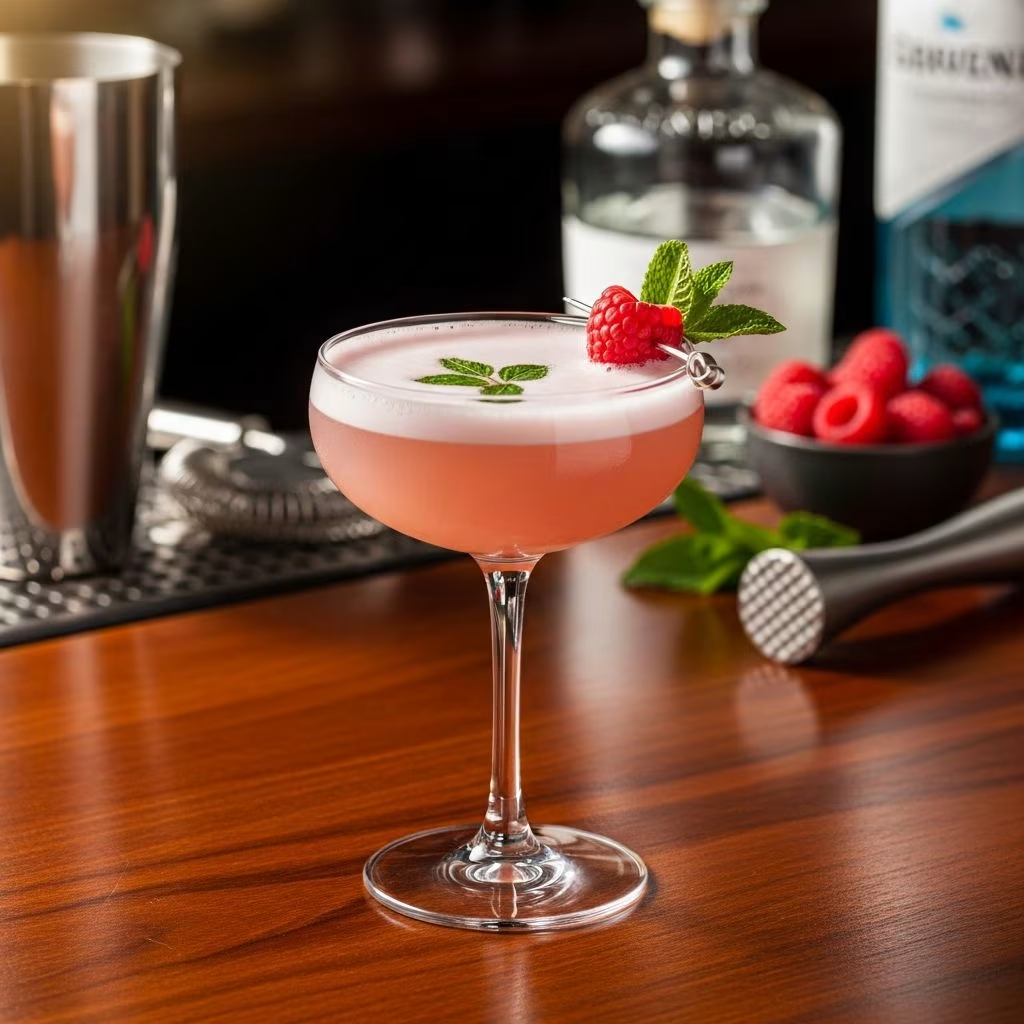
Strain the mixture into a chilled coupe or champagne glass using a fine mesh strainer to catch any ice shards or mint debris. The drink should present a layered appearance, with the silky foam cap rising above the liquid and creating visual interest. Garnish with a sprig of fresh mint or a twist of lemon zest, depending on your preferred presentation style.
Variations and Modern Interpretations
Contemporary bartenders have developed numerous variations on the classical Clover Leaf recipe, each offering distinctive flavor experiences while maintaining the drink’s essential character.
Some modern preparations incorporate raspberry syrup in place of grenadine, a variation that harks back to earlier cocktail book descriptions that referenced raspberry-based sweetening. This substitution produces a drink with enhanced fruity aromatics and a slightly different flavor trajectory. Additionally, certain establishments experiment with vermouth additions, introducing herbal complexity that complicates but enriches the overall taste profile.
Alternative presentations might include the addition of citrus juices beyond the standard formula, creating what some call a “citrus-forward” version. These expanded recipes incorporate lime juice, lemon juice, and occasionally orange juice, transforming the drink from a straightforward sour into something more elaborate and balanced across multiple flavor dimensions.
The Role of Egg White in Cocktails
The inclusion of egg white distinguishes the Clover Leaf from standard sour cocktails and contributes significantly to its textural and visual character. Egg white serves multiple functions within cocktail preparation:
- Creates silky mouthfeel through protein emulsification
- Produces decorative foam that enhances visual presentation
- Adds body and richness to the drink
- Provides subtle protein-based sweetness
Modern bartenders universally employ pasteurized egg whites for safety and consistency. Pasteurization eliminates concerns regarding foodborne pathogens while maintaining the functional properties that make egg white valuable in mixology. For those uncomfortable with egg-based products, commercial cocktail foamers provide acceptable alternatives, though the resulting texture differs slightly from traditional preparations.
Selecting Quality Ingredients
The final quality of your Clover Leaf depends substantially on ingredient selection and freshness.
Gin Selection
Choose a London Dry gin with botanical balance rather than one emphasizing a single dominant flavor note. Gins featuring juniper prominence, complemented by subtle citrus and floral undertones, provide optimal foundation for this cocktail. Contemporary gin options range from traditional formulations to innovative small-batch productions, each capable of producing excellent results depending on your flavor preferences.
Syrup Considerations
Grenadine quality varies significantly between commercial brands and homemade preparations. Premium grenadine or housemade versions featuring pomegranate juice and sugar produce superior flavor compared to artificial alternatives. Housemade grenadine requires only pomegranate juice and sugar brought briefly to a boil and cooled, an investment of minimal effort that substantially improves the finished drink.
Citrus and Mint
Fresh-squeezed citrus juices provide essential brightness and acidity that bottled alternatives cannot replicate. Similarly, fresh mint leaves demonstrate superior aromatic qualities compared to dried alternatives. Source these ingredients from reliable suppliers, ensuring availability of premium quality produce for your preparation.
Frequently Asked Questions
What distinguishes the Clover Leaf from the Clover Club cocktail?
Historical cocktail references indicate that the Clover Club typically incorporates raspberry syrup and citrus juices, while the Clover Leaf traditionally relies on grenadine as its primary sweetening agent. Some sources suggest the primary distinction centers on garnish presentation, with fresh mint distinguishing the Clover Leaf. However, contemporary usage treats these drinks somewhat interchangeably, with bartenders often following their preferred historical reference.
Can I prepare this cocktail without egg white?
While commercial cocktail foamers provide texture alternatives, they do not precisely replicate traditional egg white’s character. The drink remains enjoyable without egg white but loses the signature silky mouthfeel and impressive foam presentation that define the classic preparation. Pasteurized egg white products address safety concerns while preserving authentic preparation methods.
What glassware works best for serving?
Coupe glasses and champagne glasses represent traditional choices for this cocktail, their shape and capacity complementing both the drink’s volume and its elegant visual presentation. The stemmed design keeps hands from warming the drink while the wide bowl accommodates the decorative foam cap.
How do I achieve the best foam consistency?
The dry shake technique proves essential for proper foam development. Execute vigorous shaking motions without ice following your initial chilled shake, working for 10-15 seconds to maximize aeration. This dual-shake approach produces the silky, substantial foam that characterizes excellent execution.
Serving Suggestions and Occasions
The Clover Leaf cocktail suits sophisticated dining occasions and aperitif moments when elegance and complexity matter. Its moderate alcohol content and balanced flavor profile make it appropriate for pre-dinner service, allowing patrons to enjoy the drink without overwhelming their palate before a meal. The cocktail’s visual appeal—particularly the distinctive foam cap and subtle coloring—makes it a showstopper on cocktail menus and at home entertaining occasions.
Consider serving the Clover Leaf alongside appetizers featuring complementary flavors such as smoked salmon canapés, aged cheese presentations, or herb-forward hors d’oeuvres. The drink’s botanical and fruity characteristics harmonize with these pairing options while providing refreshment and interest.
Mastering the Technique
Preparation consistency develops through practice and attention to process details. Invest in quality bar equipment including a proper shaker, fine mesh strainer, and bar spoon. Chill your glassware before preparation to maintain optimal serving temperature. Taste your preparation and adjust sweetness or citrus levels according to your preference, recognizing that individual palates respond differently to the flavor components present in this complex drink.
References
- Clover Leaf Cocktail Recipe and Historical Overview — Bar-Vademecum. Accessed April 2026. https://bar-vademecum.eu/clover-leaf-cocktail-a-k-a-clover-club-cocktail/
- Clover Leaf Cocktail Recipe — Difford’s Guide. Accessed April 2026. https://www.diffordsguide.com/cocktails/recipe/446/clover-leaf