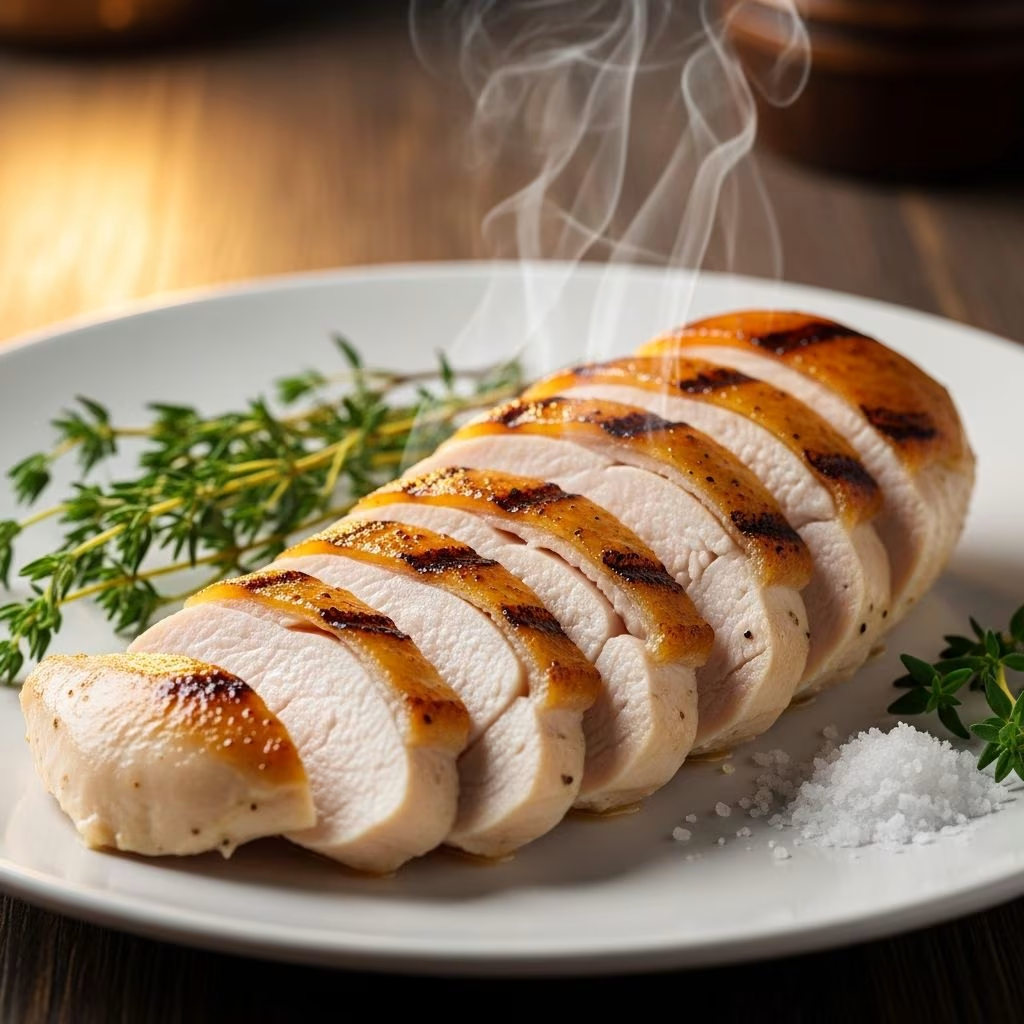
Unlock the secret to consistently moist and flavorful chicken breasts through the precision of sous vide cooking. This method gently heats poultry in a sealed bag within a controlled water bath, eliminating the risk of overcooking while infusing deep flavors from herbs and spices.
Understanding Sous Vide for Poultry Excellence
Sous vide, French for “under vacuum,” revolutionized home cooking by maintaining exact temperatures for hours. For chicken breasts, it ensures even doneness from edge to center, avoiding the dry texture common in traditional methods. The process pasteurizes meat safely at lower temperatures over time, yielding results superior to ovens or grills.
Key benefits include precise texture control—choose juicy and soft at lower temps or firmer at higher ones—and hands-off cooking, perfect for multitasking. Unlike boiling, flavors stay locked in the bag, concentrating tastes from added aromatics.
Essential Equipment for Success
To start, you’ll need a few specialized tools, but many households already own alternatives.
- Immersion Circulator: Clips to a pot, heating water to 1°F accuracy. Brands like Anova or Joule are reliable.
- Container or Pot: Large enough for bags; a Cambro pitcher works best for even circulation.
- Sealing Bags: Vacuum sealer for airtight seals or ziplock bags using water displacement.
- Cast-Iron Skillet: For the crucial post-cook sear to build a golden crust.
No sous vide machine? Multi-cookers like Ninja Foodi offer built-in functions, simplifying setup.
Selecting and Preparing Chicken Breasts
Opt for boneless, skinless breasts of even thickness, about 1-1.5 inches thick, for uniform cooking. Pound thicker parts gently with a meat mallet to level them. Fresh or thawed frozen works—add 30 minutes for frozen.
Pat dry before seasoning to promote adhesion. Basic prep: salt and pepper generously, as flavors intensify during cooking.
Temperature and Time Mastery
Temperature dictates texture; time ensures safety. Here’s a guide based on tested results:
| Temperature (°F/°C) | Texture | Time (hours) | Notes |
|---|---|---|---|
| 132°F / 55°C | Very soft, juicy | 1-2 | Ideal for salads; slightly pink but safe. |
| 140°F / 60°C | Soft, moist | 1.5-4 | Versatile for most dishes. |
| 145°F / 63°C | Tender, traditional | 1.5-2 | Fully pasteurized; great all-purpose. |
| 150°F / 65°C | Firmer, well-done | 1-1.5 | Bold flavors pair well. |
Lower temps require longer cooks for pasteurization. Always verify with a probe thermometer post-cook.
Flavor Profiles to Elevate Your Cook
Customize bags for variety:
- Classic Herb: Lemon slices, rosemary sprigs, garlic cloves, butter pat.
- Spicy Citrus: Chili powder, lime juice, honey, coriander, olive oil.
- Garlic Italian: Italian seasoning, garlic powder, sea salt, avocado oil.
- Simple Sear: Just salt, pepper; finish with pan herbs.
Massage seasonings in before sealing. Avoid overcrowding—1-2 breasts per bag.
Step-by-Step Cooking Guide
- Preheat Water: Fill container, attach circulator, set temp (e.g., 145°F). Cover to retain heat.
- Season and Bag: Rub chicken, add aromatics, seal vacuum or displacement method.
- Submerge: Clip bag to edge, weigh down if floating. Cook per time guide.
- Rest: 10 minutes in bag for juices to redistribute.
- Dry and Sear: Pat dry thoroughly. Heat skillet with oil/butter over high; sear 1-2 minutes per side, basting.
Pro tip: Chill seared chicken in ice bath for meal prep; reheat gently later.
Troubleshooting Common Issues
- Bag Leaks: Double-bag or use quality sealers.
- Not Crispy Enough: Ensure surface is bone-dry; high-heat sear essential.
- Too Soft: Increase temp slightly next time.
- Floating Bags: Add weight like a spoon or use heavier bags.
For frozen, extend time by 30 minutes—no thawing needed.
Creative Serving Ideas
Versatile sous vide chicken shines in:
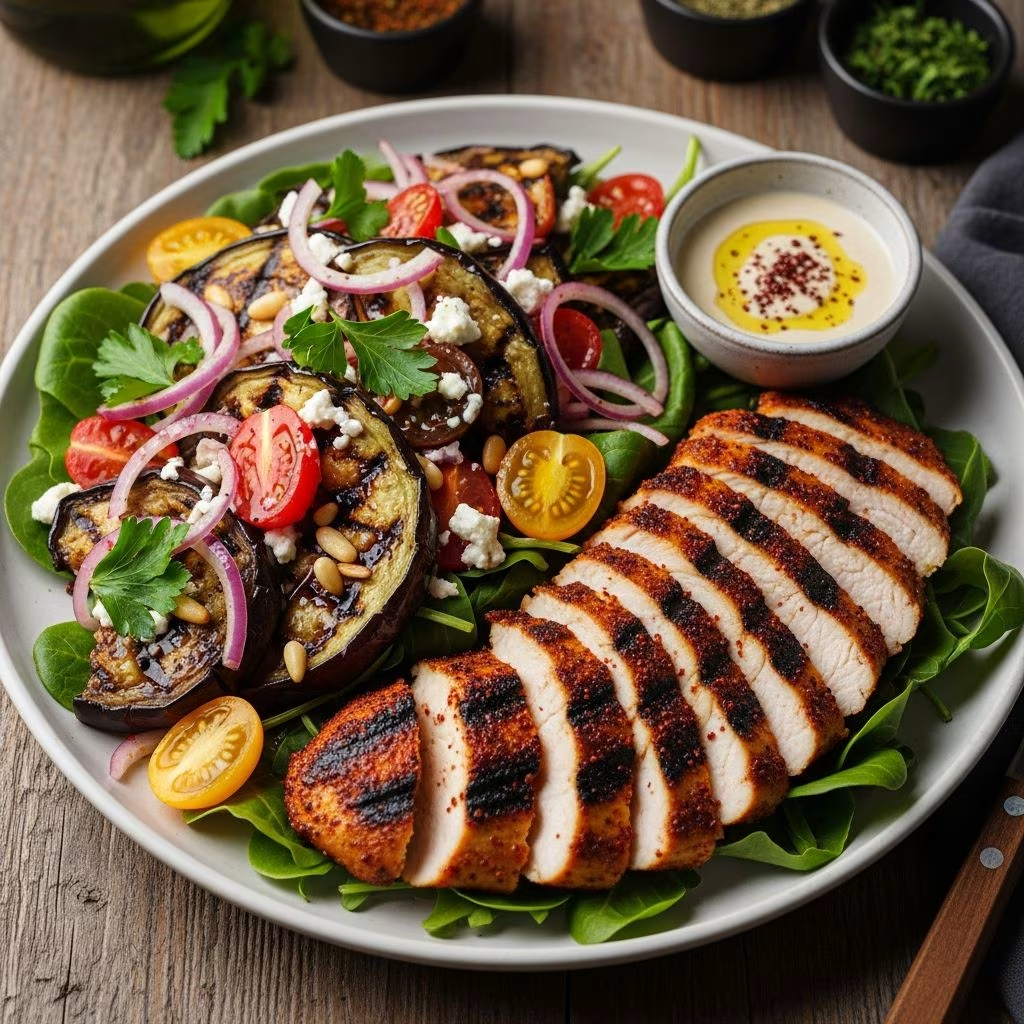
- Salads with greens, feta, vinaigrette.
- Sandwiches on crusty bread with pesto mayo.
- Stir-fries with veggies and soy glaze.
- Grain bowls over quinoa, roasted roots.
- Cold in wraps for lunches.
Pair with glazes like maple-citrus for shine. Stores 4 days refrigerated or freezes well.
Nutrition and Safety Facts
A 4oz breast offers ~25g protein, low fat when skinless. Sous vide pasteurizes below 165°F safely via time-temp combo. USDA confirms 145°F for 8+ minutes kills pathogens. Always source quality poultry.
FAQ
Can I sous vide frozen chicken?
Yes, add 30 minutes to cook time.
What’s the best temp for juicy chicken?
140-145°F balances moisture and firmness.
Do I need a vacuum sealer?
No, water displacement works with ziplocks.
How long can chicken stay in sous vide?
Up to 4 hours safely; longer may soften excessively.
Is searing necessary?
For flavor and texture, yes—but skip for cold uses.
References
- Sous Vide Chicken Breast {perfect every time} — The Big Man’s World. 2023. https://thebigmansworld.com/sous-vide-chicken-breast-recipe/
- Sous Vide Chicken Breast Recipe: Juicy and Tender Every Time — Fed and Fit. 2023. https://fedandfit.com/sous-vide-chicken-breast/
- Sous Vide Chicken Breast Recipe (Perfect EVERY Time!) — Platings and Pairings. 2023. https://www.platingsandpairings.com/sous-vide-chicken-breasts-recipe/
- Sous Vide Boneless Chicken Breast Recipe — The Salted Pepper. 2023. https://thesaltedpepper.com/sous-vide-chicken-breast/
- Garlic Herb Sous Vide Chicken Breast — Savory Nothings. 2023. https://www.savorynothings.com/garlic-herb-sous-vide-chicken-breast/
- Sous Vide Chicken Breast — Wendy Polisi. 2023. https://wendypolisi.com/sous-vide-chicken-breast/
- Easy Sous Vide Chicken Breast (With Citrus Glaze) — Two Kooks In The Kitchen. 2023. https://twokooksinthekitchen.com/maple-citrus-glazed-sous-vide-chicken/