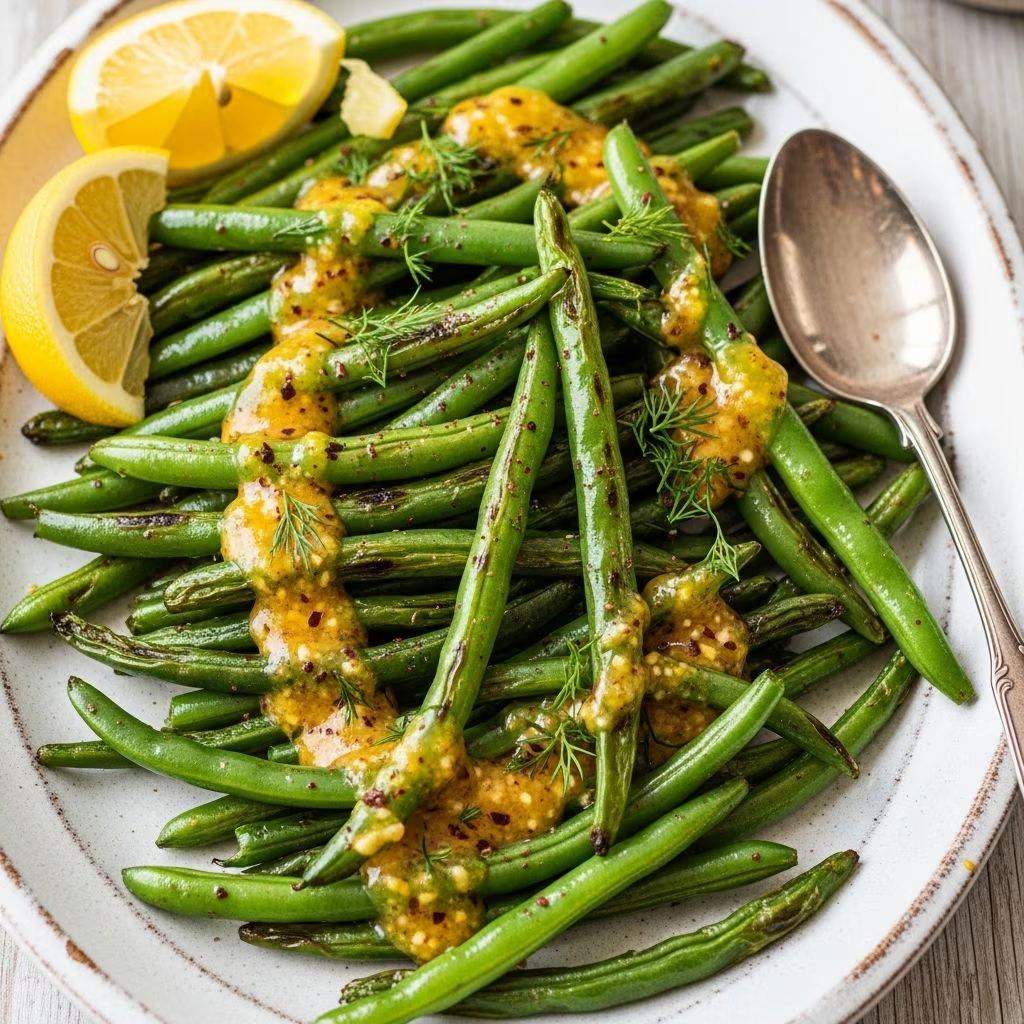
Understanding This Vibrant Vegetable Preparation
Green beans have long served as a reliable vegetable component in many cuisines, but their potential extends far beyond simple steamed preparations. This particular approach elevates the humble green bean by combining blanching techniques with flavor-infusing marinades, creating a dish that bridges the gap between straightforward weeknight cooking and refined entertaining. The method involves purposefully breaking down the beans to increase their surface area, allowing them to absorb a carefully balanced acidic and savory dressing. This transformation creates a textural contrast and flavor complexity that distinguishes the dish from conventional preparations.
The Science Behind Sumac and Citrus Pairing
Sumac, a crimson-hued spice derived from the berries of the sumac plant, brings a distinctive tangy quality without requiring additional acid in many applications. When combined with fresh lemon juice, this spice creates a layered citrus profile that tastes both bright and sophisticated. The crystalline structure of sumac dissolves gradually into dressings, releasing its flavor complexities over time—which explains why marinating the beans in advance produces superior results compared to last-minute preparation. The combination of these elements creates what culinary professionals refer to as complexity through restraint, where fewer ingredients interact to produce multidimensional flavor.
Essential Components and Their Roles
Core Ingredients Breakdown
| Ingredient | Quantity | Function |
|---|---|---|
| Extra-virgin olive oil | ¼ cup | Emulsifier and fat carrier for flavor compounds |
| Raw pumpkin seeds (pepitas) | ¼ cup | Textural contrast and nutty depth |
| Fresh green beans | 1 pound | Foundation vegetable providing body and substance |
| Fresh lemon juice | ⅓ cup | Primary acid component and flavor foundation |
| Ground sumac | 2 teaspoons | Distinctive tangy spice with complex notes |
| Asian pear | 1 medium | Subtle sweetness and delicate textural element |
| Fresh parsley | 1 cup (lightly packed) | Herbaceous brightness and visual appeal |
Mastering the Cooking Technique
Stage One: Preparing the Aromatic Oil Base
The foundation of this dish begins with an often-overlooked step—toasting pumpkin seeds in extra-virgin olive oil. This process, requiring approximately four minutes over medium-high heat, accomplishes several important goals simultaneously. The gradual heating causes the seeds to develop a deeper, more complex nutty character while simultaneously infusing the surrounding oil with subtle flavoring compounds. During this phase, you’ll observe the oil beginning to shimmer and the seeds developing a golden exterior. Once the seeds reach their optimal color, immediate removal from heat prevents over-browning, which would introduce bitter notes contradicting the dish’s carefully balanced flavor profile.
Stage Two: Achieving Perfect Green Bean Texture
Green beans require brief contact with rapidly boiling salted water—specifically around two minutes. This brief window prevents the beans from becoming mushy while ensuring they soften enough to break apart under pressure from the rolling pin technique. The moment the beans transition from dull to bright green indicates completion. Immediate transfer to an ice bath halts the cooking process, preserving the vibrant color and preventing residual heat from continuing to break down cellular structures. This stage is often rushed or overlooked, yet it represents the critical moment determining whether the final dish delivers the intended textural contrast.
Stage Three: Constructing the Dressing Foundation
Whisking lemon juice with ground sumac creates the aromatic backbone of the dish. This combination should be seasoned lightly with salt and pepper before the oil incorporation begins. The reason for sequencing the ingredients in this specific order relates to the emulsification process—the acidic lemon juice provides the water-based component that allows the oil to disperse evenly rather than separate into distinct layers. When introducing the reserved pumpkin seed oil gradually while maintaining constant whisking motion, the resulting emulsion becomes thick, glossy, and capable of coating the beans uniformly.
Stage Four: The Smashing Technique
This distinctive preparation method requires handling beans in small batches of five to seven pieces. After aligning them on a cutting board, a rolling pin applies consistent downward pressure, intentionally splitting the beans lengthwise along their natural seams. This technique differs fundamentally from chopping or slicing, as it preserves structural integrity while creating new surface areas for dressing absorption. Subsequent cutting into one-inch pieces produces components with both intact cylindrical sections and split-open areas, creating varied textures within each bite. The importance of this technique extends beyond aesthetics—the increased surface area functions as a mechanism for flavor absorption during the crucial marinating period.
Marinating and Timing Considerations
After tossing the smashed beans with the prepared dressing, the mixture requires at minimum one hour at room temperature to allow flavor integration. However, the real magic occurs when the beans are allowed to marinate for extended periods, with overnight refrigeration producing superior results. During these extended marinating periods, the acidic components begin breaking down the cellular walls, allowing the beans to absorb increasingly larger quantities of the flavorful dressing. The transformation that occurs during twelve hours of refrigeration cannot be replicated in abbreviated timeframes—this isn’t merely a matter of time convenience but a fundamental aspect of the recipe’s design philosophy.
Final Assembly and Presentation
Incorporating Fresh Components
When the beans have completed their marinating period, preparing fresh elements transforms the dish from a simple make-ahead component to a refined final preparation. The Asian pear should be cut into thin wedges approximately one-half inch thick, then halved crosswise to create bite-sized pieces. This approach differs from irregular chopping, as the consistent sizing ensures balanced distribution throughout the dish and creates visual uniformity. The pear’s delicate sweetness and subtle textural contrast prevents the final preparation from becoming heavy or one-dimensional.
Herb Integration and Finishing Touches
Fresh parsley leaves, especially the tender stems containing significant flavor compounds, provide herbaceous brightness that counterbalances the acidic and savory elements. The decision to incorporate only half of the toasted pumpkin seeds before service, reserving the remainder for top garnish, accomplishes both practical and aesthetic objectives. Immediately prior to serving, a final gentle toss ensures even distribution of all components, while the reserved seeds sprinkled across the surface provide visual interest and a crispy textural contrast against the marinated beans.
Strategic Make-Ahead Advantages
Serving Options and Flexibility
- Prepare beans and dressing up to twelve hours in advance, holding in refrigeration until two hours before serving
- Allow marinated beans to reach room temperature for optimal flavor expression, taking approximately thirty minutes
- Add fresh pear and parsley just before serving to preserve their delicate textures and prevent wilting
- Reserve toasted seeds in an airtight container to maintain crispness until final presentation
- Scale ingredients proportionally for smaller gatherings of two or larger entertaining scenarios of eight or more guests
Complementary Pairing Suggestions
This particular preparation functions effectively as either a standalone side dish or as part of a larger composed plate. The acidic brightness and textural variety create natural affinities with richer main courses, particularly protein preparations featuring substantial sauces or braising liquids. Game meats, rich poultry preparations, and lamb-based dishes benefit from the palate-cleansing properties of the sumac-lemon combination. The dish also serves successfully in vegetarian or plant-forward menus, where the substantial texture and complex flavor profile provide sufficient satisfaction without relying on animal proteins.
Ingredient Substitution and Adaptation Strategies
Working with Available Resources
When sumac proves difficult to locate, finely grated lemon zest can substitute at a ratio of approximately one teaspoon zest for every two teaspoons of sumac, though this substitution results in a less complex final flavor. Similarly, if Asian pears are unavailable, crisp apple varieties such as Granny Smith provide textural contrast, though with distinctly different flavor notes. Pepitas can be replaced with other toasted seeds or nuts—sunflower seeds deliver similar earthiness, while pine nuts contribute buttery richness. However, each substitution necessarily alters the final flavor profile, so recipe developers should taste and adjust seasonings accordingly.
Frequently Asked Questions
Can this dish be prepared without advance marinating?
While technically possible, abbreviated preparations sacrifice the depth that extended marinating develops. The beans require minimum one hour at room temperature, though this represents the lower threshold rather than an optimal timeframe. The flavor intensity increases proportionally with marinating duration, making overnight refrigeration the recommended approach for maximum flavor expression.
What’s the purpose of smashing rather than chopping the beans?
The smashing technique splits beans along their natural seams rather than cutting across them, creating significantly more surface area for dressing absorption compared to standard chopping methods. This distinction produces beans that absorb more flavorful liquid while maintaining different textural elements within each piece.
How should leftovers be stored and for how long?
Covered refrigeration maintains quality for approximately three days. The beans continue absorbing dressing during storage, intensifying flavor over time. Before serving previously refrigerated portions, allow them to reach room temperature for approximately thirty minutes to restore optimal flavor expression.
Can this preparation be served hot rather than at room temperature?
The recipe was specifically designed for room temperature or chilled service, where the acidic brightness remains distinct and the textural contrasts remain pronounced. Heating significantly diminishes the delicate characteristics that define this preparation.
What beverages pair effectively with this dish?
Crisp white wines with moderate acidity—particularly varieties featuring citrus or herbal characteristics—complement the summery profile effectively. Non-alcoholic options such as sparkling water with fresh herbs provide refreshing alternatives.
References
- Smashed Green Beans With Lemony Sumac Dressing — Bon Appétit / CBS News. Retrieved from https://www.cbsnews.com/news/recipe-smashed-green-beans-with-lemony-sumac-dressing/
- Green Beans with Lemon Sumac Dressing — Sea Salt and Sailor Stripes. Retrieved from https://seasaltandsailorstripes.com/green-beans-with-lemon-sumac-dressing/