When summer arrives and cherry tomato plants reach their peak productivity, having a reliable recipe that celebrates these vibrant fruits becomes essential for any home cook. A well-crafted cherry tomato salad transforms these bite-sized gems into a dish that’s both visually stunning and incredibly flavorful. Unlike larger tomato varieties, cherry tomatoes offer a concentrated sweetness and delicate texture that requires minimal preparation, making them ideal for creating quick yet impressive side dishes.
Understanding Cherry Tomatoes and Their Culinary Properties
Cherry tomatoes represent a specific cultivar bred for their diminutive size and intense flavor concentration. These small fruits contain higher sugar content relative to their water content compared to beefsteak or Roma varieties, creating a naturally sweeter profile that works beautifully in raw preparations. The thin skin breaks easily when halved, allowing the internal juices to mingle with dressings and seasonings, which is a key characteristic that makes them particularly suitable for marinated salad preparations.
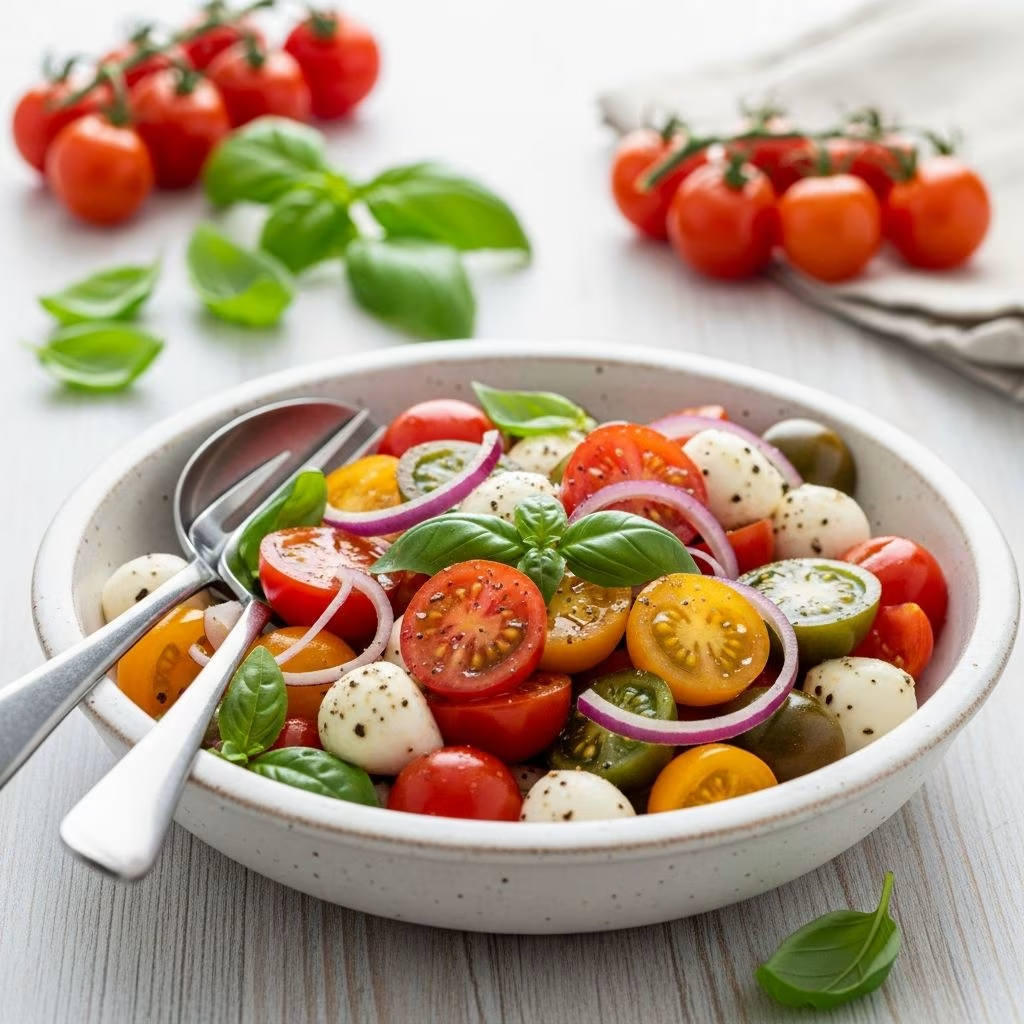
The variety of cherry tomato colors available—ranging from deep red to golden yellow to even purple—offers cooks the opportunity to create visually dynamic dishes. Beyond aesthetics, different colored varieties offer subtle flavor variations, with yellow varieties typically displaying a milder sweetness and red varieties providing more robust tomato character.
Core Components for Building the Perfect Salad
The Foundation: Quality Cherry Tomatoes
Selecting tomatoes represents the first critical decision in salad preparation. Choose tomatoes that feel firm yet yield slightly to gentle pressure, indicating ripeness without mushiness. Avoid refrigerated tomatoes when possible, as cold temperatures diminish their flavor compounds. The ideal preparation involves halving each tomato lengthwise, which exposes the interior flesh and seeds, enabling the fruits to shed moisture and absorb surrounding flavors more effectively than if left whole.
Flavor Enhancers and Aromatics
Beyond tomatoes, several supporting ingredients elevate a simple salad into a sophisticated dish:
- Fresh garlic: Minced or thinly sliced raw garlic provides pungent bite that intensifies as it sits in the acidic dressing
- Premium olive oil: Extra virgin varieties contribute fruity, complex notes that become more pronounced in uncooked preparations
- Acidic components: Citrus juices (lemon or lime) and vinegars (balsamic or red wine) balance sweetness and create brightness
- Fresh herbs: Parsley, basil, and cilantro add aromatic qualities and visual interest
- Olives: Briny varieties like Kalamata provide umami depth and textural contrast
- Aromatics: Minced shallots add subtle onion flavor without overwhelming rawness
Two Primary Flavor Approaches
Mediterranean-Style Marinade
This preparation method emphasizes bright citrus and herbal notes. Combine halved cherry tomatoes with pitted olives, fresh flat-leaf parsley, and minced garlic in a large mixing bowl. Season generously with kosher salt and freshly ground black pepper, then add the zest and juice of fresh lime or lemon. Pour a generous quantity of high-quality extra virgin olive oil over the mixture and toss thoroughly to distribute ingredients evenly. The salad benefits from resting for 10 to 15 minutes, during which the tomatoes release their juices, creating a light marinade that melds all flavors together.
Vinaigrette-Based Preparation
For those preferring a more structured dressing, preparing a separate vinaigrette offers greater control over flavor balance. In a small glass jar, combine extra virgin olive oil with balsamic vinegar in roughly equal proportions, adding minced garlic, a small amount of Dijon mustard, a touch of honey for balance, dried herbs (basil and oregano work well), and a pinch of crushed red pepper for subtle heat. Seal the jar and shake vigorously until the mixture emulsifies. Pour this dressing over halved cherry tomatoes combined with minced shallots and fresh parsley, allowing the flavors to develop over several hours or overnight in the refrigerator.
Flavor Modification and Personalization Strategies
| Ingredient Swap | Original Component | Substitution Option | Flavor Impact |
|---|---|---|---|
| Citrus Variety | Lime juice and zest | Lemon juice and zest | Slightly brighter, more floral notes |
| Herb Selection | Flat-leaf parsley | Fresh basil or cilantro | Basil adds sweetness; cilantro introduces earthiness |
| Tomato Variety | Red cherry tomatoes | Grape tomatoes or heirloom varieties | Slight variations in sweetness and texture |
| Protein Addition | Olives only | Fresh mozzarella balls or feta cheese | Creamy element that mellows acidity |
| Heat Element | Aleppo pepper | Crushed red pepper flakes | More pronounced heat with sharper flavor |
Advanced Variations and Complementary Recipes
Caprese-Inspired Variation
Elevate your salad by incorporating fresh mozzarella elements. Combine equal quantities of halved red and yellow cherry tomatoes with cubed or balled fresh mozzarella. Rather than a simple oil and vinegar dressing, prepare a basil vinaigrette by whisking together olive oil, vinegar, fresh basil leaves, garlic, and seasonings. This variation transforms the dish into a more substantial side course suitable for grilled protein accompaniment.
Vegetable-Enhanced Combinations
While cherry tomatoes shine as the primary ingredient, thoughtful additions create textural complexity. Thin cucumber slices provide refreshing crunch, while minced red onion contributes sharp bite. Diced bell peppers add sweetness and color variation. When incorporating additional vegetables, maintain the ratio of tomatoes to other components at roughly 3:1 to ensure tomatoes remain the star ingredient.
Protein-Inclusive Options
Transform the salad into a more substantial meal by incorporating grilled chicken strips, white beans, or crispy chickpeas. These additions create a satisfying lunch or light dinner option while maintaining the salad’s fresh character.
Preparation Techniques and Timing Considerations
Immediate Consumption
When serving within 30 minutes of preparation, combine all ingredients including dressing immediately before serving to preserve textural contrast between fresh herbs and tomato flesh. The salad will be bright and crisp with minimal juice accumulation.
Make-Ahead Strategy
For optimal flavor development, prepare the salad 4 to 6 hours in advance or even overnight. The extended marinating time allows flavors to deepen considerably as the tomatoes absorb the dressing and release additional juices. This approach works particularly well for entertaining, as the dish becomes more flavorful as time progresses.
Juice Preservation Technique
If excess liquid accumulation concerns you, halve the tomatoes shortly before serving and drain them in a colander for 15 minutes before combining with other ingredients. This removes some moisture while preserving flavor.
Serving and Presentation Suggestions
Present the salad in a shallow bowl or on a platter to showcase the colorful tomatoes and herbs. Drizzle any accumulated juices over the top as a finishing element. For entertaining, serve alongside crispy bread for soaking up the flavorful liquid at the bottom of the bowl—this practice prevents waste while adding textural interest.
The salad pairs beautifully with grilled proteins, particularly grilled steak, chicken, or fish. It also complements warm-weather pasta dishes and works as a fresh accompaniment to Mediterranean-inspired grain bowls.
Ingredient Quality and Selection Guidelines
Olive Oil Considerations
Since olive oil serves as a primary flavor component in an uncooked preparation, investing in quality extra virgin oil noticeably impacts the final result. First cold-pressed oils offer superior flavor compared to refined varieties. Freshness matters significantly—bottles should display a harvest date, with oils from the previous year generally preferred over older inventory.
Salt Selection
Kosher salt dissolves evenly throughout the salad without leaving gritty deposits. Table salt tends to concentrate in clumps and can create unpleasant bursts of saltiness. Sea salt represents another excellent option, offering subtle mineral notes that enhance overall complexity.
Herb Freshness
Wilted or bruised herbs negatively impact the final dish. Select herbs with vibrant color and firm stems, storing them in water like flowers to maintain freshness until use. Wash and dry herbs thoroughly before chopping to prevent moisture from accelerating deterioration.
Storage and Shelf Life
Properly prepared cherry tomato salad maintains quality for 2 to 3 days when stored in an airtight container in the refrigerator. The salad becomes increasingly flavorful on day two as marinading continues. However, after day three, the tomatoes begin to soften excessively and the salad loses its appealing texture. Fresh herbs gradually diminish in vibrancy over time, so consider adding a fresh herb garnish shortly before serving if preparing the salad significantly in advance.
Frequently Asked Questions
Can I use regular tomatoes instead of cherry varieties?
While possible, larger tomatoes produce a considerably more watery salad due to their higher water content and lower sugar concentration. If using full-sized tomatoes, dice them into small pieces and consider draining excess liquid before combining with dressing.
How can I prevent my salad from becoming too watery?
Select very ripe but firm tomatoes, halve them no earlier than 30 minutes before serving (unless making ahead for extended marinating), and consider draining them briefly in a colander. Using less dressing proportionally and ensuring your salt distribution is even also prevents excess moisture accumulation.
Can I make this salad vegetarian or vegan?
The basic recipe is naturally vegetarian and vegan when using plant-based ingredients. Ensure all added components—such as cheese or dressings—align with your dietary preferences.
What’s the best way to store leftover salad?
Transfer to an airtight container and refrigerate for up to 3 days. If the salad has accumulated significant liquid, drain some before storage to maintain texture. Add fresh herbs as a garnish when serving leftovers to refresh the appearance.
References
- Cherry Tomato Salad — The Mediterranean Dish. 2024. https://www.themediterraneandish.com/cherry-tomato-salad/
- Simple Cherry Tomato Salad — For the Love of Cooking. 2024. https://fortheloveofcooking.net/recipe/simple-cherry-tomato-salad
- Cherry Tomato Salad (One Bowl) — One Pot Recipes. 2024. https://onepotrecipes.com/cherry-tomato-salad-recipe/
- Cherry Tomato Caprese Salad — Kalyn’s Kitchen. 2024. https://kalynskitchen.com/cherry-tomato-caprese-salad/
- Cherry Tomato Salad — The Modern Proper. 2024. https://themodernproper.com/cherry-tomato-salad