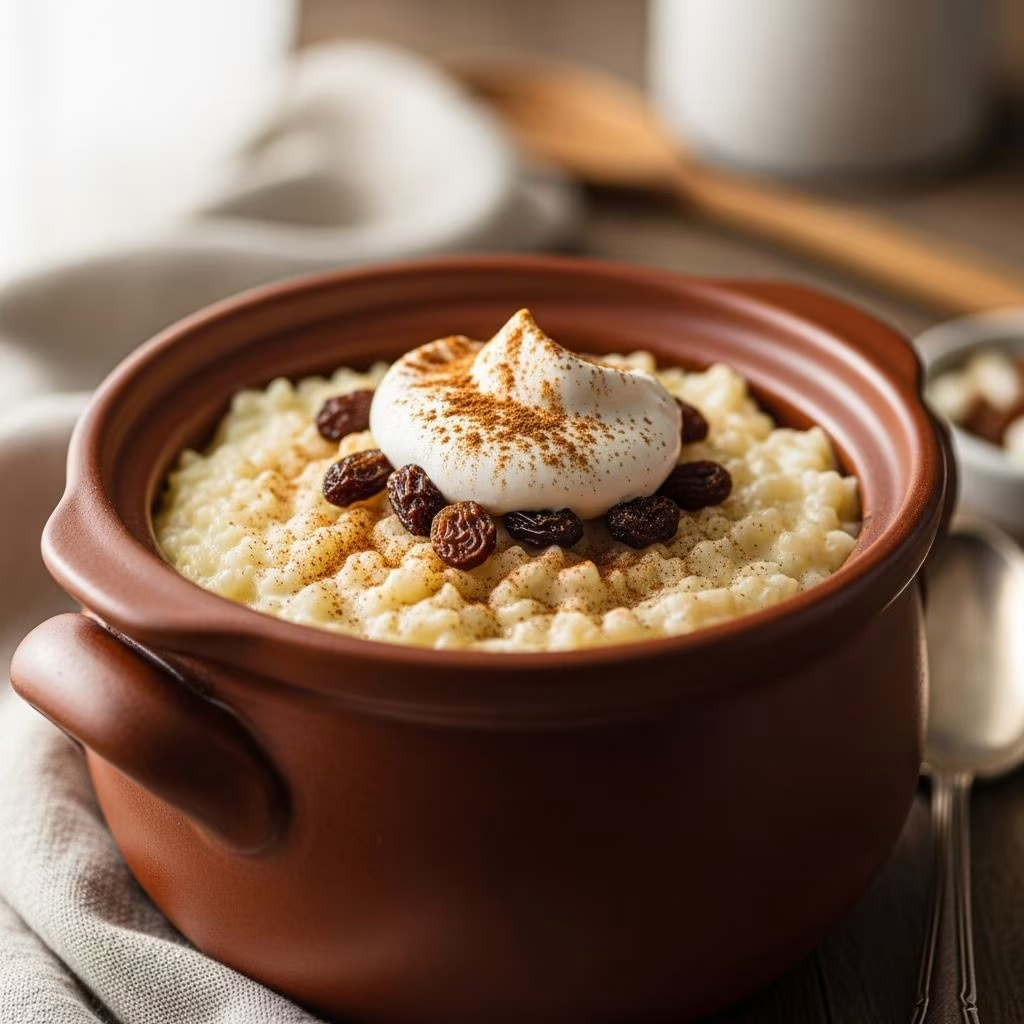
Rice pudding represents one of the most beloved comfort desserts across many cultures, offering a warm, satisfying treat that feels both indulgent and nostalgic. When prepared in a slow cooker, this traditional dessert becomes even more accessible to home cooks of all skill levels. The slow cooker method eliminates the need for constant monitoring and stovetop attention, allowing the gentle heat to transform basic pantry ingredients into a luxuriously creamy finale to any meal.
Understanding the Appeal of Slow Cooker Rice Pudding
The beauty of preparing rice pudding in a slow cooker lies in its simplicity and reliability. Unlike stovetop preparations that demand careful temperature control and frequent stirring, the slow cooker creates an ideal environment for even heat distribution. This cooking method produces a naturally creamy texture as the rice gradually absorbs the liquid, creating a custard-like consistency without requiring eggs or additional thickening agents in many recipes.
Beyond convenience, slow cooker rice pudding offers practical advantages for meal planning. You can prepare ingredients in the morning, set the cooker, and return hours later to a finished dessert. This make-ahead capability makes it perfect for dinner parties, holiday gatherings, or busy weeknights when time for cooking is limited.
Essential Ingredients and Their Roles
Creating authentic slow cooker rice pudding requires understanding how each ingredient contributes to the final product:
Rice Selection
The type of rice you choose significantly impacts the texture and cooking time of your pudding. Long-grain white rice produces a lighter, more delicate pudding with grains that remain somewhat distinct. Alternatively, arborio rice—the same variety used in risotto—creates a creamier consistency as its starches naturally release during cooking, resulting in a luxuriously smooth texture. Instant rice offers the quickest cooking time, typically reducing total preparation to 3-4 hours on high heat. Medium-grain pudding rice, popular in British cuisine, provides another excellent option for achieving that signature creamy consistency.
Dairy Components
Whole milk serves as the foundation for most rice pudding recipes, providing the necessary liquid for rice absorption and creating the characteristic smooth texture. For those preferring a richer pudding, substituting a portion of milk with heavy cream enhances both the texture and flavor profile. Some recipes incorporate a small amount of cream cheese, which adds depth and helps achieve a more custard-like consistency. The choice between whole milk and 2% milk is important; skim milk contains insufficient fat content and produces a watery, less satisfying result.
Sweetening Options
Granulated sugar remains the most common sweetening ingredient, dissolving easily into the liquid and providing clean sweetness. Brown sugar offers an alternative or complementary addition, introducing subtle caramel notes and greater complexity to the flavor profile. Many recipes combine both varieties to balance brightness with depth. The total sugar content typically ranges from ½ to ¾ cup per six cups of milk, though personal preference should guide final adjustments.
Flavor Foundations
Cinnamon appears in virtually every traditional rice pudding recipe, delivering warmth and subtle spice that enhances rather than overpowers the dish. A whole cinnamon stick placed directly in the pudding during cooking infuses gradual flavor, while ground cinnamon sprinkled on top before serving provides immediate aromatic impact. Vanilla extract rounds out the flavor profile, adding subtle sweetness and depth. Using pure vanilla extract rather than imitation versions produces noticeably superior results.
Textural Enhancement
Butter dotted across the top of the mixture before cooking enriches the pudding and contributes to its creamy texture. Typically, 2-3 tablespoons per batch proves sufficient. Some recipes incorporate raisins, nuts, or dried fruit, adding textural contrast and bursts of flavor throughout the pudding.
Ingredient Comparison Table
| Ingredient Category | Primary Option | Alternative Option | Impact on Result |
|---|---|---|---|
| Rice Type | Long-grain white | Arborio or pudding rice | Lighter texture vs. creamier consistency |
| Liquid Base | Whole milk (4-6 cups) | Milk + cream combination | Standard creaminess vs. enhanced richness |
| Sweetener | Granulated sugar (½-¾ cup) | Brown sugar or combination | Clean sweetness vs. caramel depth |
| Spice | Cinnamon stick + vanilla | Ground cinnamon alternative | Subtle infusion vs. pronounced flavor |
| Fat Enhancement | Unsalted butter (2-3 tbsp) | None or cream cheese | Standard richness vs. custard-like texture |
Step-by-Step Preparation Process
Preparation Stage
Begin by rinsing uncooked rice under cold running water until the water runs clear. This crucial step removes excess starch, preventing the pudding from becoming overly thick or gluey. Pat the rice dry with a clean kitchen towel if time permits, though this step remains optional.
Prepare your slow cooker by lightly coating the interior with butter or non-stick cooking spray. This prevents sticking and ensures easy cleanup. A 4-quart slow cooker accommodates most standard recipes, yielding 6-8 servings depending on portion size.
Assembly
Combine all ingredients except raisins and finishing toppings directly in the slow cooker. Add milk, rinsed rice, sugar, salt if desired, vanilla extract, and the cinnamon stick. Stir the mixture thoroughly to ensure sugar dissolves completely and all components combine evenly. Position the butter pieces across the top of the mixture without stirring them in, allowing them to melt gradually throughout the cooking process.
Cooking Phase
Most recipes recommend cooking on the high setting for 2.5 to 3 hours or on low heat for 3 to 4 hours. High heat produces faster results, while low heat offers gentler cooking and may reduce the risk of scorching along the cooker’s sides. Stirring halfway through cooking helps distribute heat evenly and prevents sticking. The pudding reaches completion when the rice becomes completely tender and the mixture achieves a creamy consistency.
Cooking duration varies based on individual slow cooker models and characteristics. Some cookers run hotter than others, so monitoring the pudding during the first ten minutes helps establish whether your cooker maintains a light simmer without vigorous boiling.
Finishing Touches
Once the rice reaches desired tenderness, remove the cinnamon stick. Stir in any reserved raisins or other mix-ins at this point, allowing them to warm through. Allow the pudding to cool slightly before serving, as it will continue thickening as temperature decreases. If the consistency seems too thin, waiting 30 minutes yields noticeable thickening without additional cooking. Conversely, if the pudding appears too thick, whisking in additional milk adjusts the texture to preference.
Texture and Consistency Optimization
Achieving the ideal texture requires understanding how several factors influence the final result. The rice variety affects how much starch releases into the liquid, with arborio and pudding rice producing noticeably creamier puddings than long-grain varieties. The milk-to-rice ratio determines consistency, with higher milk amounts yielding pourable pudding and reduced liquid creating thicker, spoon-resistant results.
Cooking time also impacts texture. At the three-hour mark on high heat, the rice should be tender but the mixture may still appear somewhat loose. Extending cooking to the full duration allows continued liquid absorption, producing thicker consistency. Those preferring pourable pudding can stop at the earlier time, while those wanting thicker results should use the full duration.
Customization and Flavor Variations
Spice and Aromatics
While cinnamon and vanilla represent traditional flavoring, numerous variations create interesting alternatives. Nutmeg contributes warm spice notes, cardamom introduces exotic complexity, and allspice offers a unique blend of warming spices. Some cooks add a bay leaf during cooking, imparting subtle herbal undertones. Others prefer more pronounced vanilla flavor by increasing the extract or adding vanilla bean paste instead of liquid extract.
Fruit and Nut Additions
Beyond standard raisins, dried cranberries, chopped dried apricots, or dried cherries add tartness and textural contrast. Toasted nuts including almonds, pecans, or walnuts provide crunch and richness. Fresh fruit toppings like sliced fresh berries or poached pears create elegant presentations for special occasions.
Richness Enhancements
For maximum indulgence, substitute a portion of milk with heavy cream, producing a luxuriously thick pudding. Some recipes incorporate a small amount of cream cheese, contributing tanginess and custard-like texture. A splash of rum, brandy, or liqueur adds sophisticated depth for adult gatherings.
Common Questions and Solutions
What if my pudding seems too watery after cooking?
Allow it to cool for 30 minutes, during which continued starch absorption naturally thickens the mixture. If additional thickening is desired, stirring in a tablespoon of cornstarch mixed with cold milk and returning to high heat for 15 minutes creates further thickening.
Can I prepare rice pudding ahead of time?
Yes, rice pudding stores well in the refrigerator for up to five days in an airtight container. Reheat gently on the stovetop or in the microwave, adding a splash of milk to restore creamy consistency if needed.
My pudding developed a skin on top—is this normal?
Yes, this naturally occurs as the pudding cools. Simply stir it back in or remove it if you prefer. Placing plastic wrap directly on the pudding’s surface during storage prevents skin formation.
Why does cooking time vary between recipes?
Slow cooker models vary in actual temperature delivery despite similar settings. Some run consistently hotter or cooler than others. Instant rice recipes require less time than those using traditional rice varieties due to the instant rice’s pre-treatment during manufacturing.
Is it necessary to rinse the rice?
Rinsing removes surface starch, preventing excessive thickening and ensuring better texture distribution. This step is particularly important for long-grain rice varieties but proves less critical with instant rice, which has already been processed.
Serving and Storage Recommendations
Rice pudding serves well as both a warm dessert immediately after cooking or as a chilled treat after refrigeration. Warm pudding offers comfort and highlights spice flavors, while cold pudding provides refreshing contrast. Pair servings with fresh fruit, a drizzle of honey, or a sprinkle of toasted nuts for enhanced presentation.
Store leftover pudding in glass containers in the refrigerator for maximum freshness up to five days. Freezing is possible but affects texture slightly upon thawing; frozen pudding maintains quality for approximately two months. When reheating, add a small amount of milk to restore creaminess, as the pudding naturally thickens during storage.
Why Slow Cooker Rice Pudding Works
The slow cooker method succeeds because it perfectly mirrors traditional stovetop preparation while eliminating constant attention. The gentle, even heat allows gradual rice hydration and starch release, creating naturally creamy texture without excessive stirring or scorching. Once ingredients combine and the lid closes, the cooker handles all remaining work, making this an exceptionally reliable dessert for cooks seeking foolproof results without advanced technique.
References
- Slow Cooker Rice Pudding — Slow Cooking Perfected. Accessed April 2026. https://slowcookingperfected.com/slow-cooker-rice-pudding/
- Slow Cooker Rice Pudding — Dishing Delish. Accessed April 2026. https://www.dishingdelish.com/slow-cooker-rice-pudding/
- Slow Cooker Rice Pudding — Shaken Together. Accessed April 2026. https://www.shakentogetherlife.com/slow-cooker-rice-pudding/
- Crockpot Rice Pudding — Baked Bree. Accessed April 2026. https://bakedbree.com/crockpot-rice-pudding
- Best Slow Cooker Rice Pudding | No-Fail — Eating on a Dime. Accessed April 2026. https://www.eatingonadime.com/slow-cooker-rice-pudding/
- Crock Pot Rice Pudding — The Country Cook. Accessed April 2026. https://www.thecountrycook.net/crock-pot-rice-pudding/