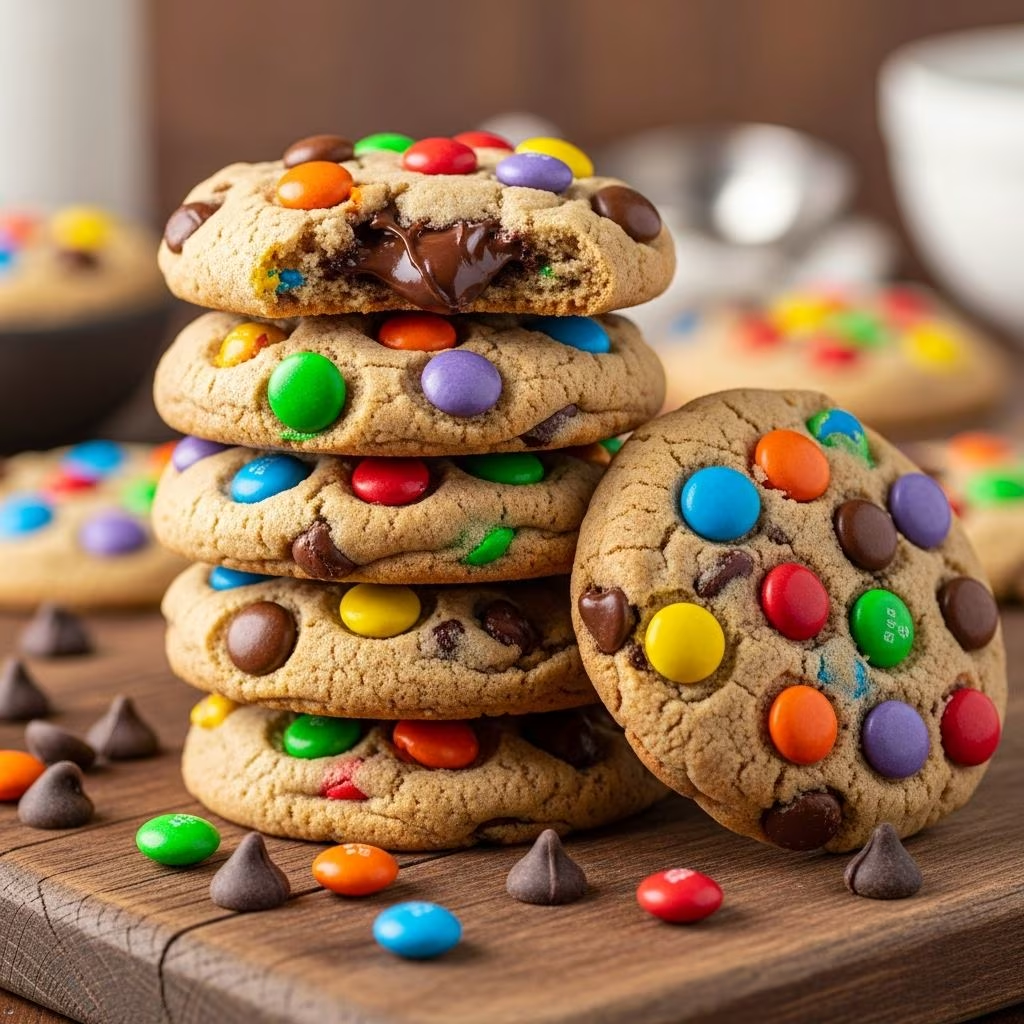
Baking cookies with colorful candy pieces has become a cherished tradition in many households. These treats combine the simplicity of classic cookie recipes with the playful appeal of rainbow-colored confections, creating a dessert that appeals to both children and adults. The combination of soft, buttery dough with crunchy candy shells offers a delightful textural contrast that keeps people reaching for more.
This comprehensive guide will walk you through everything you need to know about creating these festive cookies, from selecting your ingredients to mastering the baking process. Whether you’re a seasoned baker or someone attempting to bake cookies for the first time, this recipe provides clear direction and practical advice for achieving consistent, delicious results.
Understanding the Essential Ingredients
The foundation of any successful cookie recipe begins with quality ingredients. Each component plays a specific role in determining the final texture, flavor, and appearance of your baked goods. Understanding how these ingredients work together will help you make informed decisions and even adapt the recipe to your preferences.
The Base Fats and Sweeteners
Shortening serves as the primary fat in this recipe, providing a tender crumb structure and contributing to the cookie’s texture. Some bakers prefer using butter as an alternative, which imparts a richer flavor profile, though it requires refrigeration of the dough to prevent excessive spreading. The combination of packed brown sugar and granulated white sugar creates a balanced sweetness while the brown sugar adds moisture and a subtle molasses note that enhances complexity.
Binding Agents and Flavoring
Eggs act as the binding agent that holds all ingredients together, while also contributing moisture to the dough. Vanilla extract provides aromatic flavor that complements both the buttery base and the candy additions. The proportion of vanilla to other ingredients ensures a subtle background flavor rather than an overpowering presence.
Structural Components
All-purpose flour forms the structural backbone of the cookies, determining their crumb structure and overall stability. Baking soda functions as a leavening agent, creating lift during baking and contributing to the cookies’ rise. Salt enhances all the flavors present in the dough while balancing the sweetness of the sugar components.
Ingredient Measurements and Proportions
| Ingredient | Quantity | Purpose |
|---|---|---|
| Packed Brown Sugar | 1 cup | Moisture and molasses flavor |
| Granulated White Sugar | 1/2 cup | Sweetness and crystalline texture |
| Shortening | 1 cup | Fat for tenderness and structure |
| Eggs | 2 large | Binding and moisture |
| Vanilla Extract | 1 1/2 teaspoons | Aromatic flavoring |
| All-Purpose Flour | 2 1/2 cups | Structure and body |
| Baking Soda | 1 teaspoon | Leavening agent |
| Salt | 1 teaspoon | Flavor enhancement |
| Candy-Coated Chocolate Pieces | 1 1/2 cups | Flavor and visual appeal |
Step-by-Step Preparation Instructions
Preparing Your Workspace and Equipment
Before beginning the baking process, gather all ingredients and measure them accurately. Having everything prepared in advance, known as mise en place, streamlines the baking process and reduces the likelihood of errors. Ensure your mixing bowls are clean and dry, and that you have an electric mixer available for properly combining the ingredients.
Creaming the Fat and Sugars
Begin by combining the shortening, packed brown sugar, and granulated white sugar in a large mixing bowl. Using an electric mixer set to medium speed, beat these ingredients together for approximately two minutes. This creaming process incorporates air into the mixture, creating a lighter, fluffier texture in the finished cookies. The mixture should appear pale and fluffy rather than dense and compact.
Incorporating Wet Ingredients
Add the eggs one at a time to the creamed mixture, beating well after each addition. Pour in the vanilla extract and continue mixing until everything is thoroughly combined. Scrape down the sides of the bowl periodically to ensure all ingredients are evenly distributed. The mixture should appear smooth and well-blended at this stage.
Combining Dry Ingredients
In a separate bowl, whisk together the all-purpose flour, baking soda, and salt. This pre-mixing of dry ingredients ensures even distribution of the leavening agent throughout the dough, preventing pockets of overly-risen or underbaked cookie. Gradually add this dry mixture to the wet ingredients while mixing on low speed to avoid over-working the dough.
Adding the Candy Element
Once the dry ingredients are fully incorporated, fold in approximately three-quarters of the candy-coated chocolate pieces. Reserve the remaining pieces for topping the cookies before baking. Mixing should continue until the candies are evenly distributed throughout the dough, ensuring that each cookie will contain a similar number of candy pieces.
Shaping and Baking Techniques
Portioning the Dough
Using a teaspoon or small cookie scoop, drop rounded portions of dough onto ungreased cookie sheets. Space each dough ball approximately two inches apart to allow for expansion during baking. This spacing prevents cookies from merging together and ensures uniform baking throughout the batch.
Decorating with Candy Toppers
While the dough is still soft and pliable, gently press a few reserved candy pieces into the top of each dough mound. This decorative step not only makes the cookies visually appealing but also ensures that colorful candy remains visible on the finished product. Press gently enough to secure the candies without pushing them entirely into the dough.
Oven Temperature and Baking Time
Preheat your oven to 350 degrees Fahrenheit. Place the prepared cookie sheets into the preheated oven and bake for nine to eleven minutes, depending on your preference for cookie texture. Cookies baked for the shorter duration will have softer centers and chewier interiors, while those baked closer to eleven minutes will be firmer throughout. Monitor the edges of the cookies rather than the centers; when the edges appear lightly browned while the centers remain soft, remove the cookies from the oven.
Critical Baking Considerations
Avoid overbaking, as excessive heat will cause the candy pieces to lose their vibrant colors and the cookies to become too crispy. Rotate the cookie sheets halfway through the baking time to ensure even browning. Some ovens have hot spots, so rotation helps compensate for uneven heat distribution.
Cooling and Storage Information
Immediate Post-Baking Care
Allow cookies to cool on the baking sheet for several minutes before transferring them to a wire cooling rack. This brief resting period allows the cookies to set enough to be moved without breaking, while remaining soft enough to prevent them from becoming overly hard. Complete cooling on the wire rack ensures adequate air circulation underneath, preventing the bottoms from becoming soggy.
Long-Term Storage Methods
Once completely cooled, store cookies in an airtight container at room temperature. Properly stored cookies maintain their quality for up to one week. Placing a piece of bread in the container with the cookies helps maintain moisture and prevents them from becoming stale. Replace the bread as needed throughout the storage period.
For extended storage, cookies can be frozen in freezer-safe containers for up to three months. Thaw frozen cookies at room temperature for approximately one hour before serving.
Customization and Variation Options
Candy Selection Alternatives
While the traditional recipe calls for standard candy-coated chocolate pieces, various alternatives can create different flavor profiles. Using mini versions of the candies allows bakers to incorporate more pieces per cookie without overwhelming the dough. Peanut or peanut butter varieties of candy pieces introduce additional protein and flavor complexity. Chopping larger candy pieces before incorporation ensures more even distribution throughout the dough.
Dietary Modifications
Substituting butter for shortening creates a richer flavor, though it requires careful temperature management. Softened butter mixed thoroughly with sugars produces excellent results. For those seeking healthier alternatives, reducing sugar quantities slightly while maintaining the candy pieces preserves visual appeal while decreasing overall sweetness. Some bakers experiment with alternative flours, though this requires adjustment to liquid components.
Troubleshooting Common Baking Challenges
Issues with Cookie Spread
If cookies spread too much during baking, the dough likely needed refrigeration before baking. Chilling dough for thirty minutes to two hours helps solidify the fat, preventing excessive spreading. Additionally, ensure your oven temperature is accurate by using an oven thermometer. Ovens that run hot will cause rapid melting of the dough.
Texture Consistency Problems
Overly hard cookies result from either overbaking or insufficient fat in the dough. Following recipe proportions carefully prevents this issue. Underbaked cookies that remain too soft may indicate oven temperature running cool. Conversely, cookies that don’t rise adequately might have stale baking soda or insufficient mixing of the creaming ingredients.
Candy Appearance Degradation
When candy pieces lose color or become discolored during baking, excessive heat exposure is typically responsible. Lower oven temperatures or shorter baking times preserve candy vibrancy. Pressing candies into the dough rather than fully mixing them into the batter helps protect their appearance.
Frequently Asked Questions
How many cookies does this recipe produce?
Following standard portioning guidelines, this recipe yields five to six dozen cookies, depending on the size of each portion and how tightly the cookies rise during baking.
Can I prepare the dough in advance?
Yes, cookie dough can be prepared and refrigerated for up to five days before baking. This advance preparation allows bakers to bake fresh cookies on demand throughout the week.
What’s the difference between shortening and butter in this recipe?
Shortening produces tender cookies with a fine crumb, while butter creates a richer flavor and slightly crisper texture. Both produce acceptable results, though they require different handling techniques.
Why do some of my candies lose their color?
Candy color fading typically occurs from prolonged heat exposure. Use the shorter baking time and ensure your oven temperature is accurate to preserve candy appearance.
Can I use other candy varieties?
Absolutely. Experiment with different candy-coated chocolate products, but chop larger varieties into smaller pieces for better distribution and more even results.
Baking Science Explained
Understanding the chemistry behind cookie baking enhances your ability to troubleshoot issues and adapt recipes successfully. The creaming process incorporates air into the fat-sugar mixture, which expands during baking, creating lift in the finished cookies. Eggs provide structure through their protein content, while also contributing moisture that creates chewy texture. Baking soda reacts with acidic components in the dough, creating carbon dioxide gas that helps cookies rise. The moisture in brown sugar contributes to a chewier final product compared to cookies made with only white sugar.
Conclusion and Final Tips
Creating delicious candy-studded cookies requires attention to ingredient proportions, proper mixing technique, and careful monitoring during baking. Starting with quality ingredients and following these guidelines will yield consistently excellent results. Don’t hesitate to experiment with different candy varieties or slight modifications once you’ve mastered the basic recipe. The combination of soft dough and colorful candy pieces creates a treat that brings joy to bakers and those enjoying the finished product alike.
References
- Allrecipes Recipe Database — Meredith Corporation. 2024. https://www.allrecipes.com/recipe/10785/robbis-mms-cookies/
- Sally’s Baking Addiction: Soft-Baked M&M Cookies — Sally McKenney. 2024. https://sallysbakingaddiction.com/rainbow-mm-cookies/
- The Science of Baking: Understanding Chemical Leavening — American Institute of Baking. 2023. https://www.aibonline.org/