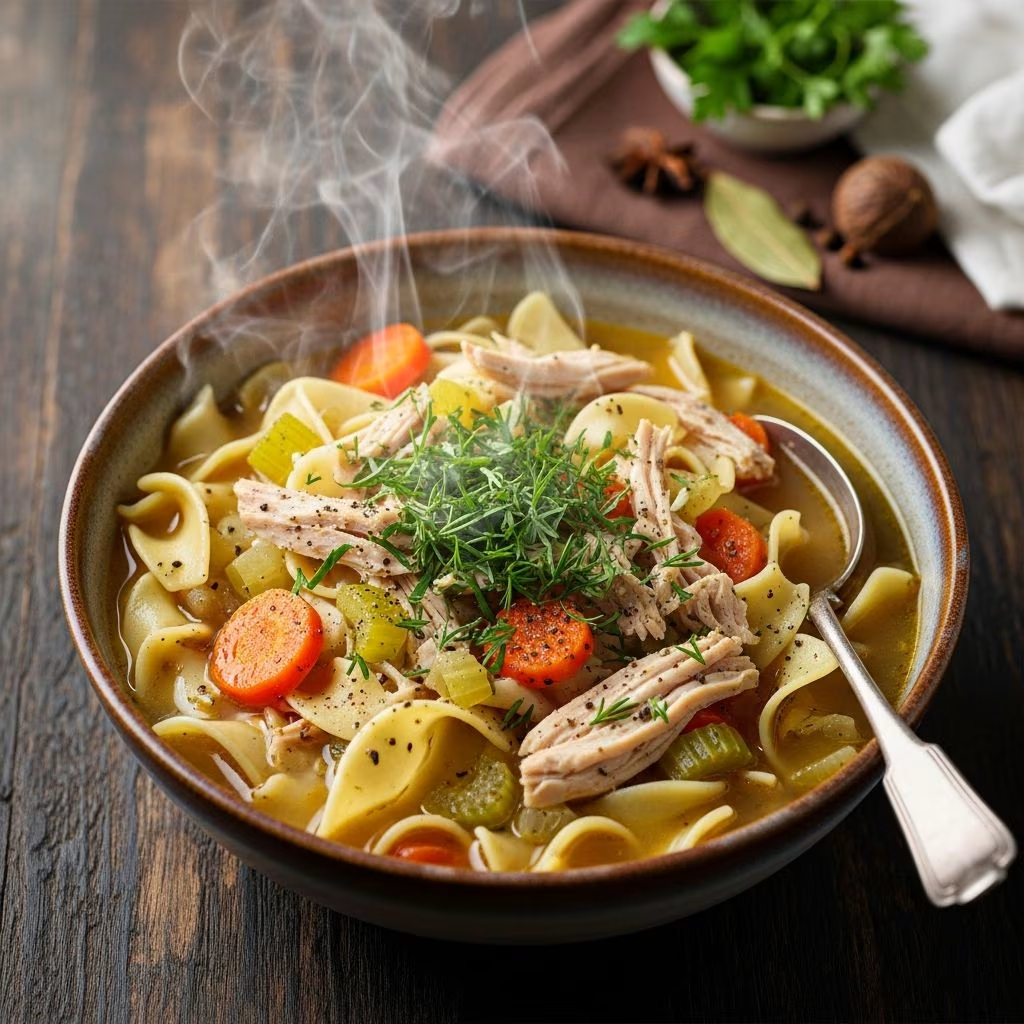
When you’re searching for a meal that delivers robust flavors without requiring hours of active cooking, this slow cooker creation stands out as an exceptional choice. The beauty of this dish lies in its ability to transform basic ingredients into something genuinely memorable. By combining classic Mississippi-style elements with noodles in a broth-based format, you get a warming dish that feels both comforting and satisfying.
Understanding the Mississippi Flavor Profile
The Mississippi-style cooking tradition emphasizes bold, savory elements that create depth without complexity. This approach typically incorporates tangy components, rich seasonings, and a touch of heat. When translated into a soup format, these elements work together to create layers of flavor that develop as the dish simmers throughout the day.
The key to achieving this distinctive taste involves strategic use of seasoning packets and pickled peppers. The pepperoncini peppers provide a crucial acidic note that brightens the overall flavor profile, while the Au Jus and ranch seasonings establish a savory foundation. This combination creates a broth that tastes intentional and well-developed rather than one-dimensional.
Gathering Your Essential Ingredients
This recipe’s greatest strength is its minimal ingredient list, which means you likely have most components already in your pantry or freezer:
- Chicken (either boneless, skinless breasts or thighs work effectively)
- Ranch seasoning mix packet
- Au Jus gravy mix packet
- Fresh vegetables (celery and carrots)
- Quality chicken broth
- Jarred pepperoncini peppers and their liquid
- Egg noodles (medium or wide)
- Optional: butter for enhanced richness
Each ingredient serves a specific purpose in building the final dish. The seasoning packets create the characteristic Mississippi flavor without requiring you to measure multiple individual spices. The vegetables add texture and nutritional value, while the peppers contribute both visual interest and flavor complexity.
Preparation Techniques and Best Practices
The preparation phase requires minimal effort, which is one of this recipe’s primary advantages. Begin by placing your chicken pieces directly into your slow cooker—there’s no need for browning or pre-cooking. This straightforward approach reduces both prep time and cleanup demands.
When adding your vegetables, cutting them into uniform pieces ensures they cook evenly. This consistency matters more than achieving perfection; aim for roughly diced celery and carrots rather than finely minced versions. Larger pieces also provide better texture in the finished soup.
The pepperoncini peppers deserve special attention. Rather than simply draining them, include both the peppers and a measured amount of their brine. This liquid carries important flavor compounds and acidity that define the dish. Start with the recommended amount and adjust based on your heat tolerance preference.
The Slow Cooking Process Explained
Once all components are combined in your slow cooker, the cooking process becomes completely hands-off. Set the temperature to LOW and allow the mixture to cook for approximately 6 to 8 hours. This extended cooking time allows the chicken to become exceptionally tender while the seasonings permeate the broth.
During the initial cooking phase, you shouldn’t add the noodles. This separation is crucial because egg noodles would become mushy if exposed to 6+ hours of cooking. Instead, save them for the final stage when you have better control over texture.
When the chicken reaches complete tenderness (it should shred easily with two forks), carefully remove the pieces from the slow cooker. Allow them to cool slightly before shredding, which makes handling easier. Return the shredded chicken to the cooking liquid, stirring gently to distribute it throughout.
Adding Noodles and Achieving Perfect Texture
After returning the shredded chicken to the pot, add your uncooked egg noodles directly to the simmering broth. At this point, increase the slow cooker temperature to HIGH and cook for approximately 15 to 30 minutes. This timing allows the noodles to absorb the flavorful broth while remaining tender rather than mushy.
The duration depends on several factors including your slow cooker’s specific heating characteristics, the type and thickness of noodles used, and how firm you prefer the finished texture. Start checking around the 15-minute mark and taste a noodle to determine doneness. Remember that residual heat will continue softening noodles after you turn off the cooker, so slightly firm noodles at the completion of cooking time result in perfectly tender noodles after serving.
The starch released from the noodles naturally thickens the broth, creating a heartier, more cohesive soup. This transformation happens gradually as the noodles cook, resulting in a rich, gravy-like liquid that coats each ingredient.
Ingredient Variations and Substitutions
While the classic recipe works wonderfully as written, several variations allow you to customize the dish based on preferences or ingredient availability:
| Component | Original Option | Alternative Choice | Consideration |
|---|---|---|---|
| Chicken Type | Boneless, skinless breasts | Chicken thighs or rotisserie chicken | Thighs provide more flavor; rotisserie requires reduced cooking time |
| Broth Base | Traditional chicken broth | Better than Bouillon or homemade broth | Quality broth impacts final flavor significantly |
| Noodles | Egg noodles | Rotini, penne, or egg noodles | Different shapes offer varied mouthfeel |
| Heat Level | Standard pepperoncini | Hot sauce addition or jalapeños | Adjust gradually to reach desired spice level |
Using rotisserie chicken significantly reduces cooking time. If you choose this route, you can reduce the initial LOW cooking phase to 2-3 hours, then add the shredded rotisserie meat along with the noodles during the final cooking stage. This adaptation makes the recipe viable for situations where you need dinner ready more quickly.
Stovetop Preparation Alternative
While the slow cooker version is convenient, you can prepare this soup using traditional stovetop methods. Combine all ingredients in a large Dutch oven and bring the mixture to a boil. Reduce heat and simmer until the chicken reaches complete doneness, typically 30 to 45 minutes depending on the size of your chicken pieces.
Once the chicken is cooked through, remove it and shred, then return it to the pot. Add your uncooked noodles and continue boiling until they reach desired tenderness, usually 8 to 12 minutes. This approach yields identical flavors while reducing the total cooking time considerably, making it suitable for weeknight meals when you can’t plan hours ahead.
Storage, Reheating, and Make-Ahead Strategies
This soup maintains quality when refrigerated in airtight containers for up to four days. The flavors actually develop further as the components continue to meld during storage. When you’re ready to enjoy leftovers, gently reheat on the stovetop over medium heat, stirring occasionally to ensure even warming.
The noodles absorb broth over time, potentially creating a thicker consistency than the freshly prepared version. To restore the desired broth consistency, add chicken broth gradually while reheating, tasting as you go to achieve your preferred balance.
Freezing is absolutely possible, though with a minor consideration. The noodles may become slightly softer upon thawing and reheating, but the soup remains delicious. Allow the soup to cool completely before transferring to freezer-safe containers, leaving some headspace for expansion. Frozen soup maintains quality for approximately two to three months.
Serving Recommendations and Presentation Ideas
This soup works beautifully as a standalone main course, particularly when served with crusty bread for dipping. The bread complements the flavorful broth and provides textural contrast to the tender noodles and chicken.
For a more elaborate presentation, consider offering fresh toppings that guests can customize to their preference:
- Fresh cracked black pepper
- Shredded cheddar or parmesan cheese
- Fresh herbs like parsley or chives
- Additional pepperoncini peppers for extra tang and heat
- Crispy fried onions for textural contrast
- A drizzle of quality olive oil
These additions allow diners to enhance the dish according to their preferences without requiring you to prepare multiple versions.
Frequently Asked Questions
- What slow cooker size works best for this recipe?
- A 6-quart slow cooker is ideal, though 5.5-quart or larger models work acceptably. Avoid smaller cookers as they may result in overcrowding and uneven cooking.
- Can I prepare this soup in advance?
- Yes, you can assemble all ingredients except noodles the evening before. Store in the refrigerator and add to your slow cooker in the morning. Add noodles during the final cooking stage as directed.
- Is this recipe suitable for dietary restrictions?
- The base recipe contains gluten from standard seasoning packets. Gluten-free versions require using certified gluten-free seasoning mixes or creating your own blends from individual spices.
- How do I adjust spice levels if I’m sensitive to heat?
- Start with half the recommended pepperoncini peppers and their juice, then taste before adding more. You can also strain the peppers but keep the juice for flavor without excessive heat.
- What’s the nutritional content per serving?
- A typical serving (approximately 1.5 cups) contains roughly 350-400 calories, with significant protein from the chicken and carbohydrates from the noodles. Sodium content is moderate to high due to seasoning packets.
Final Thoughts on Execution
This recipe represents an excellent option for home cooks seeking convenience without sacrificing flavor. The combination of minimal active preparation, hands-off cooking, and impressive results makes it ideal for busy weeknights, meal-planning scenarios, or situations where you want to enjoy homemade comfort food without extensive effort.
The Mississippi flavor profile appeals to a broad audience while remaining distinctive enough to feel special. The interplay between savory seasonings, tangy pepperoncini, and tender chicken creates something greater than the sum of its parts.
References
- Slow Cooker Food Safety Guidelines — U.S. Department of Agriculture Food Safety and Inspection Service. 2024. https://www.fsis.usda.gov/food-safety/safe-food-handling-and-preparation/food-safety-basics/safe-minimum-internal-temperature-chart
- Nutritional Guidelines for Poultry Consumption — National Institutes of Health, National Heart, Lung, and Blood Institute. 2023. https://www.nhlbi.nih.gov/health/educational/lose_wt/eat/poultry.htm
- Proper Food Storage and Freezing Techniques — U.S. Food and Drug Administration. 2024. https://www.fda.gov/food/food-storage/refrigeration-freezing