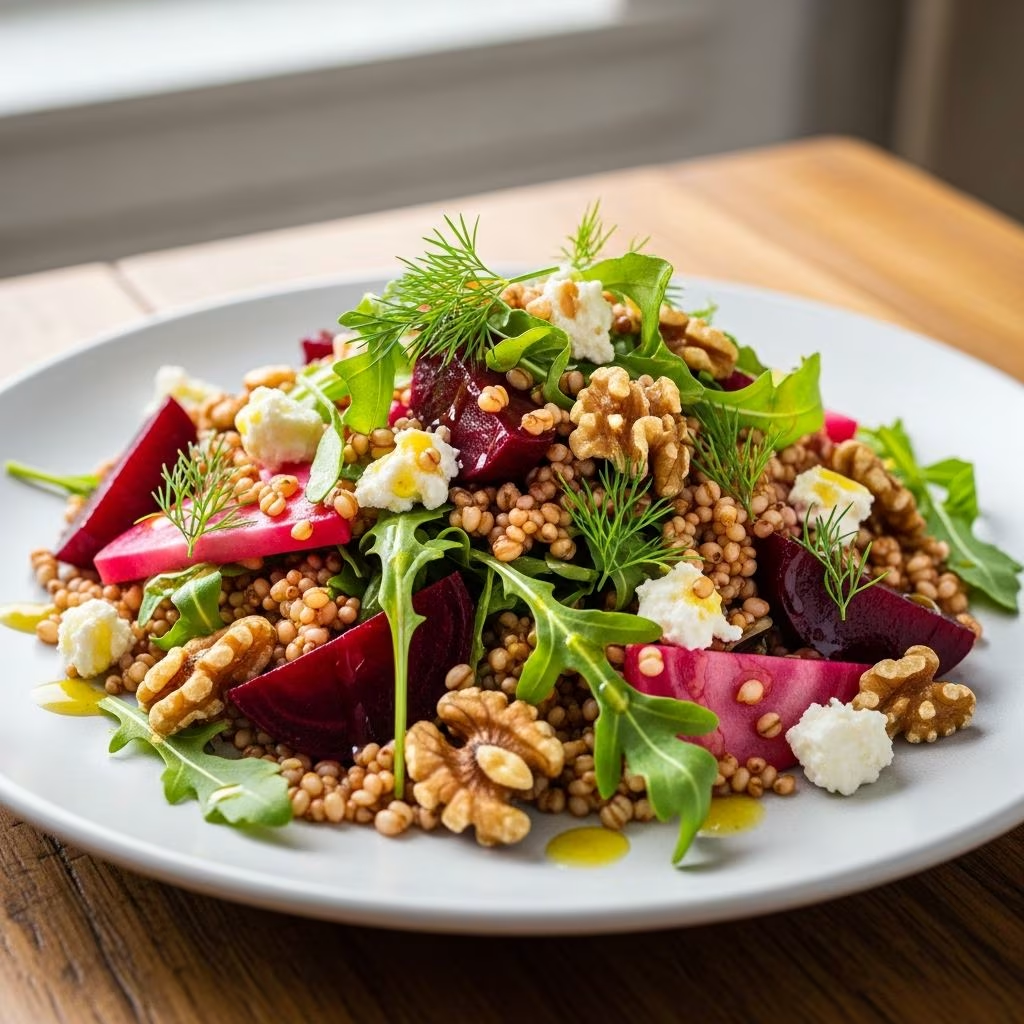
Sorghum, an ancient whole grain, has experienced a remarkable resurgence in contemporary cuisine, particularly among health-conscious cooks seeking nutritious alternatives to traditional grains. When paired with pickled beets, this humble grain transforms into a sophisticated dish that balances earthiness with bright acidity. This warm salad represents the intersection of nutritional value and culinary sophistication, offering both comfort and refinement on a single plate.
Understanding Sorghum as Your Foundation Ingredient
Sorghum stands as one of the world’s oldest cultivated grains, thriving in diverse climates and serving as a dietary staple across multiple continents. Unlike more commonly used grains, sorghum possesses a distinctive texture that remains pleasantly chewy even when fully cooked, creating an interesting mouthfeel that enhances the overall salad experience. This grain contains approximately 10 grams of protein per cooked cup, along with substantial amounts of dietary fiber, making it an excellent choice for those prioritizing plant-based nutrition. The subtle, slightly sweet flavor profile of cooked sorghum provides an ideal canvas for bold accompaniments like vinegar-based preparations and roasted vegetables.
The preparation of sorghum requires patience and attention to detail. The standard cooking ratio involves one part sorghum to three parts water, with the grain requiring approximately 50 to 60 minutes of simmering over medium-low heat to achieve optimal tenderness. Rinsing the grains before cooking removes surface dust and impurities, ensuring a cleaner final texture. For best results, bring the water and sorghum to a rapid boil initially, then reduce heat and maintain a gentle simmer with the pot covered until the grains absorb the liquid completely.
The Role of Pickled Beets in Your Salad Composition
Pickled beets contribute far more than visual appeal to this dish—they introduce acidic brightness and subtle complexity that elevates the entire composition. The pickling process preserves beets while infusing them with vinegar, spices, and aromatics that create layers of flavor unavailable in fresh or simply roasted preparations. This preparation method also offers practical advantages, as jarred pickled beets can be stored for extended periods, providing convenient access to quality ingredients year-round.
The natural sugars present in beets caramelize and concentrate through the cooking and pickling process, developing sweetness that contrasts beautifully with acidic elements. When incorporated into warm sorghum salads, pickled beets release their flavorful brine, seasoning the entire mixture while requiring minimal additional vinegar dressing. The jewel-toned color of beets creates visual drama on the plate, transforming a simple salad into a presentation-worthy dish suitable for both casual weeknight dinners and entertaining scenarios.
Essential Components and Flavor Building Blocks
A successful warm sorghum salad extends beyond its two namesake ingredients. The supporting cast of components creates textural variety and flavor harmony:
- Aromatics: Sliced scallions or green onions provide sharp onion flavor and visual interest through their green coloring. Minced garlic can deepen the savory profile, though it should be used judiciously to avoid overwhelming the delicate sorghum grain.
- Proteins: Crispy bacon adds smoky, salty richness that transforms the salad into a more substantial dish. Alternatively, toasted nuts like pecans or walnuts provide vegetarian protein alongside textural contrast.
- Fresh Herbs: Finely chopped parsley or cilantro brightens the overall composition, while heartier herbs like thyme can add earthy undertones.
- Supporting Vegetables: Diced cucumber provides cooling crispness, while halved cherry tomatoes contribute juiciness and additional color variation.
Crafting the Perfect Dressing Strategy
The dressing for this salad requires careful consideration, as the pickled beets already contribute vinegar and seasoning. A light approach prevents the salad from becoming oversalted or overly acidic. High-quality extra virgin olive oil serves as the foundation, its fruity undertones complementing both the grain and vegetables. A ratio of approximately three parts oil to one part acid—whether sherry vinegar, apple cider vinegar, or the brine from the pickled beets themselves—creates proper balance.
Some preparations benefit from the addition of Dijon mustard, which emulsifies the dressing while adding subtle complexity and depth. A single clove of minced garlic, combined with kosher salt and freshly cracked black pepper, rounds out the flavor profile. When dressing the warm salad, the heat of the freshly cooked sorghum helps the oil penetrate the grains, distributing flavor throughout the entire dish more effectively than would occur with a room-temperature base.
Temperature Considerations and Serving Options
The designation of this dish as a “warm” salad reflects a specific serving temperature that offers distinct advantages. Serving the salad while the sorghum retains residual warmth allows the grains to absorb surrounding flavors more readily than they would at room temperature. This absorption enhances the overall taste experience, as each grain becomes infused with the dressing and beet brine. Additionally, the warmth activates aromatic compounds in fresh herbs and aromatics, making them more fragrant and flavorful.
However, this salad adapts beautifully to various serving temperatures. Those preferring room-temperature salads can prepare the dish in advance and allow it to cool naturally while flavors meld together. This approach works particularly well for meal preparation and advance entertaining planning. Some cooks even prefer serving the salad chilled after refrigeration, transforming it into a refreshing alternative suitable for warm weather dining.
Preparation Timeline and Organization Strategy
Successful execution of this salad requires organized preparation. Beginning the sorghum cooking first is essential, as this grain requires the longest cooking time. While the sorghum simmers, prepare remaining components:
- Start sorghum grains cooking in salted water, maintaining medium-low heat with the pot covered
- Prepare bacon by cooking until crisp, then chop into bite-sized pieces
- If using fresh vegetables, dice cucumber and halved tomatoes while sorghum cooks
- Slice scallions and mince any fresh herbs
- Prepare dressing by whisking together oil, vinegar, mustard, garlic, salt, and pepper
- When sorghum finishes cooking and is drained, combine all ingredients immediately while grains are still warm
Nutritional Profile and Health Considerations
This salad delivers substantial nutritional benefits alongside its appealing flavors. Sorghum provides complex carbohydrates that support sustained energy, while its high fiber content promotes digestive health and satiety. Beets contribute betalains, pigments with antioxidant and anti-inflammatory properties, along with natural nitrates that support cardiovascular function. The combination of whole grain and vegetables creates a nutrient-dense dish that satisfies without excess calories, making it appropriate for various dietary goals and restrictions.
The inclusion of olive oil provides heart-healthy monounsaturated fats alongside fat-soluble vitamins that enhance nutrient absorption from vegetables. Bacon, while high in sodium and saturated fat, contributes B vitamins and minerals like iron and zinc. Those following vegetarian or reduced-sodium diets can adjust these components according to personal preferences without compromising the salad’s fundamental appeal.
Seasonal Adaptations and Ingredient Variations
While this recipe combines warm sorghum with pickled beets effectively, the framework adapts beautifully to seasonal ingredient availability. Spring variations might incorporate fresh asparagus tips and tender peas alongside the sorghum. Summer versions can feature heirloom tomato varieties, fresh corn kernels, or grilled summer squash. Fall preparations might include roasted butternut squash cubes alongside beets, while winter versions can incorporate roasted root vegetables and heartier herbs.
Regional flavor profiles can guide variations as well. Mediterranean-inspired versions might add crumbled feta cheese and kalamata olives. Middle Eastern adaptations could incorporate pomegranate molasses and za’atar seasoning. These variations maintain the core structure while allowing personal creativity and local ingredient celebration.
Storing and Reheating Recommendations
This salad stores well in airtight containers for up to four days, making it ideal for meal preparation strategies. The flavors actually deepen as ingredients meld over time, often tasting better on the second or third day than when first prepared. Store dressing separately if planning extended storage, adding it just before serving to prevent sogginess. When reheating, warm gently in a low oven or stovetop skillet, adding a small splash of water or additional vinegar to revive moisture as needed.
Frequently Asked Questions
Can I use canned beets instead of pickled beets?
While canned beets work in a pinch, pickled beets provide the acidic component essential to this dish’s flavor profile. If using canned beets, add additional vinegar to the dressing to achieve comparable brightness.
What if I don’t have sorghum available?
Farro, freekeh, or barley provide similar textures and nutritional profiles. Millet or quinoa offer lighter alternatives, though these cook more quickly and have different flavor characteristics.
Is this salad suitable for gluten-free diets?
Sorghum is naturally gluten-free, making this salad appropriate for those avoiding gluten. Ensure all other ingredients, particularly bacon and any seasonings, meet gluten-free requirements.
How far in advance can I prepare this dish?
The salad can be prepared up to four days in advance and stored in the refrigerator. For best results, add dressing no more than a few hours before serving to prevent sogginess.
What protein options work well beyond bacon?
Grilled chicken, roasted chickpeas, crumbled tofu, or hard-boiled eggs provide excellent protein alternatives that complement the grain and vegetable base effectively.
Serving Suggestions and Menu Integration
This versatile salad functions successfully as a standalone light meal or as a supporting component within a larger menu. Its warm temperature and hearty grain base make it particularly suited for transitional seasons when lighter fare feels incomplete but heavy dishes seem excessive. Pairing it with fresh bread and a simple green salad creates a satisfying dinner. For entertaining, this salad works beautifully alongside grilled proteins or as part of a multi-salad spread where guests select according to preference.
The salad’s visual appeal and interesting texture make it conversation-worthy at gatherings, particularly for those unfamiliar with sorghum as a culinary grain. Offering this dish introduces others to alternative grains while demonstrating their accessibility and deliciousness within contemporary recipes.
References
- Sorghum as a Sustainable Crop: Nutritional and Culinary Applications — United States Department of Agriculture. 2024. https://www.usda.gov
- Whole Grain Sorghum: Nutritional Composition and Health Benefits — Grain Foods Foundation. 2025. https://www.grainsfoundation.org