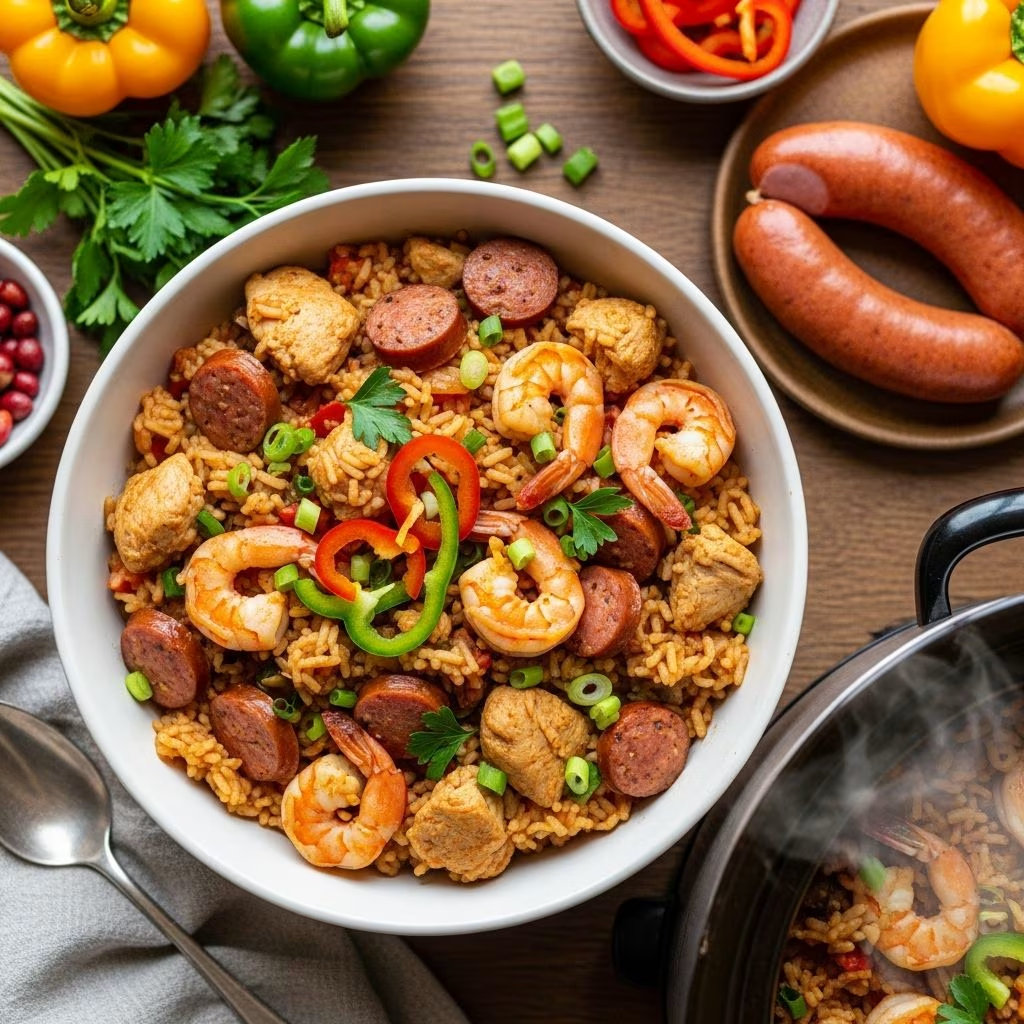
Jambalaya stands as one of the most cherished dishes in American cuisine, particularly within Louisiana’s culinary traditions. This one-pot wonder combines tender proteins, aromatic vegetables, and bold seasonings into a single satisfying meal. When prepared using a slow cooker, jambalaya becomes an accessible option for busy home cooks who want restaurant-quality results without spending hours in the kitchen. The beauty of this approach lies in its simplicity: combining ingredients in the morning allows you to return home to a fully developed, deeply flavored dish that requires minimal active preparation time.
Understanding the Foundation of Jambalaya
Jambalaya represents a fusion of culinary traditions, blending influences from French, Spanish, African, and Native American cuisines. The dish emerged in Louisiana during the colonial period when settlers adapted their cooking methods to local ingredients. Traditional jambalaya typically features three main protein components, aromatic vegetables known as the “holy trinity” in Creole cooking, rice, and a complex blend of seasonings that define its distinctive character. The slow cooker method modernizes this classic preparation while maintaining the authentic flavor profile that makes jambalaya so beloved.
Essential Ingredients for Your Slow Cooker Creation
Building a successful slow cooker jambalaya requires understanding each ingredient’s role in the final dish. The protein base typically includes three complementary options that work together to create depth and complexity:
- Chicken breast: Cut into one-inch cubes, chicken provides a lean protein base that absorbs the surrounding flavors while remaining tender through the slow cooking process
- Andouille sausage: This smoked sausage contributes a distinctive spiced flavor and richness that cannot be replicated by other ingredients
- Shrimp: Added during the final portion of cooking, shrimp brings a briny sweetness and authentic Louisiana character to the dish
The vegetable foundation consists of three essential components that create the aromatic base:
- Large red onion: Chopped into uniform pieces, onions break down during cooking and contribute natural sweetness and body to the braising liquid
- Large green bell pepper: This vegetable adds slight bitterness and freshness that balances the richness of the proteins
- Celery: One cup of chopped celery provides earthiness and structural integrity to the dish as it softens during cooking
The liquid and seasoning components transform these basic ingredients into an authentic Creole dish. A single 28-ounce can of diced tomatoes with juice provides acidity, moisture, and natural umami that develops during the long cooking process. One cup of chicken broth rounds out the liquid component, ensuring adequate moisture for proper cooking without oversaturating the final product.
The Seasoning Profile That Defines the Dish
The spice combination represents the soul of jambalaya preparation. Understanding how each seasoning contributes to the overall flavor profile helps you appreciate the complexity of this seemingly simple dish:
| Seasoning | Quantity | Flavor Contribution |
|---|---|---|
| Cajun seasoning | 2 teaspoons | Foundational spice blend with cayenne, paprika, and garlic notes |
| Paprika | 2 teaspoons | Mild pepper flavor with subtle smokiness |
| Italian seasoning | 2 teaspoons | Herbal notes from oregano, basil, and thyme combinations |
| Cayenne pepper | 1 teaspoon | Heat and pungency that builds gradually |
| Dried thyme | ½ teaspoon | Earthy, slightly minty undertones |
This seasoning blend creates a layered flavor experience where no single spice dominates. Instead, they work in concert to produce the characteristic Creole taste that defines authentic jambalaya. The balance between spicy heat and aromatic herbs ensures the dish appeals to various palates while maintaining its cultural integrity.
Step-by-Step Preparation Method
Initial Assembly Phase
Begin by preparing your slow cooker for the cooking process. Add the chicken cubes first, followed by the sliced andouille sausage. The sausage’s oils will distribute throughout the cooking liquid, enhancing the overall flavor profile. Next, add your prepared vegetables: the chopped red onion, green bell pepper, and celery. These ingredients form the aromatic base that will gradually soften and release their flavors into the braising liquid.
Seasoning and Liquid Addition
Distribute all dry seasonings evenly over the assembled ingredients before adding liquids. This ensures even distribution and prevents any single area from becoming overseasoned. Pour the chicken broth over the mixture, then add the entire contents of the tomato can, including the juice. The tomato juice provides essential acidity and moisture that prevents the dish from drying out during the extended cooking period.
Cooking Process
Cover your slow cooker and set it to the medium heat setting for approximately two hours. This timeframe allows the chicken to cook through completely while remaining tender and the vegetables to soften without becoming mushy. The extended cooking period permits the seasonings to develop complex flavor notes that taste as though they’ve simmered for hours. Avoid the temptation to open the lid frequently, as this disrupts the cooking temperature and extends the overall cooking time.
Final Protein Addition
During the final stages of cooking, approximately 15 minutes before serving, add the shrimp without tails to the slow cooker. The shrimp cook quickly, requiring only a few minutes to become opaque and firm. Adding them too early risks overcooking and creating a rubbery texture. This timing ensures the shrimp maintains its delicate texture while absorbing the surrounding flavors.
Serving Recommendations and Presentation
Proper presentation elevates your slow cooker jambalaya from a casual weeknight meal to something more memorable. Serve the finished jambalaya over a bed of fluffy white or brown rice, which absorbs the flavorful braising liquid and creates a complete, satisfying dish. The rice provides textural contrast to the tender proteins and softened vegetables while adding substance to each spoonful.
Fresh chopped parsley sprinkled over the finished dish provides visual appeal and a bright herbal note that cuts through the richness of the proteins and braising liquid. This garnish prevents the dish from appearing monochromatic while adding genuine flavor contribution. Consider serving with cornbread or crusty bread on the side for those who enjoy soaking up the flavorful liquid at the bottom of the bowl.
Nutritional Considerations and Health Benefits
This slow cooker preparation offers a balanced nutritional profile suitable for various dietary approaches. The combination of lean chicken breast and shrimp provides high-quality protein without excessive saturated fat. Andouille sausage contributes flavor while the vegetable base provides fiber, vitamins, and minerals. The tomatoes supply lycopene, a beneficial antioxidant, while onions and bell peppers offer vitamin C and various phytonutrients.
The cooking method preserves nutrient content better than some high-heat preparation techniques. The low, moist cooking environment maintains heat-sensitive vitamins while allowing flavors to develop fully. Those monitoring sodium intake should note that the combination of Cajun seasoning, sausage, and broth creates a moderately salty dish, though this can be adjusted by using low-sodium broth and reducing added seasonings.
Variations and Adaptations
While the traditional recipe offers excellent results, creative variations allow you to personalize this dish according to your preferences and dietary needs:
- Vegetarian interpretation: Replace chicken and sausage with mushrooms, additional beans, and plant-based proteins
- Seafood-focused version: Increase shrimp quantity and add crab or oysters for a Gulf Coast variation
- Heat adjustment: Increase cayenne pepper for those preferring spicier results, or reduce it for heat-sensitive palates
- Additional vegetables: Incorporate okra during the final cooking stages for authenticity
- Rice integration: Some cooks add cooked rice directly to the slow cooker instead of serving separately
Troubleshooting Common Issues
Understanding potential challenges helps you achieve consistent results across multiple preparations. If your finished jambalaya appears too thin, the extended cooking period may not have allowed adequate reduction. In future attempts, extend the cooking time by 30 minutes or prepare rice separately rather than serving it on the side, allowing you to control the overall consistency. Conversely, if the mixture appears too thick, the vegetables may have released less liquid than expected, which varies based on their water content and freshness. Adding additional broth in quarter-cup increments before serving addresses this concern.
Overseasoning occasionally occurs if too much Cajun seasoning or cayenne pepper is added initially. Remember that flavors concentrate during the extended cooking period, so using slightly less seasoning than recipes suggest often produces better results on your second attempt. If the chicken appears tough rather than tender, reduce the cooking time to 90 minutes and verify that your slow cooker maintains consistent temperatures.
Make-Ahead and Storage Strategies
One significant advantage of slow cooker preparation involves make-ahead capabilities. You can assemble all ingredients in a slow cooker insert the evening before, refrigerate it overnight, and simply place the insert in the slow cooker base in the morning. This streamlines your preparation time considerably. The assembled ingredients keep safely refrigerated for up to 24 hours before cooking begins.
Leftover jambalaya stores well in airtight containers within the refrigerator for up to four days. Reheat gently on the stovetop over medium heat, adding small amounts of broth if the mixture appears too thick after refrigeration. Jambalaya also freezes successfully for up to three months, making it an excellent candidate for batch cooking and future quick meals. Thaw frozen portions in the refrigerator overnight before reheating.
Why Slow Cooker Preparation Works for Jambalaya
The slow cooker method represents an ideal cooking vessel for jambalaya preparation. The extended, gentle cooking allows tough muscle fibers in the chicken to break down completely while maintaining moisture content. The andouille sausage’s flavors distribute evenly throughout the cooking liquid, infusing everything with its distinctive character. Vegetables soften to the perfect consistency without becoming mushy, and all seasonings marry into a harmonious whole. The sealed environment prevents moisture from escaping, ensuring that the delicate shrimp at the end of cooking doesn’t dry out.
This hands-off approach particularly appeals to home cooks managing busy schedules. Unlike stovetop preparations requiring periodic stirring and heat adjustments, slow cooker jambalaya demands only initial assembly and one final protein addition. The result tastes as though it has received hours of careful attention despite requiring minimal active engagement from the cook.
Frequently Asked Questions
Can I cook jambalaya on the high setting instead of medium?
While high heat settings generally reduce cooking time to approximately one hour, medium heat produces superior flavor development and texture. The slower cooking process allows seasonings to develop more complex profiles and proteins to remain more tender.
Is it necessary to use all three proteins?
Each protein contributes distinct flavors and textures. However, jambalaya can be prepared with just chicken and sausage, or with increased seafood if preferred. Adjust quantities to maintain similar overall proportions.
Can I substitute andouille sausage with something else?
Kielbasa, chorizo, or other smoked sausages work as alternatives, though they produce different flavor profiles. Andouille specifically provides the authentic Cajun taste characteristic of traditional jambalaya.
What if I don’t have fresh parsley for garnish?
Fresh parsley enhances presentation and adds brightness, but the dish is complete without it. Green onions, fresh cilantro, or a sprinkle of additional paprika can serve as alternatives.
How do I know when the shrimp is fully cooked?
Cooked shrimp transitions from translucent to opaque and becomes firm to the touch. Overcooked shrimp becomes tough and rubbery, so brief cooking time of 10-15 minutes is important.
References
- USDA FoodData Central — United States Department of Agriculture. Accessed 2026. https://fdc.nal.usda.gov/
- Food Safety Guidelines for Slow Cooking — United States Department of Agriculture Food Safety and Inspection Service. 2024. https://www.fsis.usda.gov/food-safety/safe-food-handling-and-preparation/food-safety-basics/safe-internal-temperature-chart
- Louisiana Culinary History and Creole Cooking Traditions — Smithsonian Magazine. 2023. https://www.si.edu/
- Nutritional Benefits of Slow Cooking Methods — Journal of Food Science and Technology, Published by Springer. 2022. https://link.springer.com/