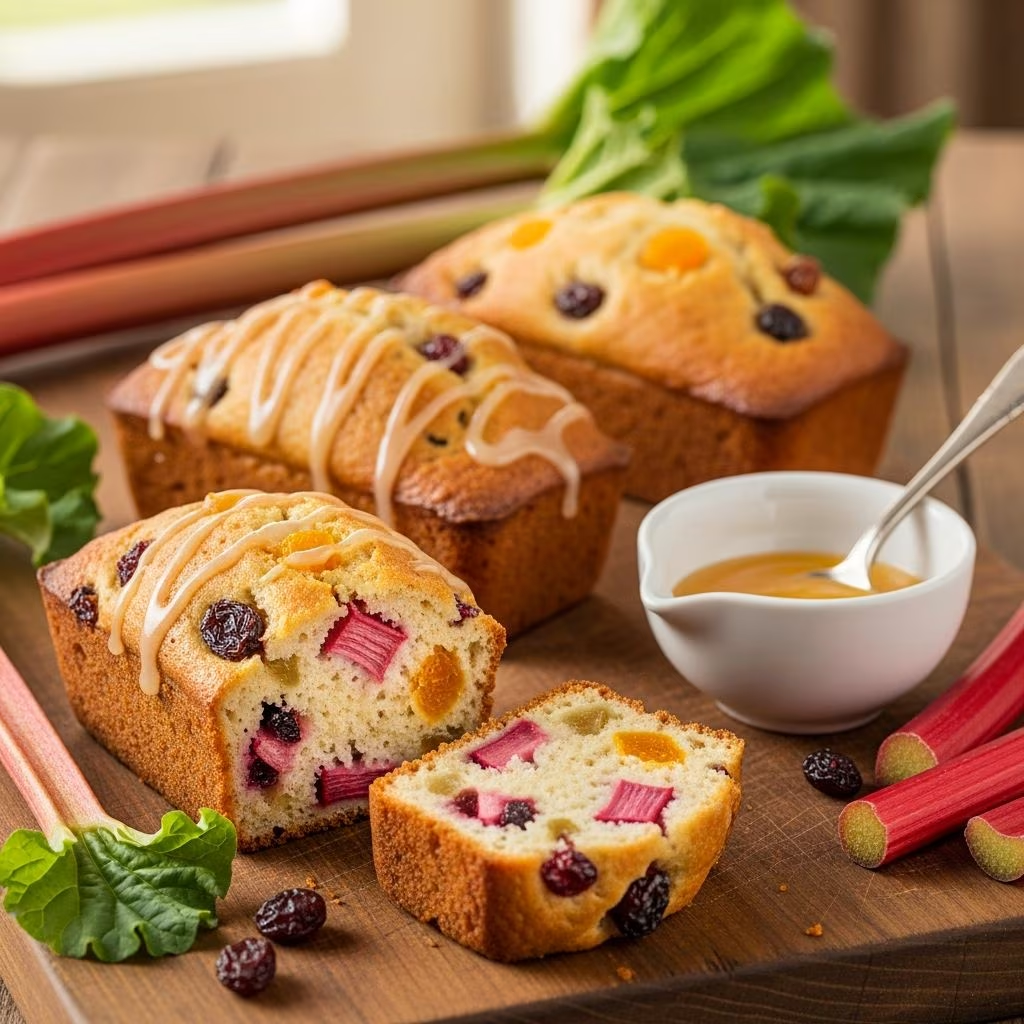
Baking mini loaves offers home bakers a practical approach to creating individual-sized treats perfect for gifting, portion control, and versatile entertaining. When rhubarb and berries combine in a quick bread format, the result transforms seasonal produce into tender, flavorful confections that showcase the unique tartness of spring’s most beloved tart vegetable paired with the sweetness of fresh fruit. This comprehensive guide explores the techniques, ingredient selections, and creative variations that elevate mini loaf baking from a simple recipe to a refined baking practice.
Understanding the Foundation: Why Mini Loaves Matter in Modern Baking
Mini loaves represent a significant shift in how contemporary home bakers approach dessert preparation. Unlike traditional full-sized loaves requiring longer baking times and significant kitchen real estate, mini versions reduce oven time, provide portion-controlled servings, and create naturally elegant presentations. The smaller dimensions allow heat to penetrate evenly throughout the batter, resulting in more consistent moisture levels and reducing the risk of dry edges with an underbaked center—a common challenge in conventional loaf pans.
The psychology of mini loaves extends beyond practical considerations. These petite creations appeal to modern consumers seeking individual servings for meal planning, dietary tracking, and social sharing. When crafted with premium ingredients and thoughtful flavor combinations, mini loaves elevate from casual homemade treats to sophisticated artisanal products suitable for farmers markets, catering presentations, or upscale gift baskets.
Selecting and Preparing Rhubarb for Optimal Results
Rhubarb selection directly influences the final loaf’s texture and flavor profile. The vegetable’s natural acidity and moisture content present unique challenges in quick bread formulation. Early spring rhubarb tends toward thinner stalks with more delicate texture, while late-season varieties develop thicker, more fibrous stalks requiring different preparation approaches.
When selecting rhubarb, prioritize firm stalks with vibrant coloring and minimal blemishing. Avoid specimens displaying wilting or excessive softness, as these indicate advanced deterioration and potential flavor degradation. Fresh rhubarb should be refrigerated immediately upon purchase and used within one to two weeks for optimal flavor intensity and structural integrity.
Preparation technique significantly impacts the final product. Dice rhubarb into uniform half-inch pieces to ensure even cooking and consistent texture distribution throughout the loaf. Thinner pieces dissolve into the batter, creating undesirable mushiness, while oversized chunks remain insufficiently cooked and create textural irregularities. Consider tossing prepared rhubarb with a small quantity of sugar—approximately one tablespoon per cup of fruit—allowing osmotic pressure to draw excess moisture from the vegetable, preventing the batter from becoming excessively wet and potentially creating dense, gummy loaves.
Berry Selection and Integration Strategies
Berries provide natural sweetness, structural contrast, and visual appeal to rhubarb-based quick breads. Blueberries, strawberries, blackberries, and raspberries each contribute distinct flavor profiles and textural characteristics that interact differently with rhubarb’s inherent tartness.
Fresh berries are generally preferred over frozen varieties for optimal texture, though frozen berries work effectively when thawed completely and excess moisture is carefully drained before incorporation. Frozen berries introduce additional liquid into the batter, requiring careful calibration of overall moisture content to prevent density issues. When using frozen berries, reserve them and fold them directly into the batter just before dividing among pans, preventing extended exposure to the batter’s moisture-rich environment.
Total fruit quantity requires thoughtful consideration. Excessive fruit introduces moisture and weight that compromises the bread’s structural integrity, resulting in sunken centers or overly dense crumb. Industry standards suggest limiting total fruit to approximately one and one-half cups per full-sized loaf, with proportional reduction for mini loaves. This ratio maintains the bread’s characteristic tender crumb while providing sufficient fruit presence to satisfy flavor expectations.
Wet Ingredient Composition: Building Moisture Balance
The wet ingredient base establishes the loaf’s fundamental moisture structure. Traditional quick bread formulations incorporate butter, eggs, and dairy components—typically milk, yogurt, or buttermilk—that create an emulsified batter supporting even crumb development.
Softened butter creamed with sugar aerates the batter, creating tiny air pockets that contribute to the characteristic light, tender crumb associated with quality quick breads. This process typically requires two to three minutes of electric mixer operation at medium speed, creating a pale, fluffy mixture substantially increased in volume from the original components.
Eggs function as both moisture providers and binding agents, helping distribute liquid evenly throughout the flour matrix while contributing fat that tenderizes the finished crumb. Most quick bread formulations employ large eggs, with recipes typically specifying two to four eggs depending on pan size and desired richness.
Dairy components—whether milk, buttermilk, or yogurt—contribute moisture while influencing acid balance within the batter. Buttermilk and yogurt introduce lactic acid that reacts with baking soda, generating carbon dioxide and creating lift without relying entirely on baking powder. Greek yogurt offers additional protein and richness, creating exceptionally moist loaves with subtle tangy undertones that complement rhubarb’s natural acidity.
Dry Ingredient Architecture and Chemical Leavening
Flour selection, typically all-purpose flour, provides the primary structure-building component for quick breads. All-purpose flour’s moderate protein content—approximately 10 to 12 percent—creates tender crumbs without excessive toughness that results from higher-protein bread flours.
Leavening agents—baking powder and baking soda—deserve careful calibration. Baking powder generates carbon dioxide through two distinct chemical reactions: an initial acidic reaction upon hydration and a secondary reaction triggered by heat application during baking. Baking soda requires an acidic component in the batter to function effectively, making it ideal when acidic dairy or fruits contribute sufficient acidity. Combining both leavening agents in a single formulation provides dual rise mechanisms, creating superior crumb structure with open, tender cells characteristic of professionally executed quick breads.
Salt amplifies flavor perception and strengthens gluten networks that support the bread’s structure. Most recipes employ between one-quarter and one-half teaspoon of salt per standard loaf, with mini loaf formulations requiring proportional reduction.
Flavor Enhancement Through Spice Integration
Complementary spices elevate rhubarb and berry loaves beyond basic quick bread territory. Cinnamon provides warm, slightly sweet undertones that harmonize with both rhubarb’s tartness and berries’ natural sugars. Nutmeg contributes earthy depth without overwhelming delicate fruit flavors. Cardamom introduces sophisticated floral complexity, while citrus zest—particularly orange or lemon—brightens the overall flavor profile and creates subtle aromatic brightness.
Vanilla extract contributes foundational sweetness and complexity, rounding rough edges in the flavor profile. Using quality vanilla extract rather than imitation varieties noticeably improves the finished product’s perceived quality and overall flavor dimension.
Mini Pan Selection and Preparation Techniques
Mini loaf pans typically accommodate between three and eight ounces of batter per cavity, with standard configurations holding six to eight individual loaves per pan. Non-stick surfaces simplify loaf removal, though traditional uncoated pans work effectively with proper preparation.
Adequate preparation prevents frustration during loaf removal. Generously coating each cavity with cooking spray, butter, or oil ensures clean removal of finished loaves. Some bakers prefer parchment paper liners, creating edible barriers that prevent sticking while creating appealing finished presentations. Parchment-lined mini loaves present particularly well for gifting or commercial applications.
When batter quantity doesn’t completely fill the pan, water-filled empty cavities prevent uneven heating and potential warping of the pan during baking. This simple technique maintains consistent pan temperature, promoting even browning and preventing structural damage to non-stick surfaces.
Baking Temperature, Timing, and Doneness Assessment
Most rhubarb and berry mini loaves bake successfully at 350 degrees Fahrenheit, though some recipes employ slightly higher temperatures for accelerated browning. The reduced size of mini loaves compared to full-sized counterparts significantly reduces total baking time, typically requiring twenty-five to thirty-five minutes versus fifty to sixty minutes for traditional loaves.
Oven temperature monitoring with a reliable thermometer prevents common baking failures resulting from inaccurate oven calibration. Many home ovens deviate substantially from displayed temperatures, causing either underbaking with underdeveloped crumb or overbaking with dry, tough texture.
The toothpick test provides the most reliable doneness indicator. Inserting a wooden toothpick into the thickest loaf’s center should reveal moist crumbs clinging to the toothpick without wet batter. A clean toothpick indicates adequate baking, though slight moistness suggests ideal doneness—the carry-over heat as loaves cool from the oven’s residual temperature continues the cooking process, preventing overdrying.
Cooling and Storage Protocols for Extended Freshness
Proper cooling prevents steam accumulation that creates soggy, dense crumb. Loaves cooling in their pans for five to ten minutes benefit from the residual heat that completes the baking process while remaining within the mold’s support. Subsequently transferring loaves to wire cooling racks prevents moisture entrapment against hot pan surfaces, allowing steam to dissipate naturally and creating the ideal texture.
Complete cooling before storage preserves crumb structure and prevents condensation within storage containers. Fully cooled loaves store effectively in airtight containers at room temperature for three to four days, with refrigeration extending shelf life to approximately one week. Rhubarb’s natural moisture content tends to soften the crumb over storage time, creating increasingly tender, almost cake-like textures that many consumers find particularly appealing after one or two days of storage.
Freezing provides extended storage options, with properly wrapped mini loaves maintaining quality for up to three months. Wrapping individual loaves in parchment paper followed by aluminum foil prevents freezer burn and facilitates convenient partial thawing without defrosting the entire batch.
Professional Presentation: Streusel Topping and Glazing Options
Streusel toppings elevate mini loaves from casual homemade treats to sophisticated confections. This crumb mixture—typically combining flour, brown sugar, cinnamon, and cold butter—creates appealing textural contrast between crunchy topping and tender crumb.
Proper streusel technique requires maintaining butter in distinct particles rather than incorporating into the flour mixture. Using a wire pastry cutter or fork-cutting technique preserves identifiable butter pieces that remain discrete during baking, creating the characteristic pebbled appearance and superior crunch that distinguish professionally executed streusel from overly-blended alternatives.
Simple glazes—prepared from powdered sugar, milk, and vanilla—add visual refinement and subtle sweetness. Drizzling glaze over completely cooled loaves creates professional presentations suitable for high-end gift packaging or specialty bakery displays.
Common Challenges and Strategic Solutions
| Challenge | Probable Cause | Solution |
|---|---|---|
| Overly dense, gummy crumb | Excessive fruit moisture or insufficient leavening | Pre-toss rhubarb with sugar; verify baking soda/powder freshness |
| Sunken center with raw batter | Inadequate baking time or oven temperature deviation | Extend baking by 5 minutes; verify oven temperature with thermometer |
| Dry, crumbly texture | Excessive baking or insufficient wet ingredients | Reduce baking time by 3-5 minutes; increase dairy component slightly |
| Uneven baking with golden bottom but pale top | Oven heat distribution issues | Rotate pan halfway through baking; consider oven rack positioning |
| Loaves stick to pan despite preparation | Insufficient pan preparation or non-stick coating degradation | Increase cooking spray application; consider parchment paper liners |
Ingredient Substitution Strategies for Dietary Considerations
Gluten-free all-purpose flour blends work effectively as one-to-one flour substitutes, though formulations may require slight adjustments to liquid ratios due to differential water absorption properties. Quality gluten-free blends incorporating xanthan gum or psyllium husk perform particularly well in quick bread applications.
Oil-based replacements for butter—including coconut oil, applesauce, or neutral oils—reduce saturated fat content while maintaining moisture levels. Oil tends to create slightly more tender crumbs compared to butter’s slightly denser structure, though careful proportion management ensures optimal results.
Sweetener substitutions merit consideration for reduced-sugar applications. Monk fruit sweetener and stevia provide sweetness without contributing significant calories or glucose impact, though flavor profiles differ subtly from refined sugar and may require palate adjustment.
Frequently Asked Questions
Can frozen berries and rhubarb work in this recipe? Yes, completely thawed and well-drained frozen ingredients work effectively. Frozen rhubarb requires more thorough draining due to significant moisture release during thawing. Avoid partially thawed ingredients that remain icy, as these won’t distribute evenly and create textural inconsistencies.
How many mini loaves does a standard recipe yield? Typical recipes produce six to eight mini loaves depending on individual pan capacity and batter volume. Verify your specific pan’s total capacity and fill each cavity approximately two-thirds full, allowing expansion room during baking.
What’s the best way to gift these loaves? Completely cooled loaves wrapped individually in parchment paper, placed in kraft boxes, and adorned with ribbon create professional presentations. Include baking date and storage instructions on simple tags for recipient information.
Can these loaves be made ahead? Yes, bake mini loaves up to three days in advance, storing in airtight containers at room temperature. Alternatively, freeze completely cooled loaves for up to three months, thawing naturally at room temperature before serving.
Are these suitable for commercial bakery applications? Absolutely. The consistent results and impressive presentation of mini loaves make them particularly appealing for farmers markets, catering, and specialty food retail. Ensure proper labeling regarding allergens, particularly gluten and tree nuts if incorporated.
Creative Variations Worth Exploring
Incorporating complementary ingredients expands creative possibilities while maintaining the essential rhubarb-berry foundation. Almond paste swirled into the batter creates sophisticated flavor depth, while candied lemon peel introduces bright citrus complexity. Toasted nuts scattered over the streusel topping add textural dimension and nutritional value.
Experimenting with different berry combinations—such as raspberry and strawberry instead of traditional blueberry pairings—creates seasonal variations that sustain bakery interest throughout spring and early summer. Adjusting spice profiles, from traditional cinnamon to adventurous cardamom or warming ginger, allows personal expression while honoring the recipe’s fundamental structure.
References
- All Recipes Rhubarb Berry Mini Loaves — Dotdash Meredith. Accessed 2026. https://www.allrecipes.com/recipe/274126/rhubarb-berry-mini-loaves/
- Rhubarb Muffins or Mini Loaves — Food Doodles. 2019. https://fooddoodles.com/rhubarb-muffins-or-mini-loaves/
- Rhubarb Bread with Streusel Topping — Little House Big Alaska. 2018. https://littlehousebigalaska.com/2018/07/rhubarb-bread-with-streusel-topping-4.html
- Blueberry-Rhubarb Cardamom Bread — Keeley’s Kitchen. 2012. http://keeleycuisine.blogspot.com/2012/07/blueberry-rhubarb-cardamom-bread.html
- Strawberry Rhubarb Bread with Streusel Topping — Hostess At Heart. 2020. https://hostessatheart.com/strawberry-rhubarb-bread-strusel-topping/
- Blueberry Rhubarb Quick Bread — Palatable Pastime. 2020. https://palatablepastime.com/2020/03/25/blueberry-rhubarb-quick-bread/
- Rustic Rhubarb Berry Loaf — Her Copper Kitchen. Accessed 2026. https://www.hercopperkitchen.com/cookbook/rustic-rhubarb-berry-loaf