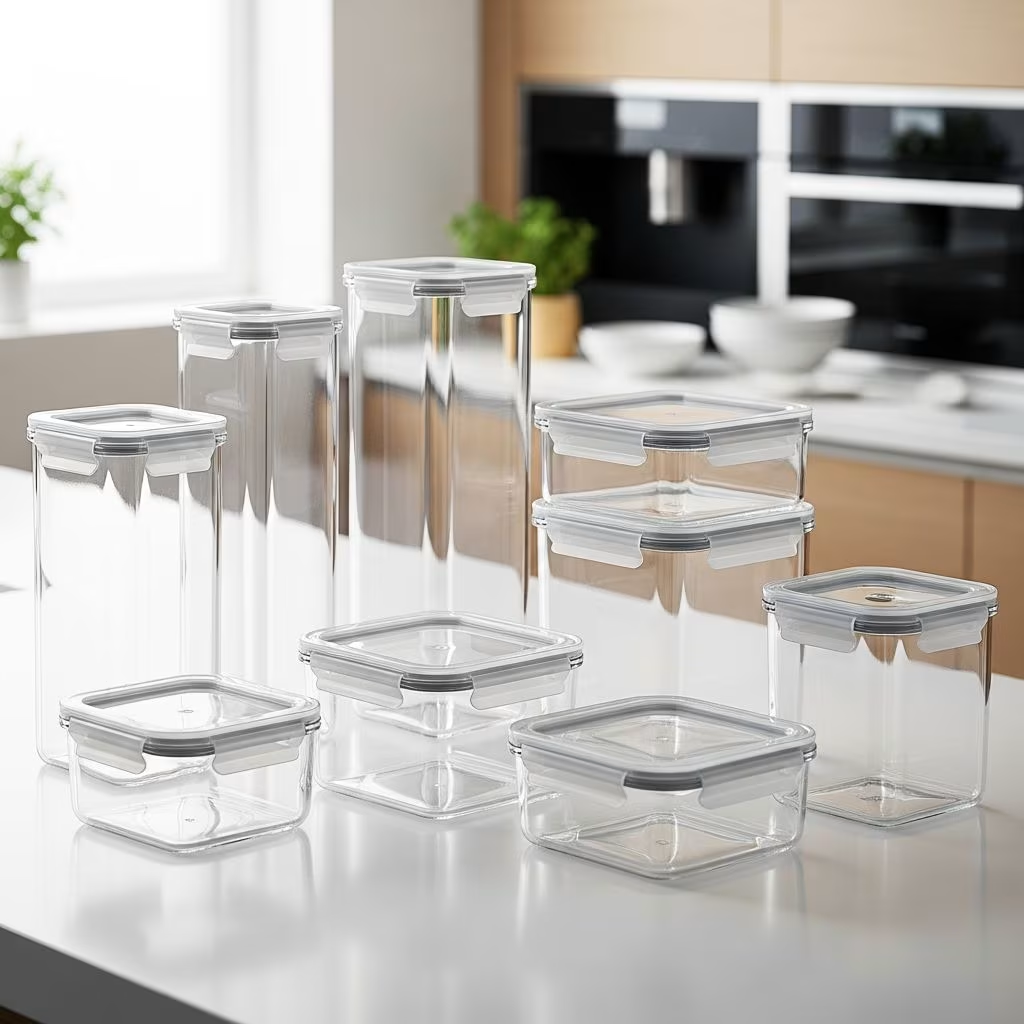
Storage containers are indispensable for organizing homes, garages, and rental units, but they quickly accumulate dust, moisture, and pests without proper care. This guide provides actionable steps to maintain cleanliness, protect contents, and ensure durability.
Establishing a Routine Cleaning Schedule
Consistent cleaning prevents minor dirt from becoming stubborn stains. Begin by scheduling weekly or bi-weekly wipes for frequently used containers, focusing on high-touch areas like handles and lids. Use a soft cloth dampened with warm water and mild dish soap to gently remove surface grime without scratching surfaces.
- Sweep or vacuum interiors to eliminate loose debris before applying any liquid cleaners.
- For plastic bins, a solution of one part vinegar to ten parts water effectively cuts through grease without harsh chemicals.
- Air dry completely to avoid trapped moisture that fosters mold growth.
Rental storage units in urban areas face extra challenges from pollution and humidity. Exterior washes with a hose and car wash soap every month keep metal or plastic exteriors free from urban grit, preserving appearance and structural integrity.
Selecting the Right Cleaning Supplies
Choose products based on container material and stored items. Mild detergents suffice for everyday plastics, while EPA-approved disinfectants are essential for units holding food-related gear or fabrics.
| Container Type | Recommended Cleaner | Why It Works |
|---|---|---|
| Plastic Food Bins | Dish soap + hot water | Removes oils and residues safely |
| Metal Rental Units | Bleach solution (1:10) | Kills bacteria and prevents rust |
| Cardboard-Lined Boxes | Vacuum + dry cloth | Avoids sogginess |
Always test cleaners on a small area first. Stock a caddy with microfiber cloths, spray bottles, and gloves for efficient sessions. Avoid abrasive pads that can etch surfaces over time.
Preventing Moisture and Mold Issues
Humidity is a primary enemy, leading to mildew odors and weakened materials. Place silica gel packets or reusable desiccants at the bottom of containers to absorb excess dampness, especially in humid climates or basements.
- Ensure lids seal tightly; replace worn gaskets promptly.
- For larger units, install small vents to promote airflow without compromising security.
- Elevate containers off floors using pallets or racks to block ground moisture.
In food storage contexts, tuck a folded paper towel inside each container before stacking to wick away condensation from fridge transfers. This simple trick maintains freshness and eliminates musty smells.
Pest Control Strategies for Long-Term Storage
Pests thrive in cluttered, unclean spaces. Prohibit food items, even sealed ones, as they attract rodents and insects. Clean incoming items thoroughly before storage to avoid introducing contaminants.
- Set non-toxic traps around perimeters and seal entry points with caulk.
- Trim nearby vegetation to reduce pest habitats.
- Use diatomaceous earth in corners for a natural barrier against crawlers.
Regular inspections reveal early signs like droppings. For infested units, empty completely, deep clean with insecticidal soaps, and allow full airing before restocking.
Smart Organization to Minimize Dirt Buildup
Disorder breeds dust. Opt for stackable plastic bins over cardboard to shield contents and simplify wiping. Label everything clearly with waterproof markers for quick access, reducing rummaging that stirs up particles.
- Group similar items: holiday decor in one zone, tools in another.
- Install adjustable shelving to keep floors clear and accessible.
- Cover bulky furniture with breathable tarps to trap dust.
Purge unnecessary items quarterly. Donate or discard to free space, making cleaning faster and more thorough.
Weatherproofing Outdoor and Rental Containers
Exposed units battle rain, snow, and UV rays. Apply rust-inhibiting primers and paints every 2-3 years. Check roofs and gutters seasonally, clearing debris to prevent pooling water that corrodes seams.
- Weatherstrip doors and windows for airtight seals.
- Position on gravel or concrete pads to avoid soil contact.
- For extreme climates, add insulation panels to regulate internal temperatures.
These measures protect both the container and valuables inside from elemental damage.
Deep Cleaning for Heavy Use Containers
Quarterly, perform intensive sessions. Empty fully, then scrub with a baking soda paste for tough stains—let sit 15 minutes before rinsing. For odors, sprinkle baking soda overnight and vacuum.
Metal surfaces benefit from wire brushing followed by protective wax. Plastic can be soaked in a tub of soapy water with a splash of bleach for sanitization.
Daily Habits for Effortless Maintenance
Integrate care into routines: Wipe spills immediately, shake out debris after use, and store with lids off if possible to air out. Keep a broom and duster handy near storage areas.
Visit rental units monthly, even briefly, to sweep floors and check seals. Bring supplies from home rather than storing them inside to avoid clutter.
Common Mistakes to Avoid
- Overloading shelves, leading to spills and hard-to-reach grime.
- Using cardboard boxes that absorb moisture and harbor pests.
- Neglecting exteriors, allowing corrosion to spread inward.
- Storing wet items, inviting mold proliferation.
FAQs
What is the best way to clean plastic storage lids?
Soak in warm soapy water, scrub with a soft sponge, and dry upside down on a rack to prevent water pooling.
How often should I clean a rental storage container?
Monthly for exteriors, bi-weekly inside if accessed often; adjust for local weather.
Can I use bleach on all container types?
No—safe for metal and hardy plastics in dilution; avoid on porous materials.
How do I remove mold from storage bins?
White vinegar spray, scrub, rinse, and dry fully in sunlight.
Are desiccants reusable?
Many are; recharge by baking in a low oven per instructions.
Advanced Tips for Pro-Level Cleanliness
For high-volume users, invest in a shop vac with HEPA filter for dust control. UV sanitizing wands offer chemical-free disinfection. Track cleaning logs to spot patterns, like seasonal pest upticks.
Sustainable choices include microfiber cloths over paper towels and plant-based cleaners. These reduce environmental impact while delivering results.
References
- 8 Essential Maintenance Tips for a Storage Container — A.B. Richards. 2023-05-15. https://abrichards.com/blog/8-essential-maintenance-tips-for-a-storage-container/
- 5 Essential Maintenance Tips for your Storage Container Units — Spinnaker Equipment. 2022-11-10. https://spinnakerequipment.com/essential-maintenance-tips-storage-container-units/
- 3 Maintenance Tips on Keeping Your Storage Container Clean — Cows of Delaware. 2021-08-20. https://cowsofdelaware.com/blog/3-maintenance-tips-on-keeping-your-storage-container-clean
- 8 Tips To Keep Your Storage Unit Clean — TVOSS. 2019-06-03. https://www.tvoss.com/2019/06/03/8-tips-to-keep-your-storage-unit-clean/
- 10 Tips to Help You Keep Your Storage Unit Clean — Security Public Storage. 2023-02-14. https://www.securitypublicstorage.com/blog/keep-your-storage-unit-clean