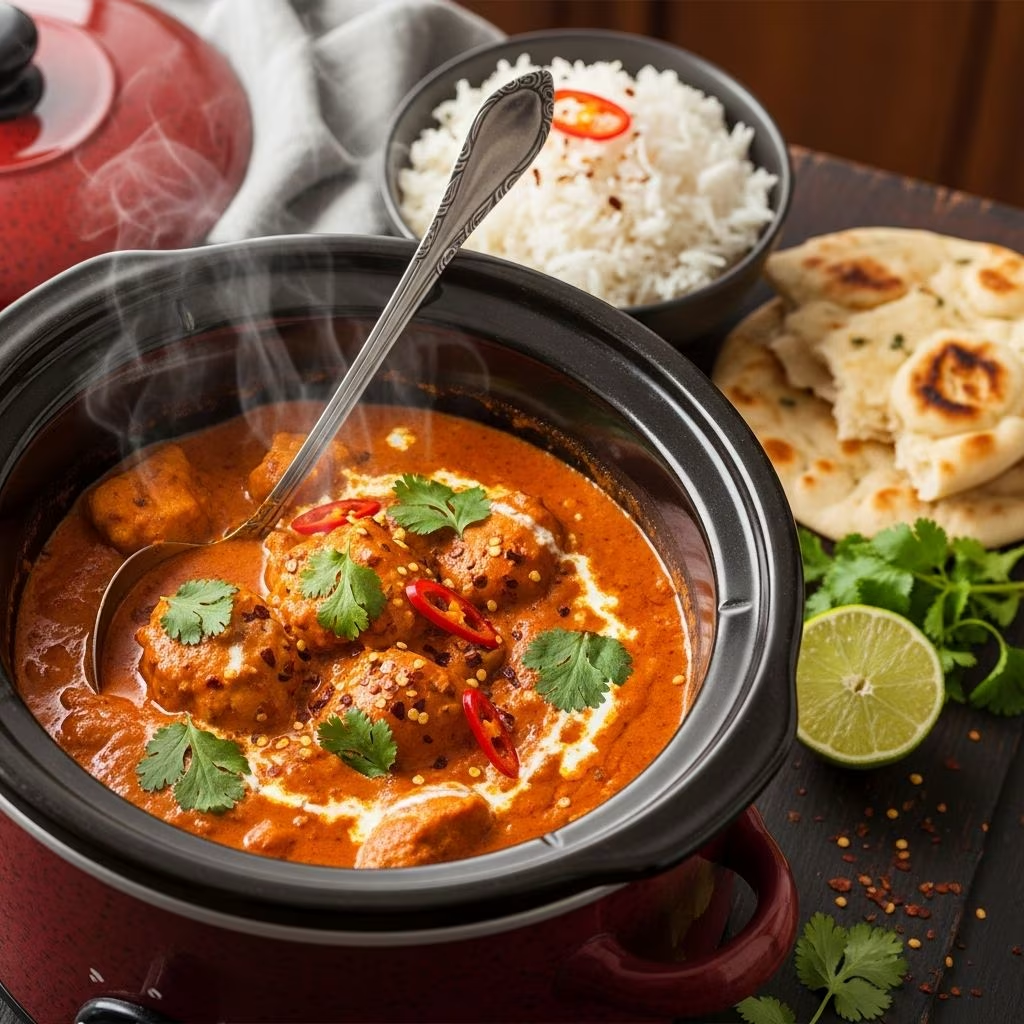
Butter chicken, known in its traditional Indian form as murgh makhani, represents one of the most beloved curry dishes served in restaurants worldwide. This aromatic creation combines succulent poultry with a luxurious cream-based tomato sauce enriched with warm spices and aromatic seasonings. The beauty of preparing this dish in a slow cooker lies in its simplicity—minimal hands-on time combined with maximum flavor development, making it an ideal choice for busy home cooks seeking restaurant-quality results without extensive preparation.
Understanding the Essence of Butter Chicken
At its core, butter chicken is a mild curry that prioritizes flavor over heat. Unlike spicy curries that rely on fiery chilies for their character, butter chicken derives its complexity from a carefully balanced blend of spices, the richness of butter and cream, and the depth provided by tomato-based components. The dish typically features a sauce that is velvety and luxurious rather than thin or watery, coating tender chicken pieces in layers of carefully developed flavors.
The traditional preparation involves creating a foundation of aromatics and spices, building upon that base with tomato elements and dairy products to create the signature creamy texture. When adapted for slow cooker preparation, this method becomes even more accessible while maintaining all the authentic qualities that make this dish so appealing.
Essential Components for Building Your Curry Base
Success in slow cooker butter chicken begins with understanding the role each ingredient plays in the final dish.
The Spice Profile
Garam masala serves as the cornerstone spice, providing warmth and complexity without excessive heat. This blend typically includes cinnamon, cardamom, cloves, and other warming spices that create the characteristic flavor profile. Complementing garam masala are additional seasonings including ground turmeric for earthy notes, cumin for subtle nuttiness, and smoked paprika for depth. Many recipes include a modest amount of chili powder for those who prefer slight heat, though this remains optional depending on your family’s preferences.
Aromatic Foundation
Fresh ginger and garlic create the aromatic backbone of the sauce. These ingredients, when combined with the spice blend, develop complex flavors as they cook low and slow. The extended cooking time allows these aromatics to mellow slightly while infusing their essence throughout the entire curry.
The Tomato Element
Tomato sauce or paste provides acidity and body to the curry. This component balances the richness of butter and cream while adding depth and slight tanginess that prevents the dish from becoming one-dimensional in flavor.
Butter and Cream
These dairy components transform the curry into its signature creamy state. Unsalted butter allows better control over the final salt content, while heavy cream (or heavy whipping cream) contributes the luxurious mouthfeel that defines this dish. Some variations substitute Greek yogurt for additional creaminess with a tangy note, while others incorporate both cream and yogurt for complexity.
Selecting Quality Chicken
The choice of poultry significantly impacts the final result. Boneless, skinless chicken thighs are frequently recommended over breast meat because thigh meat contains more fat, remaining juicier during the extended cooking process. The fat content prevents the chicken from becoming dry, even when cooked for several hours in the moist environment of a slow cooker.
Keeping chicken pieces whole during cooking prevents them from becoming stringy or falling apart. Many recipes suggest cooking the chicken whole or in large chunks, then cutting into bite-sized pieces after the cooking process concludes. This approach maintains structural integrity while ensuring even cooking.
Preparation Methods and Techniques
The Traditional Approach
The straightforward method involves combining all spices, aromatics, tomato base, and salt directly into the slow cooker. The chicken is added and coated thoroughly in the mixture. Butter pieces are scattered across the top, and the cooker is covered and set to the desired temperature.
The Pre-Sauté Method
Some recipes include a preliminary sauté step where onions and garlic are softened in oil or butter in a separate pan before combining with other ingredients. This technique can enhance flavor development by allowing these aromatics to caramelize slightly. The sautéed mixture is then transferred to the slow cooker along with other components and the raw chicken.
The Marination Approach
More involved preparations sometimes include marinating chicken in yogurt and spices before slow cooking. This technique allows the spices to penetrate the poultry more deeply, potentially resulting in more pronounced flavor throughout the meat itself.
Cooking Time and Temperature Settings
| Setting | Cooking Duration | Notes |
|---|---|---|
| High | 1.5 to 3 hours | Faster cooking; check chicken at 1.5 hours to prevent overcooking |
| Low | 4 to 6 hours | Extended cooking develops deeper flavors; less risk of drying out chicken |
| Variable | 2.5 to 4 hours | Some recipes suggest starting on high then switching to low |
Cooking time varies based on chicken piece size, your specific slow cooker model, and desired final texture. An instant-read thermometer becomes invaluable—chicken reaches complete safety when internal temperature reaches 165°F. However, the goal is achieving this temperature without pushing beyond it, as overcooked poultry becomes tough and dry regardless of sauce richness.
Step-by-Step Cooking Process
Step 1: Prepare Your Ingredients
Mince fresh ginger and garlic, or measure pre-minced versions. Dice onions if your recipe includes them. Measure all spices and gather them together for easy addition. Cut butter into small cubes to distribute throughout the slow cooker evenly.
Step 2: Build the Base
Add ginger, garlic, tomato sauce or paste, all measured spices, salt, and sugar (which balances acidity and enhances flavors) to your slow cooker insert. Stir this mixture thoroughly, breaking up any spice clumps and ensuring even distribution.
Step 3: Incorporate the Chicken
Place chicken pieces into the spiced mixture and stir carefully to coat all pieces evenly with the sauce. Ensure chicken pieces are somewhat separated rather than stacked, allowing sauce to reach all surfaces.
Step 4: Add Fat
Scatter butter cubes across the top of the mixture. The butter will melt during cooking, incorporating into the sauce and enriching it with creamy texture and luxurious flavor.
Step 5: Set and Cook
Cover the slow cooker and select your desired setting. Set the timer according to your chosen temperature and piece size. Avoid lifting the lid frequently, as this releases heat and extends cooking time.
Step 6: Finish the Curry
Once chicken reaches 165°F, remove it to a cutting board to cool slightly. Cut into bite-sized pieces. Stir heavy cream into the remaining sauce and whisk until smooth and creamy. Return chicken pieces to the slow cooker and combine with the sauce.
Addressing Common Challenges
Overly Thin Sauce
If your sauce remains watery after cooking, create a slurry by mixing cornstarch with cold water. Add this mixture to the slow cooker and cook uncovered for 5-10 minutes, stirring occasionally until the sauce reaches desired thickness.
Curdled Cream or Yogurt
Adding cream or yogurt when the curry is extremely hot can cause curdling. Always allow the curry to cool slightly before incorporating dairy. Alternatively, temper dairy by adding small amounts of hot sauce to it while whisking before combining fully.
Overcooked or Dry Chicken
Prevent this by checking chicken periodically, especially when cooking on high settings. Remember that residual cooking continues even after heat is turned off, so removing chicken slightly before reaching target temperature can be beneficial.
Customization and Variation Options
Butter chicken adapts well to personal preferences and dietary needs. Those avoiding traditional cream can substitute coconut milk for a lighter yet still rich sauce. Greek yogurt mixed with a small amount of cornstarch provides a tangy alternative to heavy cream.
Vegetable additions expand the nutritional profile without compromising flavor. Cauliflower florets, bell peppers, or peas can be added during cooking or stirred in near the end. Fresh spinach can be wilted in at the final stage for added nutrition and color.
For those preferring stovetop preparation, the same ingredients and methods apply with adjusted cooking time. After sautéing aromatics and creating the sauce base, chicken can simmer for 10-15 minutes until cooked through, then finished with cream just before serving.
Serving Suggestions and Complementary Sides
Butter chicken pairs beautifully with various grain options. Basmati rice absorbs the creamy sauce while maintaining its own delicate flavor. Naan bread, whether store-bought and warmed or homemade, provides a vehicle for scooping the curry. Quinoa or brown rice offer nutritious alternatives for different dietary preferences.
Fresh cilantro sprinkled over individual servings adds brightness and visual appeal. A dollop of additional Greek yogurt or a dollop of sour cream can be offered on the side for those desiring extra creaminess or tang.
Storage and Make-Ahead Instructions
Butter chicken stores well in refrigerator containers for up to four days, with flavors actually developing and improving as they sit. Freeze portions for up to three months by using freezer-safe containers, leaving slight headspace for expansion. Thaw frozen curry in the refrigerator overnight before reheating gently on the stovetop or in the microwave.
For make-ahead convenience, prepare the spice-tomato base and store separately from chicken. Combine components in the slow cooker on cooking day for maximum convenience.
Frequently Asked Questions
Can I use chicken breasts instead of thighs?
Chicken breasts can be used but require careful attention to prevent drying. Monitor cooking time closely and consider reducing the overall cooking duration, checking for doneness at the early end of the recommended range.
Is this dish suitable for freezing?
Yes, butter chicken freezes excellently. Allow it to cool completely before transferring to freezer containers. Frozen curry maintains quality for approximately three months.
What if I don’t have garam masala?
Create a substitute by combining ground cumin, ground coriander, ground turmeric, and cinnamon, or use curry powder as a single-ingredient alternative, though the flavor profile will differ slightly.
Can I make this without heavy cream?
Coconut milk, Greek yogurt, or cashew cream all work as cream alternatives, each providing different textural and flavor qualities.
How do I adjust the spice level?
Reduce or omit chili powder for less heat. Increase ginger and garlic for more aromatic intensity without adding burn. Some prefer adding fresh green chilies while others incorporate cayenne pepper for gradual heat escalation.
Is there a dairy-free version?
Substitute all dairy products with coconut milk and use coconut cream for the final creamy element. The resulting dish differs slightly in flavor but remains delicious and authentic-tasting.
References
- Food Safety Guidelines for Poultry Internal Temperature — U.S. Department of Agriculture Food Safety and Inspection Service. 2024. https://www.fsis.usda.gov/food-safety/safe-food-handling-and-preparation/poultry/safe-internal-temperature
- Slow Cooker Cooking Methods and Best Practices — University of Minnesota Extension. 2023. https://extension.umn.edu/preserving-and-preparing/slow-cooker-food-safety
- Indian Cuisine and Spice Blends: Cultural and Culinary Overview — Culinary Institute of America. 2024. https://www.ciachef.edu/
- Garam Masala and Traditional Indian Spice Combinations — International Spice Trade Association. 2023. https://www.spicetrade.org/
- Food Storage Guidelines: Refrigeration and Freezing — U.S. Food and Drug Administration. 2024. https://www.fda.gov/consumers/consumer-updates/are-you-storing-food-safely