When it comes to preparing salmon, the cooking method matters as much as the ingredients themselves. While many home cooks resort to high-temperature baking or pan-searing, a fundamentally different approach yields superior results: the low-temperature baking method. This technique transforms salmon fillets into incredibly moist, tender preparations that showcase the fish’s natural delicacy while allowing supporting flavors to shine through.
The Science Behind Slow Cooking Fish
Understanding why low-temperature cooking works so well for salmon requires examining what happens to fish proteins during the heating process. Salmon contains fat deposits distributed between muscle fibers, and these fats are crucial to the fish’s moisture content and flavor profile. When exposed to high heat, these fats render quickly, often causing them to escape from the flesh entirely, resulting in dry, disappointing fillets.
By contrast, cooking salmon at lower temperatures allows the fats to melt gradually and remain within the flesh, creating an incredibly moist final product. The gentle, consistent heat ensures even cooking throughout the fillet, eliminating the common problem of overcooked edges paired with undercooked centers. This method also prevents the exterior from becoming tough while the interior remains undercooked, a frequent challenge with conventional baking methods.
The extended cooking time—typically 15 to 25 minutes depending on fillet thickness—allows aromatic compounds from herbs and citrus to permeate deeper into the fish rather than simply residing on the surface. This results in more thoroughly flavored fillets where every bite contains integrated herbal and citrus notes rather than just surface seasonings.
Essential Ingredients for Mediterranean-Inspired Preparation
The combination of lemon and thyme represents one of the most enduring flavor pairings in Mediterranean cuisine, and for good reason. These complementary elements work together to enhance salmon’s natural qualities without overwhelming its delicate flavor profile.
Core Components
- Salmon fillets: Choose skin-on fillets weighing 6 to 8 ounces each for individual servings. Skin-on preparations protect the delicate flesh during cooking and add textural interest to the finished dish.
- Fresh thyme: This herbaceous herb brings subtle earthiness and slight minty undertones that complement salmon’s richness without competing for attention.
- Lemon: Both zest and juice contribute bright acidity that cuts through the fish’s fattiness and enhances its natural sweetness.
- High-quality olive oil: Extra-virgin varieties add depth and smoothness, though smaller quantities suffice when using the low-temperature method.
- Sea salt and fresh pepper: These foundational seasonings should be added judiciously to avoid overpowering the subtle flavors already present.
Preparation Strategy: Setting Up for Success
Proper preparation determines much of the outcome when employing low-temperature cooking techniques. Before combining ingredients, ensure your oven has reached precisely 275 degrees Fahrenheit. This specific temperature proves crucial—too much higher and you sacrifice the moisture-retaining benefits; too much lower and cooking times extend impractically.
Line your baking vessel with aluminum foil, creating a moisture-reflecting surface that helps distribute heat evenly around the salmon. This setup also simplifies cleanup considerably. Brush the foil lightly with olive oil to prevent sticking and facilitate removal of the cooked fillets.
Pat the salmon fillets dry using clean kitchen towels or paper products. This seemingly minor step prevents excess moisture from interfering with proper heat transfer and helps develop a more appealing texture. Position fillets skin-side down on the prepared baking sheet, as the skin protects the delicate flesh underneath while adding structural integrity that prevents falling apart during cooking.
Building Flavor: The Herb-Oil Mixture
Rather than simply sprinkling herbs onto the fish, combine them with olive oil to create a cohesive coating that distributes flavors evenly while promoting better absorption. In a small bowl, mix finely chopped fresh thyme with lemon zest, creating an aromatic paste-like consistency when combined with the reserved olive oil.
The lemon zest contributes concentrated citrus oils that penetrate the flesh more effectively than juice alone, while fresh thyme leaves maintain their essential oils better than dried varieties. This combination should be divided equally among the fillets, spread gently across the exposed flesh without pressing down aggressively.
After applying the herb mixture, allow the seasoned fillets to rest at room temperature for approximately ten minutes. This resting period permits the flavors to begin melding before heat is applied, resulting in more integrated seasoning rather than distinct flavor components. During this time, salt and freshly cracked black pepper can be applied according to personal preference.
The Cooking Process: Timing and Temperature Monitoring
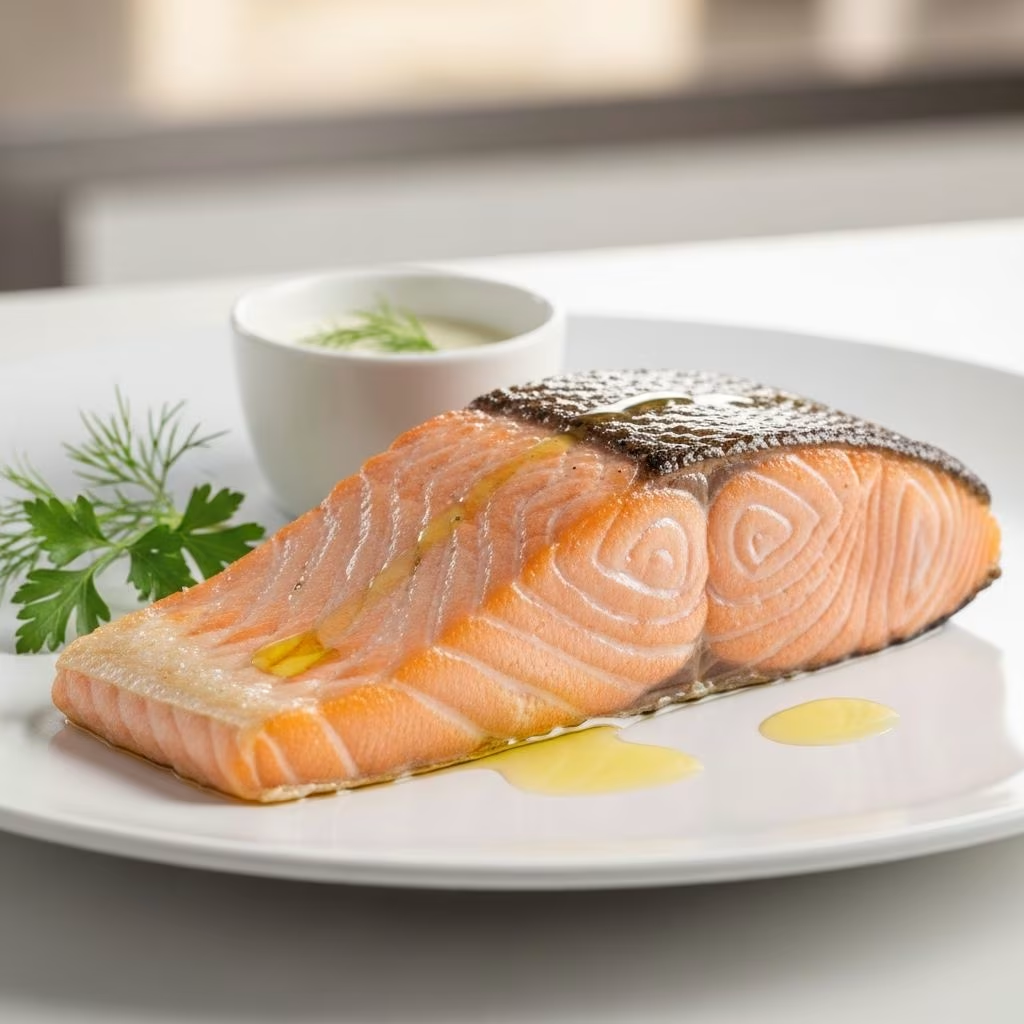
Transfer the prepared baking sheet to your preheated 275-degree Fahrenheit oven. The cooking duration typically ranges from 15 to 18 minutes for standard 6-to-8-ounce fillets, though thickness variations necessitate flexibility. Begin checking for doneness around the 14-minute mark by inserting a fork into the thickest section of a fillet and gently twisting slightly.
The salmon is perfectly cooked when the flesh has just turned opaque throughout and separates readily along its natural grain patterns. The center should remain slightly translucent rather than completely opaque—continuing residual heat will finish the cooking process after removal from the oven. Overcooking at this point ruins the careful work invested in retaining moisture.
Resist the temptation to open the oven door frequently, as this disrupts temperature stability and extends cooking times unpredictably. If your oven has a window, use it to observe progress without releasing heat. If not, wait until the minimum time has elapsed before checking.
Complementary Serving Suggestions
The elegant simplicity of this preparation pairs beautifully with numerous side dishes and accompaniments. Fresh lemon wedges should always accompany the finished salmon, allowing diners to add additional brightness according to their preferences. The citrus acts both as a flavor enhancer and a palate-cleansing element between bites.
Light vegetable preparations work particularly well alongside this fish preparation. Consider roasted asparagus, which shares similar Mediterranean heritage, or steamed green beans with minimal seasoning. Grain-based sides like couscous or quinoa provide substance without overwhelming the delicate salmon flavors. Mediterranean-inspired salads featuring fresh herbs, light vinaigrettes, and minimal heavy ingredients complement the preparation beautifully.
For wine pairings, consider crisp white varieties such as Sauvignon Blanc or Pinot Grigio, which echo the lemon’s acidity and won’t compete with the delicate fish flavors. These selections enhance the overall dining experience without dominating the palate.
Adaptations and Variations
While the classic combination of lemon and thyme provides exceptional results, this basic technique accommodates numerous adaptations depending on available ingredients and personal preferences.
Flavor Profile Modifications
- Garlic enhancement: Minced garlic cloves can be incorporated into the herb-oil mixture, adding depth without overwhelming delicate fish flavors when used sparingly.
- Shallot incorporation: Finely minced shallots contribute subtle onion notes and textural interest when scattered beneath or atop the fillets.
- Additional herbs: Dill, rosemary, or tarragon can replace or supplement thyme, though strong herbs should be used in reduced quantities to maintain balance.
- Citrus variety: Meyer lemons provide milder, sweeter acidity than standard lemons, while limes introduce different tropical notes for alternative flavor profiles.
- Honeyed glaze: A small amount of honey mixed into the oil mixture adds subtle sweetness that balances the citrus’s acidity without creating an overtly sweet dish.
Practical Considerations for Home Cooks
This cooking method demands minimal active involvement, making it ideal for busy weeknight preparations. The actual hands-on time totals approximately 15 minutes from ingredient assembly through plating, with most time devoted to prep work rather than active cooking. The passive cooking period allows simultaneously preparing side dishes or setting the table without monitoring requirements.
Ingredient sourcing remains straightforward—all components are readily available year-round at standard grocery retailers. Fresh thyme and lemon are staple pantry items for most households, and quality salmon fillets are increasingly accessible through various retailers including conventional supermarkets and specialty fish markets.
Storage of cooked salmon allows for planned leftovers, which can be repurposed into salads, grain bowls, or sandwich preparations. The moist texture achieved through low-temperature cooking maintains its quality even after refrigeration better than salmon prepared using conventional high-heat methods.
Nutritional Profile and Wellness Benefits
Salmon provides substantial nutritional value relevant to contemporary health-conscious cooking. This fish contains omega-3 fatty acids, which support cardiovascular and cognitive health. The low-temperature cooking method preserves these beneficial compounds more effectively than high-heat preparation methods, which can degrade delicate polyunsaturated fats.
The preparation method minimizes added fats while utilizing the fish’s naturally occurring oils for richness and satisfaction. A single serving provides substantial protein content supporting muscle maintenance and satiety without excessive caloric density. Lemon and thyme add flavor complexity without contributing significant calories, making this preparation suitable for various dietary approaches and nutritional goals.
Frequently Asked Questions
Can I use frozen salmon for this preparation?
Frozen salmon can be used provided it is fully thawed before cooking. Thaw gradually in the refrigerator rather than using rapid methods, which can negatively impact texture. Thawed salmon behaves identically to fresh salmon once completely defrosted.
What if I prefer skinless fillets?
Skinless fillets work adequately, though cooking times may reduce slightly due to improved direct heat contact. Monitor more frequently as skinless fillets lack the protective barrier provided by skin and risk drying faster.
Can I scale this recipe for larger gatherings?
Absolutely. Arrange multiple fillets on larger baking sheets, ensuring adequate spacing for heat circulation. Cooking time remains consistent as long as fillet thickness stays uniform. Multiple sheets can bake simultaneously if your oven accommodates them.
How can I prevent the herb mixture from burning?
The low temperature (275°F) inherently prevents herb burning. The herbs sit atop the flesh rather than directly on hot surfaces, and the moisture released from the salmon during cooking creates steam that gently cooks the herb mixture rather than browning it harshly.
What’s the best way to store leftover salmon?
Cool completely before transferring to airtight containers and refrigerating for up to three days. The moist texture from low-temperature cooking persists during storage better than conventional preparations. Reheat gently in a low oven to maintain moisture content.
Conclusion: Mastering a Fundamental Technique
Low-temperature salmon baking represents more than simply an alternative cooking method—it reflects a fundamental shift in how home cooks approach fish preparation. By understanding the science behind gentle heating and applying straightforward technique, anyone can consistently produce restaurant-quality salmon that showcases the fish’s natural excellence while highlighting complementary Mediterranean flavors. The combination of lemon and thyme transcends trendy culinary fads, representing time-tested flavor harmony that has endured across generations and cultures. This preparation deserves regular rotation in your cooking repertoire, offering both satisfaction and simplicity in equal measure.
References
- Slow-Baked Salmon with Lemon and Thyme — Bon Appétit. May 2011. Accessed via Big Flavors Tiny Kitchen. https://bigflavorstinykitchen.com/slow-baked-salmon-with-lemon-and-thyme/
- Lemon and Thyme Baked Salmon — Slow The Cook Down. https://slowthecookdown.com/lemon-and-thyme-baked-salmon/
- Easy Lemon Thyme Roasted Salmon — The Defined Dish. https://thedefineddish.com/easy-lemon-thyme-roasted-salmon/
- Slow-Roasted Lemon Thyme Salmon for Two — The Beader Chef. https://www.thebeaderchef.com/slow-roasted-lemon-thyme-salmon-for-two/
- Slow Baked Salmon With Lemon, Herbs And Onion — Delightful Plate. https://delightfulplate.com/slow-baked-salmon-with-onion-and-lemon/
- Lemon, Garlic, and Thyme Baked Salmon — Baker by Nature. https://bakerbynature.com/lemon-garlic-and-thyme-baked-salmon/