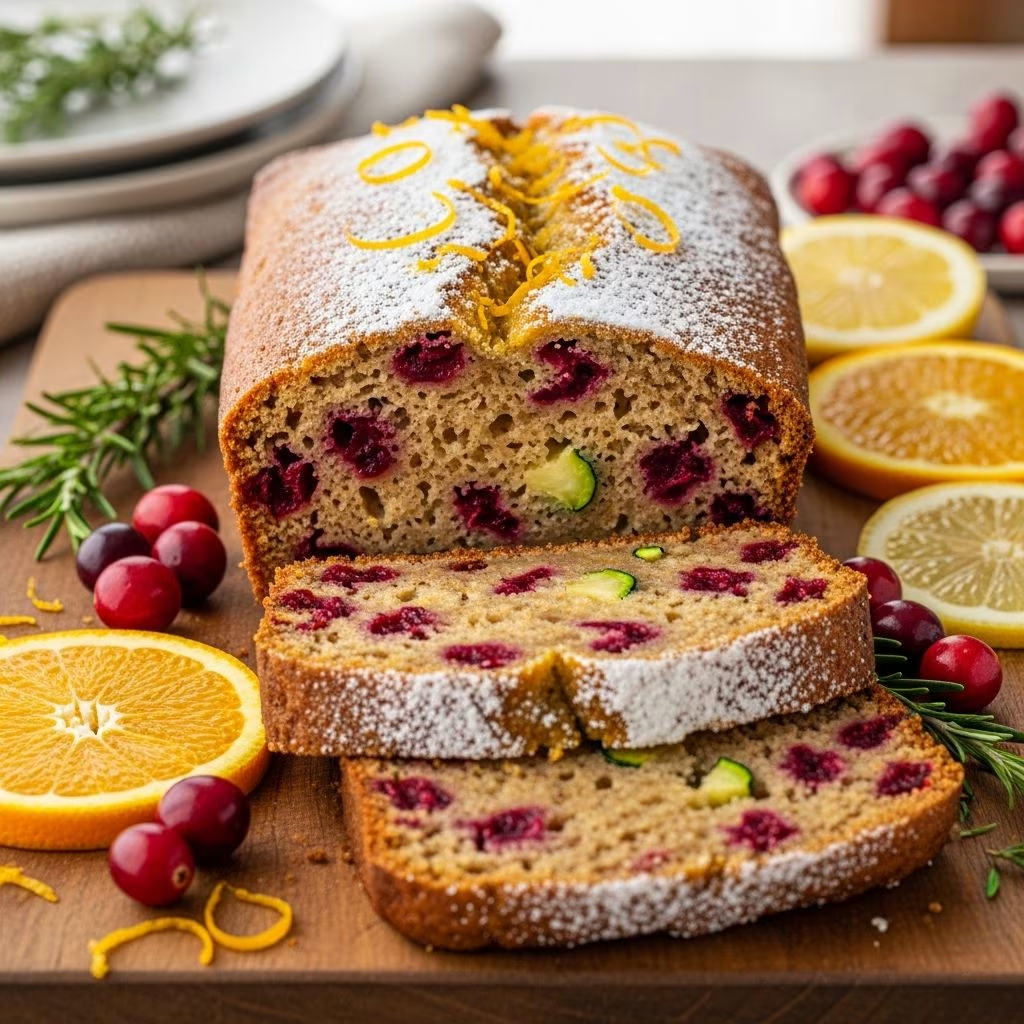
Quick breads represent a beloved category of homemade baked goods that combine simplicity with impressive flavor complexity. When you merge the subtle sweetness of zucchini with the bright acidity of citrus fruits and the tartness of cranberries, you create a bread that transcends ordinary breakfast fare. This particular combination offers bakers an opportunity to explore the intersection of seasonal ingredients and year-round favorites, resulting in a moist, flavorful loaf that satisfies both traditional and adventurous palates.
Understanding the Essential Components
Every successful quick bread relies on a careful balance between dry and wet ingredients. The foundation begins with all-purpose flour, which provides structure and stability to the crumb. Leavening agents—specifically baking powder and baking soda—work in tandem to create the characteristic tender texture that distinguishes quick breads from denser cake varieties. These leavening agents respond differently: baking soda requires an acidic component to activate, while baking powder functions independently, making the combination particularly effective for recipes that include acidic ingredients like fresh lemon juice and tangy cranberries.
The wet ingredient base typically combines eggs, oil or butter, and milk or other liquid components. Eggs contribute moisture, richness, and binding properties that hold the structure together. Fat—whether from oil or softened butter—ensures tenderness and contributes to the bread’s moist crumb. Fresh citrus juice adds both acidity and distinctive flavor, while zucchini introduces natural moisture that keeps the bread tender long after baking.
The Role of Zucchini in Quick Bread Baking
Zucchini functions as more than simply an ingredient in this recipe; it serves as a moisture retention mechanism that prevents dryness common in baked goods. When properly shredded and incorporated, zucchini releases water during baking, which hydrates the surrounding batter and maintains moisture throughout the crumb structure. This quality allows bakers to reduce added liquid while achieving superior texture. The vegetable’s mild, almost neutral flavor integrates seamlessly with dominant flavors like citrus and cranberry without creating competing taste notes.
To maximize zucchini’s contribution, select medium-sized specimens with thin skins and minimal seeds. Avoid over-processing, which can lead to excessive moisture that disrupts the batter’s balance. Some recipes suggest draining excess liquid, though this step requires careful judgment—you want to retain sufficient moisture for batter hydration without creating a soupy mixture that won’t set properly during baking.
Cranberries: Tart Flavor and Textural Interest
Cranberries bring multiple dimensions to quick breads. Their natural tartness provides counterpoint to sweeter components, creating complexity on the palate. The berries themselves offer visual appeal with their vibrant red color dispersed throughout the golden crumb. When using dried cranberries, they maintain their structure during baking better than fresh berries, which can become mushy and release their juice excessively.
For enhanced flavor, dried cranberries can undergo a brief rehydration process. Soaking them in hot water for fifteen to twenty minutes plumps them up and makes them juicier without turning them into paste. Some recipes suggest using orange juice or fresh lemon juice for this soaking step, which imparts additional citrus notes to the berries themselves. Fresh cranberries remain an option, particularly if you prefer a firmer texture and don’t mind adjusting the overall moisture balance of your batter. When substituting fresh for dried, use approximately one and one-quarter cups of fresh cranberries to replace one cup of dried.
Citrus Elements: Zest and Juice
Citrus components appear in two forms: zest and juice, each contributing differently to the final product. Zest—the colored outer layer of lemon or orange peel—contains concentrated aromatic oils that provide intense flavor without adding significant liquid. These oils disperse throughout the batter during mixing, ensuring that citrus character permeates every slice. Zest should be finely minced or grated to distribute evenly and prevent large, bitter pieces in the finished bread.
Fresh citrus juice, meanwhile, contributes liquid and acidity that activates leavening agents while adding refreshing tartness. Freshly squeezed juice provides superior flavor compared to bottled alternatives, which often contain preservatives that can affect taste. Approximately one-third cup of fresh lemon juice typically constitutes the juice component, though this varies depending on overall recipe construction and desired tanginess level.
Preparation Techniques for Success
Proper preparation substantially impacts the final result. Begin by preheating your oven to 350 degrees Fahrenheit, allowing it to reach consistent temperature before batter enters. Line your nine-by-five-inch loaf pan with parchment paper or grease it thoroughly to prevent sticking. Parchment paper offers the advantage of easy removal and reduced risk of crust burning on the sides.
Sift together your dry ingredients—flour, baking powder, baking soda, and salt. This process incorporates air and ensures even distribution of leavening agents throughout the flour. Add lemon zest at this stage, allowing it to combine with flour particles for even dispersal. In a separate bowl, whisk together eggs, sugar, oil or softened butter, lemon juice, and milk. The order of incorporation matters: cream fat and sugar first to build an emulsion, then add eggs individually, which helps maintain smoothness. Only after incorporating all wet ingredients should you add the flour mixture, using a gentle folding motion to combine without overworking the batter. Overmixing develops gluten, creating a tough, dense crumb rather than the tender texture quick breads should possess.
Incorporating Add-ins Strategically
Once your base batter is combined, fold in shredded zucchini and three-quarters of your cranberries. Reserve approximately one-quarter cup of cranberries to scatter across the surface before baking, which creates visual appeal and ensures concentrated flavor in every bite. This approach prevents cranberries from sinking to the bottom of the loaf, a common occurrence when all berries are folded into the batter at once.
Pour the prepared batter into your lined or greased pan, then top with reserved cranberries. This finishing step adds both decorative interest and a burst of intense flavor. Bake for fifty to sixty minutes, checking for doneness by inserting a toothpick or cake tester into the center; it should emerge clean or with only a few moist crumbs, not wet batter.
Cooling and Storage Considerations
After baking, allow the bread to cool in the pan for approximately ten minutes before transferring to a wire cooling rack. This brief in-pan cooling allows the structure to set sufficiently for removal without collapsing or crumbling. Complete cooling on the rack prevents condensation from forming on the bottom, which can create soggy texture. Once completely cooled, store your bread in an airtight container at room temperature for up to three days, or wrap tightly and freeze for up to three months.
Optional Enhancements and Variations
For those seeking additional flavor complexity, a simple citrus glaze provides finishing elegance. Combine one-half cup powdered sugar with one-quarter cup fresh lemon juice, whisking until smooth. While the bread is still warm, poke holes across the surface with a skewer and brush the glaze over the loaf, allowing it to seep into the warm crumb. This creates pockets of concentrated citrus flavor and adds subtle sweetness without overwhelming the bread’s inherent tartness.
Nuts such as chopped almonds or walnuts can be incorporated for additional texture and richness, though this represents optional customization. Some bakers substitute orange juice for lemon juice or incorporate orange zest alongside lemon zest for a more complex citrus profile. Ground cinnamon, a quarter to one-half teaspoon, complements the citrus and cranberry flavors without dominating them.
Key Ingredient Ratios and Measurements
| Ingredient Category | Typical Amounts | Purpose in Recipe |
|---|---|---|
| All-purpose Flour | 2 to 3 cups | Structure and crumb formation |
| Eggs | 2 to 3 large | Binding and moisture |
| Oil or Butter | 1/2 to 1/3 cup | Tenderness and richness |
| Sugar | 3/4 to 1 cup | Sweetness and browning |
| Milk | 1/2 cup | Liquid component |
| Fresh Citrus Juice | 1/4 to 1/3 cup | Acidity and flavor |
| Zucchini (shredded) | 1 to 1.5 cups | Moisture and texture |
| Dried Cranberries | 2/3 to 1 cup | Tart flavor and visual appeal |
| Baking Powder | 1 to 2 teaspoons | Leavening |
| Baking Soda | 1/2 teaspoon | Acid neutralization and leavening |
| Salt | 1/4 to 1/2 teaspoon | Flavor enhancement |
| Citrus Zest | 1 to 1.5 tablespoons | Aromatic intensity |
Troubleshooting Common Issues
If your finished bread appears dense and heavy, this typically indicates overmixing of the batter or insufficient leavening agent activation. Ensure you’re measuring flour correctly—spooning into a measuring cup and leveling with a knife provides more accurate measurements than scooping directly into the bag, which compacts flour. Dense texture can also result from too much zucchini moisture; drain excess liquid or reduce milk quantity if your zucchini appears particularly wet.
Dry crumb texture suggests insufficient oil or butter, or possibly overbaking. Check oven temperature accuracy using an oven thermometer, as ovens often run hot or cool from their displayed temperature. Bitter taste can result from excessive lemon zest; measure carefully and ensure you’re using only the colored outer layer, not the white pith beneath.
If bread sinks in the middle during baking, your oven temperature may be too low, preventing proper setting before the center fully bakes. Alternatively, baking powder may be expired; leavening agents lose potency over time, so replace annually if you don’t bake frequently.
Frequently Asked Questions
Can I use bottled lemon juice instead of fresh?
While fresh lemon juice provides superior flavor, bottled juice works in a pinch. Use the same quantity, though be aware that bottled varieties contain preservatives that may affect taste subtly. Fresh-squeezed juice truly elevates the final result and is worth the minimal additional effort.
What if I don’t have dried cranberries?
Fresh cranberries can substitute using approximately one and one-quarter cups for every cup of dried cranberries called for in the recipe. Note that fresh berries release more juice during baking, potentially affecting moisture balance, so you may need to slightly reduce milk or increase flour.
How do I know when the bread is completely baked?
A toothpick or cake tester inserted into the center should emerge clean or with only a few moist crumbs clinging to it—not wet batter. The top should feel slightly firm when gently pressed, and the sides should pull slightly away from the pan edges.
Can this bread be made in smaller portions?
Yes, the recipe can be divided into mini loaf pans, reducing baking time to thirty-five to forty minutes. Adjust visual inspection accordingly, as smaller loaves bake faster and can overbake quickly.
Is it necessary to bring butter and eggs to room temperature?
Room temperature ingredients mix more evenly, creating a smoother batter and more uniform crumb. Remove them from the refrigerator approximately forty minutes before baking begins for optimal results.
Final Thoughts on This Versatile Quick Bread
Citrus cranberry zucchini bread represents an ideal project for both beginning and experienced bakers. The recipe tolerates minor variations while rewarding precision and attention to detail. Whether served warm with morning coffee, packaged as a thoughtful homemade gift, or sliced for afternoon tea, this bread delivers consistent satisfaction. The combination of tart cranberries, bright citrus, and naturally moist zucchini creates a flavor profile that feels both indulgent and refreshingly light—a rare balance in the quick bread category.
References
- King Arthur Baking Company: Quick Bread Baking Guide — King Arthur Baking Company. https://www.kingarthurbaking.com/learn/guides/quick-breads
- USDA FoodData Central: Cranberries, dried — U.S. Department of Agriculture. 2024. https://fdc.nal.usda.gov/
- Serious Eats: The Food Lab—Zucchini Bread Science — Serious Eats. https://www.seriouseats.com
- National Association of Nutrition Professionals: Citrus Fruits and Health Benefits — NANP. 2024. https://nanp.org
- Journal of Food Science and Technology: Quick Bread Moisture Retention — Springer. 2023. https://link.springer.com/journal/13197