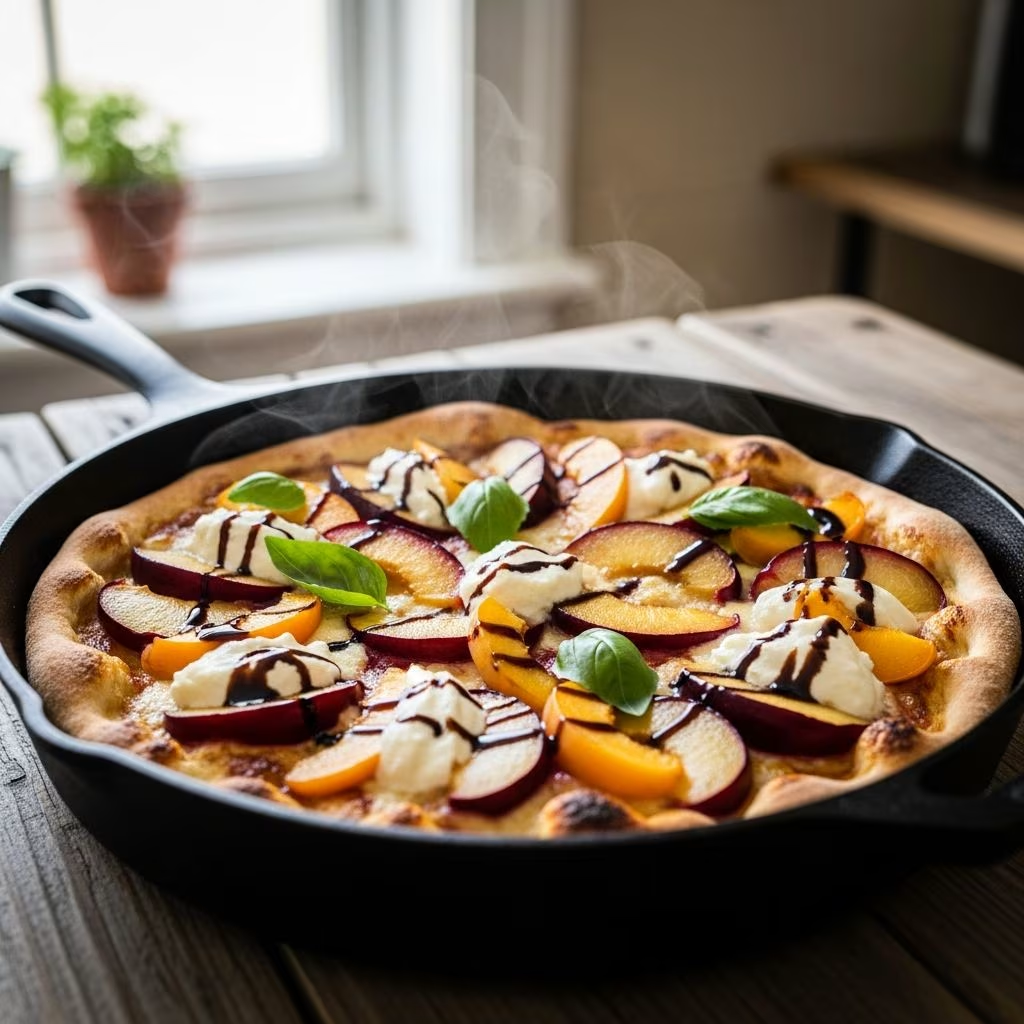
Stovetop pizza preparation represents one of the most accessible yet impressive techniques for home cooks looking to elevate their culinary skills. Unlike traditional oven-based methods, skillet pizza allows for greater control over crust development and offers flexibility for those without access to high-temperature ovens. The combination of caramelized seasonal stone fruits with rich, creamy cheese creates a sophisticated dish that bridges the gap between savory and slightly sweet flavor profiles. This approach transforms simple ingredients into something worthy of a fine dining establishment, all while remaining achievable in a typical home kitchen.
Understanding Skillet Pizza Fundamentals
The foundation of exceptional skillet pizza begins with selecting the right equipment and understanding the cooking process. A 12-inch cast iron skillet serves as the ideal vessel, as cast iron distributes heat evenly and develops a crispy, golden crust through its superior heat retention properties. The cooking method involves a two-stage process: initial stovetop heating followed by oven finishing, which allows the base to become crispy while toppings cook through and flavors meld together.
Preparing the cooking surface properly is crucial for success. Before placing dough in the skillet, applying olive oil to the bottom and sides creates a barrier that prevents sticking while contributing to crust development. This oil also helps achieve that desirable golden-brown exterior that makes skillet pizza distinctive. The temperature management throughout the cooking process determines whether you achieve a perfectly cooked crust or end up with either an undercooked center or burnt exterior.
Selecting and Preparing Your Dough
Quality pizza dough forms the foundation upon which all other elements depend. Store-bought options provide excellent convenience for weeknight cooking, with one pound packages typically yielding sufficient dough for a standard 14-inch circle. For those preferring from-scratch preparation, homemade dough offers superior flavor development and customization opportunities. Regardless of source, allowing dough to reach room temperature before shaping ensures easier stretching and more even cooking throughout the finished pizza.
When rolling or stretching dough, aim for a thickness that will achieve crispness on the exterior while maintaining a tender crumb on the interior. A 14-inch circle sized appropriately for your 12-inch skillet allows for a slight overhang that presses up along the sides of the pan. This technique creates interesting texture variations—the edges become particularly crispy while the center remains slightly chewy. Avoid over-kneading stretched dough, as this develops excessive gluten and results in tough, chewy pizza rather than the desired tender quality.
Building Layers of Flavor
The traditional foundation of any pizza consists of cheese and sauce or spread. Rather than using standard tomato-based sauce, this particular preparation employs basil pesto as the flavor base, providing herbal brightness and rich depth that complements stone fruits beautifully. Spreading approximately half to one cup of pesto ensures complete coverage while allowing some to reach the very edges of the dough, where it becomes slightly caramelized during cooking.
Mozzarella cheese, whether fresh or shredded varieties, should be distributed evenly across the pesto layer. One cup of shredded mozzarella provides sufficient coverage for proper melting and cheese distribution without creating an overwhelming dairy-heavy pizza. The cheese melts slightly during the initial pesto application and then fully during oven baking, creating a protective layer that keeps pesto flavors intact while developing subtle caramelization.
Fresh Stone Fruit Preparation
Peaches represent the star topping in this preparation, though alternative stone fruits offer equally compelling options. When selecting peaches, choose specimens that yield slightly to gentle pressure, indicating ripeness without excessive softness that would collapse during cooking. Thin slicing maximizes surface area exposure to heat, encouraging slight caramelization while maintaining fruit structural integrity.
Arranging peach slices across the pesto and cheese layer requires thoughtful distribution to ensure every slice of finished pizza includes fruit. Overlapping slices in a pattern creates visual appeal while promoting even cooking. Before placing the pizza in the oven, season the peaches with salt and cracked black pepper—this seasoning heightens fruit flavor and prevents the sweetness from overwhelming other components.
Alternative stone fruits work beautifully within this framework. Nectarines provide similar flavor and texture to peaches with slightly more pronounced tartness. Plums contribute deeper color and more complex, sometimes tart flavor profiles. Cherries offer smaller, intensely flavored options that create visual interest through their appearance. Mixing multiple stone fruits creates sophisticated flavor complexity that surprises and delights the palate.
The Cooking Process: From Stovetop to Oven
Begin by preheating your oven to 450 degrees Fahrenheit, ensuring it reaches temperature before your pizza preparation advances to the baking stage. While the oven heats, place your cast iron skillet on the stovetop over medium heat. This gradual heating prevents thermal shock and allows even temperature distribution throughout the iron.
Once the skillet becomes adequately heated, remove it from the stove and carefully add olive oil, using a paper towel to spread it evenly across the bottom and partway up the sides. This oil coating becomes essential for crust development and prevents sticking. Carefully transfer your prepared dough to the hot skillet, gently pressing it to conform to the pan’s shape while allowing edges to press slightly up the sides.
Position your topped pizza on the oven’s bottom rack—this placement exposes the crust base directly to the most intense heat, promoting the desired crispy exterior. Bake for 15 to 20 minutes, monitoring through the oven window to observe crust browning. The crust reaches ideal doneness when it exhibits a deep golden color and sounds hollow when tapped.
Finishing Touches and Burrata Addition
Burrata cheese, with its delicate creamy interior surrounded by a thin mozzarella shell, requires careful handling to preserve its luxurious texture. Remove the pizza from the oven once the crust achieves golden crispness, and briefly turn off the oven. Tear burrata into small chunks and distribute them evenly across the hot pizza surface. The residual heat melts the burrata exterior slightly, creating creamy pockets without compromising its distinctive character through excessive cooking.
Return the pizza to the oven for approximately one minute—just enough time for the burrata to soften slightly without becoming fully melted into an unrecognizable mass. This brief additional baking allows burrata flavors to distribute slightly while maintaining its unique texture contrast. Remove the pizza and immediately top with fresh basil leaves, additional salt, and freshly cracked black pepper for brightness and aromatic complexity.
Resting and Serving
Allow the finished pizza to rest in the skillet for approximately five minutes before slicing. This resting period allows cheese to set slightly, making cutting and serving significantly easier while preventing toppings from sliding off pieces. The residual heat in the iron continues gentle cooking during this rest, ensuring optimal cheese texture and flavor distribution.
Ingredient Variations and Substitutions
Flexibility defines successful home cooking, and this skillet pizza recipe accommodates various ingredient preferences and availability constraints:
- Cheese options: Blue cheese adds pungent complexity, while goat cheese provides tangy creaminess. Those preferring milder dairy flavors might increase burrata quantity or use ricotta as a complementary base.
- Greens and vegetables: Arugula provides peppery bite and fresh contrast to cooked elements. Adding it after baking preserves its texture and flavor intensity. Roasted garlic spread on the finished dough subtly mellows fruit sweetness and helps flavor components meld.
- Protein additions: Salami’s salty, slightly spicy character complements peach sweetness beautifully. Prosciutto offers refined elegance, while vegetarian preparations focus attention on cheese and fruit interactions.
- Acidic balance: Balsamic vinegar drizzled over finished pizza adds depth and prevents excessive sweetness. Light balsamic reduction creates sophisticated flavor complexity that elevates the entire dish.
Technique Tips for Success
Several practical considerations enhance the likelihood of achieving outstanding results:
- Ensure your dough reaches room temperature before shaping, facilitating easier stretching and more even cooking
- Apply olive oil generously to both the pan and dough edges to promote even browning and prevent sticking
- Position the skillet on the oven’s bottom rack for maximum crust crisping
- Monitor crust browning through the oven window to achieve ideal color without burning
- Allow burrata to rest at room temperature briefly before tearing and adding to hot pizza
- Rest the finished pizza briefly before slicing to allow cheese setting and prevent topping displacement
Seasonal Considerations
Stone fruit pizza represents quintessential summer cooking, celebrating peak peach season from June through September in most North American regions. During these months, locally sourced peaches offer superior flavor, ripeness, and sweetness compared to off-season alternatives. Building your pizza repertoire around seasonal ingredient availability ensures better flavors and supports local agriculture.
As seasons transition, stone fruit substitutions maintain the spirit of this preparation. Late summer into early fall brings plums and nectarines into prominence, extending the preparation’s relevance. Winter months might feature preserved peaches or other creative approaches, though fresh fruit pizzas shine brightest during their natural growing season.
Frequently Asked Questions
Can this pizza be prepared on a grill instead of in an oven?
Yes, grilling offers an excellent alternative to oven cooking. Coat the dough with olive oil and sprinkle cornmeal on the grill surface to prevent sticking. Cook dough directly on grill grates until the underside browns and the top bubbles slightly, then flip and repeat. Transfer to a cutting board and add toppings before serving, as the extreme heat of direct grilling makes topped pizza management challenging.
How should I store leftover pizza?
Store cooled pizza in an airtight container in the refrigerator for up to three days. Reheat gently in a moderate oven to restore crust crispness. The delicate nature of burrata means fresh preparation typically yields superior results compared to reheating, so this pizza is best enjoyed immediately after cooking.
What if I don’t have a cast iron skillet?
While cast iron’s heat retention properties provide ideal conditions, any oven-safe skillet works acceptably. Stainless steel or heavy-bottomed non-stick options produce satisfactory results, though crust development may be slightly less pronounced than with traditional cast iron.
Can I prepare the dough ahead of time?
Absolutely. Prepare dough according to your recipe and refrigerate for up to two days. Allow it to reach room temperature approximately 30 minutes before shaping and cooking. Cold dough straight from refrigeration cooks unevenly and resists stretching, making advance preparation less effective.
Is homemade pesto necessary, or can store-bought work?
Store-bought pesto works excellently and saves significant preparation time. Quality varies among brands, so sampling several options helps identify your preferred flavor profile. Homemade pesto offers fresher basil flavor and allows customization but requires additional preparation time and ingredient sourcing.
Conclusion
Skillet pizza with stone fruits and burrata represents accessible gourmet cooking that impresses guests while remaining achievable for weeknight entertaining. The technique transforms humble ingredients into sophisticated presentations through thoughtful component selection and careful cooking management. Whether preparing this pizza for family dinner or entertaining guests, the combination of crispy crust, herbal pesto, caramelized peaches, and creamy burrata creates memorable culinary experiences. Experimenting with ingredient variations and seasonal adjustments keeps this preparation fresh and exciting across multiple cooking occasions.
References
- Cast Iron Cooking Techniques and Food Safety — International Cast Cookware Association. 2024. https://www.castironcookware.org/cooking-techniques
- Stone Fruit Selection and Storage Guidelines — United States Department of Agriculture. 2025-01-15. https://www.usda.gov/food-quality
- Burrata Cheese: Production Methods and Culinary Applications — International Dairy Federation. 2024. https://www.idf.org
- Pizza Dough Fermentation and Temperature Management — American Institute of Baking. 2024. https://www.aibonline.org