Alabama white barbecue sauce stands out in the world of grilling with its creamy texture and sharp tang, offering a refreshing departure from traditional tomato-based varieties. This mayonnaise-driven condiment, born in the South, pairs exceptionally well with smoked or grilled meats, delivering a zesty kick that enhances flavors without overpowering them.
The Origins and Unique Appeal of White BBQ Sauce
Emerging from Decatur, Alabama, in the 1920s at Big Bob Gibson Bar-B-Q, this sauce was created to moisten smoked chicken without the heaviness of red sauces. Its pale color and vinaigrette-like acidity make it ideal for cutting through the richness of fatty cuts like pork or poultry. Unlike sweet Kansas City styles or vinegary Eastern Carolina types, Alabama white sauce balances creaminess from mayo with bright notes from vinegar and citrus.
Key to its charm is the simplicity: a blend of household staples that yields complex taste layers. Home cooks appreciate how it requires no cooking, just mixing and chilling for optimal flavor melding. This sauce not only bastes but also serves as a dip or dressing, versatile across proteins and veggies.
Essential Ingredients for Authentic Flavor
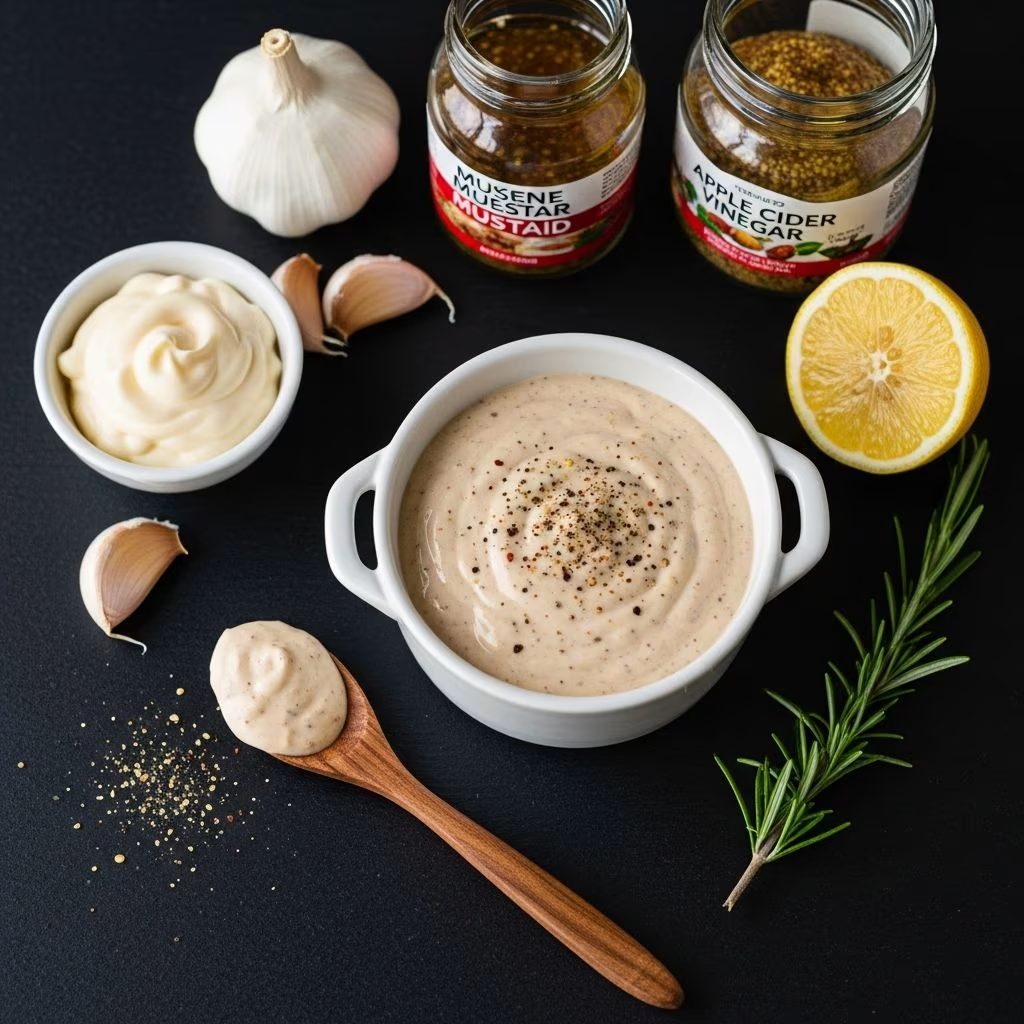
Crafting the perfect Alabama white BBQ sauce starts with high-quality components. Mayonnaise forms the rich base, providing smoothness and emulsion. Apple cider or white vinegar adds necessary sharpness, while lemon juice contributes fresh acidity. Mustard—yellow, spicy brown, or horseradish—brings subtle heat and binds the mixture.
Seasonings like garlic powder, onion powder, salt, pepper, and a touch of sugar or honey round it out. Optional cayenne or hot sauce amps up spice for bolder palates. Here’s a breakdown of a classic formulation:
| Ingredient | Quantity | Role |
|---|---|---|
| Mayonnaise (Duke’s preferred) | 1-1.5 cups | Creamy base |
| Apple cider vinegar | 2-4 tbsp | Tangy acidity |
| Lemon juice | 1-2 tbsp | Bright citrus note |
| Horseradish or mustard | 1-2 tbsp | Heat and depth |
| Worcestershire sauce | 1-2 tsp | Umami boost |
| Garlic/onion powder | ½ tsp each | Aromatic savoriness |
| Salt, pepper, sugar | To taste | Balance |
Adjust ratios to preference: more vinegar for tang, extra mayo for creaminess. Always use full-fat mayo for best texture.
Step-by-Step Guide to Making Alabama White Sauce
Preparation takes under 10 minutes. Begin by whisking mayo in a bowl to loosen it. Gradually incorporate vinegar, lemon juice, and Worcestershire to prevent separation. Stir in mustard or horseradish next, followed by dry spices.
- Combine wet ingredients first: mayo, vinegar, lemon, Worcestershire.
- Add mustard/horseradish for bite.
- Mix in powders, salt, pepper, and a pinch of sugar.
- Whisk vigorously until smooth.
- Refrigerate 2-24 hours for flavors to integrate.
Store in a mason jar; it lasts two weeks refrigerated. Shake before use. Pro tip: Make a double batch—it’s addictive on fries or salads too.
Perfecting Grilled Chicken with White Sauce
Grilled chicken thighs or breasts shine when basted with Alabama white sauce. Bone-in, skin-on thighs yield juiciest results due to higher fat content. Start with a dry brine or rub: salt, pepper, garlic, paprika, and brown sugar for 1-24 hours.
Preheat grill to 400°F for two-zone cooking—hot direct heat for char, cooler indirect for finishing. Pat chicken dry, oil skin, and sear skin-side down 4-5 minutes until golden. Flip, baste with sauce, and cook 3-4 minutes more. Continue flipping and basting every 2-3 minutes until internal temperature hits 165°F.
Reserve some sauce uncooked for serving to avoid cross-contamination. Rest chicken 5 minutes post-grill for juices to redistribute. Dunk or drizzle for maximum flavor adhesion.
Variations and Creative Twists
Customize your sauce endlessly. For heat lovers, add diced jalapeños or extra cayenne. Sweeten with honey for pork ribs. Thin with buttermilk for a pourable dressing on coleslaw.
- Spicy Version: Boost horseradish and add sriracha.
- Herb-Infused: Mix in fresh dill or chives.
- Smoky: Incorporate liquid smoke or chipotle powder.
- Vegan Adapt: Use aquafaba mayo and plant-based alternatives.
Experiment with proteins: dunk fried chicken tenders, marinate fish fillets, or toss pulled pork. It elevates turkey burgers and even grilled veggies like corn or zucchini.
Grilling Techniques for Juicy, Crispy Results
Success hinges on prep and heat management. Dry-brine chicken 1-2 hours or overnight with salt (1 tbsp per pound) to tenderize and crisp skin. Use a rub like brown sugar, paprika, garlic salt, and black pepper.
Aim for medium-high grill temp (375-450°F). Oil grates to prevent sticking. Cook skin-down first over direct heat for char, then indirect to avoid burning sauce sugars. Instant-read thermometer is essential—pull at 160°F; carryover cooks to 165°F.
For whole chicken, spatchcock and smoke at 250°F to 165°F internal, then sauce. Traeger or pellet grills impart extra smoke that complements the sauce’s tang.
Pairing Suggestions and Side Dishes
Balance the sauce’s acidity with creamy sides. Classic pairings:
- Creamy coleslaw (sauce as dressing).
- Baked beans or mac and cheese.
- Hushpuppies or cornbread.
- Pickles for crunch.
- Grilled corn with butter.
Drinks: Sweet tea, light beers, or bourbon cocktails cut richness. For dessert, pecan pie or banana pudding nods to Southern roots.
Storage, Safety, and Make-Ahead Tips
Sauce keeps 2 weeks in fridge; freeze up to 3 months (thaw slowly). Discard if it smells off or separates irreversibly. Basting portion: ladle into separate bowl to avoid raw meat contamination.
Make-ahead: Sauce improves after 24 hours. Prep rub-seasoned chicken day prior. Grill day-of for best texture.
Common Mistakes and How to Avoid Them
- Over-saucing early: Apply only after first flip to prevent burning.
- Skipping chill time: Flavors need melding—don’t rush.
- Low-fat mayo: Leads to watery sauce.
- Not resting chicken: Juices escape if cut immediately.
FAQ
What makes Alabama white sauce different from other BBQ sauces?
It’s mayo-based for creaminess and vinegar-forward for tang, unlike tomatoey or molasses-heavy styles.
Can I use this sauce on non-chicken dishes?
Yes—pork, fish, fries, wings, or salads all benefit from its versatility.
How long does homemade white sauce last?
Up to 2 weeks refrigerated in an airtight container.
Is there a sugar-free version?
Omit sugar/honey; vinegar and citrus provide balance.
Best chicken cut for this recipe?
Bone-in thighs for juiciness, breasts for leaner option.
Nutritional Insights and Serving Ideas
A 2-tbsp serving offers ~150 calories, mostly from mayo fats. High in vitamin C from lemon. Serve family-style: platter of dunked thighs over greens, drizzled generously.
References
- Alabama White Barbecue Sauce Grilled Chicken — Buns in My Oven. 2023-06-15. https://www.bunsinmyoven.com/alabama-white-barbecue-sauce-grilled-chicken/
- Alabama White Sauce {White BBQ Sauce} — Ask Chef Dennis. 2024-02-10. https://www.askchefdennis.com/alabama-white-sauce-white-bbq-sauce/
- Crispy Chicken Thighs with Alabama White Sauce — Fire & Smoke Society. 2023-11-20. https://fireandsmokesociety.com/blogs/recipes/crispy-chicken-thighs-with-alabama-white-sauce