Mediterranean cuisine celebrates simplicity, fresh ingredients, and bold flavors—qualities that make bowl-based meals both appealing and practical for modern home cooks. The combination of tender poultry, zesty yogurt sauce, and vibrant vegetables creates a meal format that works equally well for weeknight dinners and meal-prep sessions. This comprehensive guide walks you through every aspect of creating these satisfying bowls, from selecting the right cuts of meat to layering components for maximum visual and culinary appeal.
Understanding the Foundation: Base Grains and Greens
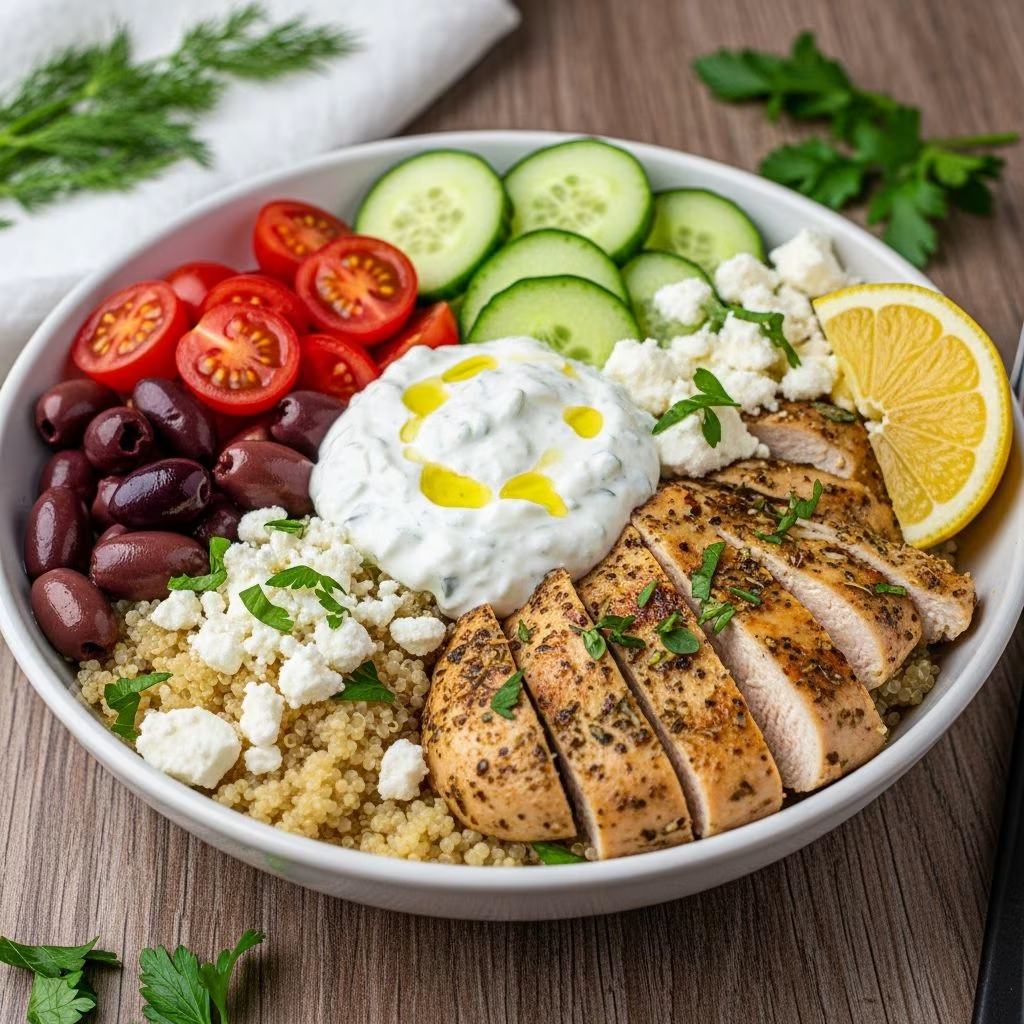
The foundation of any successful bowl recipe determines both the nutritional profile and the overall eating experience. Most traditional preparations utilize either white rice or quinoa as their base, each offering distinct advantages. White rice provides a neutral canvas that allows complementary flavors to shine, while quinoa contributes a nutty undertone and additional protein content. The choice between these options depends on personal preference, dietary goals, and the specific flavor profile you aim to achieve.
Beyond grains, leafy greens such as spinach, arugula, or mixed lettuce varieties offer lighter alternatives for those seeking reduced carbohydrate content. These greens provide structural contrast and add micronutrients including iron, calcium, and vitamins A and K. The base layer should occupy approximately one-third to one-half of the bowl’s volume, providing enough substance to support the protein and toppings without overwhelming the dish.
Preparing the Yogurt Marinade: Technique and Timing
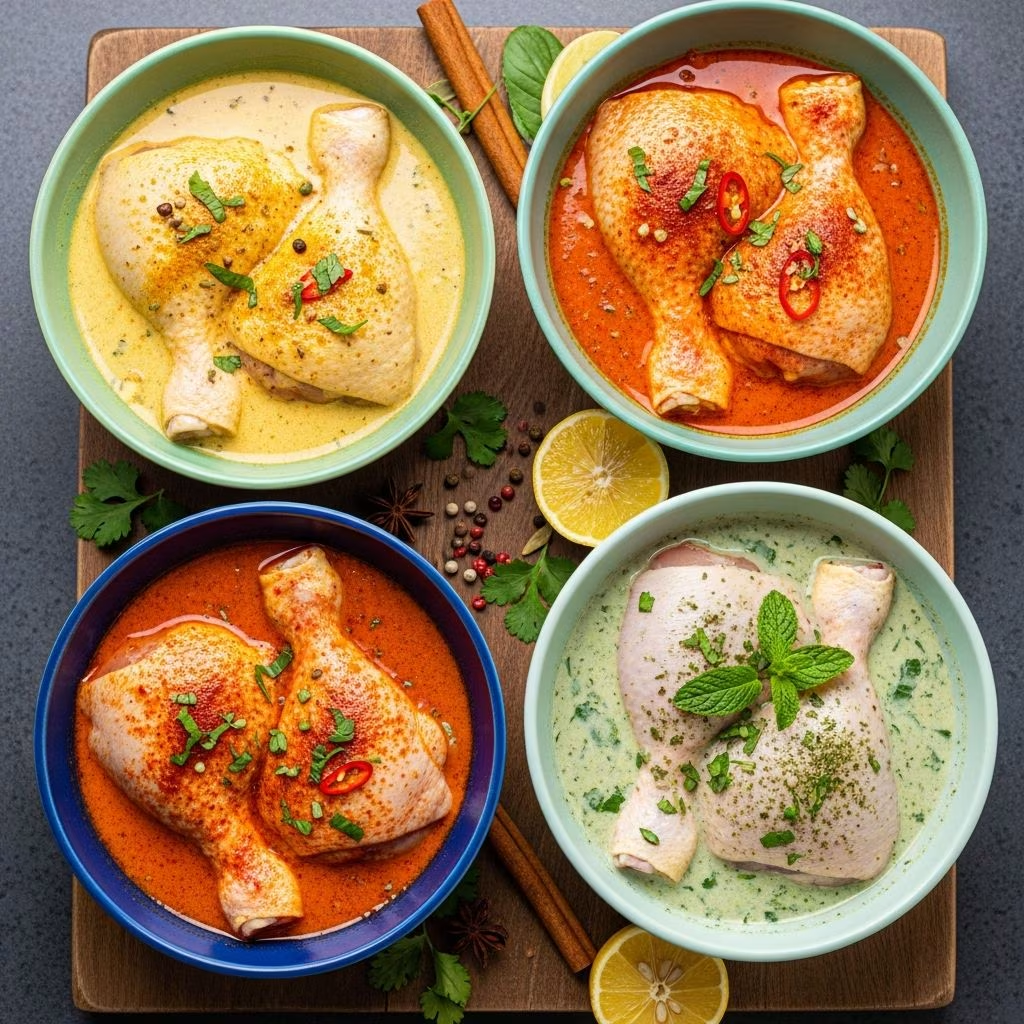
The yogurt marinade represents the flavor centerpiece of these bowls. Greek yogurt serves as the primary base due to its creamy texture and high protein concentration, which ranges from 15 to 20 grams per serving. The marinade combines Greek yogurt with aromatic elements including minced garlic, fresh lemon juice, and olive oil. Common spice additions include dried oregano, smoked paprika, ground cumin, and red pepper flakes, with proportions adjusted according to heat preference.
Marinating duration significantly impacts final flavor development. A minimum 30-minute marination allows surface flavor absorption, while extended marination periods ranging from 2 to 8 hours enable deeper penetration of seasonings throughout the chicken tissue. For optimal results, prepare the marinade the evening before cooking, allowing overnight refrigeration to enhance flavor complexity. This advance preparation also accommodates busy schedules, as the chicken can be cooked whenever convenient the following day.
Selecting and Preparing Chicken: Cuts and Techniques
Two primary chicken cuts work exceptionally well for this preparation: boneless, skinless chicken thighs and chicken breasts. Chicken thighs contain more intramuscular fat, resulting in juicier, more flavorful meat even with extended cooking times. Breasts offer a leaner option with lower fat content, making them suitable for those managing saturated fat intake. Regardless of cut selection, remove visible fat and cut meat into uniform pieces—typically 1-inch cubes or thick strips—ensuring even cooking throughout.
Three cooking methods produce excellent results: grilling, oven-roasting, and pan-searing. Grilling over medium-high heat (around 400-450°F) creates appealing char marks and smoky undertones, typically requiring 8-12 minutes until internal temperature reaches 165°F. Oven-roasting at 400°F takes approximately 25-30 minutes, offering hands-off convenience. Pan-searing on the stovetop provides quick results for time-constrained preparations. Regardless of method, allowing the cooked chicken to rest for 5-10 minutes after cooking permits carryover cooking and improves moisture retention.
Constructing Vibrant Vegetable Components
Fresh vegetables contribute essential nutrients, textural variety, and visual appeal. A foundational vegetable combination includes diced tomatoes, sliced cucumbers, and thin-sliced red onions. These ingredients can be served raw for crisp texture or lightly pickled by combining with vinegar, water, and salt for tangy flavor enhancement and extended shelf life—an advantage for meal preparation.
Avocado adds creamy richness and healthy monounsaturated fats, though it requires addition immediately before serving to prevent oxidative browning. Arugula, spinach, or mixed greens provide additional fiber and phytonutrients. Some preparations incorporate roasted vegetables such as zucchini or bell peppers, which introduce different flavor dimensions and appeal to those preferring cooked vegetables over raw preparations.
Creating Authentic Tzatziki Sauce
Tzatziki sauce represents the cooling, flavor-unifying element essential to these bowls. This traditional Greek condiment combines Greek yogurt with grated cucumber, fresh dill, minced garlic, lemon juice, and olive oil. The cucumber requires thorough squeezing after grating to remove excess moisture, preventing the sauce from becoming watery. Salt and ground black pepper round out the flavor profile. The sauce can be prepared 2-5 days in advance and refrigerated, making it ideal for meal-prep applications.
The sauce’s ratio of ingredients can be adjusted based on desired consistency and intensity. Those preferring thinner sauce add additional lemon juice or incorporate a small quantity of water. Fresh dill defines the sauce’s character; dried dill creates a noticeably different flavor experience and should be substituted at approximately one-third the fresh quantity.
Additional Toppings and Flavor Enhancers
Beyond core components, several supplementary toppings elevate the final bowl. Crumbled feta cheese contributes salty, tangy notes and creamy texture. Kalamata olives provide briny complexity. Pickled red onions add sharp acidity and striking visual color. Toasted pine nuts or chickpeas contribute textural contrast and additional protein. Fresh herbs including parsley, cilantro, or additional dill provide aromatic brightness.
For those seeking additional sauce variety, tahini-based dressings complement the core components. These consist of tahini blended with water, lemon juice, garlic, and salt, creating a nutty, earthy counterpoint to the cooling tzatziki. Drizzling both sauces across the assembled bowl creates visual interest and flavor complexity.
Assembly and Presentation Strategies
Visual presentation influences both appetite appeal and eating experience. Rather than mixing components together, arrange toppings in distinct sections radiating from the center. This sectional arrangement allows diners to control flavor intensity by selecting which components to consume in each bite. Begin with the grain or green base, then layer protein, vegetables, and cheese in organized sections. Finish with sauce drizzled across the top and fresh herbs sprinkled for color contrast.
For meal-prep applications, store components separately in sealed containers and assemble bowls immediately before consumption. This prevents moisture absorption by grains and maintains vegetable crispness. Sauces and dressings should be stored in separate containers, added only at serving time.
Nutritional Considerations and Health Benefits
These bowls offer significant nutritional advantages. Greek yogurt provides protein for muscle maintenance and satiety. Vegetables contribute fiber for digestive health and micronutrients for immune function. Olive oil supplies heart-healthy monounsaturated fats and polyphenol antioxidants. The combination of protein, fiber, and healthy fats creates meals that sustain energy levels and promote satiety between feedings.
Calorie content varies based on portion sizes and specific toppings selected, but typical bowls range from 400-600 calories per serving. Those managing specific macronutrient ratios can adjust components accordingly—increasing vegetable volume while reducing grains, for example, or substituting chicken thighs with breasts to reduce fat content.
Meal Preparation and Storage Guidelines
These bowls excel as meal-prep vehicles. Cook multiple chicken portions in advance, storing cooked meat in refrigerated containers for up to four days. Similarly, prepare tzatziki sauce and vegetable components several days ahead. Grains can be cooked in batches and refrigerated. When assembly time arrives, simply combine pre-prepared components into bowls. This approach saves significant preparation time throughout the week.
For food safety, maintain refrigeration temperatures below 40°F and consume prepared meals within three to four days. Freeze cooked chicken for longer storage, though frozen portions should be thawed in refrigeration before reheating.
Customization and Variation Possibilities
While the classic preparation stands on its own merit, numerous variations accommodate different preferences and dietary requirements. Vegetarian versions substitute chickpeas or roasted tofu for poultry. Low-carbohydrate adaptations use cauliflower rice or simple lettuce bases. Spice enthusiasts increase red pepper flakes or add Calabrian chili paste to the marinade. Those with dairy restrictions replace Greek yogurt with coconut yogurt and feta with nutritional yeast or additional herbs.
Common Questions About Preparation
Q: Can I prepare these bowls in advance for the entire week?
A: Store components separately in sealed containers and assemble no more than 24 hours before consumption to maintain optimal texture and freshness. Prepared grains stay fresh for 3-4 days, cooked chicken for 4 days, and tzatziki sauce for 5 days when properly refrigerated.
Q: What grain alternatives work well?
A: Beyond rice and quinoa, try farro, barley, or couscous for different flavor and texture profiles. For lower-carbohydrate options, use cauliflower rice, zucchini noodles, or leafy greens as the base.
Q: How can I make the marinade spicier?
A: Increase red pepper flakes incrementally, or incorporate Calabrian chili paste, sriracha, or harissa according to heat preference. Start with small quantities and adjust upward as needed.
Q: Is it necessary to marinate overnight?
A: No—30 minutes provides adequate flavor development for busy schedules. However, extended marination from 2-8 hours creates deeper, more complex flavor profiles.
Q: Can these bowls be frozen?
A: Freeze cooked chicken and prepared sauce separately for up to three months. Fresh vegetables and assembled bowls do not freeze well due to texture degradation. Thaw components in refrigeration before reheating.
References
- Spicy Chicken Tzatziki Bowls Recipe — Little Spice Jar. Accessed April 9, 2026. https://www.littlespicejar.com/spicy-chicken-tzatziki-bowls/
- Greek-Inspired Chicken Tzatziki Bowls — Good Life Eats. Accessed April 9, 2026. https://www.goodlifeeats.com/greek-chicken-tzatziki-bowls/
- Chicken Tzatziki Bowls — Skinnytaste. Accessed April 9, 2026. https://www.skinnytaste.com/chicken-tzatziki-bowls/
- Easy Greek Chicken Bowls Recipe with Tzatziki Sauce — Mary’s Whole Life. Accessed April 9, 2026. https://www.maryswholelife.com/paleo-greek-chicken-bowls/
- Tzatziki Chicken Bowls with Cucumber Salad — Kalefornia Kravings. Accessed April 9, 2026. https://kaleforniakravings.com/tzatziki-chicken-bowls-with-cucumber-salad/
- Chicken Tzatziki Bowls — Half Baked Harvest. Accessed April 9, 2026. https://www.halfbakedharvest.com/chicken-tzatziki-bowls/
- Greek Chicken Bowls with Tzatziki Sauce — Suburban Simplicity. Accessed April 9, 2026. https://www.suburbansimplicity.com/greek-chicken-bowls-with-tzatziki-sauce/