Understanding Shirred Eggs: A Culinary Classic
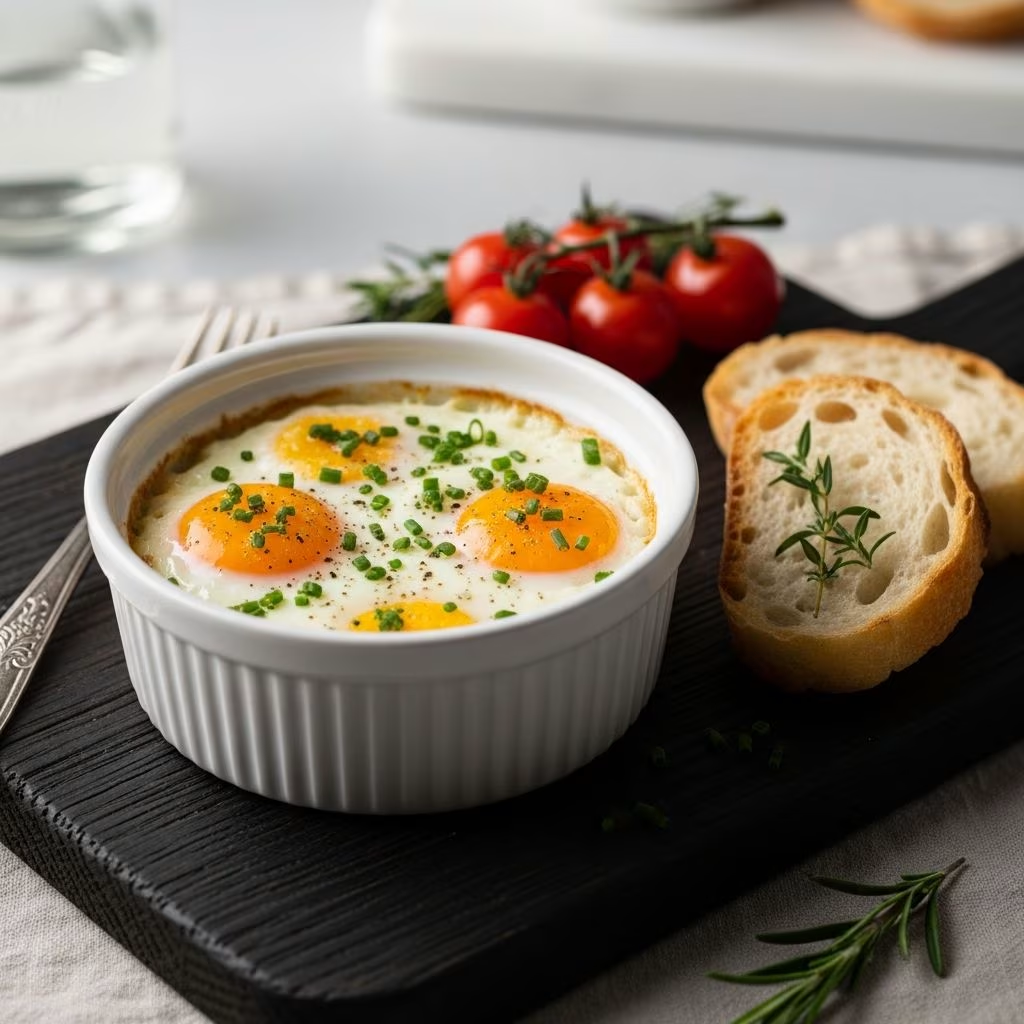
Shirred eggs represent a timeless approach to egg preparation that elevates breakfast from ordinary to extraordinary. This cooking method involves cracking eggs into individual ramekins, enriching them with cream and complementary ingredients, then baking until the whites set while the yolks remain luxuriously soft. The resulting dish features a custard-like texture that feels indulgent despite its straightforward preparation.
The term “shirred” comes from the Old French word for the ramekins themselves—shallow ceramic dishes designed specifically for this purpose. The technique has maintained its popularity across fine dining establishments and home kitchens alike, particularly in French and Continental cuisine, where it exemplifies the principle that exceptional food need not require complex procedures.
Essential Ingredients for Perfect Shirred Eggs
Creating successful shirred eggs begins with understanding each ingredient’s role in the final product. Quality matters significantly when working with such a limited ingredient list, as there are no elaborate flavors to mask inferior components.
The Foundation: Fats and Proteins
Butter serves as the initial coating for your ramekin, preventing sticking and adding richness to the dish. While traditional French preparations favor unsalted butter, some modern interpretations substitute olive oil for a lighter variation. The choice between these fats influences both texture and flavor profile considerably.
Fresh eggs form the centerpiece of this dish. Most recipes call for two large eggs per standard eight-ounce ramekin, though variations exist based on ramekin size. Cold eggs from the refrigerator work best, as they maintain firmer structure during the initial baking phase.
Heavy cream distinguishes shirred eggs from simple baked preparations. This ingredient creates the signature custardy consistency that envelops the eggs during cooking. Typically, two tablespoons of cream per ramekin provides the ideal ratio, though some preferences lean toward slightly more generous portions.
Flavor Enhancers and Garnishes
Cheese selections dramatically impact the final flavor. Gruyère represents the classic choice, offering nutty undertones that complement eggs beautifully. Alternative options include herbed goat cheese for tanginess, Emmental for a milder profile, or Boursin for herb-infused complexity. Fresh grated cheese melts more evenly than pre-shredded varieties.
Fresh herbs, particularly chopped chives, provide bright, onion-like notes that cut through the richness. Other tender herb options include tarragon for subtle anise notes or rosemary for earthier characters. Fresh herbs maintain superior flavor compared to dried alternatives in this delicate preparation.
Salt and freshly ground black pepper complete the seasoning foundation. These basic seasonings allow other flavors to shine rather than overpowering the subtle egg taste.
Advanced Ingredient Combinations and Variations
While the classic preparation stands on its own merits, modern interpretations expand the possibilities considerably. Understanding how additional ingredients layer into the basic formula allows for creative expression while maintaining the dish’s essential character.
Vegetable-Based Additions
Mushrooms contribute earthiness and umami depth to shirred eggs. Thin slicing ensures even cooking and optimal texture. Pairing mushrooms with garlic and thyme creates a sophisticated bed upon which eggs rest, transforming the dish into a more substantial meal. This variation works particularly well for lunch or dinner presentations.
Spinach wilts quickly when combined with warm mushrooms, adding nutritional value and subtle mineral notes. The thirty-second wilting process prevents overcooking while ensuring proper vegetable incorporation.
Meat and Protein Accents
Prosciutto lines ramekin bottoms before egg addition, crisping during the baking process and introducing salty, complex flavors. This addition elevates the dish for special occasions without requiring significant technique modifications.
Bacon bits or lardons provide similar textural contrast and flavor enhancement. The fat rendered during the baking process mingles with cream and eggs, creating deeper flavor complexity.
Equipment Selection and Preparation
Ramekin selection influences both cooking time and presentation quality. Standard eight-ounce ramekins measuring approximately four by five inches provide ideal cooking characteristics. Smaller four-ounce versions work well for single-egg preparations, while larger ramekins accommodate multiple eggs when serving smaller portions to numerous guests.
Different ramekin shapes and depths affect baking duration significantly. Shallower dishes cook faster than deeper ones, requiring careful monitoring during the first attempt with any new dishware. Metal ramekins conduct heat more readily than ceramic alternatives, potentially accelerating the process.
Thorough buttering of ramekins prevents sticking and facilitates easy release after baking. Attention to this preliminary step eliminates frustration during plating and ensures picture-perfect presentations.
Step-by-Step Preparation Method
Preheating and Setup
Oven temperature ranges between 350°F and 375°F depending on desired yolk doneness. Most sources recommend 375°F for optimal results, yielding set whites and creamy yolks within eleven to thirteen minutes. Lower temperatures require extended cooking times, risking overdone yolks.
Preparing ramekins while the oven preheats ensures everything reaches proper temperature simultaneously. This timing coordination prevents unnecessary delays between preparation and baking.
Layering Components
Begin by coating ramekin surfaces thoroughly with softened butter. Pour cream into the prepared ramekin, creating a luxurious base. Crack eggs directly onto the cream surface, taking care to maintain intact yolks. Using a spoon to position yolks toward the center ensures even cooking and attractive presentation.
Sprinkle salt, pepper, and fresh herbs across the surface before adding cheese. This sequence allows flavors to distribute evenly and prevents herbs from clumping under cheese weight.
Baking Technique
Monitoring progress becomes essential around the ten-minute mark. Ramekins should appear slightly undercooked when removed from the oven, as residual heat continues the cooking process. This technique prevents hard, overcooked yolks that lack the desired creamy texture.
Allow finished shirred eggs to rest for two to three minutes after removal from the oven. This settling period permits internal temperatures to equalize and allows steam to escape, preventing a watery final product.
Serving Suggestions and Accompaniments
Shirred eggs benefit from structured accompaniments that provide contrasting textures and flavors. Toasted English muffins or brioche offer ideal bread options for scooping and sauce absorption. Crusty artisanal bread, particularly sourdough or Italian varieties, presents alternative choices for upscale presentations.
Pairing shirred eggs with light salads featuring vinaigrette dressing creates balanced meals. The acidic dressing cuts through cream richness while complementing egg flavors.
For special occasion menus, consider combining shirred eggs with items like crab cakes or asparagus preparations. These proteins elevate the entire meal presentation without overshadowing the featured egg dish.
Timing and Temperature Considerations
| Oven Temperature | Estimated Baking Time | Yolk Consistency |
|---|---|---|
| 350°F (175°C) | 15 minutes | Soft and runny |
| 375°F (190°C) | 11-13 minutes | Creamy with slight firmness |
| 390°F (200°C) | 12-15 minutes | Firm but not hard |
These timings represent general guidelines that may require adjustment based on individual oven characteristics and ramekin specifications. Convection ovens typically reduce cooking times by approximately ten to fifteen percent compared to conventional models.
Customization Framework for Dietary Preferences
Modern cooking accommodates diverse dietary requirements without sacrificing dish integrity. Whole milk or coconut cream substitutes work when dairy allergies prevent cream use, though texture variations emerge. Dairy-free options produce slightly less custard-like results but remain delicious and satisfying.
Vegetarian guests appreciate mushroom and spinach variations that eliminate meat components entirely. Herb-forward preparations using multiple fresh varieties create complexity without animal products.
Gluten-free serving simply requires avoiding traditional bread accompaniments in favor of naturally gluten-free options or omitting bread entirely. The core dish itself contains no gluten-containing ingredients.
Troubleshooting Common Preparation Challenges
Overcooked yolks result from excessive baking time or oven temperatures that run hot. Remove ramekins when eggs appear slightly underdone, trusting residual heat to complete the cooking process.
Undercooked whites indicate insufficient oven temperature or timing. Verify oven calibration using an independent thermometer, as many home ovens operate at temperatures significantly different from their displayed settings.
Sticking issues arise from inadequate buttering or using insufficiently softened butter. Ensure butter fully coats all ramekin surfaces, particularly bottom corners and seams.
Watery texture develops when eggs release excess moisture during cooling. Extending rest periods allows water to evaporate while maintaining yolk creaminess.
Frequently Asked Questions
Can shirred eggs be prepared in advance?
Preparation up to the baking point is entirely feasible. Assemble ramekins with all ingredients, refrigerate for up to four hours, then bake directly from cold. Extend baking time by two to three minutes when starting from refrigerated temperature.
What distinguishes shirred eggs from scrambled or fried preparations?
The baking method creates a unique custard-like texture impossible to achieve through stovetop cooking. Cream incorporation and slower, gentler heat application produce the characteristic creamy consistency while maintaining intact yolks.
How many servings does a standard shirred egg preparation yield?
A single eight-ounce ramekin contains one serving as a component of a larger breakfast or two eggs as a light lunch option. Adjust quantities based on your intended meal role and guest appetite.
Can different cheeses be mixed in a single preparation?
Yes, combining complementary cheeses creates interesting flavor profiles. Pairing sharp aged Gruyère with milder Emmental or adding pungent Boursin to mild goat cheese produces sophisticated results.
What causes the occasional separation of cream from eggs during cooking?
Excessive oven temperature or extended baking time causes cream separation. Monitor closely and remove ramekins when whites barely set. Residual heat completes the cooking process.
Nutritional Considerations and Health Aspects
Shirred eggs provide substantial protein from eggs and additional calories from cream and butter, making them appropriate for hearty breakfasts but perhaps less suitable for calorie-restricted diets. The high-fat content promotes satiety and supports absorption of fat-soluble vitamins present in eggs.
Vegetable variations incorporating mushrooms and spinach add fiber and micronutrients without significantly increasing calorie counts. These additions provide nutritional balance to otherwise protein and fat-focused preparations.
Occasion-Specific Presentation Ideas
Shirred eggs fit beautifully into holiday menus, particularly Easter brunches where their elegant appearance impresses guests. The individual ramekin presentation suggests thoughtful planning and fine dining sensibilities.
Weekend entertaining benefits from advance assembly followed by simultaneous baking. Multiple ramekins in the oven coordinate timing for group service, ensuring all guests receive hot, properly cooked portions simultaneously.
Romantic dining for two benefits from the intimate, luxurious nature of shirred eggs. The presentation communicates care and attention to detail while requiring minimal last-minute fussing during entertaining.
Final Thoughts on Mastering Shirred Eggs
Shirred eggs demonstrate that excellence in cooking often emerges from understanding fundamentals rather than mastering complex techniques. The combination of quality ingredients, proper equipment, and careful timing produces impressive results accessible to cooks of any skill level. Whether preparing for casual family breakfast or elegant entertaining, this versatile dish adapts to countless variations while maintaining its essential character. The investment in understanding the basic formula opens doors to creative expression limited only by imagination and available ingredients.
References
- Stephanie’s Dish Shirred Eggs Recipe — Stephanie’s Dish. Accessed April 2026. https://www.stephaniesdish.com/shirred-eggs/
- Best Shirred Eggs Recipe — Downshiftology. Accessed April 2026. https://downshiftology.com/recipes/shirred-eggs/
- Shirred Eggs (Baked Eggs with Spinach & Mushrooms) — RecipeTin Eats. Accessed April 2026. https://www.recipetineats.com/shirred-eggs-baked-eggs/
- Shirred Eggs Recipe — The Modern Proper. Accessed April 2026. https://themodernproper.com/shirred-eggs