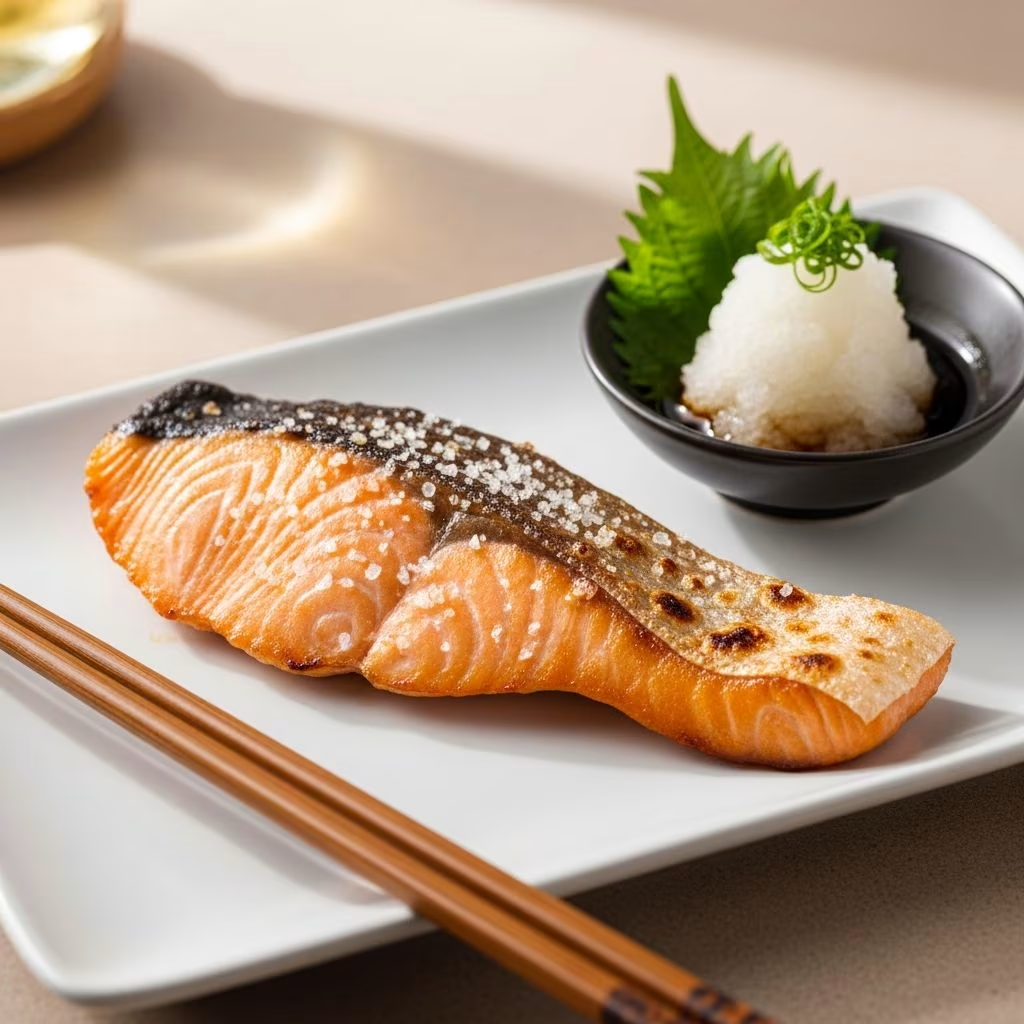
Shioyaki represents a cornerstone of Japanese home cooking, where whole fish is seasoned solely with salt and grilled to perfection. This minimalist approach celebrates the ingredient’s natural taste, especially during seasonal peaks like autumn when Pacific saury, or sanma, takes center stage. Unlike heavily sauced dishes, shioyaki relies on precise timing and heat to achieve crispy skin and tender flesh.
The Essence of Shioyaki in Japanese Culinary Tradition
Shioyaki, meaning ‘salt-grilled,’ embodies simplicity and respect for fresh seafood. In Japan, it’s a daily staple, often prepared with whatever fish is abundant. The technique draws out moisture for crispiness while preserving juiciness inside. Pacific saury, known as sanma or ‘autumn knife fish’ due to its shape and season, exemplifies this dish. Its slightly bitter intestines pair beautifully with fresh accompaniments, creating a balanced flavor profile unique to Japanese palates.
This method dates back centuries, rooted in coastal lifestyles where grilling over open flames preserved fish without refrigeration. Today, it’s accessible worldwide using ovens or stovetops, making it ideal for beginners and experts alike. The key is fresh fish and kosher salt, which draws out impurities without overpowering the meat.
Selecting the Ideal Fish for Shioyaki
Choose firm, shiny fish with clear eyes and red gills for best results. Sanma is prime in fall, but alternatives like mackerel, sardines, or trout work year-round. Aim for whole fish, 8-12 inches long, to ensure even cooking. Avoid pre-scaled or gutted versions if possible, as intact preparation enhances authenticity.
- Sanma (Pacific saury): Fatty, seasonal star with sword-like body.
- Aji (horse mackerel): Smaller, milder option for quick cooks.
- Saba (mackerel): Oilier fish that crisps beautifully.
- Whole trout: Freshwater substitute for non-seafood lovers.
Freshness is non-negotiable; frozen fish can work but loses some texture. Source from trusted fishmongers or markets advertising daily catches.
Essential Ingredients and Tools
Shioyaki’s beauty lies in its brevity: fish, salt, and minimal extras. Here’s a foundational list for one serving:
| Ingredient | Quantity | Purpose |
|---|---|---|
| Pacific saury or similar fish | 1 whole (8-10 inches) | Main protein |
| Diamond Crystal kosher salt | 1/2 – 1 tsp | Seasoning and crisping |
| Sake (optional) | 1 Tbsp | Odor removal and tenderizing |
| Daikon radish | 1-inch piece, grated | Accompaniment |
| Soy sauce | 1 Tbsp | Dipping |
| Lemon or sudachi | 1 wedge | Citrus brightness |
Tools include a sharp knife, paper towels, grater, broiler or grill pan, and foil-lined tray. Japanese fish grills excel but aren’t essential.
Step-by-Step Preparation Guide
Prep takes under 15 minutes, cooking 10-15. Patience yields flawless results.
- Clean the fish: Slit belly from throat to tail, remove guts under cold water. Scrape scales if present. Pat completely dry.
- Deodorize (optional): Soak in sake for 5 minutes, then pat dry again. This fluffs texture and cuts fishiness.
- Salt strategically: Sprinkle salt on both sides and cavity right before cooking. Let sit 2-5 minutes; excess draws out moisture.
- Prepare sides: Grate daikon, squeeze lightly, mix with soy sauce. Halve citrus.
Grilling Techniques
Broiler method (recommended): Preheat to medium-high (500°F), rack 6 inches from heat. Oil foil, place fish skin-up. Broil 8-10 minutes, flip once, until blistered and internal temp hits 145°F.
Oven bake: 425°F on parchment, 10-15 minutes, flipping midway.
Stovetop grill pan: Medium heat, oil lightly, 5 minutes per side. Steam-cover briefly for juiciness, then crisp.
Monitor closely; sanma’s oils cause flare-ups. Done fish flakes easily with crispy, charred skin.
Perfect Pairings and Serving Suggestions
Serve hot with grated daikon-soy mix to cut richness, plus citrus squeeze. Essential sides:
- Steamed white rice for soaking juices.
- Miso soup for umami balance.
- Pickled vegetables for crunch.
- Green tea to cleanse palate.
Family-style presentation on shared platters encourages communal eating, traditional in Japan.
Variations to Elevate Your Shioyaki
Adapt for preferences while honoring tradition.
- Miso-glazed: Brush with miso-sake mix post-grill.
- Spicy twist: Add shichimi togarashi to salt.
- Herb-infused: Sprinkle yuzu zest or shiso leaves.
- Small bites: Use sardines for yakitori-style skewers.
For larger gatherings, scale up to whole sea bream (tai). Vegetarians can approximate with firm tofu or eggplant slices.
Common Pitfalls and Pro Tips
Avoid these for success:
- Over-salting: Use kosher salt sparingly; sea salt is finer, use half amount.
- Skipping dry pat: Wet fish steams, not crisps.
- Low heat: High initial sear locks juices.
- No thermometer: Aim for 145°F internally.
Pro tip: Grill in batches to maintain heat. Leftovers? Flake into rice balls (onigiri).
Nutritional Profile and Health Benefits
Sanma shioyaki is nutrient-dense: high in omega-3s for heart health, vitamin D for bones, and protein. A 6-oz serving offers ~250 calories, 30g protein, minimal carbs. Daikon adds digestive enzymes and vitamin C. Low-sodium if moderated.
Seasonal Context: Why Autumn Shines
Fall sanma peak in Japan coincides with cooler weather, making hearty grilled fish comforting. Markets overflow, prices drop, flavors intensify from fattier profiles post-summer feeding.
FAQs
What if I can’t find sanma?
Substitute mackerel or sardines; adjust cook time for thickness.
Is gutting necessary?
Yes for bitterness balance with daikon; remove if sensitive to strong flavors.
Can I use regular table salt?
Yes, but half the amount—it’s denser than kosher.
How to store leftovers?
Refrigerate up to 1 day; reheat gently to avoid drying.
Fish grill alternatives?
Broiler, oven, or grill pan all mimic results effectively.
Conclusion: Embrace Simplicity
Shioyaki teaches that great cooking needs little. Master it to unlock seafood’s true potential, one salty, crispy bite at a time.
References
- Sanma Shioyaki (Salt-Grilled Pacific Saury) — Just One Cookbook. 2023-10-15. https://www.justonecookbook.com/sanma-shioyaki-salt-grilled-pacific-saury/
- How to Make Sanma Shioyaki (Salt-Grilled Pacific Saury) — Japanese Taste. 2024-05-20. https://japanesetaste.com/blogs/japanese-taste-recipes/how-to-make-sanma-shioyaki-salt-grilled-pacific-saury