Caramelized onions represent one of the most transformative techniques in home cooking, converting simple, pungent alliums into deep, complex, sweet morsels of concentrated flavor. This process requires patience and understanding rather than complicated equipment or rare ingredients. When executed properly, caramelized onions become the foundation for countless dishes, elevating both everyday meals and special occasion creations with their natural umami richness.
Understanding the Chemistry Behind Caramelization
The transformation of onions during caramelization involves several distinct chemical reactions. As onions cook slowly over moderate heat, their natural sugars gradually break down and recombine into new flavor compounds. Simultaneously, the moisture content evaporates, concentrating the remaining flavors and creating a dense, glossy texture. The Maillard reaction—the browning process that develops complex flavors—occurs as amino acids in the onions interact with those concentrated sugars, creating hundreds of new flavor molecules.
This extended cooking process also neutralizes the sharp, pungent sulfur compounds present in raw onions, replacing them with sweet and savory notes. The result is a product entirely different from its raw state, with a complex flavor profile that enhances rather than overwhelms other ingredients in a dish.
Essential Preparation and Ingredient Selection
Success in caramelizing onions begins with thoughtful preparation and selection. The volume of onions required often surprises home cooks—starting with significantly more than the desired final quantity ensures adequate yield after moisture evaporation. During the caramelization process, onions lose substantial water content, reducing their volume dramatically. What begins as a full pot of sliced onions can yield just a few spoonfuls of concentrated caramel once cooking completes.
For optimal results, select yellow or white onions rather than red varieties. Yellow onions contain higher natural sugar content, which caramelizes more effectively and creates deeper, more complex flavors. Red onions, while flavorful, tend to lose their color and produce less satisfying results. Medium onions, peeled and halved lengthwise, slice most efficiently when the flat side rests against the cutting surface.
Thickness Considerations
Onion thickness dramatically affects cooking time and final texture. Thin slices, approximately one-eighth inch thick, cook more evenly and uniformly than thicker cuts. Uniform sizing ensures that all pieces reach the desired golden-brown state simultaneously, preventing some pieces from burning while others remain insufficiently cooked. A sharp chef’s knife or mandoline produces consistent slices that cook predictably.
The Cooking Process: Technique and Timing
Low and slow cooking defines successful caramelization. The technique requires medium or medium-low heat rather than high temperatures, which can cause exterior browning without thorough caramelization of interior sugars. The cooking vessel matters significantly—a heavy-bottomed pot or skillet distributes heat evenly, preventing hot spots that cause uneven browning or burning.
Initial Phase: Water Release
Begin cooking by placing sliced onions in the pot without any added fat. During the first 10-15 minutes, onions release their internal moisture through steaming. Stir occasionally to prevent sticking. Once the onions have substantially reduced in volume and released most of their liquid, add a small amount of fat—butter, olive oil, or a combination—to coat the onions evenly.
Middle Phase: Browning Development
Over the next 30-45 minutes, continue cooking over medium-low heat, stirring every 5-10 minutes. During this phase, the onions gradually develop color, progressing from pale yellow to light golden. The edges may brown first; gentle stirring distributes color more evenly. At this stage, subtle caramel aromas begin emerging, though the onions still maintain some texture.
Final Phase: Deep Caramelization
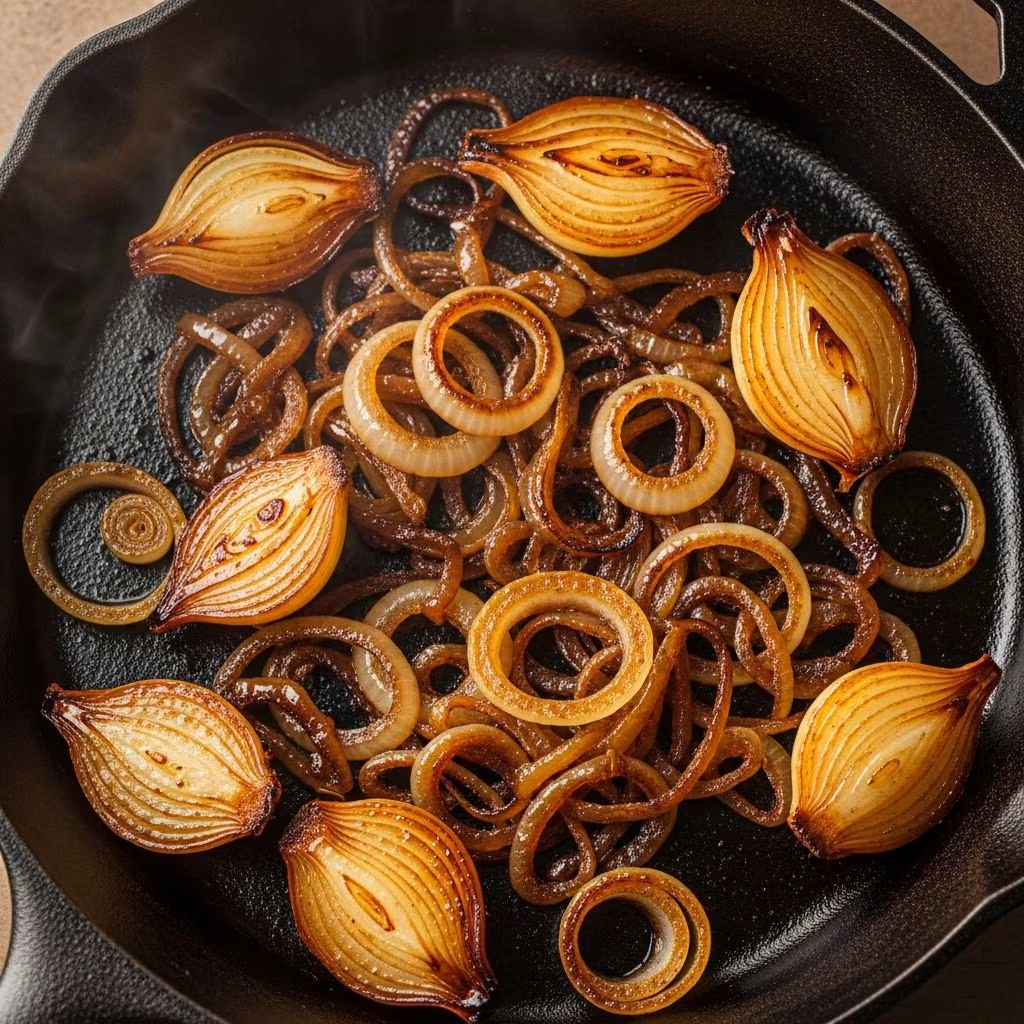
The final 15-30 minutes bring the characteristic dark golden-brown color and concentrated flavor. Stir more frequently during this phase to ensure even browning and prevent burning. The onions should appear glossy and sticky, clumping together slightly when stirred. They should smell distinctly sweet and caramel-like, with no burnt or harsh aromas.
Troubleshooting Common Challenges
Several issues can disrupt successful caramelization. If onions brown too quickly, immediately reduce heat and add a splash of liquid—water, broth, or wine—to halt the browning process temporarily. If the pot bottom develops hard, stuck-on bits prematurely, deglazing with liquid loosens these flavorful fragments, which actually contribute wonderful depth to the finished product.
Burnt onions develop a distinctly acrid flavor that cannot be corrected. Prevention through careful temperature management proves far easier than remedy. If browning seems to accelerate unexpectedly, remove the pot from heat briefly, allowing it to cool slightly before continuing.
Flavor Enhancement Additions
While caramelized onions achieve excellence through the basic technique alone, careful additions can further develop flavor complexity. Salt, added partway through cooking, hastens moisture release and seasons the onions evenly. Fresh thyme, rosemary, or other hardy herbs added during the final cooking phase infuse subtle herbal notes without overwhelming the primary onion flavor.
A small splash of balsamic vinegar, red wine, or brandy added near the end of cooking introduces tangy or complex undertones. These additions should be minimal, as excessive liquid reintroduction can disrupt the caramelization process. Adding just enough to deglaze the pan and evaporate away quickly produces optimal results.
Storage and Make-Ahead Convenience
Caramelized onions maintain quality refrigerated in an airtight container for up to one week. For longer storage, freezing extends shelf life to several months. Portion into ice cube trays for convenient use in smaller quantities, or transfer to freezer containers. When thawing, gently reheat in a pot or skillet over low heat, adding a splash of liquid if the mixture seems too dry.
The make-ahead convenience of caramelized onions makes them ideal for meal planning. Preparing a large batch on a weekend provides ready-to-use component for weeknight dishes, significantly reducing cooking time for meals incorporating this ingredient.
Versatile Applications Across Meals
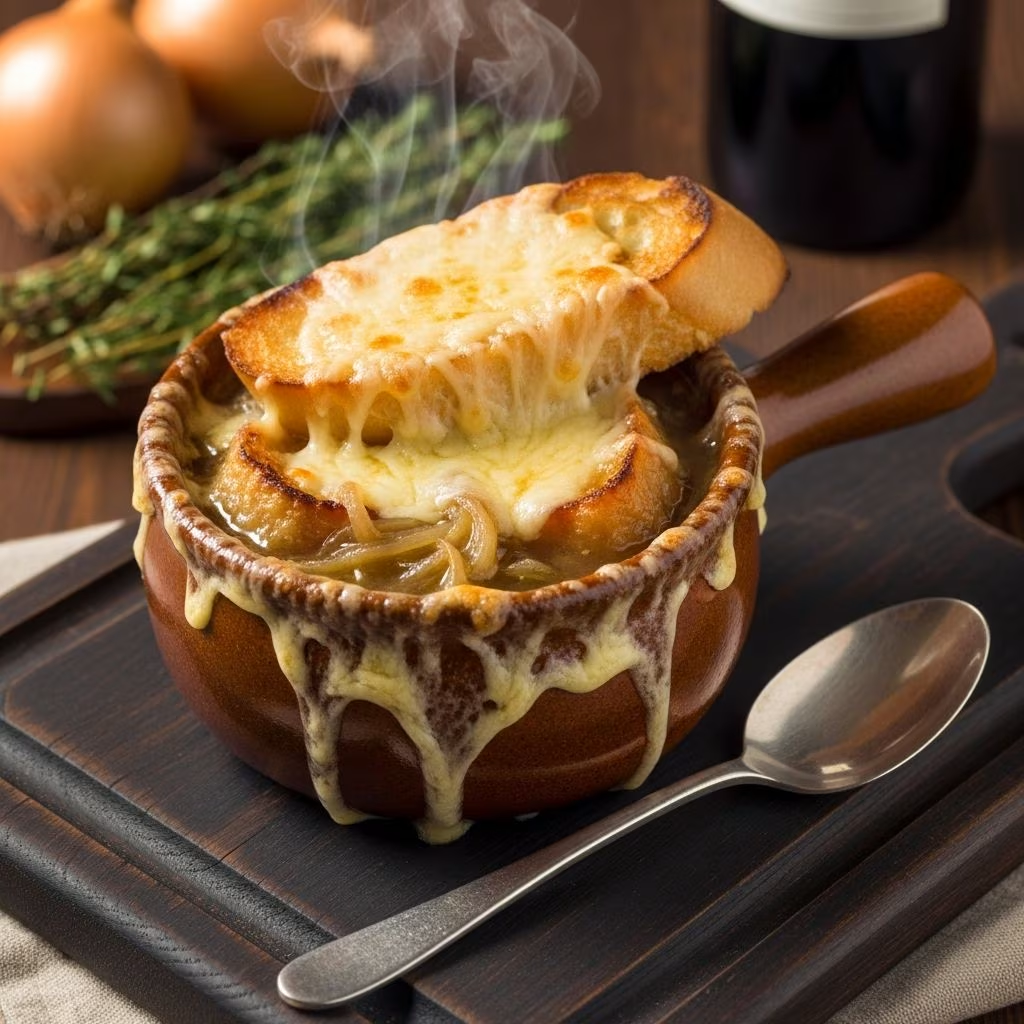
The applications for caramelized onions extend far beyond traditional French onion soup, though that classic remains delicious. These versatile nuggets enhance savory appetizers when spooned onto crispy crostini topped with melted cheese. They transform simple breakfast items—stirred into scrambled eggs, layered in breakfast sandwiches, or crowning morning grain bowls—with sophisticated depth.
For main courses, caramelized onions elevate sandwiches, burgers, and hot sandwiches with jammy sweetness balancing other ingredients. Mixed into creamy pasta dishes, they add textural interest and complex flavor notes. Layered into vegetable gratins or grain-based casseroles, they contribute umami richness throughout the dish. As a topping for grilled proteins or roasted vegetables, they add finishing elegance.
Sandwich and Appetizer Ideas
- Crispy toast rounds topped with caramelized onions and melted Gruyère cheese
- Savory hand pies or pastries filled with caramelized onions and herbs
- Cheese boards featuring caramelized onion jam alongside various cheeses and bread
- Spread on sandwich bread as a flavor base beneath meats and vegetables
Main Course Integration
- Mixed into macaroni and cheese for subtle sweetness
- Layered into frittatas and baked egg dishes
- Spooned over seared steaks or pork chops
- Folded into risotto during the final stirring
- Mixed into burger filling or topped onto finished patties
Nutritional Value and Health Considerations
Beyond flavor, caramelized onions contribute genuine nutritional benefits. Onions contain quercetin, a flavonoid antioxidant supporting overall health. Medium-sized onions provide substantial vitamin C content, rivaling that of apples. The slow cooking process that creates caramelization concentrates these nutrients while onions remain whole, preserving their beneficial compounds.
Caramelized onions contain minimal fat when prepared with modest oil quantities, making them accessible for various dietary approaches. The natural sugars in onions undergo chemical changes during caramelization, resulting in products with different glycemic properties than raw onions, though moderation remains appropriate for those monitoring sugar consumption.
Equipment and Tools for Success
While caramelizing onions requires no specialized equipment, certain tools facilitate the process. A heavy-bottomed stainless steel pot or cast iron skillet distributes heat evenly, preventing hot spots. A sturdy wooden spoon or silicone spatula allows comfortable stirring without damaging the cookware. Sharp knives or mandolines produce uniform slices more efficiently than dull blades.
A kitchen timer prevents inadvertent burning or undercooking by providing periodic reminders. Measuring spoons ensure consistency when adding salt, herbs, or liquid additions. None of these items is essential, but each contributes to more consistent, reliable results.
Frequently Asked Questions
How long does caramelization typically require?
Complete caramelization generally takes 45 minutes to over an hour, depending on onion quantity, heat level, and desired darkness. Rushing the process by increasing heat produces burnt rather than caramelized onions.
Can I use a slow cooker or other cooking method?
While traditional stovetop cooking provides the most reliable results, low-temperature oven roasting produces acceptable caramelized onions. Place sliced onions with minimal fat in a covered baking dish at 325°F for 1.5-2 hours, stirring occasionally. Slow cookers require adjustment of liquid quantities to compensate for minimal evaporation.
What if my onions taste burnt?
Burnt onions develop a distinctly bitter or acrid flavor that cannot be corrected through additional ingredients. Prevention through careful temperature management proves essential. If burning begins during cooking, immediately transfer onions to a different pot with fresh heat distribution.
How much fat should I use?
Fat primarily prevents sticking during caramelization. Generally, one to two tablespoons per pound of onions suffices. Butter contributes richness, olive oil provides vegetable flavor, and neutral oils like canola work well for applications where oil flavor shouldn’t dominate.
Can caramelized onions be made in advance?
Yes, and this represents one of the technique’s greatest conveniences. Refrigerated caramelized onions maintain quality for one week in airtight containers. Freezing extends storage to several months. Thaw and gently reheat before using.
Conclusion: Elevating Home Cooking
Mastering caramelized onion preparation represents an investment in fundamental cooking knowledge that returns dividends across countless future meals. The technique demands minimal expense—just common onions and fat—while producing results that elevate ordinary dishes into memorable creations. Patient observation and occasional stirring transform simple ingredients into concentrated umami bombs that enhance everything they touch. Whether employed in traditional applications or creative new dishes, caramelized onions exemplify how basic techniques, thoughtfully executed, create culinary magic from humble beginnings.
References
- The Best Ways to Use Caramelized Onions — Onions USA. https://www.onions-usa.org/onionista/the-best-ways-to-use-caramelized-onions/
- 17 Irresistible Recipes with Caramelized Onions — The Savory Cipolla. https://thesavorycipolla.com/recipes-with-caramelized-onions/
- 11 Inspiring Ideas for Caramelized Onions Across Every Daypart — Simplot Food USA. https://www.simplotfood.com/blog/11-inspiring-ideas-for-caramelized-onions-across-every-daypart
- 20+ Recipes With Caramelized Onions & Best Ways to Use Them — Recipes Just 4 U. https://recipesjust4u.com/using-caramelized-onions/