Grain bowls have become a staple in modern meal preparation, offering a balanced combination of protein, vegetables, and complex carbohydrates in a single, customizable dish. The roasted chicken bowl represents one of the most versatile and approachable variations, combining straightforward cooking techniques with sophisticated flavor profiles. By mastering the fundamentals of sheet pan roasting, you can create nutritionally dense meals that rival restaurant offerings while maintaining complete control over ingredients and portion sizes.
Understanding the Foundation: Why Sheet Pan Cooking Works
Sheet pan cooking streamlines the preparation process by allowing multiple components to cook simultaneously on a single surface. This method reduces cleanup while promoting even heat distribution across ingredients. The technique relies on understanding how different vegetables and proteins respond to high-temperature roasting, ensuring that all components reach optimal doneness at approximately the same time.
The key advantage of this approach lies in efficiency without sacrificing quality. By arranging ingredients strategically on a single pan, home cooks can achieve the caramelization and texture that typically requires multiple cooking vessels and constant monitoring.
Selecting and Preparing Your Protein Base
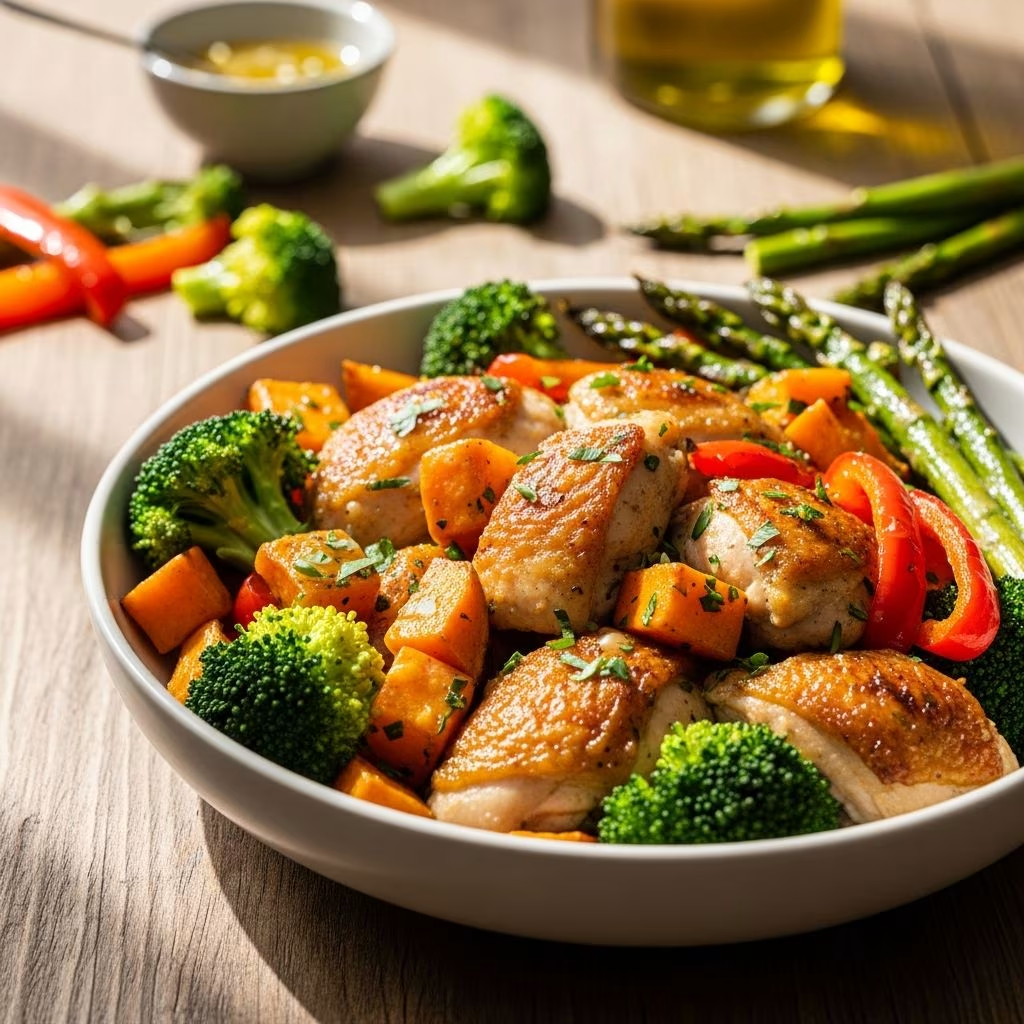
Chicken thighs represent the superior choice for sheet pan preparations compared to breast meat. The higher fat content in thighs maintains moisture during extended cooking, while the skin—when positioned correctly—crisps to an appealing golden finish. Bone-in varieties provide additional structure and flavor complexity, though boneless options offer convenience for those prioritizing preparation speed.
Proper protein preparation begins with patting dry. Removing surface moisture allows seasoning to adhere more effectively and promotes superior browning. Position thighs skin-side up on the sheet pan to maximize contact with circulating oven heat, which naturally crisps the skin during the roasting process.
Avoid overcrowding by spacing protein pieces with adequate separation. This ensures hot air circulates completely around each piece, preventing steaming and promoting even cooking. A meat thermometer reading of 165°F indicates complete doneness without requiring guesswork.
Vegetable Selection and Cutting Techniques
Successful sheet pan meals depend on selecting vegetables with compatible cooking times. Root vegetables like sweet potatoes and carrots benefit from extended roasting and develop deep caramelization when cut into appropriately sized pieces. Cruciferous vegetables such as Brussels sprouts and broccoli require less time but tolerate higher heat well. The goal involves cutting vegetables to uniform sizes that allow simultaneous doneness.
Consider these vegetable pairing strategies:
- Root vegetables: Sweet potatoes (½-inch cubes), carrots (2-inch segments), parsnips
- Cruciferous options: Brussels sprouts (halved), broccoli florets, cauliflower
- Quick-cooking additions: Bell peppers, asparagus, zucchini
Tossing vegetables halfway through cooking ensures even browning and prevents burning. This simple intervention dramatically improves overall texture and flavor consistency throughout the dish.
Creating Flavorful Spice Blends
The seasoning foundation establishes the bowl’s flavor profile. A balanced spice blend should incorporate warmth (paprika, garlic powder), depth (dried thyme, oregano), and heat (chili powder, cayenne). Proportional application ensures no single flavor dominates while creating complexity.
A reliable base formula includes:
- 1 teaspoon sweet or smoked paprika
- 1 teaspoon garlic powder
- 1 teaspoon dried thyme or oregano
- ½ to 1 teaspoon chili powder or cayenne
- 1 teaspoon kosher salt
- ¼ teaspoon fresh black pepper
Combining dry spices in a small bowl before application promotes even distribution. Drizzling olive oil first creates an adhesive base that helps seasonings cling to both protein and vegetables, intensifying flavor development during roasting.
Grain Selection for Maximum Nutrition
Quinoa serves as an excellent grain foundation, providing complete protein (containing all essential amino acids) alongside fiber and micronutrients. Brown rice, farro, and wild rice varieties offer alternative options depending on dietary preferences and flavor compatibility. Cooking grains separately from the main sheet pan components ensures precise texture control and prevents moisture issues.
Prepare grains according to package directions, using low-sodium broth instead of water for enhanced flavor. This simple substitution elevates the grain component from neutral filler to a distinct flavor contributor within the overall bowl composition.
Fresh Vegetable Toppings and Textural Elements
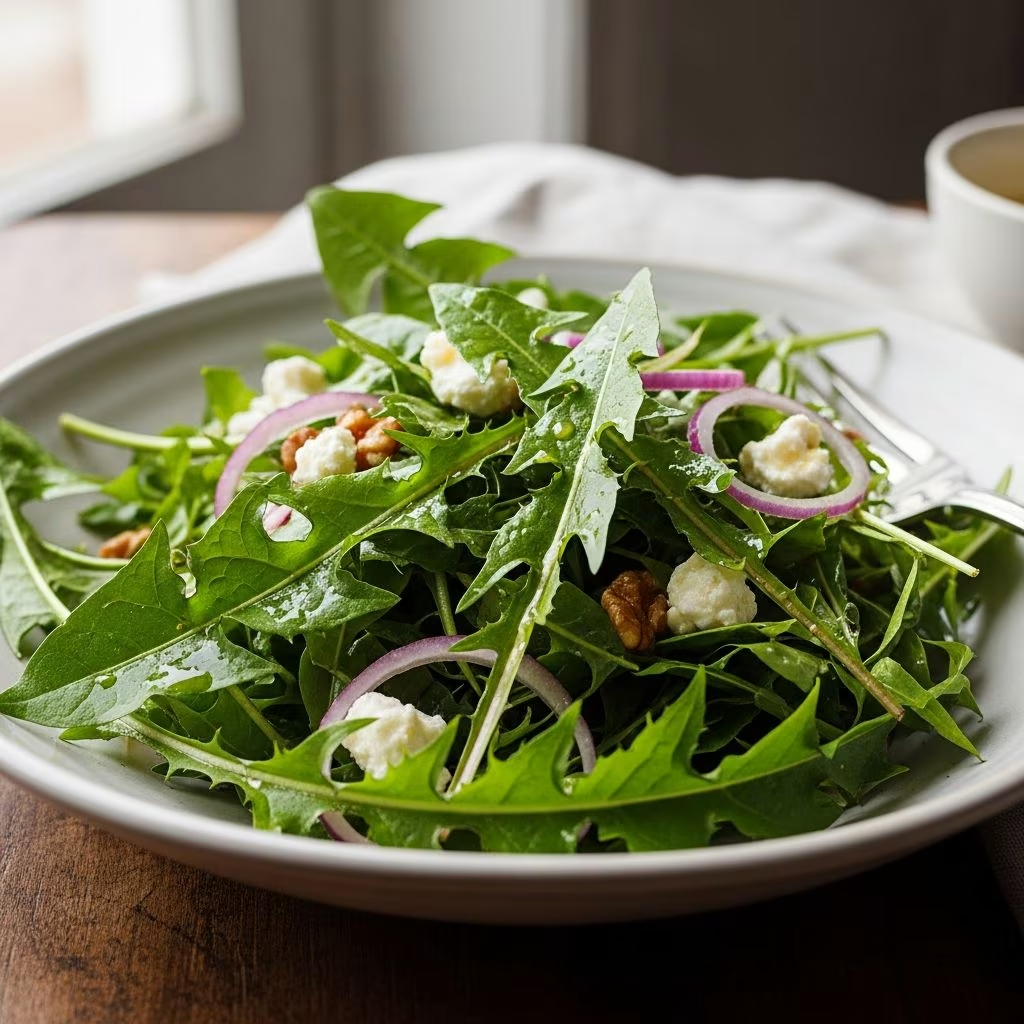
Raw vegetable components provide crucial textural contrast to roasted ingredients. Arugula contributes peppery brightness with delicate leafiness, while shredded red cabbage adds crunch and visual appeal. These uncooked elements should be added immediately before consumption to preserve their crisp texture.
Consider incorporating:
- Leafy greens (arugula, spinach, kale)
- Shredded vegetables (red cabbage, carrots, beets)
- Fresh herbs (parsley, cilantro, dill)
- Citrus elements (lemon zest, lime juice)
The contrast between warm roasted components and cool, crisp raw vegetables creates dynamic eating experiences that prevent bowls from becoming monotonous across multiple servings.
Mastering the Hot Honey Drizzle
Hot honey combines simple ingredients—honey and red pepper flakes—into a compound that adds complexity beyond basic sweetness. This ingredient functions as both flavor enhancer and textural element, coating other components while providing the signature heat element that distinguishes this bowl category.
Creating homemade hot honey involves combining 3 tablespoons honey with ½ teaspoon red pepper flakes, allowing flavors to meld for several minutes before use. This ratio provides moderate heat; adjust proportions according to personal preference. Alternative approaches include incorporating hot sauce varieties or purchasing commercially prepared options for convenience.
Drizzle hot honey across the finished bowl just before serving to maximize the contrast between warm liquid and cooler components while ensuring even distribution across the dish.
Cheese and Protein Toppings
Crumbled cheese serves both functional and flavor roles within the bowl structure. Feta cheese contributes salty, tangy notes that complement roasted vegetables and hot honey. Goat cheese provides creamy richness without overwhelming delicate flavors. These additions should remain moderate in portion to maintain nutritional balance.
Approximate quantities suggest 1 to 2 ounces of cheese per serving, providing flavor impact without excessive saturated fat. The cheese melts slightly from residual heat when added to warm bowls, creating subtle binding effects that enhance overall cohesion.
Step-by-Step Assembly Instructions
Preparation Phase (15 minutes): Wash and dry all ingredients thoroughly. Cut vegetables to uniform sizes. Combine spices. Portion grains and soak raw vegetables if preparing ahead.
Roasting Phase (30-40 minutes): Preheat oven to 425°F. Arrange protein skin-side up on parchment-lined sheet pan. Distribute seasoned vegetables on opposite side. Roast for 25-30 minutes, stirring vegetables at the halfway point. Optional broiler finish for 1-2 minutes provides enhanced crispness.
Assembly Phase (5 minutes): Layer grain base, arrange roasted components, add fresh vegetables, sprinkle cheese, drizzle hot honey, garnish with fresh herbs.
Storage and Meal Preparation Strategies
These bowls maintain quality when stored in separate component containers for up to four days. Keeping roasted elements, grains, fresh vegetables, and dressings apart prevents texture degradation and allows customization throughout the week. Assemble final bowls immediately before consumption for optimal texture and temperature contrast.
Hot honey should be stored separately and added during final assembly. Cheese remains best distributed fresh rather than pre-added to stored components.
Common Preparation Mistakes and Solutions
| Issue | Cause | Solution |
|---|---|---|
| Soggy vegetables | Overcrowding or excessive moisture | Spread ingredients in single layer, pat vegetables dry before cooking |
| Undercooked chicken | Inadequate temperature or time | Use meat thermometer, ensure 165°F internal temperature |
| Unevenly cooked components | Inconsistent size cutting | Cut all vegetables to uniform dimensions |
| Bland flavor | Insufficient seasoning or oil | Increase spice ratios, ensure adequate olive oil coating |
| Burnt edges | Excessive heat or overcooking | Reduce oven temperature, monitor closely, stir vegetables |
Flavor Variation Approaches
Mediterranean inspiration incorporates oregano, lemon zest, and feta cheese. Asian-influenced versions substitute soy sauce for salt, add ginger to spice blends, and substitute cilantro for parsley. Mexican-style variations employ cumin and smoked paprika with lime zest and cotija cheese.
These variations maintain the fundamental sheet pan technique while introducing cultural flavor profiles through spice adjustments and topping modifications. Experimenting with different combinations builds cooking confidence and prevents meal fatigue across multiple weekly preparations.
Nutritional Considerations and Balanced Composition
A well-constructed bowl incorporates approximately 30-40% protein (roasted chicken), 30-40% complex carbohydrates (grains and root vegetables), and 20-30% vegetables and healthy fats (olive oil, cheese, fresh vegetables). This macronutrient distribution supports satiety while providing sustained energy release.
The combination of roasted vegetables provides vitamins A, C, and K alongside mineral content. Raw vegetable components preserve heat-sensitive nutrients like vitamin C. Grains contribute B vitamins and fiber, while chicken delivers complete protein necessary for tissue maintenance and repair.
Frequently Asked Questions
Can I prepare components in advance? Yes, individual components remain fresh when stored separately for up to four days. Assemble final bowls immediately before consumption.
What cooking temperature ensures proper doneness? Maintain oven temperature at 425°F for balanced cooking. Use a meat thermometer to verify 165°F internal chicken temperature.
How do I achieve crispy chicken skin? Position skin-side up to maximize heat contact. Ensure adequate spacing between pieces. Optional broiler finish for 1-2 minutes enhances crispness.
Can I use different vegetables? Yes, adjust based on availability and preference. Maintain uniform cutting sizes and consider cooking time compatibility.
Is homemade hot honey better than store-bought? Both function effectively. Homemade allows heat level customization, while store-bought offers convenience.
References
- Roasted Chicken and Vegetable Bowls — Ambitious Kitchen. 2026. https://www.ambitiouskitchen.com/hot-honey-chicken-bowls/
- Grain Bowl Preparation and Assembly Techniques — All the Healthy Things. 2026. https://allthehealthythings.com/sheet-pan-hot-honey-chicken-bowls/
- Sheet Pan Cooking Methods for Proteins and Vegetables — For the Love of Gourmet. 2026. https://fortheloveofgourmet.com/hot-honey-chicken-bowls/
- Hot Honey Preparation and Application Techniques — BroccYourBody. 2026. https://broccyourbody.com/sheet-pan-hot-honey-chicken-bowls/
- Marinade Preparation and Roasting Strategies — Eat the Gains. 2026. https://eatthegains.com/hot-honey-chicken/