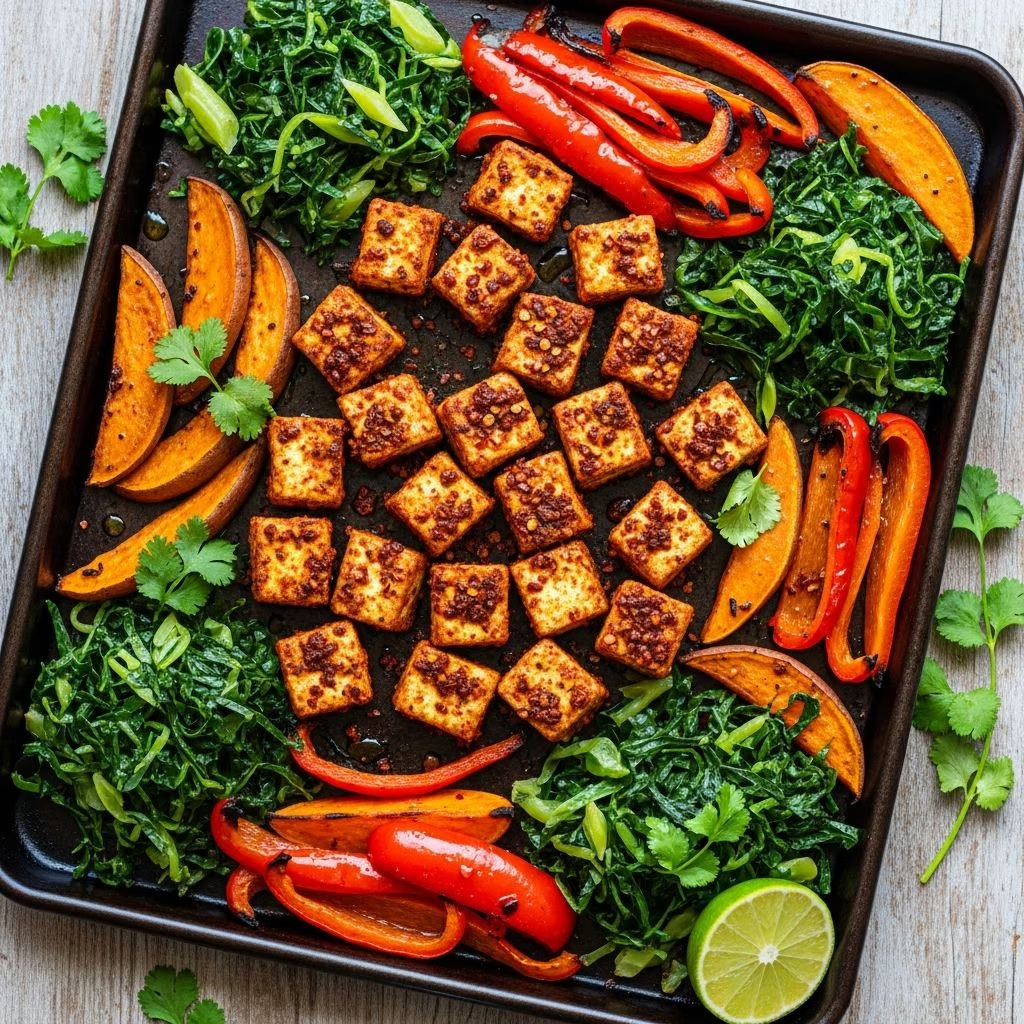
Sheet pan meals represent the ultimate convenience in modern cooking, allowing home cooks to prepare complete, restaurant-quality dinners with minimal cleanup. When combining the nutritional benefits of plant-based proteins with the rich culinary traditions of Ethiopian cuisine, the result is a dish that satisfies both dietary preferences and sophisticated palates. This particular preparation draws inspiration from gomen, a classic Ethiopian preparation where fresh greens are infused with aromatic spiced butter, creating a foundation that pairs beautifully with crispy tofu.
Understanding Ethiopian Culinary Traditions and Their Modern Adaptations
Ethiopian cuisine has influenced cooking styles across the globe, bringing distinctive flavor profiles and cooking techniques to contemporary kitchens. The foundation of many Ethiopian dishes relies on niter kibbeh, a clarified butter infused with spices that creates depth and complexity in seemingly simple preparations. Unlike regular butter, niter kibbeh develops its character through the careful infusion of aromatics and warming spices, making it a transformative ingredient rather than merely a cooking medium.
Traditional gomen recipes showcase how collard greens can transcend their regional reputation by being prepared with international flair. The adaptation of this classic dish for modern home cooks involves simplifying preparation methods while maintaining authenticity in flavor. Sheet pan cooking accelerates this transformation, allowing simultaneous preparation of multiple components that would traditionally require separate pots and pans.
The Role of Niter Kibbeh in Flavor Development
Niter kibbeh serves as the aromatic backbone of this dish, distinguishing it from typical greens preparations found in Western cooking. This spiced clarified butter combines traditional warming spices with aromatics to create a sauce that clings to collard greens and complements tofu’s neutral palette. The spice combination typically includes fenugreek, coriander, and various warming spices that have been used in East African cooking for centuries.
Creating niter kibbeh at home involves gently infusing butter with garlic, ginger, onions, and spices over low heat, then straining the resulting liquid to remove solids. This process concentrates flavors and creates a shelf-stable ingredient that elevates numerous dishes beyond this single recipe. The aromatic oils from the spices bloom in the warm butter, creating a complex flavor base that transforms simple greens into something memorable.
Selecting and Preparing Collard Greens
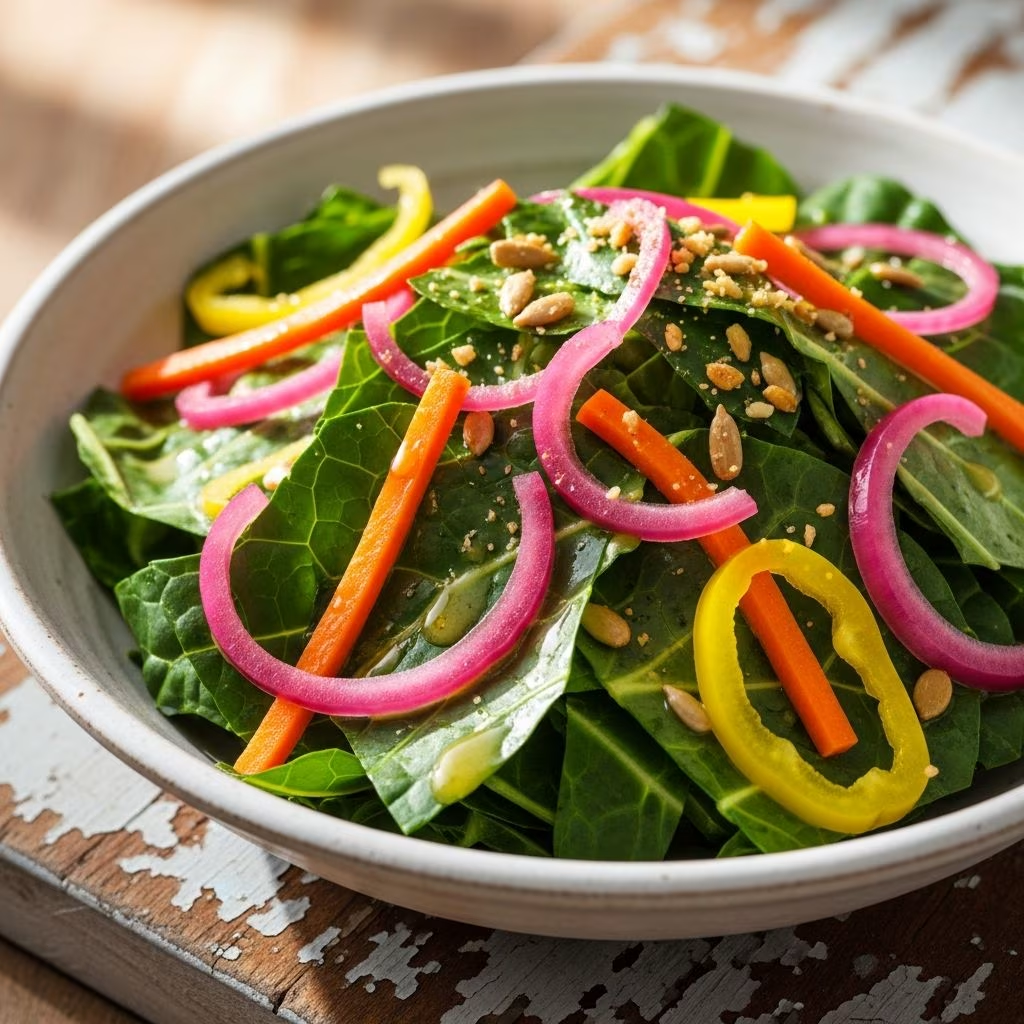
Collard greens possess a naturally robust flavor that benefits from bold preparation methods. When sourcing collard greens, seek specimens with firm, unblemished leaves and no signs of yellowing or wilting. Fresh collard greens should smell vegetal and clean, without any musty or off odors that indicate age or improper storage.
Preparation begins with thorough washing, as collard greens often contain soil trapped between leaves. Hold bunches under cool running water, separating leaves to ensure water reaches all surfaces. After washing, remove the tough central stem by either slicing it away or tearing leaves from the stem, depending on your preference and the tenderness of your particular bunch.
Cutting collard greens into consistent ribbon widths ensures even cooking and creates an appealing texture. Stack several leaves together and roll them tightly into a cigar shape before slicing across the roll at your desired width. Thinner ribbons cook more quickly and integrate more evenly with the niter kibbeh, while thicker cuts maintain more textural integrity throughout cooking.
Achieving Crispy Tofu Through Proper Technique
Tofu’s reputation for being bland or mushy stems largely from improper handling. The path to crispy, flavorful tofu begins with selecting the correct variety—extra-firm or firm tofu provides the structural integrity necessary for achieving crispy exteriors while maintaining tender interiors. The pressing stage cannot be overlooked; excess moisture must be removed before any cooking method is applied.
Pressing tofu can be accomplished through several methods. Commercial tofu presses work efficiently, but equally effective results emerge from wrapping tofu blocks in clean kitchen towels and placing heavy objects atop them for 15 to 30 minutes. The goal is removing as much water as possible without crushing the delicate protein structure.
Cutting tofu into uniform cubes ensures even cooking and creates maximum surface area for crisping. Cubes approximately three-quarters of an inch to one inch in dimension provide the ideal balance between creating a crispy exterior and maintaining a tender center. Uniform sizing also allows the tofu to integrate seamlessly into the sheet pan arrangement alongside the greens.
Methods for Creating Crispiness
- Baking approach: Toss tofu pieces with minimal oil and salt, spread across a prepared baking sheet, and bake at 375°F for approximately 30 to 40 minutes, stirring halfway through cooking. This method produces crispy exteriors without the greasiness associated with deep frying.
- Pan-frying technique: Dredge pressed and cubed tofu in cornstarch or a seasoned flour mixture, then shallow fry in oil heated to medium-high temperature until all sides achieve golden-brown color. This traditional approach creates an exceptionally crispy crust that contrasts beautifully with the tender interior.
- Combination method: Bake tofu first to cook through, then briefly pan-fry or broil to achieve final crispiness. This approach minimizes the risk of overcooking while maximizing textural appeal.
The Sheet Pan Assembly Process
Sheet pan cooking succeeds through thoughtful planning of cooking times and temperatures. Since collard greens and tofu require different cooking durations and heat levels, strategic sequencing prevents either component from becoming overcooked. Starting with tofu allows it to achieve crispiness before greens are added, ensuring both components reach optimal texture simultaneously.
Begin by preparing the tofu component, either through the baking method described above or through pan-frying and initial crisping. Once tofu achieves its desired color and texture, remove it temporarily while preparing the greens and niter kibbeh components. This staging approach allows you to control doneness precisely while managing a single cooking vessel.
Heat niter kibbeh in a large skillet or directly on a sheet pan at medium-high temperature. Add minced garlic and sliced onions, cooking until soft and fragrant, approximately 5 to 8 minutes. Add the collard green ribbons gradually, stirring constantly to coat each addition with the aromatic butter before adding more greens. This methodical approach prevents greens from steaming rather than sautéing.
Continue cooking greens for 8 to 12 minutes until they achieve your preferred level of tenderness. Some cooks prefer greens that maintain slight firmness, while others favor a more tender result approaching braised texture. The collard greens will reduce significantly as they cook, so don’t be surprised by the volume reduction.
Incorporating Proteins and Final Seasoning
Once greens reach appropriate tenderness, return the crispy tofu to the pan, gently folding it in to maintain crispiness while distributing it evenly throughout. At this stage, assess seasoning carefully. Niter kibbeh imparts substantial flavor, but individual preferences for salt and spice levels vary considerably. Add salt gradually, tasting between additions, as it’s easier to increase seasoning than to remedy over-salting.
Consider additional flavor layers at this point. A squeeze of fresh lemon juice brightens the rich spiced butter, while a whisper of hot sauce adds complexity for those preferring additional heat. Some preparations benefit from a sprinkle of toasted spices or fresh herbs added at the final moment, though Ethiopian tradition typically favors simplicity in final presentation.
Nutritional Considerations and Health Benefits
This dish bridges culinary tradition with contemporary nutrition consciousness. Collard greens deliver substantial amounts of vitamin K, supporting bone health and calcium absorption. The vitamin C content aids iron absorption from plant-based sources, making the iron from both greens and tofu more bioavailable than would be the case with either ingredient alone.
Tofu provides complete protein, containing all nine essential amino acids necessary for human health. The protein supports muscle maintenance and repair while offering substantially fewer calories than many alternative protein sources. The combination of tofu with collard greens creates a nutritionally complete vegetarian protein source that can satisfy dietary requirements while contributing to overall wellness goals.
Niter kibbeh, while containing fat, provides traditionally valued warming properties and aids fat-soluble vitamin absorption. The spices inherent in niter kibbeh offer antioxidant benefits and have been used in traditional medicine for their purported digestive and anti-inflammatory properties, though scientific evidence remains ongoing.
Scaling and Serving Considerations
This recipe adapts readily to varying crowd sizes and dietary circumstances. A single sheet pan preparation serves four to six people as part of a multicourse meal, or two to three people as a standalone dinner. Doubling or tripling the recipe simply requires additional sheet pans and slightly increased cooking time.
Serving presentations enhance the dining experience. Mount the collard green and tofu combination on individual plates, preserving the visual appeal of ingredients. Traditional Ethiopian dining often involves sharing from a communal platter, so consider presentation from this perspective as well. Accompany the dish with injera, the spongy flatbread traditional to Ethiopian meals, or with rice, quinoa, or other grains that complement the rich spiced butter.
Customization and Ingredient Variations
This framework accommodates numerous modifications based on ingredient availability or personal preference. Substitute collard greens with kale, Swiss chard, or spinach, adjusting cooking times accordingly. Heartier greens like kale require longer cooking, while delicate spinach needs only moments to wilt.
Protein alternatives extend the recipe’s versatility. Chickpeas provide hearty plant-based substance, while tempeh offers a firmer texture and distinct flavor profile. Some preparations incorporate shrimp or other seafood, maintaining the Ethiopian inspiration while adapting to omnivorous diets.
Niter kibbeh can be simplified by using regular butter infused with warming spices, or replaced entirely with oil if dairy-free preparations are desired. The spice profile remains adjustable; increase heat with additional chili, mellow intensity by reducing spice quantities, or introduce different aromatics reflecting personal preference.
Storage and Make-Ahead Strategies
This dish improves with time as flavors meld and develop depth. Prepare components separately and store them in sealed containers for up to four days. Combine components on sheet pans just before serving, or prepare the entire dish and reheat gently in a 300°F oven until warmed through. Alternatively, assemble and consume immediately for maximum textural contrast between crispy tofu and tender greens.
Niter kibbeh stores indefinitely when kept in sealed jars in the refrigerator, making it a worthwhile investment for frequent Ethiopian cooking. Prepare a batch and use it throughout the week on vegetables, grains, and proteins, extending its utility beyond this single recipe.
Frequently Asked Questions
Can this dish be prepared entirely vegan?
Yes. Substitute niter kibbeh with a vegan-friendly clarified oil infused with the same spices, or use coconut oil as an alternative fat. Ensure all other ingredients meet vegan requirements. The resulting dish maintains flavor and texture while accommodating plant-based dietary preferences.
What if collard greens are unavailable?
Other hearty greens work well. Kale, mustard greens, or mixed dark greens can substitute, though cooking times may vary. Heartier varieties require longer cooking, while delicate greens cook more quickly. Adjust heat and timing based on your selected greens’ characteristics.
How can I ensure tofu remains crispy?
Thorough pressing before cooking removes excess moisture that prevents crisping. Use high-enough heat during cooking, whether baking or pan-frying. Avoid crowding the tofu on the sheet pan or in the skillet, as overcrowding generates steam that undermines crispiness. Add tofu to the finished greens at the last moment rather than cooking together to maintain textural contrast.
Is niter kibbeh difficult to make?
No. Melt butter over low heat, add spices and aromatics, and simmer until fragrant. Strain through cheesecloth or a fine mesh strainer. The process takes approximately 30 minutes and yields ingredient that stores for weeks, making homemade niter kibbeh practical for regular cooking.
References
- A Bitter Renaissance: Collard Greens and Tofu with Coconut Sauce — Smithsonian Asian Pacific American Center. 2024. https://apa.si.edu/picklesandtea/a-bitter-renaissance-collard-greens-and-tofu-with-coconut-sauce/
- Crispy Tofu with Ginger and Spicy Greens — Clark, Melissa. Dinner: A Love Story. https://www.dinneralovestory.com/crispy-tofu-with-ginger-and-whatever/
- Sheet-Pan Collard Greens and Crispy Tofu With Niter Kibbeh — Gumbo Kitchen. 2024. https://www.gumbo.kitchen/recipes/sheet-pan-collard-greens-and-crispy-tofu-with-niter-kibbeh
- Nutritional Composition of Collard Greens — United States Department of Agriculture. Food Data Central. https://fdc.nal.usda.gov/
- Complete Amino Acid Profile of Soybean and Tofu — United States Department of Agriculture. Nutrient Data Laboratory. https://fdc.nal.usda.gov/