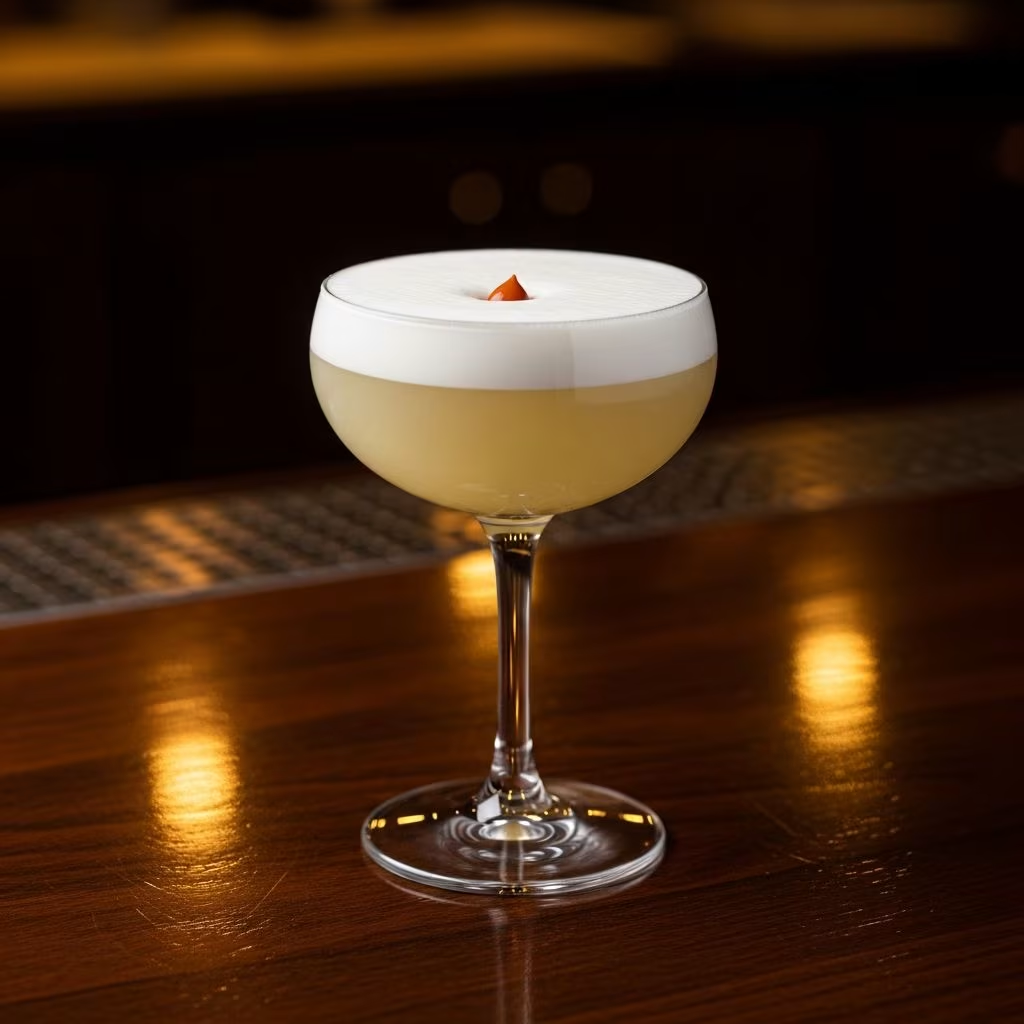
The Pisco Sour stands as a symbol of Peruvian hospitality and craftsmanship, a cocktail that marries the bold spirit of pisco with vibrant citrus notes and a velvety foam. Originating in the bustling bars of Lima, this drink has captivated palates worldwide with its refreshing profile and elegant presentation. Whether you’re hosting a dinner party or simply unwinding, mastering the Pisco Sour elevates any occasion.
Origins and Cultural Significance of the Pisco Sour
Pisco production in Peru traces back to the 16th century, when Spanish settlers introduced grape distillation techniques to the region. However, the Pisco Sour itself emerged much later, in the early 1920s at Morris Bar in Lima. American bartender Victor Morris, formerly from Salt Lake City, is credited with inventing this gem as a local twist on the Whiskey Sour, substituting imported whiskey with Peru’s native pisco.
Quickly becoming a staple, the cocktail spread across Peru’s eateries and bars. Today, it’s the unofficial national drink, celebrated during festivals like National Pisco Sour Day on the first Saturday of February. Its popularity underscores Peru’s pride in pisco, a clear grape brandy distinct from Chilean varieties due to production methods and grape types.
Beyond Peru, the drink influences mixology globally, inspiring variations while purists advocate for the original recipe using non-aromatic Quebranta pisco for its clean profile.
Understanding Pisco: The Heart of the Cocktail
Pisco is a potent grape distillate, unaged and bottled at still strength, typically 38-48% ABV. Peruvian law mandates single distillation in copper pot stills, using specific grape varieties like Quebranta, Italia, or Toro. Unlike aged brandies, pisco retains fresh, fruity aromas—citrus, floral, or herbal depending on the type.
For the classic Pisco Sour, opt for puro Quebranta, a non-aromatic varietal that lets citrus shine without overpowering. Avoid acholado blends if seeking authenticity, as they mix grape types. Sourcing quality pisco from reputable Peruvian producers ensures the cocktail’s signature smoothness.
- Puro Quebranta: Single grape, earthy and neutral—ideal for sours.
- Italia: Aromatic, fruity—best for sipping neat.
- Acholado: Blended—versatile but less traditional for this recipe.
Essential Ingredients for an Authentic Pisco Sour
The beauty of the Pisco Sour lies in its simplicity: five core components balance strength, sweetness, acidity, texture, and aroma. Proportions vary slightly by source, but the classic ratio is roughly 3:1:1 for pisco, citrus, and syrup, plus egg white.
| Ingredient | Amount | Role |
|---|---|---|
| Peruvian Pisco | 2-3 oz | Base spirit, provides alcoholic backbone and subtle fruitiness. |
| Fresh Lime Juice | 1 oz (or ½ oz lime + ½ oz lemon) | Tart acidity cuts richness; use Peruvian limes if possible for authenticity. |
| Simple Syrup | ¾-1 oz | Sweetness to balance sour; make 1:1 sugar-water ratio. |
| Egg White | 1 (about 1 oz) | Creates luxurious foam; aquafaba for vegan alternative. |
| Angostura Bitters | 2-3 dashes | Garnish adds spice and visual dots on foam. |
Freshness is key—squeeze citrus just before mixing to avoid bitterness. For simple syrup, dissolve equal parts sugar and hot water, then cool.
Step-by-Step Guide to Crafting the Perfect Pisco Sour
Success hinges on technique, particularly shaking for foam. Use a two-stage shake: dry then wet.
- Dry Shake: Add pisco, citrus, syrup, and egg white to shaker. Shake vigorously 15-30 seconds to emulsify and aerate egg white into foam.
- Add Ice: Fill shaker with ice cubes. Shake another 10-15 seconds to chill without diluting foam.
- Double Strain: Strain into a chilled coupe or Nick & Nora glass using a Hawthorne strainer and fine mesh for silkiness.
- Garnish: Dot foam with Angostura bitters; swirl for design. Serve immediately.
Yield: 1 cocktail. Total time: 5 minutes. Pro tip: Chill glass in freezer 10 minutes beforehand.
Pro Tips for Elevating Your Pisco Sour Game
- Shaker Vigilance: Shake dry for 45+ seconds if possible—muscle power yields superior foam.
- Citrus Mimicry: No Peruvian limes? Blend lime and lemon 1:1 for similar tartness.
- Syrup Variations: Try rich syrup (2:1 sugar:water) for body, or infuse with lime zest.
- Egg White Substitutes: Aquafaba (chickpea liquid) mimics foam vegan-style; use ¾ oz.
- Glassware: Coupe enhances elegance; avoid tall glasses that flatten foam.
Temperature control prevents separation—keep ingredients cold except egg white, added at room temp for better froth.
Common Mistakes and How to Avoid Them
Novices often under-shake, resulting in flat drinks. Over-icing dilutes flavor; measure precisely. Using sweetened lime juice instead of fresh kills authenticity. Pasteurized egg whites work but may foam less—compensate with extra shaking.
Store pisco upright in cool darkness; it doesn’t improve with age. Citrus over-extraction turns bitter—roll limes gently before juicing.
Variations to Explore Beyond the Classic
While purists stick to tradition, creativity abounds:
- Chilean Pisco Sour: Uses Chilean pisco (often aged), sometimes with pineapple juice.
- Fruit-Infused: Add passionfruit or mango puree for tropical twists.
- Spicy Sour: Infuse syrup with chili for heat.
- Vegan Version: Aquafaba fully replaces egg white.
In Peru, bars experiment with aromatic piscos or herbs, but the original remains unmatched for balance.
Pairing the Pisco Sour with Food
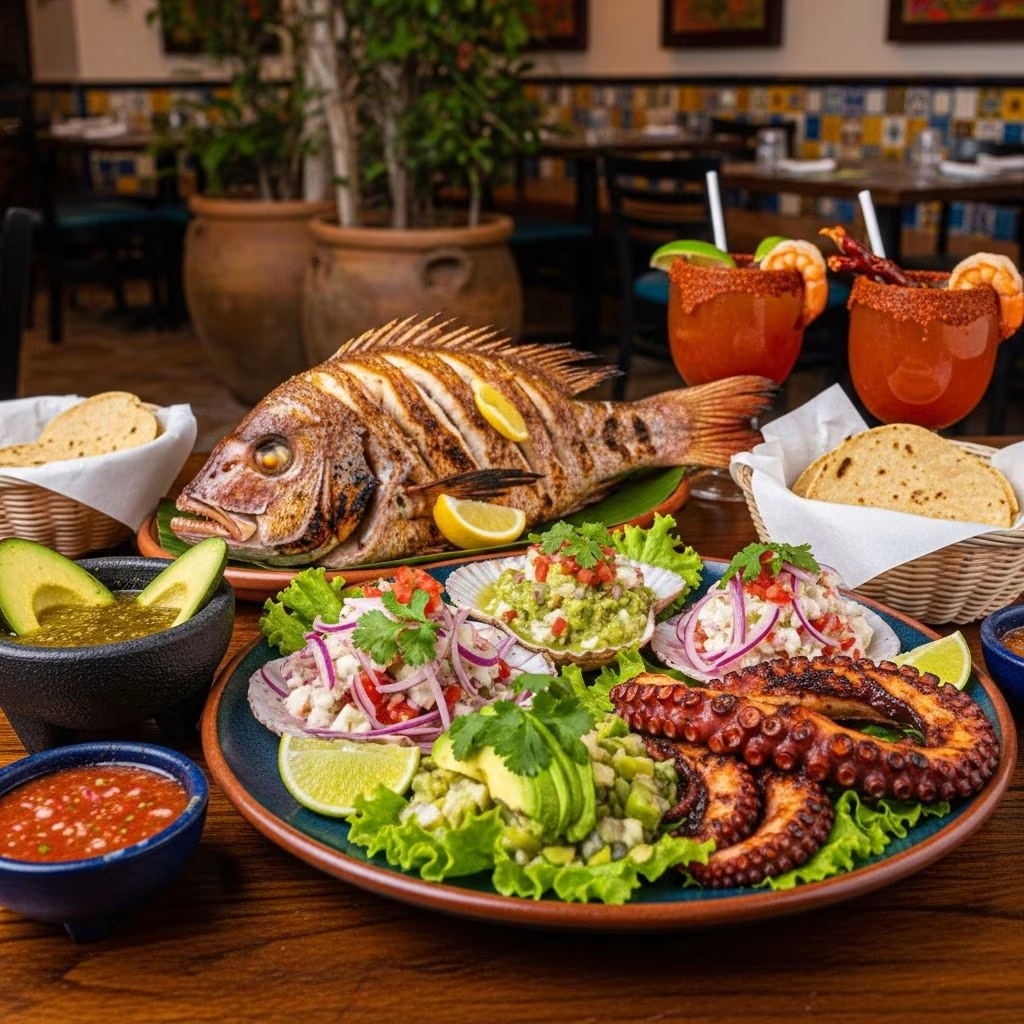
This cocktail’s acidity and foam complement Peruvian staples like ceviche, where citrus echoes seafood’s marinade. It cuts richness in anticuchos (grilled skewers) or lomo saltado stir-fry. For desserts, pair with picarones (sweet potato doughnuts). Its lightness suits tapas-style gatherings.
Health and Safety Considerations
Egg whites pose salmonella risk—use pasteurized or aquafaba for caution. Consume responsibly; pisco’s potency sneaks up. Non-alcoholic mocktails mimic with seedless grape juice, lime, and aquafaba.
Frequently Asked Questions (FAQs)
What is pisco made from?
Pisco is distilled from fermented grape juice using varieties like Quebranta or Italia, without aging.
Can I make Pisco Sour without egg white?
Yes, aquafaba provides similar foam; shake longer for best results.
What’s the difference between Peruvian and Chilean pisco?
Peruvian is unaged, single-distilled; Chilean may age in wood and use different grapes.
How do I store leftover simple syrup?
Refrigerate in a glass jar up to 2 weeks; discard if moldy.
Is Pisco Sour strong?
Yes, 2-3 oz pisco makes it potent—sip slowly.
Why the Pisco Sour Endures
Its allure stems from perfect harmony: pisco’s depth, lime’s zing, foam’s elegance, bitters’ complexity. Easy to make yet impressive, it bridges casual and sophisticated. Next time you crave adventure, shake one up—taste Peru in every sip.
References
- Genuine Peruvian Pisco Sour Recipe — Wine4Food. N/A. https://www.wine4food.com/featured/genuine-peruvian-pisco-sour/
- Classic Pisco Sour — Wanderings in My Kitchen. N/A. https://wanderingsinmykitchen.com/classic-pisco-sour/
- Pisco Sour Recipe: Peru’s National Cocktail — Peru For Less. N/A. https://www.peruforless.com/blog/pisco-sour
- Peruvian Pisco Sour – A National Cocktail — The FoodOlic. 2016-06-11. https://thefoodolic.com/2016/06/11/pisco-sour/
- Cheers for Pisco Sour: Traditional Peruvian Cocktail (with recipe) — Traveling with MJ. N/A. https://www.travelingwithmj.com/cheers-for-pisco-sour-traditional-peruvian-cocktail-with-recipe/
- How to Make the Pisco Sour — Anders Erickson. N/A. https://www.anderserickson.com/how-to-make-the-pisco-sour
- Pisco Sour — What’s Gaby Cooking. N/A. https://whatsgabycooking.com/pisco-sour/