Understanding the Essence of Mediterranean Herb Blending
The aromatic tradition of combining dried herbs originates from the sun-drenched landscapes of southern France, where limestone hills and Mediterranean breezes create ideal conditions for growing fragrant plants. This particular seasoning blend represents centuries of culinary tradition, combining botanicals that thrive in warm, dry climates. The herbs selected for this mixture are predominantly woody varieties that retain their potency even after drying, making them ideal for long-term storage and consistent flavor delivery.
The beauty of this herbaceous combination lies in its versatility and the distinctive character it imparts to dishes. Unlike other seasoning mixtures that lean toward specific flavor profiles, this blend achieves a harmonious balance between earthy, slightly peppery, and subtly floral notes. The composition reflects the natural vegetation patterns of the Mediterranean region, where these plants grow wild alongside rocky outcroppings and sparse vegetation.
Core Components and Their Individual Characteristics
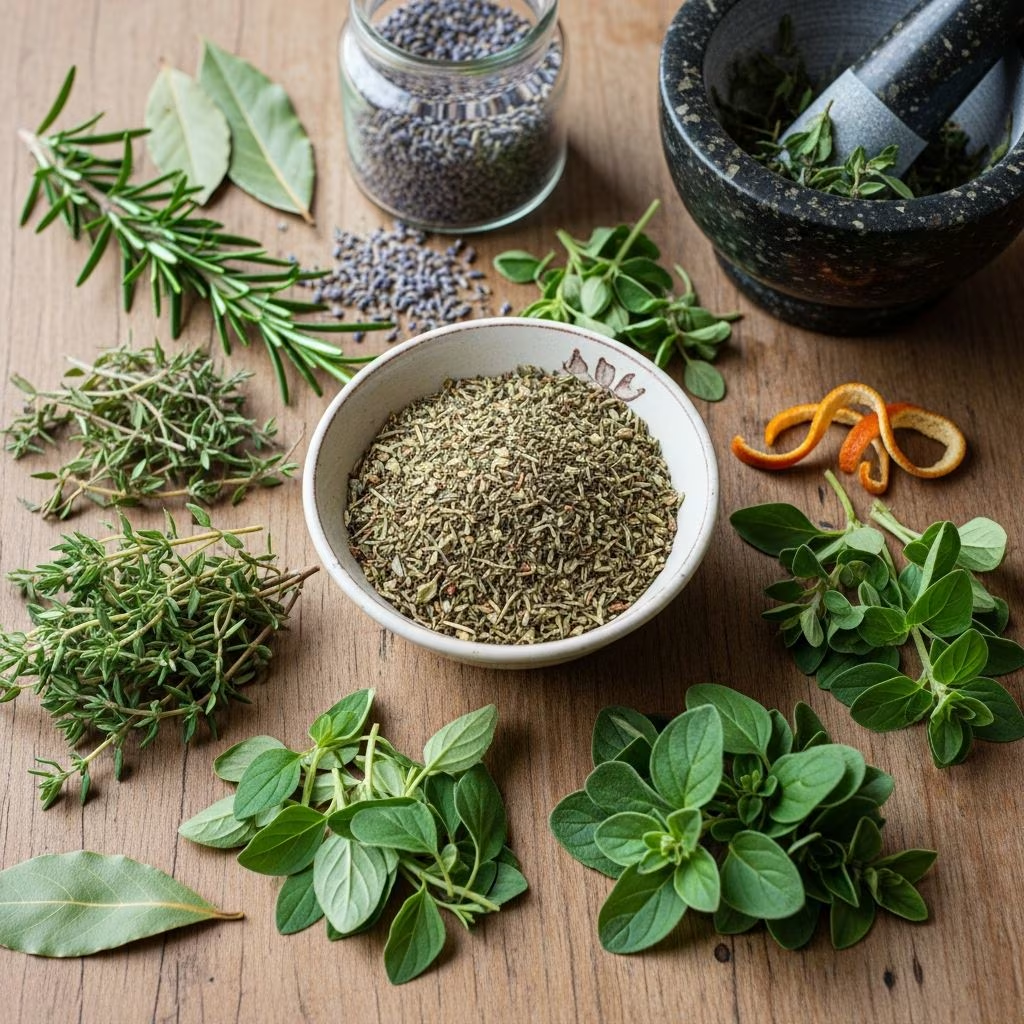
Creating an authentic version of this herb blend requires understanding each ingredient’s role and flavor contribution. The following components form the foundation of traditional preparations:
- Thyme — A fundamental component that provides earthy, slightly minty undertones with subtle peppery notes
- Savory — Contributes a sharper, more peppery character that adds depth and complexity
- Oregano — Brings warm, slightly bitter notes with hints of Mediterranean sunshine
- Rosemary — Delivers distinctive piney aromatics with a robust, resinous quality
- Marjoram — Adds delicate sweetness and warmth without overpowering other elements
- Parsley — Provides subtle freshness and helps balance more assertive flavors
- Lavender Flowers — An optional but distinctive component that introduces floral notes and sets this blend apart from similar seasoning combinations
The official designation for authentic blends specifies precise proportional requirements. According to traditional standards, the mixture should contain 30% each of savory, rosemary, and oregano, with thyme comprising 10% of the total. This ratio ensures consistency and prevents any single herb from dominating the overall flavor profile.
Sourcing Quality Dried Herbs for Maximum Potency
The success of your homemade blend depends entirely on the quality of ingredients you select. Dried herbs deteriorate gradually over time, losing aromatic compounds and flavor intensity. When shopping for components, prioritize recently packaged products rather than items that have languished on pantry shelves for extended periods.
For best results, examine the color and aroma of dried herbs before purchasing. Quality specimens should retain vibrant coloration—greens should appear reasonably bright rather than faded to brown or gray. When you open a package, the fragrance should be immediately apparent and pleasant. If herbs smell musty or lack noticeable aroma, they have likely degraded and will not contribute effectively to your blend.
Special attention must be paid when sourcing lavender flowers. Ensure any lavender you purchase is specifically designated as food-grade, as decorative lavender products may contain pesticides or other substances unsuitable for culinary use. Read packaging labels carefully and verify that the supplier has processed the lavender appropriately for consumption.
Step-by-Step Preparation Methods
The simplest approach to creating your blend requires minimal equipment and preparation time. Begin by measuring out the required quantity of each dried herb according to your preferred ratios. If you prefer working with exact quantities, the basic recipe yields approximately three-quarters cup of finished blend.
Basic Mixing Technique: Combine all measured herbs directly into a clean, completely dry glass jar. Seal the container and shake vigorously for approximately thirty seconds, allowing the herbs to intermingle thoroughly and distribute evenly throughout the mixture. This straightforward method works well if you prefer maintaining visible herb pieces in your seasoning blend.
Enhanced Texture Option: For a finer, more uniform texture, transfer the combined herbs to a spice grinder or mortar and pestle. Apply moderate pressure while grinding—you want to break down the herbs into smaller pieces without pulverizing them into fine powder. This texture works particularly well for applications requiring even distribution throughout dishes or for creating more refined seasoning preparations.
Hybrid Approach: Many experienced cooks employ a combination strategy. Divide your herb mixture in half after preparation. Store one portion whole in an airtight container for extended shelf life and traditional applications. Grind the remaining portion to a medium consistency and store separately for immediate use in recipes where fine distribution is desirable. This approach provides flexibility for different cooking situations.
Storage Strategies for Long-Term Freshness
Proper storage directly impacts how long your blend maintains optimal flavor and aromatic qualities. Choose containers made from glass with airtight seals, as these materials best protect dried herbs from moisture and air exposure. Small recycled jars work excellently for this purpose, provided they have been thoroughly washed and dried before use.
Before filling containers, ensure they are completely dry to prevent moisture accumulation that could lead to mold development or premature herb degradation. Store your blend in a cool, dark location away from direct sunlight and heat sources. Avoid kitchen areas near stoves, ovens, or sunny windows where temperature fluctuations and light exposure accelerate the loss of aromatic compounds.
Under proper storage conditions, homemade herb blends maintain satisfactory quality for approximately six to twelve months. After this period, the herbs gradually lose potency, though they remain safe for consumption. To ensure you always have fresh-smelling, flavorful blend on hand, consider preparing smaller batches more frequently rather than attempting to store large quantities for extended periods.
Culinary Applications and Creative Uses
This versatile seasoning enhances numerous dishes across multiple cuisines. The following applications represent popular uses, though your creativity can extend well beyond these suggestions:
| Application Category | Specific Uses | Preparation Notes |
|---|---|---|
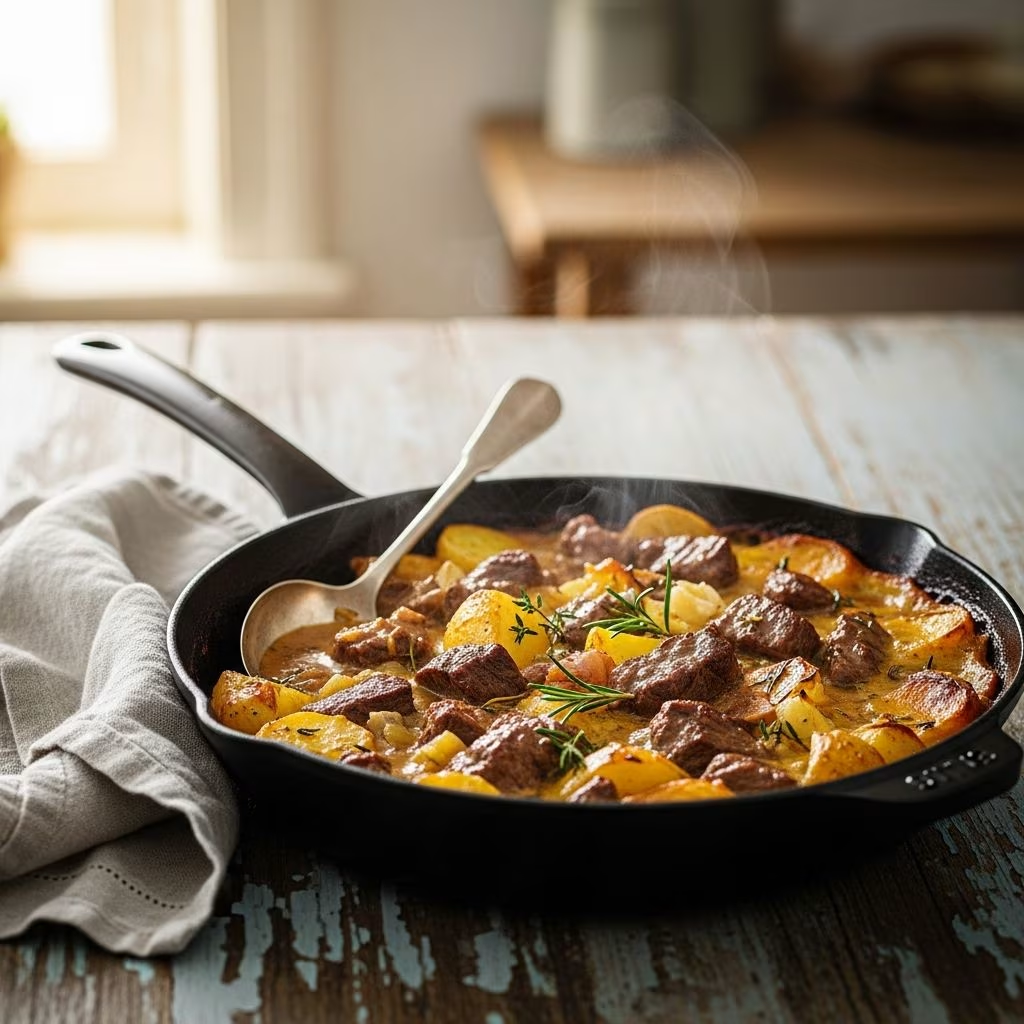
| Grilled Proteins | Chicken breasts, lamb chops, fish fillets, beef steaks | Apply directly to proteins before grilling for crust development |
| Roasted Vegetables | Eggplant, zucchini, bell peppers, tomatoes, root vegetables | Toss with olive oil and herbs before roasting |
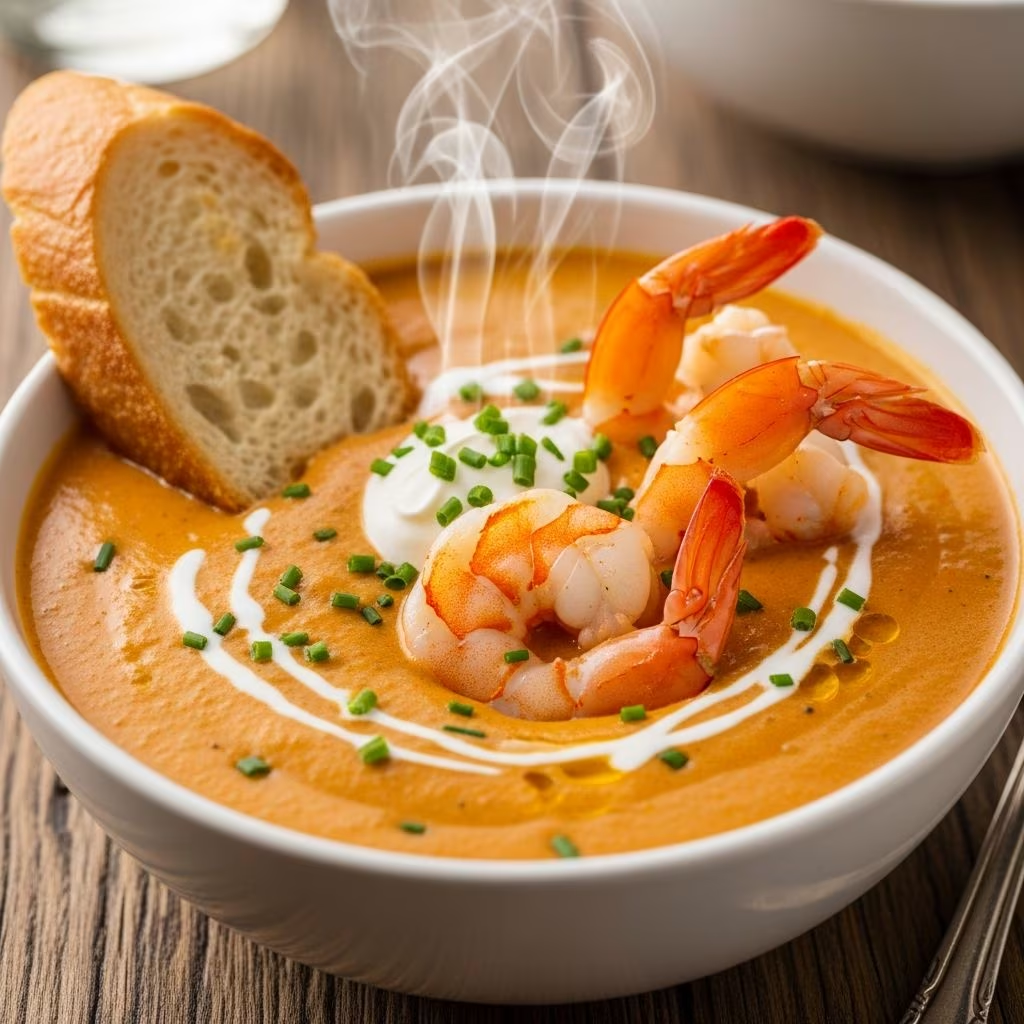
| Soup and Stew Enhancement | Vegetable soups, lentil stews, minestrone, consommés | Create bouquet garni by wrapping herbs in cheesecloth |
| Salad Dressings | Vinaigrettes, creamy dressings, oil-based dressings | Whisk into emulsified dressings or steep in vinegar |
| Bread and Baked Goods | Focaccia, herbed dinner rolls, savory crackers | Mix into dough or sprinkle on surface before baking |
For soups and stews where you prefer a cleaner presentation without visible herb particles, construct a bouquet garni by placing desired quantities of your blend inside a small square of cheesecloth. Tie the bundle securely with kitchen string, allowing the herbs to infuse the liquid completely while remaining contained. After cooking completes and flavors have adequately transferred, simply remove and discard the bundle.
The blend works beautifully when whisked into vinaigrettes for salads or incorporated into compound butters for finishing grilled meats and vegetables. Sprinkle it over fresh greens just before serving, or combine it with olive oil and garlic to create a rustic paste for bread dipping.
Distinguishing This Blend from Similar Seasonings
While this Mediterranean herb combination shares several components with Italian seasoning blends, important differences exist between these two preparations. Italian seasoning typically emphasizes basil as a primary ingredient and often includes oregano as a dominant flavor note. In contrast, the Mediterranean blend distributes flavors more evenly across multiple herbs while incorporating savory and rosemary as equally important components.
The most distinctive characteristic separating these blends involves the optional inclusion of lavender flowers. This floral element creates a more complex, subtly sweet aromatic quality that distinguishes Mediterranean herb combinations from their Italian counterparts. When lavender is included, the blend develops a more sophisticated character suitable for refined applications and dishes where floral notes enhance rather than compete with other flavors.
Customization and Personal Variations
One significant advantage of preparing your own blend involves the freedom to adjust proportions according to personal preferences and available ingredients. If you particularly enjoy the piney characteristics of rosemary, increase its proportion slightly. If you prefer a more delicate flavor profile, reduce quantities of stronger herbs like savory or increase the gentler components like marjoram.
Experimentation encourages creative variations that reflect individual taste preferences. Some cooks add dried basil for additional sweetness, while others incorporate bay leaf for deeper complexity. A small amount of dried mint can introduce unexpected freshness, or a pinch of dried red pepper flakes can add subtle heat for dishes requiring additional dimension.
Keep detailed notes when experimenting with modifications, recording which adjustments produced results you enjoyed. Over time, you develop a signature blend that perfectly complements your cooking style and preferred flavor profiles while maintaining the essential character of the traditional preparation.
Frequently Asked Questions About Homemade Herb Blends
How long does homemade herb blend remain fresh?
Properly stored blends maintain optimal quality for six to twelve months. After this period, aromatics gradually dissipate, though the blend remains safe for consumption. Flavor intensity diminishes progressively, so using within the first six months ensures maximum potency.
Can I use fresh herbs instead of dried?
Yes, fresh herbs work well, though they require different handling. Use roughly three times the quantity of fresh herbs compared to dried, as fresh herbs contain significantly more moisture. Fresh blends should be used immediately or within a few days, as fresh herbs deteriorate rapidly.
What if I dislike lavender?
Lavender remains entirely optional and can be omitted without compromising the blend’s authenticity. The remaining herbs create a thoroughly satisfying combination, though the distinctive floral character will be absent from your preparation.
Can this blend be used in sweet applications?
While primarily a savory seasoning, small quantities can enhance certain baked goods, particularly rustic breads and shortbread variations. The floral note from lavender works particularly well in these applications. Experiment cautiously with small amounts before committing to larger quantities.
How should I grind the herbs for finer texture?
A dedicated spice grinder produces the most consistent results, though a mortar and pestle works adequately. Apply moderate pressure to crack the herbs into smaller pieces rather than creating fine powder, which can result in bitter flavor and muddy appearance in prepared dishes.
Conclusion: Elevating Your Cooking with Homemade Seasonings
Creating your own herb blend represents a simple yet meaningful investment in cooking quality. The minimal time and expense involved in preparation yield significant returns through enhanced flavor in countless dishes. By understanding ingredient characteristics, sourcing quality dried herbs, and employing proper storage techniques, you ensure that your homemade blend remains a reliable, delicious seasoning foundation for creative culinary expression throughout the year.
References
- Herbes de Provence Recipe — Rachel Cooks. 2024. https://www.rachelcooks.com/herbes-de-provence-recipe/
- Herbes de Provence – Susan Herrmann Loomis — On Rue Tatin. 2017-07-17. https://onruetatin.com/2017/07/17/herbes-de-provence-savory-rosemary-oregano-thyme/
- Top Ten Recipes That Use Herbs de Provence — Raw Spice Bar. https://rawspicebar.com/blogs/spices-101/top-ten-recipes-that-use-herbs-de-provence
- Herbs de Provence — Rabbit Hill Farm. https://www.rabbithillfarmmaine.com/herbs-de-provence/