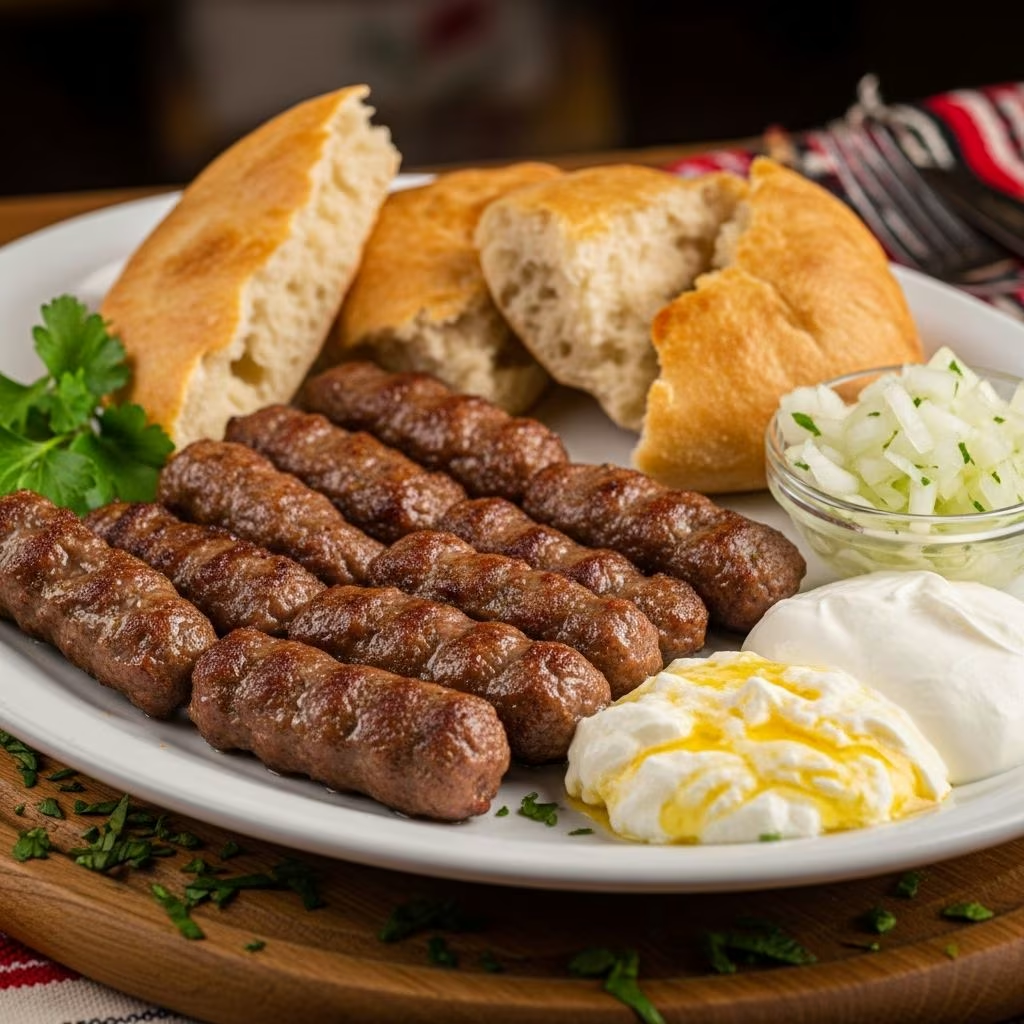
Serbian cevapcici represent one of the Balkan region’s most beloved culinary traditions. These small, finger-shaped grilled sausages embody the essence of Balkan cooking through their simple yet flavorful composition. The dish showcases how quality ingredients and proper technique can transform basic components into something truly memorable.
Understanding Cevapcici: A Balkan Heritage Dish
Cevapcici, often shortened to “cevapi,” are hand-formed sausages that hold significant cultural importance throughout the Balkan region. Unlike commercially produced sausages encased in casings, these sausages rely on their meat composition and binding agents to maintain their structure during cooking. The name itself derives from the Turkish word “kebab,” reflecting the region’s complex culinary history that blends Ottoman and Eastern European influences.
What distinguishes cevapcici from other sausage varieties is their accessibility to home cooks. Without requiring specialized equipment like sausage stuffers or casings, anyone can create these authentic sausages using basic kitchen tools. This democratic approach to sausage-making has contributed to cevapcici’s enduring popularity in households throughout Serbia and neighboring countries.
Selecting and Preparing Your Meat Base
The foundation of exceptional cevapcici begins with thoughtful meat selection. The traditional approach combines three distinct proteins, each contributing unique characteristics to the final product.
The Meat Composition Strategy
Ground beef serves as the primary component, typically comprising 40 to 50 percent of the total meat mixture. Beef provides robust flavor and body that forms the backbone of the sausage. Ground pork, making up roughly 25 to 30 percent of the mixture, introduces fat that keeps the sausages moist and tender during cooking. Ground lamb, constituting the remaining 20 to 25 percent, adds distinctive aromatic qualities and depth that elevate the overall taste profile.
The proportion of fat in your meat selection deserves particular attention. Meat containing 12 to 15 percent fat produces superior results compared to extremely lean options. This fat content ensures that cevapcici remain juicy rather than becoming dry and crumbly during grilling. When purchasing ground meat, request cuts from your butcher that align with this fat percentage rather than selecting ultra-lean options that may disappoint.
Grinding Your Own Meat
For those seeking ultimate control over quality, grinding meat at home offers distinct advantages. Using a meat grinder or food processor allows you to select specific cuts and control the exact grind texture. Coarser grinds can produce a more rustic texture, while finer grinds create a smoother, more uniform consistency. Many experienced cooks recommend partially freezing the meat before grinding to achieve optimal texture.
The Aromatic Foundations: Garlic and Onion
While meat forms the structural base, aromatic vegetables create the flavor complexity that makes cevapcici memorable. Garlic and onion work in concert to establish the sausage’s characteristic taste.
Four to six garlic cloves, minced or grated finely, provide pungent aromatics that permeate every bite. Grating garlic rather than mincing it allows for more even distribution throughout the meat mixture. A single large onion, finely grated or chopped, contributes subtle sweetness and moisture that helps bind the mixture together. The grated onion technique proves superior to simple chopping, as grating releases more of the onion’s liquid content, which acts as a natural binder.
Seasoning Strategies and Spice Blending
The seasoning profile of cevapcici reflects Balkan culinary traditions while remaining straightforward enough for home cooks to master.
Essential Spices
Black pepper provides the foundational heat, typically ranging from one-half to two teaspoons depending on desired intensity. Paprika represents the signature spice, with recipes calling for one to two tablespoons total, often incorporating multiple varieties. Sweet paprika forms the base, while hot or smoked paprika adds complexity and subtle heat.
Salt ties all components together, with most recipes recommending three-quarters to one and one-half teaspoons. Taste testing during preparation ensures you achieve your preferred sodium level. Some preparations include cayenne pepper for additional heat beyond standard black pepper.
Binding Agents and Texture Enhancers
Baking soda, typically one-half to one teaspoon, serves a critical function in cevapcici preparation. This alkaline ingredient reacts with the meat’s proteins, creating a more tender final product. The baking soda works with the meat’s natural moisture to develop a slightly springy texture reminiscent of commercial sausages.
Dried breadcrumbs, ranging from one to three tablespoons, or occasionally an egg white, help bind ingredients together while absorbing excess moisture. These additions prevent the mixture from becoming too dense or compacting excessively during cooking. Some traditional recipes include small quantities of sparkling water mixed with baking soda to enhance the binding effect.
Preparation and Resting: Building Flavor
The mixing and resting process significantly impacts the final result, requiring patience and attention to detail.
Combining Ingredients with Proper Technique
Once all components are assembled, gentle mixing by hand ensures even distribution without overworking the meat. Overmixing develops the meat’s gluten structure excessively, resulting in tough, dense sausages rather than tender ones. Mix until ingredients are just combined, ensuring the garlic and onion are evenly dispersed throughout. Some recipes recommend using a hand mixer fitted with dough hooks for even distribution without manual fatigue.
The Critical Resting Period
After mixing, the meat mixture requires refrigeration for a minimum of one to two hours, though overnight resting produces optimal results. During this resting period, flavors develop and integrate more thoroughly. The cold temperature firms the mixture, making it easier to shape into uniform sausages. Additionally, the resting period allows the baking soda to activate fully, creating the desired texture through chemical interaction with the meat proteins.
Shaping: Creating Uniform Sausages
The shaping process determines both the aesthetic appeal and cooking consistency of your cevapcici.
Remove the chilled mixture from the refrigerator and begin shaping by hand. Traditional cevapcici measure approximately three to four inches in length and roughly one-half to one inch in diameter, resembling a thick finger. Each sausage should contain approximately two to three tablespoons of meat mixture. Consistent sizing ensures uniform cooking, preventing some sausages from burning while others remain undercooked.
Work efficiently to prevent the meat from warming excessively during shaping. If the mixture becomes too warm and soft, return it to the refrigerator for additional chilling before continuing. Some cooks lightly dampen their hands to prevent sticking, while others use plastic wrap or parchment paper to work with the mixture. Place finished sausages on parchment paper or wax paper in single layers, separating layers with additional paper to prevent sticking.
Cooking Methods: Achieving Perfect Results
Cevapcici can be prepared through multiple cooking methods, each producing slightly different results.
Grilling for Authentic Flavor
Outdoor grilling represents the traditional preparation method, imparting distinctive char marks and smoky undertones. Preheat the grill to medium-high heat, approximately 400 to 450 degrees Fahrenheit. Grill cevapcici for twelve to fifteen minutes total, turning occasionally to achieve even browning on all sides. The sausages should develop a caramelized exterior while remaining juicy within.
Pan-Searing for Indoor Preparation
During inclement weather, cast iron or stainless steel skillets provide excellent alternatives to outdoor grilling. Heat the pan over medium-high heat, then add cevapcici without crowding. Cook for eight to ten minutes, turning every two to three minutes to ensure even browning and cooking. The result differs slightly from grilled versions, offering a crispier exterior without the smoky character.
Oven Baking for Convenience
For batch cooking or when time is limited, oven baking offers a convenient alternative. Place shaped cevapcici on a parchment-lined baking sheet and bake at 400 degrees Fahrenheit for fifteen to twenty minutes, stirring halfway through. While this method produces less dramatic browning than grilling or pan-searing, it accommodates larger quantities efficiently.
Temperature Control and Doneness Assessment
Determining when cevapcici are properly cooked requires understanding both visual cues and internal temperatures.
Externally, the sausages should develop a deep brown color with slight charring at edges. Internally, the meat should reach 160 degrees Fahrenheit when measured with a meat thermometer inserted into the thickest portion. An alternative assessment method involves cutting the largest sausage in half; the interior should show no pink and release clear juices. Use this first batch to establish the proper cooking duration for subsequent batches prepared under identical conditions.
Traditional Serving Approaches
Cevapcici shine when paired with complementary flavors and textures that enhance their savory qualities.
Serve cevapcici hot, traditionally accompanied by softly warmed pita bread and thinly sliced onions. Ajvar, a roasted red pepper condiment, provides a bright, slightly sweet counterpoint to the rich meat. Additional accompaniments might include sour cream, kajmak (a fresh dairy product similar to clotted cream), crumbled feta cheese, chopped fresh parsley, and ketchup. This combination of flavors and textures creates a complete meal that celebrates Balkan culinary traditions.
Storage and Reheating Guidance
Properly stored cevapcici maintain quality for several days, allowing convenient meal preparation.
Refrigerate cooked sausages in an airtight container for up to three days. Uncooked shaped sausages can be frozen on a lined baking sheet, then transferred to freezer bags for up to three months. Reheating is straightforward: bake frozen or refrigerated cevapcici at 350 degrees Fahrenheit for approximately ten minutes, or until heated through. Alternatively, briefly reheat in a warm skillet over medium heat.
Frequently Asked Questions
- Can I make cevapcici without lamb?
- While traditional recipes include lamb, substituting additional pork or beef is acceptable. Adjust seasonings to compensate for the flavor changes, potentially increasing garlic or paprika slightly.
- What is the purpose of baking soda in the recipe?
- Baking soda alkalinizes the meat mixture, tenderizing it and creating a springy texture. It also contributes to browning through the Maillard reaction during cooking.
- How long should I refrigerate the mixture before shaping?
- Minimum refrigeration is one to two hours, but overnight resting produces superior flavor integration and easier shaping.
- Can cevapcici be prepared in advance?
- Yes, shaped sausages can be frozen for up to three months. Cook directly from frozen, adding approximately five additional minutes to cooking time.
- What causes cevapcici to fall apart during cooking?
- This typically results from insufficient binding agent, overmixing the meat (which creates a crumbly texture), or inadequate refrigeration before cooking.
Troubleshooting Common Issues
Understanding common challenges helps ensure consistent success with cevapcici preparation.
Dry or crumbly texture: This indicates insufficient fat in the meat mixture or overcooking. Use meat with 12 to 15 percent fat and monitor cooking time carefully.
Greasy or loose sausages: Add one to two tablespoons of breadcrumbs or reduce the fat proportion in your meat selection.
Bland flavor: Increase salt and spice quantities incrementally while taste-testing. Ensure garlic and onion are finely minced or grated for even distribution.
Uneven cooking: Shape sausages to uniform size and thickness. Cook over consistent heat, turning frequently to ensure even exposure to heat sources.
Expanding Your Cevapcici Repertoire
Once mastering the basic recipe, experimentation opens additional possibilities. Some regional variations incorporate fresh parsley or other herbs. Others adjust the paprika ratios to emphasize smokiness or heat. Small adjustments to the base recipe allow personalization while maintaining the essential character of this beloved Balkan dish.
References
- Serbian Sausage Cevapcici Recipe — Sweetphi. Accessed April 2026. https://sweetphi.com/serbian-sausage-cevapcici-recipe/
- Cevapi or Cevapcici Recipe – Croatian Sausages — Where Is My Spoon. Accessed April 2026. https://whereismyspoon.co/cevapi-or-cevapcici-recipe-grilled-sausages-croatian-food/
- How to Make ČEVAPČIČI | Traditional Cevapi Recipe — YouTube/Slovenian Kitchen. Accessed April 2026. https://sloveniankitchen.com/blogs/main-course-recipes/cevapcici
- Perfect Ćevapi Recipe: Best Balkan Street Food — Johan Johansen. March 20, 2020. https://johanjohansen.dk/2020/03/20/perfect-cevapi-recipe/
- How to Make Cevapi (Serbian Sausages) at Home — Rakija Grill. Accessed April 2026. https://www.rakijagrill.com/blog/cevapi-recipe/
- Cevapi — The Modern Nonna. Accessed April 2026. https://themodernnonna.com/cevapi/
- Cevapi – Tastes Better From Scratch — Tastes Better From Scratch. Accessed April 2026. https://tastesbetterfromscratch.com/cevapi/