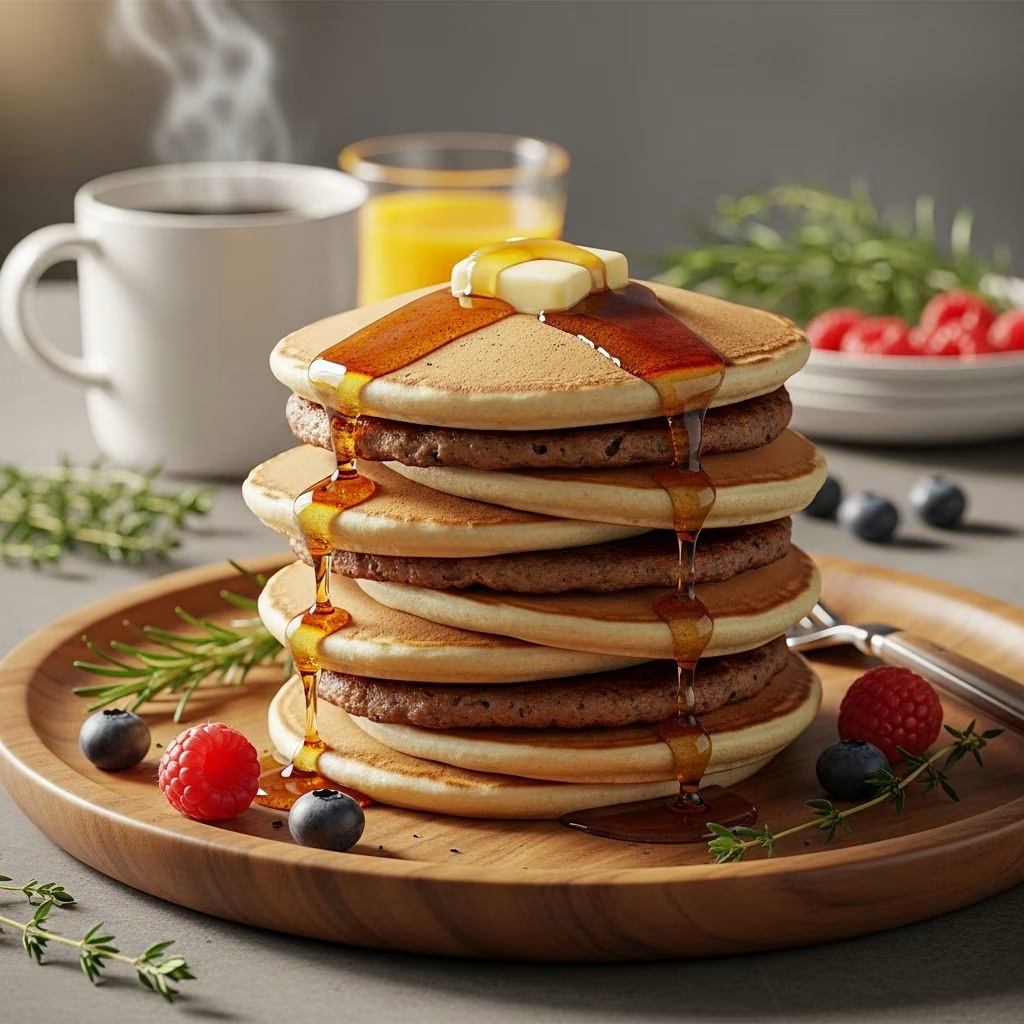
Pancakes have long been a breakfast staple, but traditional sweet varieties can leave you wanting a more substantial meal to start your day. Adding savory elements like breakfast sausage transforms ordinary pancakes into a complete protein-rich breakfast that satisfies hunger and keeps you energized until lunch. This combination of fluffy pancake batter infused with seasoned sausage meat creates a unique texture and flavor profile that appeals to those seeking heartier morning fare.
Understanding the Appeal of Meat-Based Pancakes
The concept of incorporating sausage into pancake batter represents a departure from conventional breakfast preparation, yet it follows a long tradition of combining proteins with grain-based dishes across various cultures. The appeal lies in several factors: the savory umami notes from cooked sausage contrast beautifully with the subtly sweet pancake base, creating complexity on the palate. Additionally, this preparation method significantly increases the protein content compared to standard pancakes, making the meal more nutritionally balanced and satisfying for sustained energy throughout the morning hours.
When sausage is properly integrated into the batter rather than served as a side, it distributes flavoring throughout each pancake, ensuring consistent taste in every bite. This approach also simplifies plating and consumption, as diners receive a complete protein-carbohydrate combination in a single item rather than managing multiple components on their plate.
Essential Ingredients for Preparation
Creating savory sausage pancakes requires gathering both traditional pancake components and quality breakfast sausage. Understanding the role of each ingredient helps optimize your final product:
- Breakfast sausage: Choose ground breakfast sausage or crumbled links, with options ranging from mild to spicy varieties depending on preference. The sausage should be fully cooked and cooled before incorporation into the batter.
- All-purpose flour: Forms the structural foundation of the pancake, providing the necessary gluten network for proper rise and texture.
- Leavening agents: Baking powder and baking soda work together to create the characteristic light, fluffy crumb structure that makes pancakes appealing.
- Buttermilk: Adds tanginess and reacts with baking soda to enhance lift. For richer pancakes, buttermilk offers superior flavor compared to regular milk.
- Eggs: Bind ingredients together and contribute to the pancakes’ structural integrity and richness.
- Butter: Melted butter incorporated into the wet ingredients adds moisture and richness to the finished pancakes.
- Salt: Enhances all flavors and balances the savory profile, preventing the pancakes from tasting flat.
- Optional additions: Sweet onion, sharp cheddar cheese, or fresh herbs complement the sausage flavor and add additional layers of complexity.
The Sausage Preparation Process
Properly cooking and preparing the sausage sets the foundation for successful pancakes. Begin by crumbling raw breakfast sausage into a large skillet over medium heat. Break the meat into small, uniform pieces using a wooden spoon or spatula as it cooks. This step typically takes five to eight minutes, depending on the sausage quantity and your cooking temperature.
The goal is achieving a light golden-brown color with no visible pink remaining in the meat. However, avoid overcooking, which can result in dry, tough sausage pieces that won’t distribute smoothly through the batter. Once cooked, transfer the sausage to a paper towel-lined plate to cool completely. Removing excess grease is important, as too much fat in your batter can prevent proper rising and create an overly greasy final product.
If incorporating onion alongside sausage, add diced sweet onion to the skillet after the sausage is mostly cooked and tender for approximately two minutes. This brief cooking time softens the onion while preserving its slightly sweet character, which complements the savory sausage beautifully.
Creating the Perfect Pancake Batter
The technique for mixing pancake batter significantly impacts the final texture. In a large mixing bowl, whisk together all dry ingredients: flour, sugar, baking powder, baking soda, and salt. This pre-mixing ensures even distribution of leavening agents throughout the batter, preventing dense spots in your finished pancakes.
In a separate bowl, gently beat eggs and combine with buttermilk and melted butter. This wet mixture should be thoroughly blended but not overly agitated. Pour the wet ingredients into the dry mixture and stir until just combined. The resulting batter should be slightly lumpy—this is intentional and desirable. Overmixing develops gluten excessively, resulting in tough, rubbery pancakes. A few lumps actually contribute to superior texture by preventing overdevelopment of the gluten network.
Allow the batter to rest for a few minutes while your griddle or skillet heats. This resting period allows the flour to fully hydrate and the baking powder to begin its work, resulting in lighter, fluffier pancakes. Once the batter has rested, gently fold in the cooled cooked sausage and any onion pieces until evenly distributed.
Cooking Techniques and Temperature Control
Proper cooking temperature ensures pancakes achieve the desired golden-brown exterior while remaining fluffy and cooked through inside. Heat your griddle or large nonstick skillet over medium heat. To test readiness, sprinkle a few drops of water on the surface; they should sizzle and evaporate immediately. If the water evaporates too quickly, the temperature is too high; if it sits without sizzling, increase the heat slightly.
Using a measuring cup or ¼ to ⅓ cup scoop, pour batter onto the hot griddle. Resist the urge to spread or manipulate the batter—it will spread naturally as it cooks. Watch for bubbles to form on the surface of each pancake; when you see bubbles consistently across the top and the edges appear set, it’s time to flip.
Flip each pancake only once, using a swift motion to prevent splattering. The second side typically requires less cooking time than the first, usually one to two minutes depending on how thickly you’ve poured the batter. The second side will be lighter in color than the first, which is normal. Remove pancakes when they’re golden brown on the bottom and feel firm when pressed gently with your spatula.
Serving and Topping Suggestions
While sausage pancakes are delicious on their own, thoughtful topping choices enhance the eating experience. Melted butter alone provides richness and helps flavors develop. Maple syrup remains the classic choice, and its sweetness balances the savory sausage beautifully, creating the contrast that makes this dish particularly appealing.
Consider alternative accompaniments: a dollop of sour cream adds tanginess, hot sauce provides heat and complexity for those preferring spice, or honey offers a milder sweetness than maple syrup. Fresh herbs like chives or parsley scattered over warm pancakes add brightness. For a more indulgent experience, top with crispy bacon, shredded cheese, or a fried egg.
| Topping Option | Flavor Profile | Best For |
|---|---|---|
| Maple syrup | Sweet with subtle woody notes | Classic pairing, everyday eating |
| Sour cream | Tangy, cooling effect | Balancing rich sausage |
| Hot sauce | Spicy with heat | Adventurous eaters |
| Cheese and chives | Savory, herbaceous | Fully savory preparations |
Variations and Creative Adaptations
Once you master the basic preparation, numerous variations allow for culinary exploration. Adding shredded sharp cheddar cheese to the batter creates a more robust, cheesy flavor that complements the sausage without overpowering it. Fresh herbs such as thyme, sage, or rosemary contribute sophisticated flavor notes that echo traditional breakfast sausage seasonings.
For those who enjoy spice, incorporating diced jalapeños or using hot breakfast sausage elevates the heat level. Alternatively, preparing a savory pancake casserole by layering pancake batter with sausage pieces and baking in a preheated oven offers a different texture and serves larger groups efficiently. Some cooks form the mixture into balls and bake them as savory pancake appetizers or finger foods.
Creating pancake-sausage sticks by dipping cooked sausage links into batter and deep-frying them offers a fun presentation. This method creates a crispy exterior while keeping the sausage warm and tender inside, making them excellent for entertaining or serving at brunches.
Frequently Asked Questions
Can I make the batter in advance?
Pancake batter is best used immediately after mixing, but you can prepare ingredients the night before and combine them in the morning. Prepare your dry ingredient mixture and store it in an airtight container. Keep wet ingredients separate in the refrigerator. Combine them shortly before cooking for optimal fluffiness.
What type of sausage works best?
Both ground breakfast sausage and crumbled sausage links work well. Choose the spice level based on preference—mild sausage appeals to those preferring subtle flavoring, while spicy varieties suit adventurous palates. Jimmy Dean, Hillshire Farm, and store brands all produce quality options.
How do I prevent the pancakes from being greasy?
Thoroughly drain cooked sausage on paper towels to remove excess fat. Avoid adding sausage grease to the batter, and wipe your griddle between batches with a paper towel to remove accumulating grease. Use a light touch when applying cooking spray to your cooking surface.
Can I freeze leftover pancakes?
Yes, frozen sausage pancakes reheat wonderfully. Cool them completely, layer with parchment paper to prevent sticking, and store in a freezer bag for up to three months. Reheat in a toaster oven or regular oven at 350 degrees for about five minutes until warmed through.
Is buttermilk essential, or can I substitute?
While buttermilk provides superior tang and helps activate baking soda, you can substitute regular milk combined with lemon juice or vinegar. For every cup of milk, add one tablespoon of lemon juice or vinegar and let sit for five minutes before using.
Storage and Make-Ahead Strategies
Sausage pancakes can be prepared ahead of time, making them convenient for busy mornings. After cooking, allow pancakes to cool completely on a wire rack. Store cooled pancakes in an airtight container in the refrigerator for up to four days. When ready to eat, reheat in a toaster oven at 300 degrees for five minutes to restore crispness to the exterior while maintaining interior moisture.
For longer-term storage, freeze cooled pancakes individually on a baking sheet, then transfer to freezer bags where they’ll keep for three months. You can reheat frozen pancakes directly without thawing, allowing an extra minute or two in the toaster oven. This make-ahead approach works particularly well for meal prep, ensuring quick, nutritious breakfasts throughout the week.
Nutritional Benefits and Meal Timing
Sausage pancakes offer a more balanced nutritional profile than traditional sweet pancakes. The protein from both the sausage and eggs provides satiety that lasts well beyond mid-morning, making them particularly suitable for active individuals or those with demanding morning schedules. The combination of protein, carbohydrates, and fat creates sustained energy release without the sugar crash associated with pure carbohydrate-based breakfasts.
For those managing dietary macronutrient intake, sausage pancakes can be tailored to specific nutritional goals. Using leaner sausage varieties reduces saturated fat content, while incorporating whole grain flour boosts fiber and micronutrient density. The versatility of this dish allows customization to accommodate various dietary preferences and restrictions.
Conclusion
Preparing savory sausage pancakes at home transforms a familiar breakfast favorite into something memorable and satisfying. By understanding the techniques involved—from proper sausage preparation through batter mixing and cooking temperature control—anyone can master this dish. Whether serving a busy family, entertaining overnight guests, or preparing make-ahead meals for the week, sausage pancakes offer delicious versatility that combines convenience with genuine culinary appeal. The balance of flavors, improved nutritional profile, and customization possibilities make this preparation a worthy addition to any cook’s breakfast repertoire.
References
- Pancake Preparation and Cooking Techniques — University of Minnesota Extension. 2024. https://extension.umn.edu
- Food Safety Guidelines for Pork Sausage Cooking Temperatures — United States Department of Agriculture Food Safety and Inspection Service. 2024. https://www.fsis.usda.gov
- Gluten Development in Baked Goods — King Arthur Baking Company. 2023. https://www.kingarthurbaking.com
- Protein Content and Satiety in Breakfast Foods — American Journal of Clinical Nutrition. 2023. https://academic.oup.com/ajcn
- Freezing and Reheating Prepared Foods — National Center for Home Food Preservation. 2024. https://nchfp.uga.edu