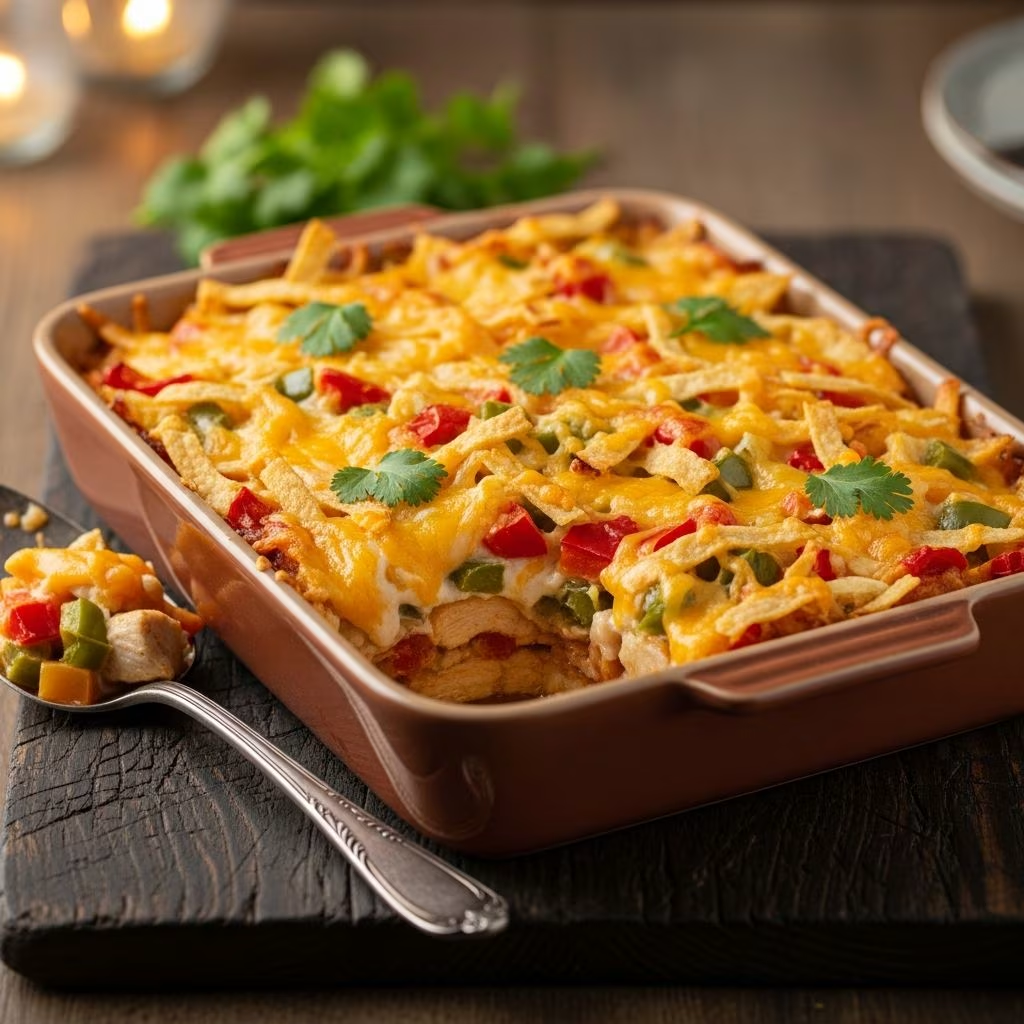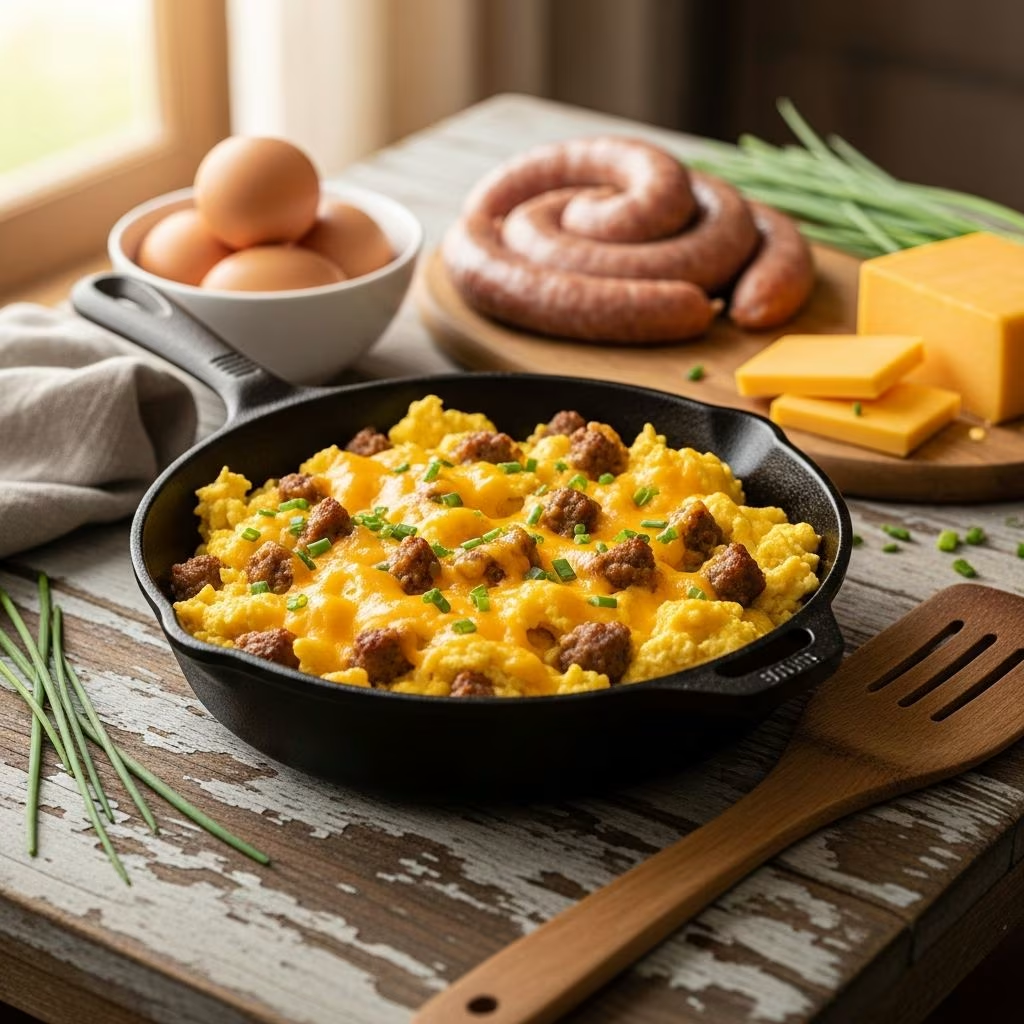
Breakfast holds a special place in the daily routine for many households, and few dishes capture the essence of a satisfying morning meal quite like a well-prepared sausage, egg, and cheese scramble. This classic combination brings together three fundamental ingredients that complement each other perfectly, creating a dish that is both versatile and deeply comforting. Whether you’re feeding a busy family before school or enjoying a leisurely weekend brunch, understanding the fundamentals of this beloved scramble can elevate your breakfast game significantly.
The beauty of this dish lies in its remarkable simplicity combined with the potential for endless customization. At its core, the scramble represents one of the most accessible yet rewarding cooking experiences for both novice and experienced kitchen enthusiasts. The interplay between the savory protein of the sausage, the richness of perfectly cooked eggs, and the melting quality of cheese creates a harmonious flavor profile that satisfies the palate and sustains energy throughout your morning.
Understanding Your Core Ingredients
The foundation of an exceptional scramble begins with selecting quality ingredients. Each component plays a crucial role in determining the final outcome of your dish, and understanding their characteristics will help you make informed choices in your kitchen.
Selecting the Right Sausage
Sausage selection dramatically influences the overall flavor profile of your scramble. Breakfast sausage comes in various forms, including bulk sausage that can be crumbled directly into your skillet and pre-formed links that require slicing or chopping. The choice between these formats is largely one of personal preference and convenience.
- Bulk Sausage: Offers ease of crumbling and distributes more evenly throughout the dish, creating consistent flavor in every bite
- Sausage Links: Provide a more substantial texture and can be sliced into rounds for visual appeal
- Heat Levels: Available in mild, medium, and spicy varieties to match your heat tolerance preferences
- Specialty Varieties: Jalapeño cheddar, Italian herbs, or maple-infused options add unique flavor dimensions
Many cooks prefer mild sausage as a starting point, which provides robust flavor without overwhelming the palate. However, those seeking additional depth can experiment with specialty varieties that introduce unexpected flavor notes. The fat content in sausage is equally important, as it contributes richness and prevents sticking during the cooking process.
Egg Selection and Preparation
Eggs represent the structural foundation of your scramble, and their preparation significantly impacts the final texture. Using fresh eggs at room temperature yields superior results compared to cold eggs straight from the refrigerator. Room temperature eggs combine more evenly when whisked, resulting in a more uniform, fluffy texture throughout the cooking process.
The whisking technique deserves particular attention. Vigorous whisking for at least 30 seconds ensures complete integration of egg whites and yolks, which promotes even cooking and enhanced fluffiness. Some home cooks add a splash of milk, cream, or half-and-half to further enhance tenderness and reduce the risk of rubbery eggs.
Cheese Varieties That Work Best
Cheese selection allows for tremendous creative expression while maintaining the integrity of the dish. Sharp cheddar remains the traditional choice due to its distinctive flavor and excellent melting properties. However, numerous alternatives can add interesting dimensions to your scramble.
| Cheese Type | Melting Quality | Flavor Profile | Best For |
|---|---|---|---|
| Sharp Cheddar | Excellent | Bold, tangy | Classic scrambles |
| Cotija | Crumbly | Salty, slightly acidic | Topping texture |
| Pepper Jack | Good | Spicy, creamy | Heat-seekers |
| Monterey Jack | Excellent | Mild, creamy | Subtle flavor preference |
Essential Cooking Techniques for Superior Results
Mastering the cooking methodology transforms this simple dish into something restaurant-quality. The sequence of steps, heat management, and timing all contribute to achieving the desired outcome.
The Proper Sausage Browning Method
Begin by placing crumbled sausage in a large skillet over medium heat. Resist the urge to stir constantly; instead, allow the sausage to rest for a minute or two before breaking it up with a spoon. This technique develops a light golden crust that contributes depth of flavor. Cook for approximately 5 to 8 minutes, stirring frequently, until the sausage pieces are evenly browned and cooked through.
Once the sausage reaches optimal browning, you have two options: drain excess fat on paper towels for a lighter result, or leave the drippings in the pan for added richness. Many experienced cooks prefer leaving a small amount of fat, as it contributes flavor and prevents the egg mixture from sticking.
Creating Creamy, Tender Scrambled Eggs
Heat management becomes critical when transitioning to egg cooking. Reduce your burner to low heat—this is not a step to abbreviate. Low and slow cooking ensures that eggs remain moist, tender, and fluffy rather than becoming dry and rubbery.
Pour the whisked egg mixture slowly into the pan containing the sausage. Allow the eggs to sit undisturbed for approximately 20 seconds before beginning to gently stir. This brief pause allows the bottom layer to set slightly, creating a more uniform texture. Continue stirring occasionally but not constantly, as excessive stirring breaks up the curds and creates smaller pieces than desired.
The ideal endpoint is when eggs appear slightly glossy or shiny, indicating they retain moisture. This typically occurs after 3 to 4 minutes of cooking. Overcooking past this point results in a texture that feels dry and less appealing.
Melting Cheese for Maximum Impact
Add shredded cheese during the final phase of cooking, after turning off the heat. The residual warmth of the pan will melt the cheese perfectly without causing it to separate or become stringy. Fold the cheese gently into the warm egg mixture, allowing it to incorporate fully. This final step ensures every spoonful contains the desired cheese-to-egg ratio.
Flavor Enhancement Through Complementary Ingredients
While the trio of sausage, eggs, and cheese forms a complete dish, strategic additions can elevate the experience considerably. The key is adding ingredients that complement rather than overwhelm the core flavors.
- Onions and Scallions: Provide aromatic sweetness and subtle texture variation
- Cherry Tomatoes: Add brightness, color, and a subtle acidic note that balances richness
- Fresh Herbs: Cilantro, chives, or parsley introduce freshness and visual appeal
- Hot Sauce or Jalapeños: Offer heat that can be adjusted to personal preference
- Bell Peppers: Contribute sweetness and additional vegetable content
Diced onions should be sautéed with the sausage during the browning phase, allowing them to soften and caramelize slightly. This incorporation time develops their natural sweetness. Scallions, by contrast, work better as a final garnish, preserving their fresh, mild onion character.
Timing and Efficiency in Preparation
One of the greatest advantages of this scramble is its remarkable speed. From ingredient assembly to plating typically requires no more than 20 to 25 minutes, making it ideal for busy weekday mornings when time is limited.
Organization streamlines the process significantly. Before beginning, gather all ingredients and position them within arm’s reach of your cooking station. Pre-shred cheese if using a block rather than pre-shredded varieties. Dice any vegetables you plan to incorporate. This mise en place approach prevents scrambling to locate items mid-cooking and ensures the process flows smoothly.
Serving Suggestions and Presentation
Presentation elevates the dining experience, transforming a simple breakfast into something that feels special and intentional. Spoon the finished scramble onto warmed plates, allowing the heat to be retained through the eating experience.
Consider serving accompaniments such as warm tortillas, crusty toast, or fresh fruit on the side. Fresh cilantro leaves, a drizzle of hot sauce, or additional cheese scattered over the top provide visual interest and flavor customization for individual preferences. Some households enjoy pairing this scramble with a crisp salad or simple fruit component to round out the meal nutritionally.
Equipment Considerations
While this scramble doesn’t require specialized equipment, certain tools facilitate the process. A large skillet with deep sides (preferably 12 inches) provides adequate space for combining all ingredients without crowding. Non-stick surfaces reduce the risk of sticking and simplify cleanup, though traditional stainless steel works equally well if properly heated and oiled.
A silicone spoon or spatula prevents scratching of non-stick surfaces and provides gentle stirring capabilities. A mixing bowl with a pourable spout simplifies transferring whisked eggs to the skillet without splashing. While not essential, these tools enhance comfort and efficiency during preparation.
Frequently Asked Questions
What is the best way to prevent rubbery eggs?
Rubbery texture results primarily from overcooking. Use low heat, monitor the cooking time closely, and remove eggs from heat while they still appear slightly glossy. Additionally, avoid constant stirring, which breaks eggs into smaller pieces and accelerates moisture loss. Adding a small amount of milk or cream also helps retain moisture.
Can I prepare this dish ahead of time?
While this scramble is best enjoyed fresh and warm, you can prepare components in advance. Brown the sausage several hours or the day before and reheat gently before adding eggs. Alternatively, prepare this dish in the morning and consume within a few hours. Reheating scrambled eggs tends to further dry them out, so fresh preparation is preferred.
Are there vegetarian variations available?
Absolutely. Substitute the sausage with crumbled tofu, tempeh, or plant-based sausage alternatives. Some cooks use additional vegetables like mushrooms, spinach, or bell peppers to create texture and substance. The eggs and cheese remain unchanged, providing the core components of the dish.
How should I store leftovers?
Transfer cooled scramble to an airtight container and refrigerate for up to three days. Reheat gently on the stovetop over low heat with a small amount of butter to restore some moisture. Alternatively, use leftovers in breakfast burritos or sandwiches, where the texture difference is less noticeable.
What cheese works best for dietary restrictions?
For lactose-free diets, use lactose-free cheddar or similar cheese alternatives. For vegan variations, nutritional yeast provides a cheesy flavor while keeping the dish plant-based. Some people prefer sharp cheddar for its robust flavor, as less quantity is needed to achieve satisfactory taste.
Scaling Recipes for Different Serving Sizes
The fundamental proportions of this scramble can be easily adjusted for varying numbers of people. As a general guideline, allocate one to two eggs per person, approximately one ounce of sausage per egg, and roughly two tablespoons of shredded cheese per person.
When scaling up significantly, consider cooking in batches rather than attempting to crowd an oversized skillet. This maintains proper heat distribution and prevents the scramble from becoming dense or unevenly cooked. Alternatively, use multiple skillets simultaneously if your stovetop accommodates them, allowing you to prepare larger quantities while maintaining quality.
Nutritional Considerations
This scramble provides substantial nutritional value, delivering high-quality protein from both the sausage and eggs, along with calcium from the cheese. The combination creates a filling breakfast that sustains energy and promotes satiety throughout the morning.
For those monitoring dietary intake, note that sausage and cheese are calorie-dense ingredients. Reducing portion sizes or incorporating additional vegetables can adjust the overall caloric content without diminishing satisfaction. Using leaner sausage varieties or reducing cheese quantity also provides flexibility for individual dietary goals.
Troubleshooting Common Issues
Understanding solutions to common challenges ensures success even when conditions are less than ideal. If cheese fails to melt properly, ensure you’ve added it after removing the pan from heat; the residual warmth should be sufficient. If sausage remains pink inside, extend cooking time slightly and verify that pieces are broken into appropriately small sizes for complete cooking.
If eggs become watery or separate, you may have incorporated too much liquid or were too forceful during stirring. Conversely, if eggs become rubbery, they’ve been overcooked; reduce heat intensity for your next attempt. These adjustments are easily incorporated into subsequent preparations.
This versatile, satisfying scramble represents breakfast cooking at its finest—simple enough for busy mornings yet refined enough for leisurely weekend gatherings. By understanding core techniques, selecting quality ingredients, and applying thoughtful adjustments, you’ll consistently create a dish that delights the entire household.
References
- Snake River Farms Sausage, Egg and Cheese Breakfast Scramble — Snake River Farms. 2024. https://snakeriverfarms.com/blogs/srf-journal/sausage-egg-and-cheese-breakfast-scramble
- The Short Order Cook Breakfast Sausage, Egg, & Cheese Scramble Recipe — The Short Order Cook. 2024. https://theshortordercook.com/breakfast-sausage-egg-cheese-scramble/
- Wishes and Dishes Sausage, Egg, and Cheese Scramble — Wishes and Dishes. 2024. https://wishesndishes.com/sausage-egg-cheese-scramble/
- Seven Sons Easy Scrambled Eggs with Sausage and Cheese — Seven Sons. 2024. https://sevensons.net/recipes/quick-and-simple-scrambled-eggs-with-sausage-and-cheese
- Plowing Through Life Easy Egg & Sausage Casserole — Plowing Through Life. 2024. https://plowingthroughlife.com/easy-egg-sausage-casserole/