Pierogi represent one of Eastern Europe’s most beloved culinary traditions, and the sauerkraut filling stands as a cornerstone variation of this iconic dumpling. This tangy, savory filling delivers complex flavors that transport diners to authentic kitchens across Poland, Ukraine, and neighboring regions. Unlike sweet pierogi fillings, the sauerkraut version offers a sophisticated profile that appeals to those seeking substantial, umami-rich comfort food. Creating an exceptional sauerkraut pierogi filling requires understanding both the fundamental ingredients and the nuanced techniques that transform simple components into something truly memorable.
Understanding the Foundation: Core Ingredients
The essence of sauerkraut pierogi filling begins with selecting quality sauerkraut. The fermented cabbage serves as the primary ingredient, providing the characteristic tangy flavor and distinctive texture that defines this filling. When choosing sauerkraut, opt for products that display a light yellow or greenish hue rather than grey tones, which may indicate inferior fermentation or age. Organic sauerkraut made without additives offers superior flavor complexity and authentic taste. Many cooks recommend sourcing sauerkraut from Polish delicatessens or specialty markets, as these vendors typically stock products that meet traditional quality standards.
Beyond sauerkraut, the filling typically incorporates aromatic vegetables and fat for cooking. Onions provide sweetness and depth, cutting through the fermented cabbage’s sharpness while adding textural contrast. Butter or oil serves as the cooking medium, contributing richness and helping develop flavors through gentle heat. These foundational elements work in concert to create a balanced, flavorful mixture that feels both light and satisfying within the pierogi dough.
Classic Variations: Building Flavor Complexity
While the most straightforward sauerkraut fillings consist primarily of fermented cabbage with minimal additions, numerous regional and personal interpretations expand this basic formula. Understanding these variations allows home cooks to customize their pierogi according to preference and available ingredients.
The Mushroom Enhancement
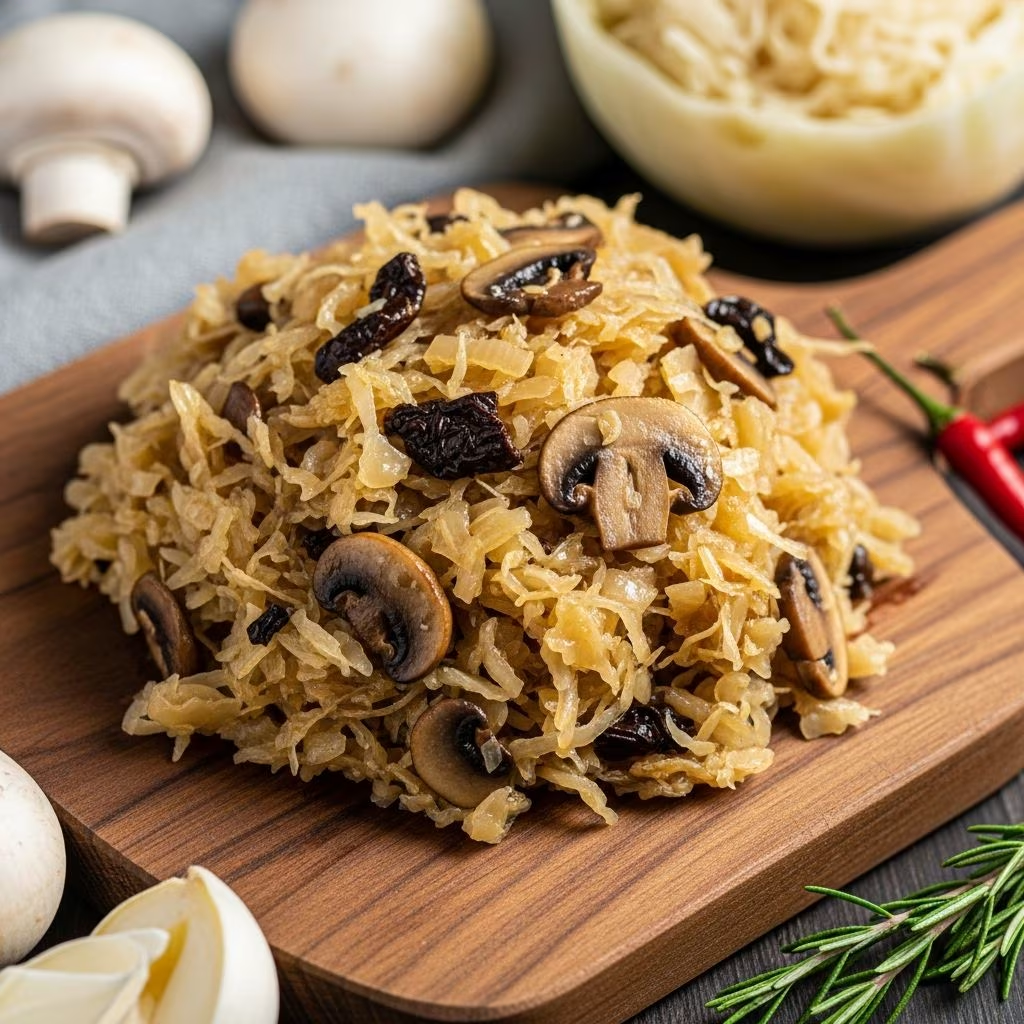
Mushrooms appear frequently in sauerkraut pierogi fillings, adding earthiness and umami richness. Dried porcini mushrooms deliver intense, concentrated flavor that transforms the filling into something more luxurious and complex. Fresh cremini mushrooms provide a milder taste and tender texture that appeals to those preferring subtle mushroom presence. Many traditional recipes combine both varieties—rehydrating dried porcini for concentrated flavor while incorporating fresh mushrooms for textural balance. This dual approach creates a filling with layered taste dimensions that evolve as diners chew.
Aromatic Additions
Mustard—particularly whole grain varieties—adds pungent notes and subtle heat that enhance the sauerkraut’s natural brightness. Caraway seeds contribute subtle, slightly sweet undertones characteristic of Eastern European cuisine. Some recipes incorporate grated apple, which introduces sweetness that balances fermented flavors and adds natural moisture to the filling. Paprika brings warmth and color, while garlic delivers savory punch that elevates the overall flavor profile. Each addition should be considered thoughtfully, as overpowering the sauerkraut’s essential character defeats the purpose of featuring it prominently.
Essential Preparation Techniques
Preparation Steps
- Drain and Process: Begin by thoroughly draining sauerkraut, removing excess brine while retaining its moisture. Finely chop the drained sauerkraut to achieve uniform texture throughout the filling.
- Sauté Aromatics: Warm butter or oil in a large pan over medium heat. Add finely chopped onions and cook gently until softened and translucent, typically requiring 3-5 minutes. Avoid browning onions excessively, as this creates bitter flavors inappropriate for the delicate filling balance.
- Introduce Sauerkraut: Add prepared sauerkraut to the softened onions, stirring to combine evenly. If incorporating mushrooms, add them at this stage, whether rehydrated dried varieties or fresh-cooked options.
- Extend Cooking Time: Reduce heat to low and allow the mixture to simmer for approximately 30-45 minutes, depending on moisture content and desired texture. This extended cooking melds flavors while softening any firm vegetable pieces.
- Adjust Consistency: Monitor the filling during cooking, adding small amounts of reserved sauerkraut juice or water if the mixture becomes too dry. The goal is achieving a cohesive filling that holds together without excessive moisture that would compromise dough integrity.
- Season Appropriately: Taste the filling before completing preparation. Exercise caution with salt, as sauerkraut already contains substantial sodium from fermentation. Black pepper should be applied generously, as traditional sauerkraut pierogi fillings feature pronounced pepper presence. Add optional ingredients like whole grain mustard or caraway seeds, adjusting quantities according to personal preference.
- Cool Completely: Transfer the finished filling to a clean container and allow it to cool to room temperature before using. This cooling period facilitates handling and ensures the filling won’t wilt the delicate pierogi dough through excessive heat transfer.
Advanced Ingredient Combinations
Experienced pierogi makers often develop personal interpretations that showcase their culinary preferences while respecting traditional foundations. Some preparations include breadcrumbs, which absorb excess moisture while adding subtle textural complexity. Sour cream occasionally makes appearances, contributing tang and luxurious mouthfeel that complements the sauerkraut’s brightness. Optional protein additions like crumbled sausage or bacon create heartier fillings suitable for main-course applications rather than appetizers or side dishes.
Regional traditions influence ingredient selection significantly. Polish interpretations may emphasize bold pepper and caraway, while Ukrainian variations sometimes feature apple’s sweetness more prominently. Russian preparations might incorporate additional mushroom varieties or include pearl barley for textural interest. These regional approaches deserve exploration, as each offers legitimate interpretations of what sauerkraut pierogi filling should represent.
Ingredient Selection and Quality Considerations
| Ingredient | Quality Indicators | Selection Tips |
|---|---|---|
| Sauerkraut | Light yellow/greenish color, no grey tones | Purchase from Polish delis or specialty markets; look for organic, additive-free products |
| Onions | Firm, papery skin, sweet varieties preferred | Yellow onions provide sweetness; avoid red onions which overpower other flavors |
| Mushrooms | Dried porcini should be aromatic; fresh should be firm | Combine dried and fresh for optimal flavor; cremini mushrooms work well with porcini |
| Fat | Unsalted butter or neutral oil | Unsalted butter allows better seasoning control; olive oil provides different character |
| Seasonings | Fresh, aromatic spices | Whole grain mustard and caraway seeds add authentic flavor; avoid pre-ground spices if possible |
Practical Make-Ahead Strategies
One advantage of sauerkraut pierogi filling is its capacity to be prepared well in advance of pierogi assembly. The completed filling stores excellently in refrigerated containers for up to one week, allowing cooks to complete this time-intensive component before focusing on dough preparation and filling assembly. To store filling, ensure it has cooled completely to room temperature, then transfer to airtight containers and refrigerate. Before using stored filling, stir it thoroughly to redistribute any settled ingredients and verify seasoning remains appropriate.
The filling also freezes successfully, extending storage potential to several months. Portion the filling into convenient quantities before freezing, using ice cube trays or small containers for easy thawing. Defrost frozen filling in the refrigerator overnight before use, allowing flavors to reintegrate as the mixture returns to working temperature. This advance preparation strategy enables busy cooks to create pierogi efficiently by handling multiple preparation stages across several days rather than attempting complete pierogi production in a single session.
Flavor Balancing and Seasoning Philosophy
Creating an exceptional sauerkraut pierogi filling requires understanding how different components interact. The sauerkraut naturally provides tartness and umami from fermentation; adding excessive additional acid would overwhelm these qualities rather than enhance them. Instead, seasoning should emphasize complementary flavors—generous black pepper, warming caraway seeds, and perhaps subtle mustard notes that echo without dominating. Salt demands particular caution, as fermented sauerkraut already contains considerable sodium from its production process. Most fillings require little if any additional salt, preventing the filling from becoming unpalatably salty.
The balance between sweet and savory elements deserves careful consideration. Gentle onion sweetness provides relief from the sauerkraut’s intensity, while apple—if incorporated—reinforces this sweetness without creating incongruent flavor profiles. However, the filling should never taste noticeably sweet; rather, subtle sweetness should act as a counterpoint that allows other flavors to shine more brightly. This balance represents the hallmark of skillfully prepared sauerkraut pierogi filling.
Common Questions About Sauerkraut Pierogi Filling
Should I rinse the sauerkraut before using it?
Yes, rinsing sauerkraut removes excess salt and brine while preserving the fermented cabbage’s essential character. After rinsing, pat it dry with paper towels or a clean kitchen towel to remove surface moisture, which helps achieve ideal consistency in the finished filling.
Can I use fresh cabbage instead of fermented sauerkraut?
While technically possible, this substitution fundamentally changes the dish’s character. Fresh cabbage lacks the complex fermented flavors that define authentic sauerkraut pierogi filling. If sauerkraut is unavailable, attempting substitution with fresh cabbage produces something entirely different—no longer recognizable as traditional sauerkraut pierogi.
How long can I store prepared filling?
Refrigerated filling remains fresh and flavorful for approximately one week in airtight containers. Frozen filling maintains quality for three to four months. Always ensure filling has cooled completely before storing, and verify seasoning remains appropriate after thawing before assembling pierogi.
What consistency should the finished filling achieve?
The filling should hold together cohesively without being wet or excessively dry. It should bind when pressed but not release liquid. If too moist, the filling will compromise dough integrity; if too dry, it becomes unappetizing and difficult to distribute evenly throughout pierogi.
Can I combine sauerkraut filling with potato filling?
Absolutely. Many traditional preparations combine mashed potato with sauerkraut, creating balanced fillings that offer earthiness from potato and tartness from fermented cabbage. This combination appeals to those desiring milder sauerkraut intensity alongside satisfying potato richness.
Serving and Presentation Strategies
Traditionally, sauerkraut pierogi are served after pan-frying in butter, which creates golden exteriors while heating the filling thoroughly. The crispy, caramelized dough exterior contrasts beautifully with the soft, flavorful filling within. Accompaniments typically include sour cream for dolloping and caramelized onions for additional depth and textural interest. Some preparations include crispy bacon, adding smoky richness that complements the sauerkraut’s tartness. These garnishes transform pierogi from simple peasant fare into elegant fare suitable for sophisticated entertaining.
The sauerkraut pierogi filling’s versatility extends beyond traditional presentations. Served at room temperature with crusty bread, it functions as an excellent appetizer or light lunch. Incorporated into composed salads or vegetable medleys, it provides concentrated flavor and interesting texture. Creative cooks might consider the filling as a component in larger dishes, using it as a basis for vegetable gratins or incorporating it into stuffed vegetables.
Conclusion: Mastering This Traditional Component
Creating exceptional sauerkraut pierogi filling rewards attention to ingredient quality, technique precision, and flavor balance. By understanding the essential components and respecting traditional approaches while allowing personal interpretation, home cooks can produce fillings that honor Eastern European culinary heritage while satisfying contemporary palates. Whether preparing filling for immediate use or making ahead for convenient future assembly, the techniques and principles outlined here ensure consistent, delicious results that will earn appreciation from family and guests alike.
References
- Sauerkraut Pierogi Recipe — Erin Jeanne McDowell. Accessed April 2026. https://www.erinjeannemcdowell.com/recipes/sauerkraut-pierogi
- Polish Sauerkraut Pierogi (Kapusta) Dumplings — Everyday Healthy Recipes. Accessed April 2026. https://www.everydayhealthyrecipes.com/polish-sauerkraut-dumplings-pierogi-kapusta/
- Sauerkraut and Mushroom Pierogi Recipe — Everyday Delicious. Accessed April 2026. https://www.everyday-delicious.com/sauerkraut-and-mushroom-pierogi-recipe/
- Pierogi with Potato and Sauerkraut — The Cozy Apron. Accessed April 2026. https://thecozyapron.com/pierogi-with-potato-and-sauerkraut/
- The Sauerkraut Pierogi — The Pierogi Experiment. Accessed April 2026. https://www.thepierogiexperiment.com/blog/the-sauerkraut-pierogi
- Polish Sauerkraut Pierogi Recipe — The Polonist. Accessed April 2026. https://www.polonist.com/sauerkraut-pierogi/