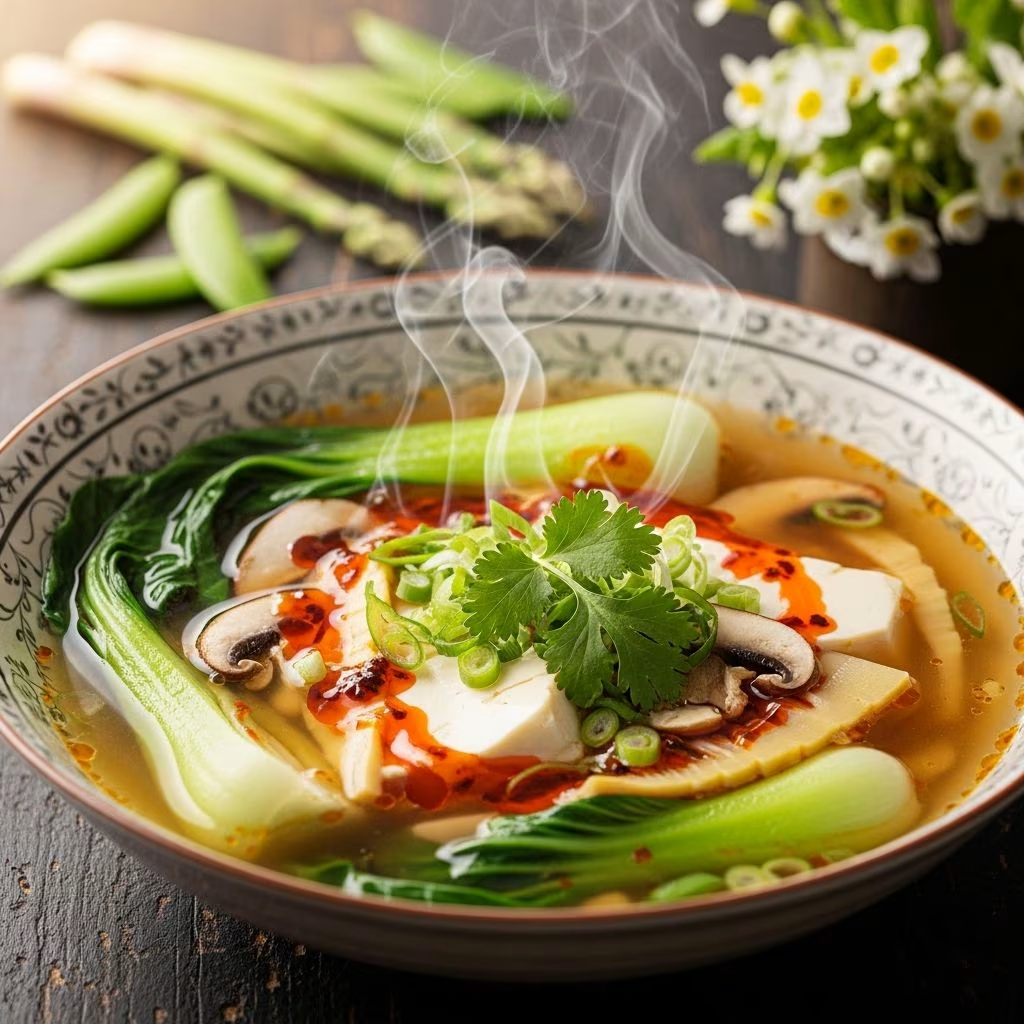
Hot and sour soup originated in Sichuan Province in Southwestern China and has become a beloved staple across the globe. This warming, flavorful broth combines the distinctive tang of vinegar with the heat of spices, creating a complex flavor profile that appeals to diverse palates. While traditional versions remain popular year-round, adapting this classic recipe for spring allows home cooks to incorporate seasonal produce while maintaining the essential character that makes this soup so memorable.
The spring variation of hot and sour soup takes advantage of lighter, fresher ingredients that align with the season’s bounty. Rather than relying solely on dried mushrooms and preserved vegetables, the spring interpretation welcomes tender greens, delicate shoots, and fresh aromatics. This seasonal approach not only enhances nutritional value but also creates a more contemporary expression of a time-honored recipe.
Understanding the Fundamental Components
Hot and sour soup derives its character from several key elements working in harmony. The broth serves as the foundation, typically made from chicken or vegetable stock. The depth of flavor comes from the interplay between acidic components—primarily vinegar—and heat sources such as white pepper, chili flakes, or hot pepper oil. Beyond these fundamentals, the soup incorporates textural variety through mushrooms, tofu, and various vegetables.
The thickening agent, traditionally cornstarch slurry, distinguishes hot and sour soup from lighter broths. This creates a silky mouthfeel that coats the palate and helps carry flavors throughout each spoonful. Beaten eggs stirred through the hot broth create delicate ribbons that add protein and richness while contributing visual appeal.
Selecting Ingredients for the Spring Version
Creating a spring iteration requires thoughtful ingredient selection. The base remains essential—a quality chicken or vegetable stock forms the foundation of flavor. For the spring variation, consider incorporating fresh spring onions, tender pea shoots, fresh ginger, and young garlic as aromatic components.
Mushroom varieties provide umami depth. While traditional recipes rely on dried varieties, fresh spring mushrooms like cremini, oyster, or button varieties offer a lighter character appropriate to the season. Maintaining some dried elements such as wood ear mushrooms or lily buds, if available, preserves authenticity while the fresh components modernize the dish.
Tofu remains a cornerstone ingredient, cut into delicate batons or cubes. The bamboo shoots, whether fresh or canned, contribute crunch and subtle flavor. Fresh herbs like cilantro and young green onions finish the soup, providing brightness and visual contrast.
The Essential Flavor Balancing Act
The interplay between heat and sour defines this soup category. White pepper provides subtle spiciness that builds gradually rather than overwhelming the palate. Vinegar—whether white, rice, or apple cider varieties—contributes the characteristic tang. The proportion between these elements determines whether the soup leans more toward sour or spicy, allowing for personal preference adjustment.
Soy sauce contributes umami, a savory depth that enhances overall flavor complexity. Using both light and dark soy sauce creates layered seasoning, with light soy providing saltiness and dark soy adding color and subtle sweetness. Sugar in modest amounts balances acidity without making the soup sweet.
Sesame oil appears as a finishing touch, its toasted nuttiness becoming more pronounced when added after cooking rather than during. This preservation of volatile aromatics ensures maximum sensory impact with each spoonful.
Preparation Techniques for Optimal Results
Successful spring hot and sour soup begins with proper ingredient preparation. Mushrooms should be cleaned thoroughly and sliced uniformly to ensure even cooking. Tofu should be pressed gently to remove excess moisture, preventing it from becoming mushy during cooking. Bamboo shoots, whether fresh or canned, benefit from rinsing to remove any tinny flavor.
The cornstarch slurry requires particular attention. Mixing cornstarch with cold water and stirring thoroughly prevents lumping when added to the hot broth. Adding this mixture slowly while stirring constantly ensures even thickening without creating a starchy, gluey texture.
Eggs should be beaten thoroughly before being streamed into the hot soup. The traditional technique involves pouring beaten egg through the tines of a fork or chopsticks, creating delicate strands rather than scrambled pieces. This requires practice but becomes intuitive with repetition.
Step-by-Step Cooking Method
Begin by heating oil in a large saucepan or wok over medium-high heat. If including protein such as thinly sliced pork or chicken, add it now, stirring until color changes. This browning develops flavor through the Maillard reaction, creating more complex taste.
Pour in the stock—approximately 6 to 8 cups depending on desired thickness and serving size. Bring this to a boil, then reduce heat to medium. Add mushrooms, bamboo shoots, and other vegetables that benefit from extended cooking. Allow these to simmer for several minutes until beginning to soften.
Season the broth with vinegar, soy sauce, white pepper, and other seasonings. Taste as you go, adjusting proportions to match personal preference. This is the crucial moment for flavor development, as these components need time to meld and distribute throughout the broth.
When the broth reaches a rolling boil and vegetables have softened appropriately, stir the cornstarch slurry thoroughly and add it slowly while stirring constantly. The soup will visibly thicken within one to two minutes. Remove from heat before adding eggs to prevent them from scrambling rather than forming silky strands.
Pour the beaten egg through a fork in a steady stream, moving around the pot in a circular motion. Gently stir in one direction to integrate the egg without breaking it apart. Finish with sesame oil, fresh herbs, and green onion garnish.
Ingredient Variations and Substitutions
| Component | Traditional Option | Spring Alternative | Notes |
|---|---|---|---|
| Mushrooms | Dried wood ear, lily buds, black mushrooms | Fresh cremini, oyster, button, shiitake | Fresh varieties lighter, require less cooking time |
| Protein | Pork strips | Chicken, tofu, omit for vegetarian | Chicken cooks faster; tofu maintains authenticity |
| Vegetables | Bamboo shoots, canned or dried | Fresh spring vegetables, pea shoots, asparagus | Fresh produce adds seasonal brightness |
| Vinegar | White vinegar | Rice vinegar, apple cider, champagne vinegar | Each variety contributes distinct flavor notes |
| Heat Source | White pepper, hot pepper oil | Fresh chili, Sichuan peppercorns, chili flakes | Fresh chili provides immediate heat; white pepper lingers |
The beauty of this soup lies in its flexibility. Those who cannot locate authentic Chinese ingredients can still create delicious results using readily available substitutions. Vegetarian versions simply omit meat and use vegetable stock, maintaining full flavor integrity. The fundamental flavor balance between heat and sour remains the soup’s defining characteristic regardless of specific ingredients employed.
Nutritional Considerations and Health Benefits
Hot and sour soup offers numerous nutritional advantages. The broth base provides collagen and gelatin when made from bones, supporting joint and gut health. Mushrooms contribute B vitamins and minerals including selenium and potassium. Tofu provides complete protein with all essential amino acids.
Fresh spring ingredients add vitamins and antioxidants while keeping caloric content moderate. The moderate use of oil and avoidance of heavy cream make this soup a lighter option compared to cream-based alternatives. The warming spices aid digestion and may have mild anti-inflammatory properties.
Vinegar, beyond its flavor contribution, may offer digestive benefits when consumed with meals. The combination of vegetables, protein, and complex flavors promotes satiety, preventing overeating while providing substantial satisfaction.
Serving Suggestions and Pairings
Spring hot and sour soup works beautifully as a first course for multicourse meals, awakening the palate with its complex flavors. It also serves as a light lunch or simple dinner when paired with steamed rice or noodles. The soup’s versatility extends to entertaining, where it impresses guests while requiring minimal last-minute preparation.
For spring entertaining, consider serving this soup alongside spring rolls, steamed dumplings, or stir-fried vegetables. The soup’s bold flavors complement rather than compete with these accompaniments. Jasmine tea or light white wines pair well with the soup’s spicy-sour profile.
Make-ahead capability enhances its utility for busy home cooks. The broth can be prepared a day in advance and gently reheated before service. Add fresh herbs and adjust seasonings just before serving to maintain brightness and flavor intensity.
Storage and Make-Ahead Strategy
Hot and sour soup stores well in the refrigerator for three to four days in airtight containers. The flavors actually intensify slightly as components continue melding. Upon reheating, the soup may become thicker as cornstarch continues hydrating; thin with additional broth if desired.
For longer storage, freeze the broth separately from eggs and delicate vegetables. When thawing and reheating, add fresh ingredients and eggs just before serving to maintain optimal texture and appearance. This strategy ensures that make-ahead convenience doesn’t compromise quality.
Mastering Common Challenges
Several issues frequently confront home cooks attempting this recipe. Excessive thickness results from too much cornstarch or insufficient liquid; remedy this by adding warm broth gradually. Insufficient thickening indicates broth temperature was too low when adding the slurry; ensure the broth maintains a rolling boil.
Grainy cornstarch texture indicates inadequate stirring during addition or lumpy slurry preparation. Scrambled eggs rather than silky strands result from adding eggs while broth is at full boil; remove from heat first. Flat flavor suggests insufficient seasoning or inadequate time for flavors to meld; taste early and adjust seasonings gradually.
The soup becoming overly sour develops from excessive vinegar or improper balance with other components. Start with less vinegar than recipes suggest, tasting and adjusting upward as needed. Similarly, excessive heat from pepper or chili can be mitigated by using less initially.
Frequently Asked Questions
Can I make this soup vegetarian?
Yes, absolutely. Omit the pork or chicken entirely and substitute vegetable stock for chicken stock. The soup maintains its character and satisfying quality with tofu as the primary protein. Dried shiitake mushrooms provide umami depth that compensates for missing meat.
What if I cannot find specific ingredients like wood ear mushrooms?
The soup remains delicious using common mushroom varieties available at any grocery store. Fresh or dried shiitake, cremini, or button mushrooms work beautifully. The essential character of the soup—the balance between heat and sour—remains intact regardless of specific mushroom variety selected.
How can I adjust the heat and sour levels to preference?
The vinegar contribution creates sourness; start with less than called for and add gradually to taste. Similarly, reduce white pepper or hot pepper oil initially, then increase until heat level matches preference. Season incrementally rather than correcting excessive adjustments.
Can I prepare components ahead and assemble quickly before serving?
Yes, this approach works well for entertaining. Prepare the broth in advance, storing it in the refrigerator. Prep vegetables, tofu, and beaten eggs separately. Just before serving, reheat the broth, add vegetables, and proceed with the final cooking steps.
What stock works best?
Homemade chicken or vegetable stock provides superior flavor but quality store-bought versions work reliably. In a pinch, water with added chicken bouillon creates acceptable results. The quality of stock directly impacts the final soup’s depth of flavor.
Conclusion: Celebrating Spring Through Soup
Spring hot and sour soup represents the intersection of tradition and seasonal eating. By maintaining the essential flavor profile—that distinctive balance between heat and vinegar’s tang—while incorporating spring’s fresh produce, home cooks create a dish that honors its heritage while expressing contemporary sensibilities about food. Whether served as an elegant first course or a simple weeknight meal, this versatile soup delivers satisfaction and comfort in a bowl, making it a worthwhile addition to any home cook’s repertoire.
References
- Hot and Sour Soup (Suan La Tang) — Smithsonian Associates. https://apa.si.edu/picklesandtea/hot-and-sour-soup/
- Hot and Sour Soup Recipe: Better Than Takeout — FeedMi. https://www.feedmi.org/hot-and-sour-soup-recipe/
- Authentic Hot and Sour Soup Recipe — Chop Chop (YouTube). https://www.youtube.com/watch?v=GvZeC3aIQxw
- Spring Hot-and-Sour Soup — Bryan’s New Foodie Site. https://bhiggs.x10hosting.com/foodie/spring-hot-and-sour-soup/