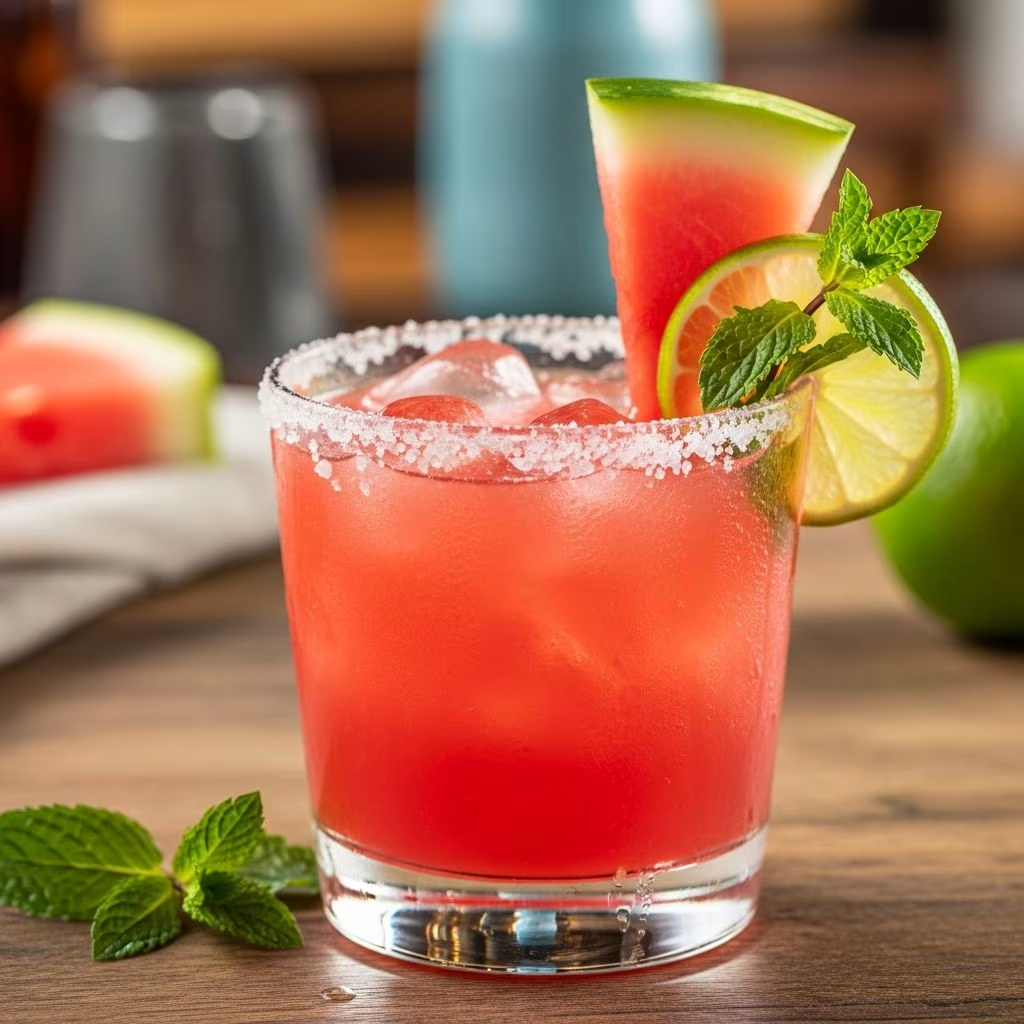
When summer heat arrives, few beverages offer the same level of refreshment as a perfectly balanced margarita infused with fresh watermelon. The salted watermelon margarita represents a modern twist on the classic cocktail, combining the natural sweetness of ripe watermelon with the bright acidity of lime and the smoothness of quality tequila. This drink has become a staple at gatherings and restaurants, appealing to those seeking something more adventurous than traditional margaritas yet still approachable and delicious.
Creating this cocktail at home transforms an ordinary evening into a special occasion. The process involves understanding flavor balance, mastering basic mixology techniques, and selecting premium ingredients that work harmoniously together. Whether you’re hosting a backyard celebration or simply craving a sophisticated refreshment, this guide will walk you through everything needed to craft restaurant-quality margaritas in your own kitchen.
Understanding the Core Components
A successful salted watermelon margarita relies on four fundamental elements: quality spirits, fresh citrus, watermelon elements, and thoughtful seasoning. Each component plays a crucial role in the final product’s flavor profile and overall drinking experience.
The spirit foundation typically combines blanco tequila with optional mezcal or orange liqueur, creating depth and complexity. Blanco tequila provides the clean, crisp base that allows other flavors to shine without overpowering the drink. Some variations introduce mezcal, which adds a subtle smokiness that complements the watermelon’s sweetness without dominating the palate. Orange liqueur brings brightness and a touch of sophistication, rounding out the spirit profile with its subtle citrus notes.
Fresh lime juice serves as the acidic backbone, cutting through richness and brightening the overall composition. This natural acidity is essential—bottled lime juice cannot replicate the vibrancy and complexity of freshly squeezed juice. The lime juice should be vibrant green and aromatic, indicating peak ripeness and maximum juice content.
Watermelon appears in two forms within this cocktail: as a fresh puree and as a simple syrup infusion. The puree provides texture and authentic watermelon flavor, while the syrup adds sweetness and ensures the watermelon essence disperses evenly throughout the drink. The syrup base should be subtle enough to enhance rather than overwhelm, allowing the watermelon’s natural character to emerge.
Creating Your Watermelon Simple Syrup
The foundation of exceptional watermelon margaritas begins with homemade watermelon simple syrup. This ingredient requires minimal effort but delivers maximum flavor impact compared to store-bought alternatives.
Ingredient Measurements
- One cup granulated sugar
- One cup filtered water
- One cup fresh watermelon chunks, rind removed
- Optional: pinch of sea salt to enhance sweetness perception
Preparation Method
Combine the sugar and water in a saucepan over medium heat. Stir continuously until the sugar completely dissolves, then add the watermelon chunks. Allow the mixture to simmer gently for approximately five minutes—this timeframe is crucial, as longer cooking can break down the delicate watermelon flavor compounds and create a muddy taste.
Once simmered, remove the pan from heat and let the mixture cool to room temperature. This cooling period allows the watermelon flavor to fully infuse into the simple syrup. After cooling, strain the liquid through a fine-mesh chinoise or cheesecloth, pressing gently on the solids to extract all flavorful liquid without pushing pulp through. The resulting syrup should be clear and vibrant, with an intense watermelon aroma.
Store the syrup in a glass container in the refrigerator for up to two weeks. The syrup will develop a slightly deeper color as it sits, which indicates that flavors continue melding together—this is desirable and normal.
Preparing Fresh Watermelon Puree
Beyond the simple syrup, fresh watermelon puree provides texture and amplifies the watermelon flavor profile. This puree differs from syrup because it retains the fruit’s natural fiber and moisture content, creating a more authentic fruit-forward element.
Select a ripe watermelon with a deep green exterior and a hollow sound when tapped. Cut away the rind and remove any seeds, then cut the flesh into chunks approximately one inch in size. Add these chunks to a high-powered blender and puree on the highest setting until completely smooth, approximately one to two minutes depending on your blender’s power.
The resulting puree should be thick and deeply colored, with no visible chunks remaining. This puree can be used immediately or refrigerated in an airtight container for up to three days. Some bartenders prefer to strain the puree through cheesecloth for a smoother texture, though this removes beneficial fiber and slightly reduces the intensity of watermelon flavor.
Essential Equipment and Preparation
Professional-quality cocktails require specific tools and proper technique. While you need not purchase expensive equipment, investing in reliable basics makes a significant difference in the final product.
Must-Have Tools
- Cocktail shaker: Boston shakers (two-piece metal and glass combination) work exceptionally well for this application
- Bar jigger: Essential for accurate ingredient measurement, typically featuring 0.75 oz and 1.5 oz sides
- Bar spoon: Useful for stirring and layering ingredients
- Hawthorne strainer: Allows controlled pouring while keeping ice and solids in the shaker
- Lime press or citrus juicer: Maximizes juice extraction from fresh limes
- High-speed blender: Required for creating smooth watermelon puree
Before mixing, chill all glassware by filling with ice and allowing to sit for several minutes while you prepare ingredients. This step ensures the finished cocktail remains properly chilled throughout consumption. Similarly, chill the cocktail shaker by filling with ice before use.
Step-by-Step Cocktail Assembly
The mixing process demands attention to detail and understanding of how shaking temperature affects final flavor and mouthfeel.
The Rimming Process
Begin by preparing your glassware with a salted rim. Take a shallow dish and pour kosher salt into it—regular table salt contains additives that create an unpleasant flavor, while kosher salt offers better texture and pure salt taste. Alternatively, create a spiced salt rim by combining kosher salt with dehydrated lime zest or a touch of chile powder for complexity.
Cut a fresh lime into quarters. Wipe the rim of your chilled highball glass thoroughly with the lime wedge, coating approximately one-half inch around the glass rim. The moisture is crucial—it causes the salt to adhere properly. Invert the glass and gently roll the rim through the salt dish until evenly coated. This technique prevents excessive salt buildup while ensuring adequate seasoning.
Shaking and Straining
Fill your cocktail shaker approximately halfway with fresh ice—preferably larger cubes that melt more slowly than standard ice. Add the following ingredients in order:
- 0.5 ounce orange liqueur (if using)
- 1.5 ounces blanco tequila
- 0.5 ounce mezcal (optional, for added complexity)
- 0.5 ounce watermelon simple syrup
- 1 ounce fresh lime juice
- 0.5 ounce fresh watermelon puree
Secure the shaker top firmly and shake vigorously for approximately thirty seconds. The shaking should be energetic and confident—this action properly chills the ingredients, mixes them thoroughly, and creates the ideal texture through controlled dilution as ice melts slightly.
Place your Hawthorne strainer over the shaker opening and pour the contents into your prepared, ice-filled glass. The strainer prevents ice and fruit particles from entering the drink while allowing the liquid to flow freely.
Garnishing and Finishing Touches
The final presentation transforms a good drink into a memorable one. Garnishing serves both aesthetic and flavor purposes—thoughtfully chosen garnishes contribute to the overall tasting experience.
A fresh watermelon slice provides the most obvious garnish choice. Cut thin slices from chilled watermelon, then make a single cut from the center to the edge, allowing the slice to perch elegantly on the glass rim. This garnish serves multiple purposes: it visually announces the drink’s flavor profile, provides a light snack that complements the cocktail, and releases subtle aromatic compounds as it sits.
Alternatively, consider lime wheels or dehydrated watermelon chips for a more refined presentation. A small sprig of fresh mint can add an herbaceous note that brightens the aromatic profile without conflicting with the watermelon-lime-tequila combination.
Flavor Variations and Creative Adaptations
While the classic salted watermelon margarita stands on its own merits, numerous adaptations allow customization based on personal preferences and available ingredients.
Spiced and Savory Variations
For those seeking complexity, incorporating small amounts of chile powder or cayenne into the salt rim introduces a subtle heat that builds gradually and complements the watermelon’s sweetness through contrast. Some bartenders add a tiny pinch of smoked salt to enhance the mezcal component when included.
Sweetness Adjustments
If your watermelon lacks natural sweetness or you prefer a sweeter cocktail, add one-half to one ounce of agave nectar directly to the shaker. This ingredient dissolves easily when shaken and provides smooth sweetness without graininess. Alternatively, substitute a portion of the watermelon simple syrup with fresh agave syrup for a slightly different flavor dimension.
Frozen Variations
Transform the cocktail into a frozen drink by combining all ingredients with one to two cups of crushed ice in a blender. Process until smooth and slushy, then serve immediately in a chilled glass. This adaptation is particularly appealing during extremely warm weather and creates a texture reminiscent of a margarita granita.
Ingredient Selection and Quality Considerations
The final product’s quality depends almost entirely on ingredient selection. Using premium components makes a measurable difference in taste and mouthfeel.
Selecting Tequila
Blanco tequila remains the ideal choice for watermelon margaritas. This unaged spirit maintains bright, crisp characteristics that complement fruit-forward cocktails. Look for tequilas that are 100% blue agave and produced using traditional methods. These designations indicate superior quality and more complex flavor development. While more expensive initially, premium tequila significantly enhances the final drink’s character and justifies the investment.
Watermelon Selection
The watermelon itself determines whether your cocktail showcases genuine fruit flavor or tastes one-dimensional and overly sweet. Choose watermelons that feel heavy for their size, indicating high water content and ripeness. The underside should display a creamy yellow patch where it rested on soil—watermelons with white or pale spots are underripe and will deliver disappointing results.
Cut a small slice before purchasing to assess flavor directly. Ripe watermelon should taste sweet with subtle undertones of earthiness, not watery or bland. During peak season (typically May through September in North America), flavor and affordability are optimal.
Lime Quality
Select limes that feel slightly soft when gently squeezed and display thin skin rather than thick rinds. Thinner-skinned limes typically contain more juice. Store limes at room temperature before juicing—they yield more juice when warm than when refrigerated. For best results, juice limes immediately before cocktail preparation.
Common Mistakes to Avoid
Even experienced bartenders encounter occasional missteps. Understanding common pitfalls helps ensure consistent success.
Over-sweetening stands as the primary error—using too much watermelon syrup or agave creates a cloying, unbalanced drink that fails to satisfy. The lime juice should remain the dominant acidic note, with watermelon providing sweetness rather than overwhelming the palate.
Under-shaking results in insufficient chilling and inadequate mixing. The thirty-second shake duration is not excessive—it’s the minimum required to achieve proper temperature and emulsion.
Using bottled lime juice instead of fresh significantly compromises flavor. This shortcut is never justified when fresh limes are available and require minimal additional effort.
Neglecting to chill glassware allows the cocktail to warm rapidly, causing the flavor profile to become muddled and diluted.
Serving Suggestions and Presentation Ideas
Context enhances the drinking experience. Serving watermelon margaritas during the right occasions and settings maximizes enjoyment.
These cocktails shine at warm-weather gatherings, particularly poolside entertaining or outdoor dinners. Their refreshing nature and vibrant appearance make them conversation starters and Instagram-worthy additions to any event.
Consider preparing a large batch by multiplying the recipe and combining ingredients in a pitcher. Stir rather than shake the batch, then serve individual portions over ice with garnishes. This approach simplifies preparation when hosting multiple guests.
Pair watermelon margaritas with light appetizers such as fresh ceviche, grilled shrimp, or caprese skewers. The cocktail’s bright acidity and fruit-forward profile complement these foods exceptionally well.
Storage and Make-Ahead Planning
For entertaining purposes, preparing components in advance streamlines the cocktail-making process. Store watermelon simple syrup in glass containers for up to two weeks. Fresh watermelon puree maintains quality for three days when refrigerated in airtight containers.
Freshly squeezed lime juice loses quality rapidly—prepare this component no more than two hours before serving. If preparing for a large gathering, juice limes the morning of your event and store the juice in a sealed glass container in the refrigerator.
Mix individual cocktails to order whenever possible to preserve flavor integrity and ensure proper chilling. If batch-mixing is necessary, prepare only the quantity you’ll serve within the next thirty minutes, as the cocktail’s quality deteriorates as it sits.
Frequently Asked Questions
Can I make this cocktail without mezcal?
Yes, absolutely. Mezcal is entirely optional and serves to add smokiness and depth. The classic version uses only blanco tequila, orange liqueur, watermelon elements, and lime juice. Omitting mezcal creates a lighter, more straightforward fruit-forward drink that many find equally satisfying.
What if I cannot find fresh watermelon?
While fresh watermelon is ideal, frozen watermelon chunks work in a pinch. Thaw the watermelon completely and use it to create syrup and puree following standard instructions. The result will be slightly less complex than fresh watermelon but still delivers pleasant flavor.
How far in advance can I prepare watermelon simple syrup?
Watermelon simple syrup keeps for up to two weeks when refrigerated in a sealed glass container. Making syrup three to four days before your event allows flavors to fully develop and meld together.
Should I use top-shelf or mid-range tequila?
For mixed cocktails, quality mid-range tequila (labeled 100% blue agave) provides excellent results without the premium price tag of top-shelf selections. Reserve your most expensive tequilas for sipping neat or on the rocks.
Can I batch-prepare these margaritas?
Yes, you can multiply the recipe and combine ingredients in a large pitcher, stirring gently to mix. Batch cocktails are best prepared only thirty minutes before serving to maintain optimal flavor and chilling. Add ice to individual glasses at service time rather than mixing everything together.
References
- Salted Watermelon Margaritas — Heather Christo. 2014-06-25. https://heatherchristo.com/2014/06/25/salted-watermelon-margaritas/
- Salted Watermelon Margarita — Jennifer Meyering. https://jennifermeyering.com/salted-watermelon-margarita/
- The Art of Mixology: Classic Cocktail Techniques — International Bartenders Association. 2022-01-15. https://www.iba-world.com/
- Culinary Uses of Watermelon: Seasonal Ingredients Guide — Serious Eats. 2023-06-10. https://www.seriouseats.com/