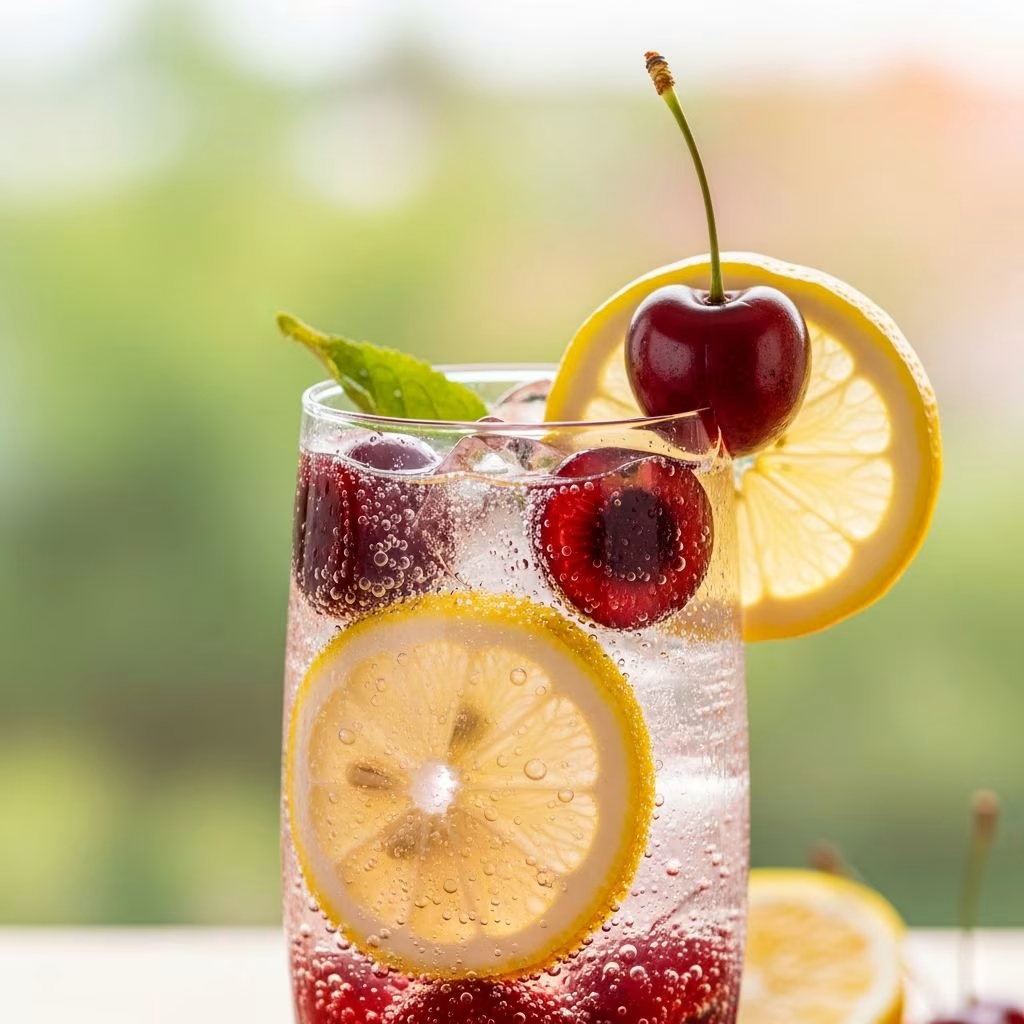
Creating a vibrant, refreshing sparkling cherry lemonade at home is an accessible culinary venture that transforms simple pantry staples into a sophisticated beverage perfect for warm weather gatherings. This fruit-infused drink combines the tartness of fresh citrus with the natural sweetness and subtle complexity of cherries, elevated by the addition of effervescent carbonation. Whether you’re hosting an outdoor gathering, seeking a homemade alternative to store-bought beverages, or simply looking to quench your thirst with something extraordinary, sparkling cherry lemonade offers an elegant solution that requires minimal preparation time and basic kitchen equipment.
Understanding Your Ingredient Foundation
The success of any sparkling cherry lemonade begins with selecting quality components. The primary ingredients—fresh or frozen cherries, fresh lemon juice, sweetener, and sparkling water—form the backbone of this beverage. Fresh lemons provide natural acidity and brightness, while cherries contribute fruity depth and beautiful color to the final drink. The type of cherry you choose significantly influences the flavor profile: tart varieties like Montmorency cherries deliver sharp, tangy notes, whereas sweet cherry varieties create a more mellow, smooth taste experience.
When selecting cherries, prioritize those that are firm and vibrantly colored. Fresh cherries work wonderfully during peak season, but frozen cherries offer year-round availability and often prove more economical without sacrificing quality. Frozen cherries have been picked at peak ripeness and retain their nutritional properties and flavor compounds effectively.
Lemon juice serves as the acidic counterbalance in this recipe. Freshly squeezed juice provides superior flavor compared to bottled alternatives, which often contain preservatives that can mute the bright citrus character you’re seeking. Plan on extracting juice from approximately six medium lemons to obtain the typical one-cup quantity many recipes require. For sparkling water, choose brands that appeal to your palate—some prefer unflavored carbonated water, while others enjoy subtle fruit-flavored varieties like lime-infused options.
Sweetening Your Beverage: Options and Considerations
The sweetener you employ shapes the overall taste and mouthfeel of your lemonade. Traditional granulated white sugar remains the most common choice, typically ranging from three-quarters to one full cup depending on your preference and the cherries’ natural sweetness. Those seeking reduced sugar options can substitute with honey, which adds subtle floral notes while maintaining the drink’s smooth texture. Agave nectar offers another alternative that dissolves easily and contributes minimal flavor interference.
Creating a simple syrup—where you combine sugar with water and gently heat until the crystals fully dissolve—represents a professional technique that ensures even sweetness distribution throughout your beverage. This approach prevents undissolved sugar granules from settling at the pitcher’s bottom and guarantees consistent flavor in every glass.
Preparation Methods: From Simple to Sophisticated
The Direct Blending Approach
The quickest method involves combining pitted cherries, fresh lemon juice, and sugar directly in a blender, processing until completely smooth. This technique creates a concentrated cherry syrup that you can portion into individual servings or distribute across multiple glasses. The advantage of this approach lies in its speed and simplicity—you can prepare the entire base in under ten minutes without requiring stovetop access or special equipment beyond a standard blender.
After blending, strain the mixture through a fine-mesh sieve if you prefer a completely smooth beverage without pulp particles. Press the solids gently against the sieve to extract maximum flavor and liquid while leaving behind the cherry solids. This step proves optional but recommended if you want a refined, restaurant-quality presentation.
The Stovetop Syrup Method
For a more polished presentation and guaranteed sugar dissolution, the stovetop approach combines lemon juice and honey in a small saucepan over medium heat, stirring gently until completely incorporated. This creates an emulsified blend that, when combined with cherry juice and sparkling water, distributes evenly throughout your pitcher. Some variations involve creating an elaborate lemon syrup by heating water, sugar, and fresh lemon zest together, then allowing the mixture to steep for thirty minutes to absorb maximum lemon flavor before straining and refrigeration.
The Cherry Juice Shortcut
For those seeking maximum convenience, combining bottled tart cherry juice with fresh lemon juice, sparkling water, and optional sweetener eliminates the need for fresh cherry processing entirely. While this method sacrifices some of the homemade quality associated with fresh fruit preparation, it delivers impressive results in under five minutes with minimal cleanup.
Achieving the Perfect Flavor Balance
The harmony between tartness, sweetness, and carbonation defines an exceptional sparkling cherry lemonade. Begin by tasting your base mixture before adding sparkling water, adjusting sweetness or lemon intensity to your preference. Some palates prefer pronounced tartness where lemon dominates the flavor profile, while others favor a sweeter profile where cherry takes center stage. The beauty of homemade beverages lies in this customization capability—you control every flavor dimension.
When incorporating sparkling water, add it gradually while tasting frequently. The carbonation can amplify perceived sweetness and tartness, so what tastes balanced before carbonation might shift slightly afterward. Most recipes suggest a ratio of approximately one part cherry-lemon concentrate to three parts sparkling water, though personal preference should ultimately guide your proportions.
Serving Techniques and Presentation
Presentation elevates your sparkling cherry lemonade from a casual refreshment to an impressive beverage worthy of special occasions. Fill glasses halfway with ice before pouring your prepared mixture, allowing the ice to chill the drink while slowly melting to prevent excessive dilution. Top each glass with fresh carbonated water or a splash of sparkling water just before serving to maximize fizz and freshness.
Garnishing options transform your beverage into a visual centerpiece. Fresh whole cherries suspended in the glass, floating lemon slices, or lime wedges tucked into the rim all enhance the aesthetic appeal. For an elegant touch, sugar the glass rims by moistening them with lime wedges and dipping into granulated white sugar—a technique borrowed from cocktail preparation that adds textural interest and subtle sweetness to each sip.
Recipe Variations for Creative Expression
| Variation Name | Key Modifications | Flavor Profile |
|---|---|---|
| Maraschino Cherry Version | Use maraschino cherry juice instead of fresh cherries | Sweeter, more candy-like, classic Americana |
| Herbal Enhancement | Add fresh mint sprigs or basil leaves | More complex, aromatic, garden-fresh quality |
| Lime Infusion | Substitute lime sparkling water for plain carbonation | Brighter citrus notes, tropical undertones |
| Adult Adaptation | Incorporate vodka or other spirits (1.5 cups optional) | Sophisticated cocktail suitable for evening entertaining |
| Reduced Sugar Option | Use three-quarter cup sugar or honey instead of full cup | More tart, less cloying, fruit-forward |
Storage and Make-Ahead Preparation
The concentrate component of sparkling cherry lemonade stores effectively in refrigeration for several days, allowing you to prepare the base in advance and carbonate individual glasses as needed. Store your cherry-lemon concentrate in glass containers rather than plastic, as the acidity in lemon juice can interact with certain plastics over extended periods. When ready to serve, combine your concentrate with chilled sparkling water and ice for optimal flavor and texture.
For larger gatherings where you want to prepare the complete beverage ahead of time, add sparkling water just before serving. Pre-carbonated drinks gradually lose their effervescence through time, so that timing consideration ensures your guests experience the maximum fizz and refresh that makes sparkling beverages so appealing.
Nutritional Considerations and Health Benefits
Cherries contain anthocyanins and other beneficial compounds with antioxidant properties, while lemons provide vitamin C and enhance iron absorption from other dietary sources. Creating your lemonade from scratch allows complete control over sugar quantities compared to many commercial beverages. If minimizing added sugars aligns with your dietary goals, experiment with reducing sweetener quantities or substituting agave, which has a lower glycemic index than refined white sugar.
The hydration factor cannot be overlooked—sparkling water hydrates just as effectively as still water, so this beverage serves as a flavorful alternative to plain water that can help meet daily fluid intake recommendations while providing satisfying taste complexity.
Troubleshooting Common Challenges
If your lemonade tastes excessively tart, gradually increase sweetener by small increments rather than adding large quantities at once, which could swing the flavor profile too far in the opposite direction. Conversely, if the drink tastes overly sweet, fresh lemon juice provides the easiest correction method. If you detect a grainy texture from undissolved sugar, gently warm the mixture or prepare a simple syrup using the stovetop method in future batches.
Should your blended cherry mixture appear too thick or pulpy, strain it through fine-mesh sieves or cheesecloth to achieve a smoother texture. If you accidentally add too much sparkling water, prepare an additional concentrated batch and combine it with the diluted portion to restore balance.
Why Homemade Surpasses Commercial Alternatives
Creating sparkling cherry lemonade at home delivers cost savings compared to specialty beverages from coffee shops or restaurants while providing superior freshness and flavor customization. Store-bought versions often contain preservatives, artificial colorants, or excessive sugar quantities that domestic recipes eliminate entirely. The satisfaction inherent in serving a beverage you personally crafted from recognizable whole ingredients creates a meaningful difference in the dining experience you offer guests.
Frequently Asked Questions
Can I use canned cherries instead of fresh or frozen?
Canned cherries work in this recipe, though they typically contain added sugars and syrup that you’ll need to account for when determining total sweetener quantities. Drain the syrup thoroughly and rinse the cherries before using to minimize excess sweetness.
How far in advance can I prepare the cherry-lemon concentrate?
The concentrate stores effectively for three to four days when refrigerated in sealed glass containers. Avoid preparing it more than a week in advance, as flavor vitality diminishes over extended periods.
What carbonation level works best?
This preference varies by individual taste. Begin with moderately carbonated water and adjust to your preference—some enjoy vigorous, abundant bubbles, while others prefer gentler carbonation that doesn’t overwhelm delicate fruit flavors.
Can I batch this drink for large gatherings?
Absolutely. Multiply ingredient quantities by the number of servings required, prepare the concentrate in advance, then add sparkling water and ice to the pitcher just before your guests arrive to preserve carbonation quality.
Does this work with sparkling water alternative beverages?
Yes. Flavored sparkling waters, seltzer, or club soda all work effectively, though they may alter the final flavor profile slightly depending on their specific character.
References
- Cherry Health Benefits and Composition — U.S. Cherry Growers and Industry Association. https://www.choosecherries.com/recipe/sparkling-cherry-lemonade/
- Simple Blending Methods for Fruit Beverages — Food Science Basics. https://damndelicious.net/2014/06/02/sparkling-cherry-lemonade/
- Sparkling Water and Carbonation in Beverage Preparation — Food Preparation Guidelines. https://www.pauladeen.com/recipe/sparkling-sweet-cherry-lemonade/
- Fresh and Frozen Cherry Selection and Preparation — Culinary Institute Resources. https://natashaskitchen.com/sparkling-cherry-lemonade/
- Natural Sweeteners and Flavor Enhancement Techniques — Nutrition and Cooking Science. https://www.veggieinspired.com/tart-cherry-sparkling-lemonade/
- Syrup Making and Flavor Extraction Methods — Professional Kitchen Techniques. https://joyfullygrown.com/sparkling-cherry-lemonade/
- Beverage Preparation and Carbonation Science — Culinary and Food Science. https://lovelyindeed.com/sparkling-cherry-lemonade/