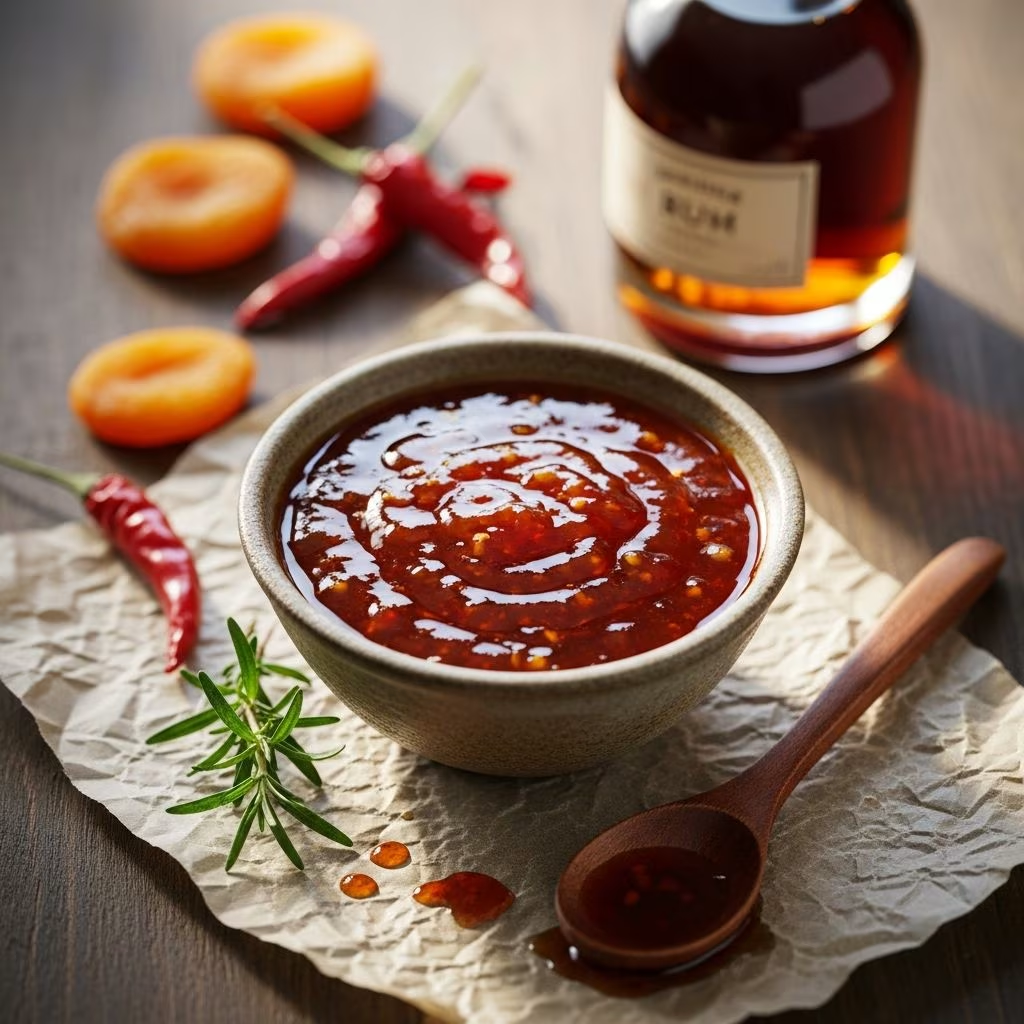
This innovative take on traditional shito transforms the classic Ghanaian hot pepper sauce into a symphony of flavors, where rum-soaked dried apricots meet scorching Scotch bonnet chilies and earthy West African spices. Perfect for drizzling over grilled meats, rice dishes, or even eggs, this sauce delivers a balance of intense heat, subtle sweetness, and lingering aroma that captivates the palate.
The Roots of Shito in Ghanaian Cuisine
Shito holds a revered place in Ghanaian food culture, originating from coastal communities where it serves as an indispensable table condiment. Traditionally crafted from dried peppers, smoked fish or prawns, onions, and oil, shito is slow-cooked to develop its signature dark, oily richness. Fishermen and home cooks alike have passed down recipes, each family adding unique twists like fermented shrimp or local herbs. This versatile sauce enhances everything from jollof rice to fried plantains, embodying the bold, unapologetic flavors of West African gastronomy.
In modern adaptations, creative chefs introduce global influences while honoring core elements. The rum-infused apricot version elevates shito by incorporating caramelized fruit for a fruity depth that tempers the fire without overpowering it, making it accessible to heat enthusiasts worldwide.
Key Ingredients and Their Roles
Assembling the components for this shito requires sourcing specialty items like grains of selim and cubeb pepper, which impart smoky, peppery notes authentic to Ghanaian profiles. Here’s a breakdown:
- Dried apricots (110g): Provide natural sweetness and chewiness, transformed by rum soaking into a boozy, caramelized gem.
- Dark rum or arrack (60g): Infuses the fruit with molasses-like depth, adding complexity during caramelization.
- Groundnut or vegetable oil (120ml): The cooking medium that fries aromatics and allows spices to bloom, creating the sauce’s glossy finish.
- Scotch bonnet or habanero (1 whole): Delivers piercing heat; pierced to release flavors gradually.
- Dried chili powder (3-4 tbsp) and flakes (1 tbsp): Build layered spiciness, adjustable for tolerance.
- Prawn powder (3/4 tsp): Adds umami and seafood essence, a nod to traditional recipes.
- Aromatics (onions, garlic, ginger): Form the savory base, softened slowly for sweetness.
- Spices (grains of selim, cubeb pepper, cinnamon): Offer piney, woody, and warm notes unique to West Africa.
These elements harmonize through patient simmering, yielding a shelf-stable sauce that improves with age.
Step-by-Step Preparation Guide
Creating this sauce demands time and attention, but the results reward every minute. Begin with the apricots for maximum flavor infusion.
- Prepare the drunk apricots: Soak 110g dried apricots in hot water for 20 minutes, drain, chop coarsely, then marinate in 60g dark rum for at least 30 minutes (or overnight). Drain, reserving liquid. In a saucepan, melt 1 tbsp unsalted butter over medium heat, add 1/4 tsp cinnamon, 3 tbsp coconut sugar, and apricots. Cook 6-8 minutes until caramelized, then stir in reserved rum for 5 more minutes to thicken. Set aside—this boozy fruit can standalone as a dessert topping.
- Fry the base: Heat 120ml oil in a large heavy pot over medium. Add 1 finely chopped white onion and 1 thinly sliced red onion, cooking 20-25 minutes until golden. Introduce ground 2 grains of selim, 1/2 tsp cubeb pepper, 2 chopped garlic cloves, 1-inch grated ginger, and 1 tsp coconut sugar. Sauté 5 minutes.
- Build flavors: Stir in 1 tbsp chili flakes, 1 tsp each rosemary and thyme, 3/4 tsp prawn powder, and 1 tsp salt for 2 minutes. Add caramelized apricots with syrup, cooking 2 minutes more.
- Simmer to perfection: Mix in 2 tbsp tomato purée for 4 minutes, then 3-4 tbsp chili powder. Pour in 160ml low-sodium chicken broth and pierced Scotch bonnet. Cover and simmer 30-40 minutes, stirring to avoid sticking, until oil separates and a dark paste forms. Season and cool.
- Finish and store: Blend for smoothness if desired, then jar with an oil layer on top. Refrigerate up to 1 week; flavors deepen over time.
Adjust chili quantities for heat—start low if new to Scotch bonnets, which clock in at 100,000-350,000 Scoville units.
Flavor Profile and Heat Management
The sauce’s genius lies in its balance: apricot sweetness counters chili blaze, rum adds vanilla-caramel undertones, and selim/cubeb provide resinous intrigue. Prawn powder lends subtle brininess, while herbs brighten the richness. Texture varies—chunky for authenticity or smooth for versatility.
For heat control, note traditional shito’s intensity; this recipe rates “pretty hot” by Western standards but medium in Ghana. Reduce chili powder to 2 tbsp for milder versions, or infuse with smoked fish for deeper umami as in coastal originals.
Serving Suggestions and Pairings
Shito shines as a multi-purpose enhancer:
- Spoon over grilled chicken or fish for spicy-tangy lift.
- Mix into stir-fried vegetables or beans for West African flair.
- Drizzle on fried eggs, avocado toast, or burgers for breakfast heat.
- Stir into soups, stews, or rice for instant depth.
- Pair with cheeses or crackers as an elevated appetizer.
Experiment boldly—its oil base makes it ideal for marinades too.
Nutritional Insights and Variations
Per serving (approx. 2 tbsp), this shito offers vitamins A and C from peppers, antioxidants from ginger/garlic, and healthy fats from oil. Apricots contribute fiber and potassium, though sugar and sodium warrant moderation.
| Nutrient | Amount per 2 tbsp | % Daily Value |
|---|---|---|
| Calories | 120 | 6% |
| Total Fat | 10g | 13% |
| Sodium | 200mg | 9% |
| Vitamin C | 15mg | 17% |
Variations: Swap prawn for smoked herring powder (veganize with mushroom powder); use vegetable broth for plant-based. For extra smoke, grill onions first.
Storage, Shelf Life, and Safety Tips
Oil-topped jars keep in the fridge for 1 week; freeze portions up to 3 months. Always use clean utensils to prevent contamination. If oil clouds or off-odors develop, discard. Low-acidity means it’s not shelf-stable like some ferments—refrigerate promptly.
Common Mistakes to Avoid
- Rushing the onion fry—patience builds sweetness.
- Over-blending early—let flavors meld first.
- Ignoring heat buildup—taste incrementally.
- Skipping oil layer—prevents drying out.
Frequently Asked Questions (FAQs)
What is shito sauce?
Shito is a traditional Ghanaian hot pepper condiment made from chilies, oil, proteins like dried fish, and spices, slow-cooked for rich flavor.
Where can I find grains of selim or cubeb pepper?
Seek African/Asian markets, online spice shops, or substitutes like allspice/Sichuan pepper for similar profiles.
Is this recipe vegan?
Not as written due to prawn powder; replace with fermented miso or nutritional yeast for umami.
How spicy is it really?
Very hot for novices—Scotch bonnet drives the fire; scale down powders for mild.
Can I scale the recipe?
Yes, double ingredients but use a larger pot to ensure even cooking.
Exploring Shito’s Cultural Significance
Beyond the kitchen, shito symbolizes Ghanaian resilience and ingenuity. Born from preserved seafood and peppers in fishing villages, it sustained communities pre-refrigeration. Today, diaspora chefs globalize it, fusing with apricots or rum to bridge cultures. This evolution keeps the spirit alive, inviting all to savor West Africa’s fiery heritage.
Mastering this rum-infused apricot shito not only stocks your pantry with a powerhouse condiment but connects you to a vibrant culinary tradition. Whip up a batch and let the bold flavors ignite your meals.
References
- Drunk Apricot Shito: Easy Ghanaian Hot Pepper Sauce — Patient.info. 2023-01-15. https://pt.patient.info/recipes/balanced-nutrition-recipes/drunk-apricot-shito-ghanaian-hot-pepper-sauce
- Drunk Apricot Shito (Ghanaian Hot Pepper Sauce) — Patient.info. 2023-01-15. https://patient.info/recipes/balanced-nutrition-recipes/drunk-apricot-shito-ghanaian-hot-pepper-sauce
- Shito (Ghanaian Hot Pepper Sauce) — Meals by Mavis. 2022-05-10. https://mealsbymavis.com/shito-ghanaian-hot-pepper-sauce/
- Shito (Hot Pepper Sauce) — The Splendid Table. 2017-07-17. https://www.splendidtable.org/story/2017/07/17/shito-hot-pepper-sauce