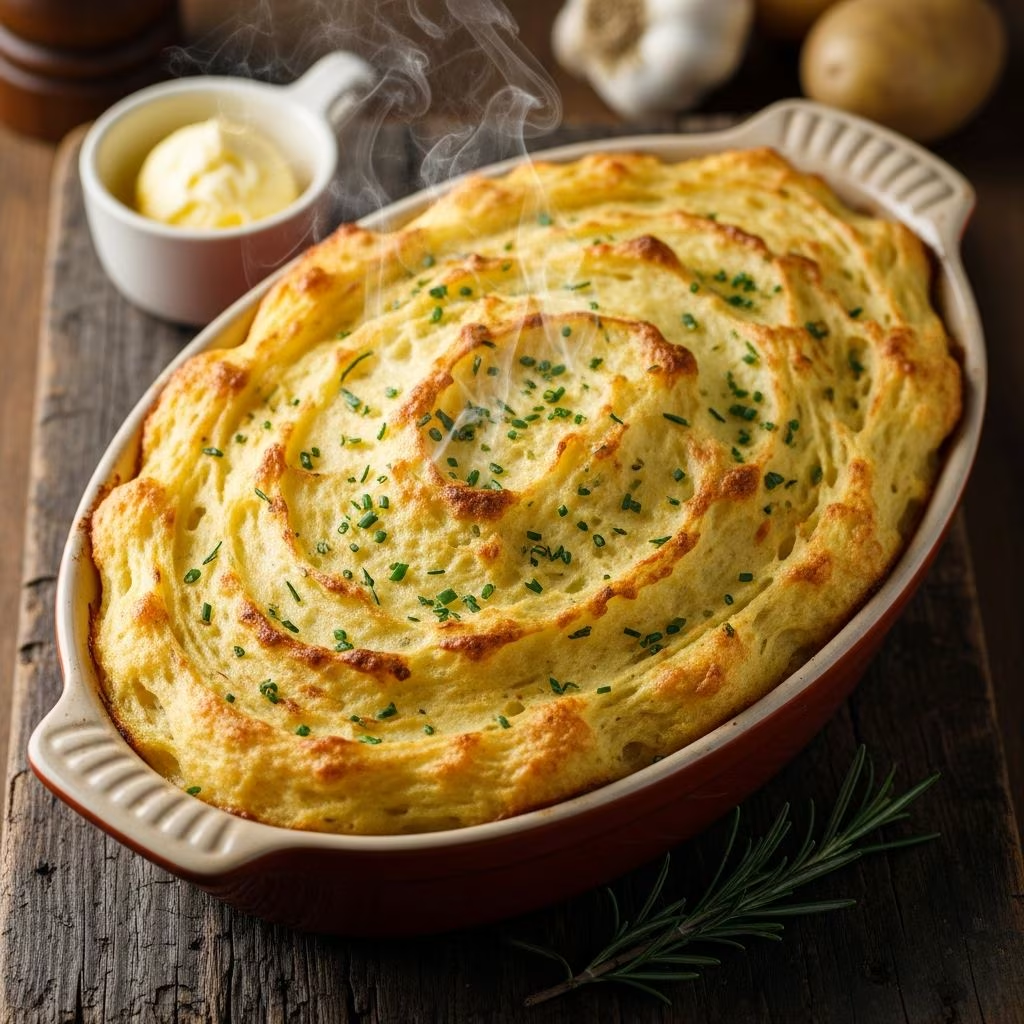
A garlic mashed potato casserole represents one of the most versatile and beloved side dishes that graces dinner tables throughout the year. Whether you’re preparing a holiday feast or seeking to elevate an ordinary weeknight dinner, this comforting dish offers warmth, substance, and rich flavor that appeals to nearly all palates. The combination of creamy potatoes infused with aromatic garlic, melted cheese, and a golden crispy topping creates a memorable eating experience that keeps guests returning for seconds.
Understanding Your Potato Selection
The foundation of any exceptional mashed potato casserole begins with choosing the right potato variety. Different potato types contain varying levels of starch and moisture, which directly impacts the final texture of your dish. Russet potatoes, known for their higher starch content and fluffy texture when cooked, are frequently recommended for traditional casseroles. Alternatively, Yukon Gold potatoes offer a naturally buttery flavor and creamy consistency without requiring as much additional fat or liquid.
When selecting potatoes, look for specimens that are firm and free from soft spots or sprouting. For a typical casserole serving 6-8 people, plan on purchasing between 3-5 pounds of potatoes, depending on whether you’re preparing a lighter or more substantial dish. The size of your potato pieces matters significantly; cutting them into uniform 1-inch cubes ensures even cooking throughout, preventing some pieces from becoming mushy while others remain firm.
The Garlic Component: Fresh Versus Roasted
Garlic serves as the defining flavor element in this casserole, but its preparation method dramatically influences the final taste profile. Fresh minced garlic provides a sharp, pungent quality that develops character as it cooks. Roasting whole garlic bulbs, conversely, transforms the garlic into a mild, sweet, almost nutty flavor that becomes spreadable and mixes seamlessly into mashed potatoes. Some recipes recommend cooking whole garlic cloves directly with the potatoes in boiling water, allowing the garlic to soften and infuse the potatoes from within.
For roasted garlic preparation, slice approximately half an inch from the top of a garlic bulb, drizzle with olive oil, season lightly, wrap in foil, and roast at 400 degrees Fahrenheit for 30-35 minutes until the cloves turn golden and soft. This method produces garlic cloves that naturally squeeze from their skins and blend smoothly into the potato mixture.
Essential Ingredients and Dairy Components
Creating the creamy base of your potato casserole requires careful selection of dairy products. Butter adds richness and helps achieve a silky texture; most recipes call for 4-8 tablespoons depending on the quantity of potatoes. Whole milk contributes moisture and creaminess without overwhelming the dish with excessive fat, though some recipes incorporate sour cream or heavy cream for additional richness and tanginess.
Cheese selection extends the flavor complexity of your casserole. Popular options include:
- Parmesan cheese offers a sharp, aged flavor that adds sophistication and creates a crispy top layer
- Cheddar cheese provides familiar comfort and sharp notes that complement garlic well
- Mozzarella cheese adds creaminess and melts smoothly throughout the dish
- Cream cheese contributes additional creaminess and subtle tang to the base mixture
Many recipes blend multiple cheese varieties to achieve a more complex flavor profile while ensuring optimal melting and texture distribution.
Step-By-Step Preparation Process
Successful casserole preparation follows a logical sequence that builds flavor layers and ensures proper cooking:
Initial Potato Cooking
Begin by peeling potatoes and cutting them into consistent 1-inch pieces. Fill a large pot with water, add the potato pieces, and bring to a boil over high heat. Season the water with kosher salt to enhance the potato flavor during cooking. If using whole garlic cloves in the water, add them at this stage so they cook alongside the potatoes. Maintain a gentle boil for approximately 10-20 minutes, depending on potato size, until the potatoes become fork-tender and begin to break apart slightly when pierced.
Garlic Preparation During Cooking
If preparing roasted garlic separately, begin this step before the potatoes to allow sufficient roasting time. For recipes using fresh minced garlic, melt butter in a separate saucepan and gently cook the garlic until fragrant, being careful not to burn the delicate cloves. This preliminary garlic-butter infusion develops deeper flavor notes before combining with the warm potatoes.
Combining and Mashing
Once potatoes achieve tenderness, drain them thoroughly in a colander. Return them to the warm pot, then add butter, milk, cheese, salt, pepper, and your prepared garlic in whatever form you’ve selected. Using a potato masher or hand mixer, blend the ingredients until you reach your desired consistency. Some people prefer a slightly chunky texture with visible potato pieces, while others aim for completely smooth and creamy mashed potatoes. Continue mashing until the mixture appears uniform and no large lumps remain.
Transferring to Baking Dish
Spoon the mashed potato mixture into a prepared 9-by-13-inch baking dish that has been lightly buttered or sprayed with cooking oil. Spread the mixture evenly across the bottom of the dish, creating a relatively level surface for even cooking and topping application.
Creating the Finished Topping
The topping dramatically influences both the visual appeal and textural experience of the finished casserole. Traditional toppings combine reserved cheese with breadcrumbs, creating a golden crust that provides delightful contrast to the creamy interior. Sprinkle additional shredded cheese, plain breadcrumbs or panko crumbs, and optional fresh parsley over the potato base in an even layer.
Some variations incorporate additional ingredients into the topping layer, such as crispy bacon pieces, fried garlic chips, crushed pasta crisps, or green onion pieces. These additions provide textural interest and additional flavor complexity that makes each forkful more engaging.
Baking Guidelines and Temperature Considerations
Most garlic mashed potato casseroles bake at 325-400 degrees Fahrenheit, with baking times varying based on recipe style and oven characteristics. Standard recipes typically call for baking at 350-400 degrees for 20-25 minutes until the cheese topping turns golden brown and begins to crisp. Some recipes recommend an initial bake at 350 degrees for 25 minutes, followed by increasing the temperature to 425 degrees for an additional 15 minutes to achieve deeper browning.
The casserole is ready when the cheese topping transforms from pale yellow to golden or light brown, indicating proper melting and slight caramelization. The filling itself should appear heated through, though this typically happens before the topping achieves optimal browning.
Ingredient Variations and Customization Options
The basic garlic mashed potato casserole framework accommodates numerous variations that suit different dietary preferences and flavor preferences:
| Variation Type | Ingredient Additions | Flavor Profile |
|---|---|---|
| Protein-Enhanced | Crispy bacon, cooked sausage, ham pieces | Smoky, savory, hearty |
| Vegetable-Loaded | Sautéed green onions, chives, caramelized onions | Fresh, aromatic, complex |
| Extra-Creamy | Additional sour cream, cream cheese, heavy cream | Luxurious, rich, tangy |
| Herb-Infused | Fresh thyme, rosemary, chives, parsley | Garden-fresh, sophisticated |
| Multiple Cheese | Combination of parmesan, cheddar, mozzarella | Balanced, complex, nuanced |
Storage and Make-Ahead Strategies
Garlic mashed potato casserole accommodates advance preparation, making it an excellent choice for busy holiday schedules. Assemble the complete casserole up to one day in advance, cover with plastic wrap, and refrigerate until ready to bake. When baking from a refrigerated state, add 10-15 minutes to the standard baking time to account for the cold starting temperature. Alternatively, prepare the mashed potato base in advance and refrigerate separately, then transfer to the baking dish, add the topping, and bake when needed.
Cooked casserole leftovers keep well in the refrigerator for 3-4 days when stored in an airtight container. Reheat gently in a 325-degree oven, covered with foil, for approximately 15-20 minutes until warmed through.
Serving Suggestions and Pairing Ideas
This versatile side dish pairs beautifully with a variety of main courses throughout the year. During holiday seasons, serve alongside roasted turkey, baked ham, or prime rib for a traditional celebration meal. Throughout the year, the casserole complements grilled meats, roasted chicken, baked fish, or vegetarian mains. The creamy, savory flavor profile makes it equally at home on a casual weeknight table or a formal holiday presentation.
Consider the other elements of your meal when deciding on portion sizes. If serving other substantial sides, offer smaller portions of the casserole. For simpler meals with lighter components, this hearty dish can serve as the star of the plate.
Frequently Asked Questions
Can I use instant potato flakes instead of fresh potatoes?
While possible, fresh potatoes produce superior texture and flavor. Instant potatoes tend to create a grainier consistency and lack the subtle potato flavor that develops during the cooking process.
What’s the best way to prevent my casserole from becoming watery?
Thoroughly drain boiled potatoes and avoid over-mashing, which can release excess starch. Use warm milk rather than cold to prevent temperature shock, and don’t add excessive liquid beyond the recipe specifications.
Can I freeze a prepared but unbaked casserole?
Yes, assembled casseroles freeze well for up to two months. Thaw overnight in the refrigerator before baking, then add 10-15 minutes to the standard baking time.
How do I adjust the recipe for a larger crowd?
Double or triple all ingredients proportionally and use multiple baking dishes or larger rectangular pans. Monitor baking time, as larger casseroles may require additional time for the center to heat through.
Is there a dairy-free version of this casserole?
Substitute butter with olive oil or dairy-free butter, use plant-based milk alternatives, and select dairy-free cheese products. Results vary depending on specific product brands used.
Troubleshooting Common Issues
Casserole Too Thick: Add additional warm milk gradually until achieving desired consistency before baking.
Casserole Too Thin: Mix in additional mashed potatoes or reduce milk quantity in future attempts.
Topping Not Browning: Increase oven temperature by 25 degrees during the final minutes of baking, or increase the thickness of the topping layer.
Burnt Topping, Cold Center: Cover casserole with foil during the first 15 minutes of baking, then remove foil to allow the top to brown while the interior finishes heating.
Conclusion: Mastering This Classic Comfort Dish
Creating an exceptional garlic mashed potato casserole requires understanding basic cooking principles and ingredient interactions rather than strict adherence to rigid recipes. By selecting quality potatoes, properly preparing garlic, balancing dairy components, and achieving the perfect topping texture, you’ll develop a signature version of this beloved dish. Whether preparing for special occasions or casual family meals, this versatile casserole delivers comfort and satisfaction that makes it a worthwhile addition to your cooking repertoire.
References
- Garlic Mashed Potato Casserole Recipe – Thanksgiving Side Dish — April McKinney. https://www.youtube.com/watch?v=x0GoV-tbd-s
- Cheesy Garlic Mashed Potato Casserole – Best Recipe Box — Best Recipe Box. https://bestrecipebox.com/garlic-mashed-potato-casserole/
- Garlic Parmesan Mashed Potato Casserole – The Speckled Palate — The Speckled Palate. https://www.thespeckledpalate.com/garlic-parmesan-mashed-potato-casserole/
- Garlic Parmesan Mashed Potato Casserole – Julie’s Eats & Treats — Julie’s Eats & Treats. https://www.julieseatsandtreats.com/garlic-parmesan-mashed-potato-casserole/
- Loaded Garlic Mashed Potato Casserole – I Wash You Dry — I Wash You Dry. https://iwashyoudry.com/loaded-garlic-mashed-potato-casserole/
- Creamy Garlic Mashed Potato Casserole Recipe – Food.com — Food.com. https://www.food.com/recipe/creamy-garlic-mashed-potato-casserole-58413