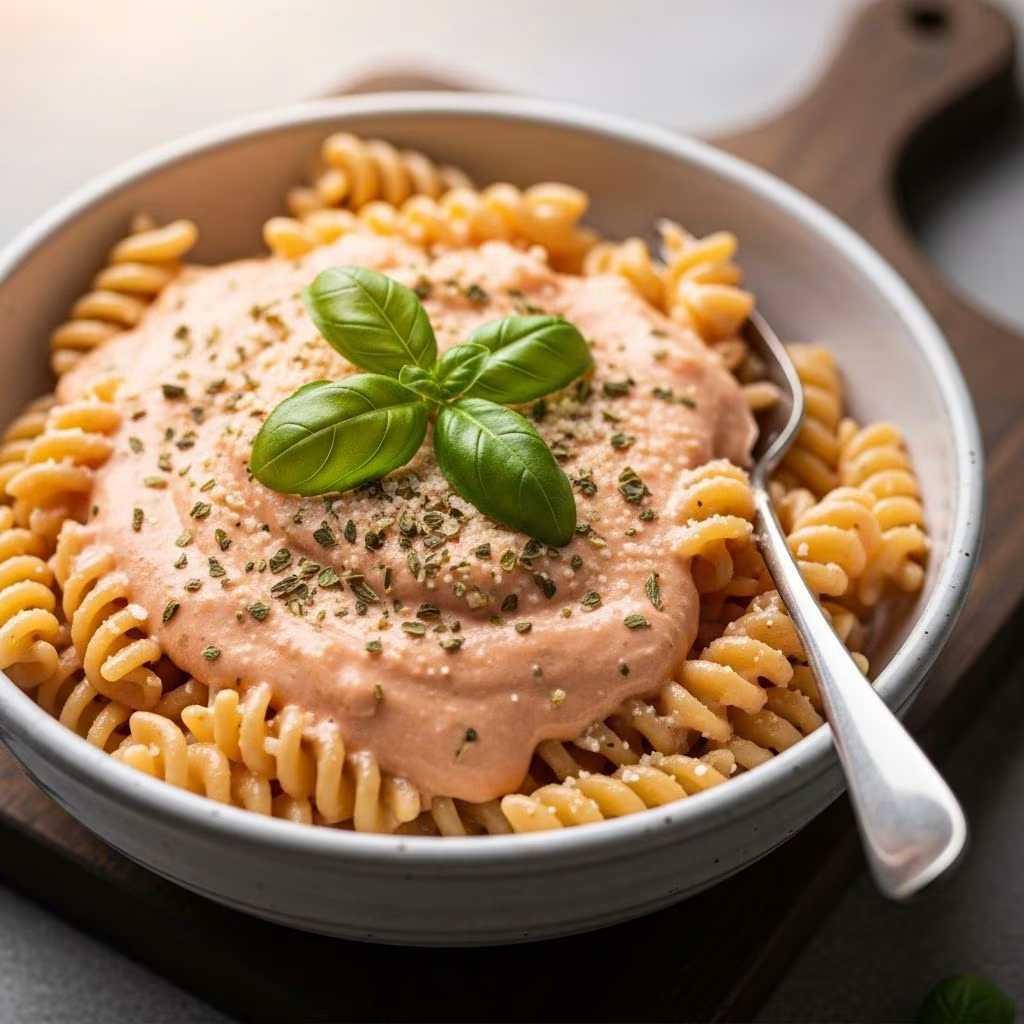
Rosé sauce, commonly referred to as pink sauce or salsa rosa, represents one of the most elegant and versatile additions to any home cook’s culinary repertoire. This sophisticated sauce achieves its characteristic rosy hue through the harmonious marriage of tomato-based elements and rich dairy components, creating a flavor profile that transcends the simplicity of its basic ingredients. The beauty of this sauce lies not merely in its aesthetic appeal but in its remarkable balance—offering the bright acidity of tomatoes tempered by the luxurious smoothness of cream, without requiring the addition of alcohol that some variations demand.
Understanding the Foundation: What Makes Rosé Sauce Distinctive
The fundamental appeal of rosé sauce stems from its position as a bridge between two classic Italian sauce families. Unlike marinara sauce, which relies exclusively on tomatoes and herbs, or Alfredo sauce, which showcases cream’s delicate nature, rosé sauce creates something entirely unique by combining both approaches. The resulting sauce delivers complexity that belies its straightforward preparation method, making it an ideal choice for both weeknight dinners and occasions requiring a touch of sophistication.
The characteristic pink coloration is not merely visual flourish—it serves as visual confirmation that the sauce achieves proper balance between its acidic and creamy components. When these elements combine correctly, they create a sauce that coats pasta beautifully while maintaining enough body to cling to the noodles rather than sliding off.
Essential Ingredients for Building Your Base
Creating an exceptional rosé sauce begins with understanding each ingredient’s role within the composition. The foundation typically includes:
- Tomato products — forming the backbone of the sauce’s flavor and color
- Aromatic vegetables — providing depth and complexity to the overall taste profile
- Dairy elements — delivering the signature creaminess and richness
- Fats — enhancing flavor distribution and creating proper sauce consistency
- Seasonings and herbs — balancing acidity while introducing complementary flavor notes
Tomato Selections and Their Impact
The choice of tomato preparation significantly influences the final sauce character. Using crushed tomatoes provides a robust foundation with natural acidity, while tomato paste offers concentrated flavor and natural thickening properties. Some recipes employ tomato purée, which delivers a smoother texture suitable for those seeking an ultra-silky consistency. The ideal choice depends on personal preference and desired sauce thickness—crushed tomatoes create a more rustic texture, while paste-based preparations yield refined, velvety results.
Aromatic Building Blocks
Onions and garlic form the aromatic foundation that elevates the sauce from pedestrian to restaurant-caliber. Traditional preparations employ yellow onions for their gentle sweetness, though some recipes feature shallots, which contribute a more delicate and sophisticated flavor profile. Garlic should always be freshly minced rather than pre-prepared, as the volatile compounds responsible for garlic’s characteristic pungency dissipate rapidly after cutting. The cooking method for these aromatics proves crucial—gentle sautéing until softened and fragrant develops their natural sweetness without allowing them to brown and become bitter.
Cream and Dairy Considerations
Heavy cream represents the traditional choice for rosé sauce preparation, contributing rich mouthfeel and luxurious texture. However, half-and-half or cooking cream offer acceptable alternatives for those seeking lighter options or managing dietary considerations. The cream should be added after the tomato component has cooked sufficiently to reduce acidity—adding cream too early can result in separation or curdling.
The Cooking Process: Step-by-Step Methodology
Initial Preparation and Aromatic Development
Begin by heating your chosen fat—whether olive oil or butter—over medium heat in a large skillet or saucepan. Once the fat reaches the appropriate temperature (indicated by a slight shimmer but no smoking), introduce your diced onion. The cooking duration typically ranges from three to seven minutes, depending on onion size and heat intensity, with the goal being uniform softening and translucency rather than browning. This phase develops the natural sugars within the onion, creating a subtle sweetness that balances the tomatoes’ acidity.
Once the onion reaches the proper consistency, add your minced garlic and cook for approximately one minute, stirring constantly to prevent scorching. This brief cooking period ensures the garlic releases its aromatic compounds without developing harsh, burnt flavors.
Building Flavor Through Spice Integration
This stage involves introducing dried herbs and spice elements that define the sauce’s character. Common additions include Italian seasoning, dried oregano, or individual herbs depending on personal preference. Red pepper flakes contribute gentle heat and complexity, though these remain entirely optional and should be adjusted according to heat tolerance. These seasonings benefit from brief cooking in the warm oil—typically thirty seconds to one minute—which activates their essential oils and distributes their flavors throughout the base.
Tomato Integration and Acid Reduction
Adding your prepared tomatoes represents the critical juncture where the sauce truly begins forming. Whether employing crushed tomatoes, tomato sauce, or tomato paste, these ingredients should be stirred thoroughly into the aromatic base. At this point, many recipes call for the addition of water or broth to achieve desired consistency and further dilute tomato acidity.
Bring the mixture to a gentle boil, then immediately reduce heat to low and establish a simmer. This extended simmering—typically fifteen to twenty minutes—serves multiple critical functions. The extended cooking time allows flavors to meld and develop, permits excess moisture to evaporate and concentrate remaining flavors, and most importantly, breaks down the tomatoes’ acidity through natural chemical processes. Some traditional recipes recommend adding a small pinch of sugar to further neutralize acidity, though this remains optional and unnecessary for those not particularly sensitive to tomato acidity.
Cream Integration and Final Flavor Building
After the tomato mixture has simmered adequately and acidity has mellowed, reduce heat to its absolute lowest setting. Gently pour in your heavy cream while stirring continuously to ensure thorough incorporation and prevent separation. Many recipes benefit from the addition of fresh basil at this juncture—torn or chopped just before adding to release essential oils that contribute brightness and herbaceous notes.
Continue simmering this combined mixture for an additional five minutes, allowing flavors to marry and the sauce to achieve silky consistency. If preparing cream-based variations, finish with a small amount of unsalted butter stirred in just before serving—this final addition contributes luxurious mouthfeel and subtle richness.
Achieving Ideal Sauce Consistency
Sauce thickness represents a frequently discussed aspect of rosé preparation. The desired consistency should coat pasta adequately while remaining pourable enough to distribute evenly across noodles. Several techniques address thickness concerns:
- Water addition — if sauce becomes too thick during simmering, reserved pasta water works excellently for thinning while maintaining flavor integrity
- Extended simmering — cooking longer without a lid allows excess moisture to evaporate, naturally thickening the sauce
- Cream adjustment — increasing or decreasing cream quantity directly impacts final thickness and richness
- Starch addition — if necessary, a small slurry of cornstarch and cold water can thicken excessively thin sauce
Creative Variations and Flavor Enhancements
Incorporating Optional Proteins and Vegetables
While rosé sauce achieves excellence in its simplest form, countless variations expand its versatility. Fresh spinach, Swiss chard, or broccoli can be incorporated during the final simmering stage, adding nutritional value and subtle flavor complexity. These vegetables require only brief cooking—typically two to three minutes—before they reach tender consistency.
For those seeking richer preparations, incorporating vodka contributes sophisticated depth and subtle complexity, though this remains entirely optional for alcohol-free variations. The vodka should be added after the tomato component and stirred thoroughly before cream introduction.
Cheese and Finishing Touches
Freshly grated Parmesan cheese represents the traditional finishing element, stirred into the completed sauce just before serving to contribute umami richness and subtle salty notes. For those seeking additional richness, mozzarella can be incorporated, creating a more decadent preparation suitable for baked pasta dishes.
Application Beyond Traditional Pasta
While rosé sauce achieves legendary status as a pasta accompaniment, its versatility extends far beyond simple noodle dishes. The sauce pairs beautifully with seafood preparations, particularly delicate fish or shrimp that benefit from its creamy richness without overpowering subtle marine flavors. Chicken preparations, whether grilled, roasted, or pan-seared, receive elevated presentation when finished with rosé sauce.
Vegetable applications showcase the sauce’s adaptability—grilled vegetables, roasted root vegetables, and even simple vegetable-based lasagna benefit from rosé’s balanced flavor profile. For more substantial preparations, rosé sauce serves as the foundation for baked pasta dishes, combining with cheese layers to create comfort food with refined characteristics.
Frequently Asked Questions
Can I make rosé sauce in advance?
Yes, rosé sauce actually improves when made ahead, allowing flavors to develop and meld. Store completed sauce in an airtight container for up to four days. When reheating, add a small amount of water if the sauce has thickened excessively, then warm gently over low heat while stirring occasionally. Freezing is possible though cream-based sauces occasionally separate upon thawing—address this by whisking vigorously during reheating.
Why did my sauce separate or curdle?
Separation typically occurs when cream is added to excessively hot sauce or when the mixture is subjected to high heat after cream incorporation. Always reduce heat to low before adding cream and maintain low heat throughout the remaining cooking process. If separation occurs, removing the sauce from heat and whisking vigorously can sometimes restore emulsion.
Can I substitute cream with lighter alternatives?
Half-and-half, cooking cream, or even whole milk work as alternatives, though they produce less rich results. Greek yogurt or sour cream can substitute for cream in emergency situations, though these should be tempered and added off-heat to prevent curdling. The final sauce will be less luxurious but remains flavorful.
How do I adjust the sauce for dietary restrictions?
Vegan variations substitute heavy cream with coconut cream, cashew cream, or quality plant-based alternatives. Non-dairy butter works for finishing additions. The sauce maintains excellent character with these substitutions, though slight flavor modifications occur.
What pasta shapes work best with rosé sauce?
Penne, rigatoni, and other tube-shaped pastas capture and hold the sauce beautifully, though any pasta shape works. Longer pastas like linguine or fettuccine create elegant presentations, while smaller shapes distribute sauce evenly throughout the dish.
Professional Tips for Consistent Excellence
Achieving restaurant-quality rosé sauce consistently relies on attention to several details. Always use fresh ingredients—garlic loses potency after cutting, and old cream produces inferior results. Temperature control proves essential; maintaining moderate heat throughout the process prevents burning while allowing proper flavor development. Taste frequently throughout cooking and adjust seasonings as the sauce develops rather than waiting until completion.
Patience represents perhaps the most critical ingredient. Rushing the tomato simmering stage compromises acid reduction and flavor melding. The additional fifteen to twenty minutes this requires repays itself infinitely through superior results. Finally, finishing touches matter considerably—quality Parmesan, fresh basil, and perhaps a tiny amount of good butter transform good sauce into exceptional sauce.
References
- Easy Rose Sauce Recipe (20 Minutes!) — Worn Slap Out. https://wornslapout.com/rose-sauce-recipe/
- Simple Rosé Sauce — Dish ‘n’ the Kitchen. https://dishnthekitchen.com/simple-rose-sauce/
- Easy Creamy Rose Sauce — Food with Feeling. https://foodwithfeeling.com/rose-sauce/
- The Elegant and Silky Tomato Cream Sauce (Rosé Sauce) — YouTube, Sanjaya Lama Tamang. https://www.youtube.com/watch?v=jCZRnFOrrzg
- Easy Creamy One-Pot Rose Pasta Sauce — My Kitchen My Studio. https://mykitchenmystudio.com/easy-creamy-one-pot-rose-pasta-sauce/