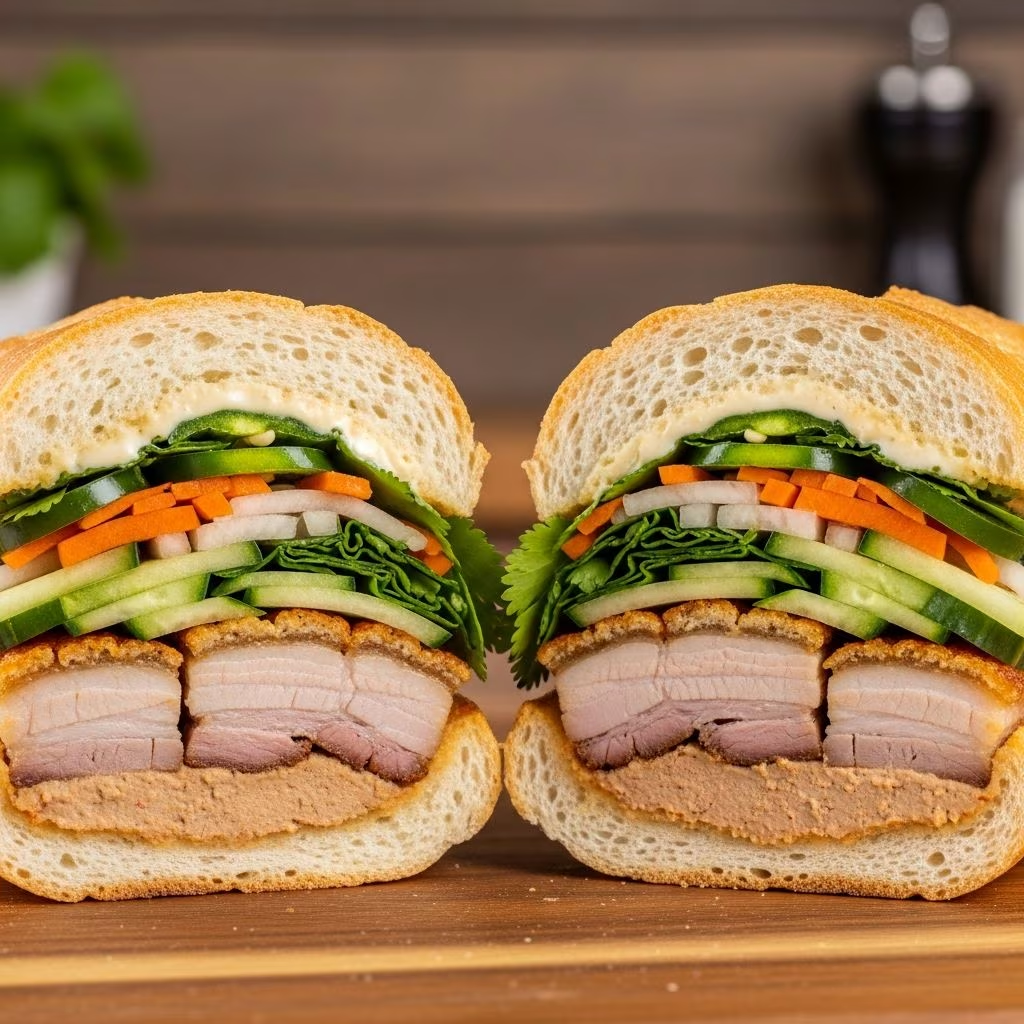
Experience the vibrant fusion of French and Vietnamese cuisine through the beloved banh mi sandwich. This handheld delight combines crusty bread with savory roasted pork, tangy pickled vegetables, fresh herbs, and spicy accents. Originating from Vietnam’s street food scene, banh mi has captivated global palates with its perfect balance of textures and tastes. In this comprehensive guide, we’ll explore everything from selecting the right pork cut to mastering quick pickles and assembling a sandwich that rivals any urban eatery.
Understanding the Essence of Banh Mi
Banh mi, meaning “bread” in Vietnamese, evolved during the colonial era when French baguettes met local ingredients. The result is a sandwich that’s light yet filling, with layers of protein, crunch, creaminess, and heat. At its core, roasted pork provides the rich, umami foundation, often complemented by pate, mayonnaise, and an array of vegetables. Variations abound, from grilled lemongrass pork to crispy belly, but roasted pork remains a classic choice for its tenderness and flavor depth.
Key elements include a baguette with a thin, crackly crust and airy interior; quick-pickled carrots and daikon for acidity; fresh cilantro and cucumber for brightness; and chili for kick. Mastering these components ensures authenticity without needing a trip abroad.
Choosing and Preparing the Perfect Pork
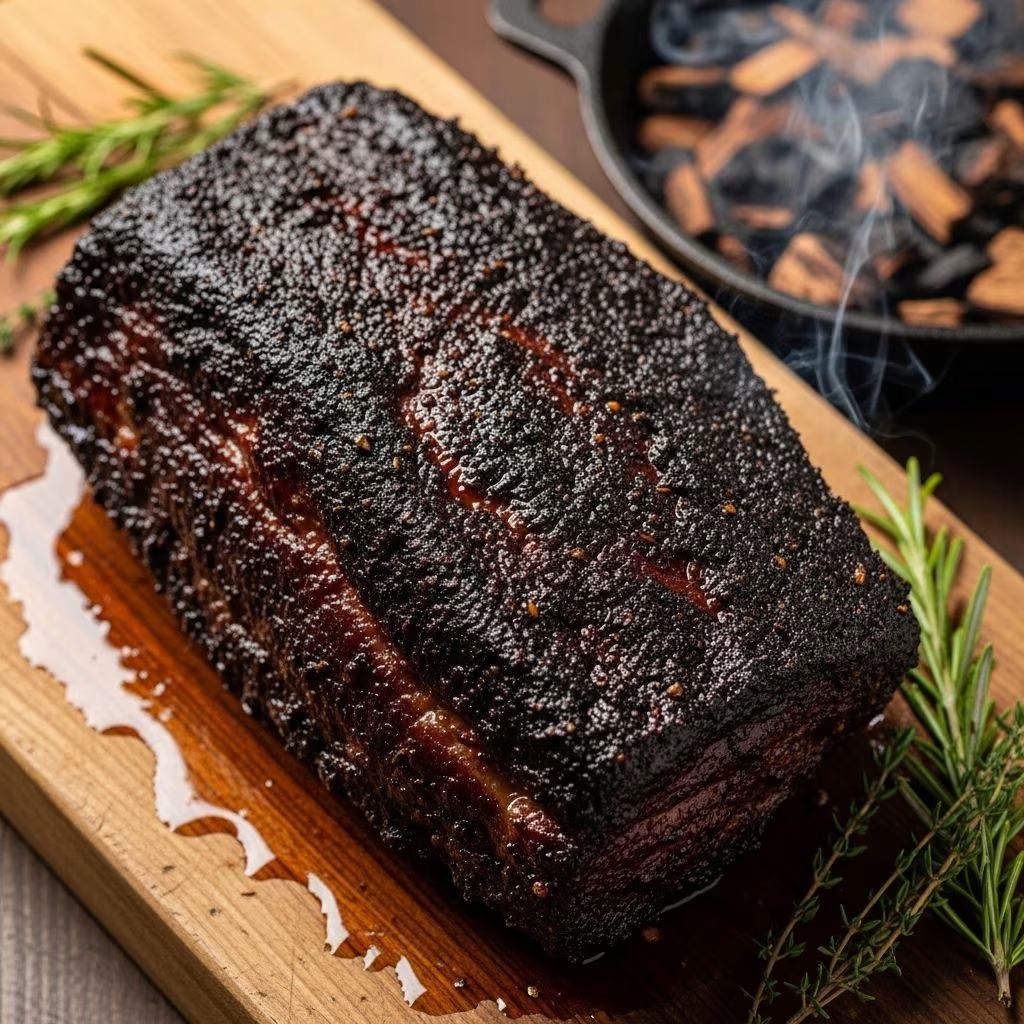
For roasted pork banh mi, pork shoulder or belly delivers the best results due to their marbling and ability to stay moist during cooking. Pork shoulder, also called butt, benefits from low-and-slow roasting to break down connective tissues, yielding pull-apart tenderness.
Start with a 3-4 pound boneless piece. Pat it dry and brine for enhanced juiciness: dissolve 1/2 cup kosher salt and 1/2 cup sugar in 8 cups hot water, add garlic, jalapeño slices, and pepper. Submerge the pork and refrigerate 12-24 hours. This step infuses flavor and keeps the meat succulent.
After brining, drain and roast at 250°F for 6 hours, basting hourly with pan juices. The low temperature renders fat slowly, creating fork-tender meat. Rest for 30 minutes before shredding or slicing thinly. For crispy edges, broil briefly at the end.
| Pork Cut | Best Cooking Method | Texture Outcome | Flavor Profile |
|---|---|---|---|
| Shoulder | Low roast 6 hrs | Tender, pull-apart | Rich, savory |
| Belly | Slow roast + high blast | Crispy skin, juicy meat | Fatty, indulgent |
| Loin | Quick roast | Firm slices | Mild, lean |
Essential Pickled Vegetables Recipe
No banh mi is complete without do chua, the pickled carrots and daikon that cut through the richness. These take just 20 minutes to prepare but taste best after an hour of marinating.
- 1 cup julienned carrots (2-inch matchsticks)
- 1 cup julienned daikon radish
- 1/2 cup seasoned rice vinegar
- 1/4 cup water
- 2 tbsp sugar
- 1 tsp salt
Combine vinegar, water, sugar, and salt until dissolved. Toss vegetables in the mixture and let sit until slightly softened. Drain before use. For extra crunch, refrigerate overnight. Radish adds mild pepperiness, while carrots bring sweetness—together, they provide the tangy contrast essential to banh mi harmony.
Crafting the Signature Sauce and Spreads
The creamy, spicy spread ties the sandwich together. Mix 1/4 cup mayonnaise with 1 tsp hoisin sauce and 1 tsp sriracha (adjust for heat). This combo delivers umami, creaminess, and fire. For authenticity, add a layer of chicken liver pate on one bread half—its smooth, iron-rich taste elevates the pork.
Pro tip: Use Kewpie mayonnaise for extra richness or make your own by whisking egg yolks, oil, mustard, and vinegar. Spread generously to prevent sogginess and enhance moisture.
Selecting and Toasting the Bread
The baguette is non-negotiable: seek light, airy French rolls with a crisp exterior, about 8 inches long. Avoid dense bakery loaves. To prepare, preheat oven to 400°F, split lengthwise without cutting fully through, and bake cut-side up on a foil-lined sheet for 7 minutes until edges brown and interior warms.
This step crisps the crust while softening the crumb slightly, creating the ideal vessel for fillings. Pull out some inner bread if needed for more space.
Step-by-Step Assembly Instructions
- Prep all components: slice pork thinly, drain pickles, chop cilantro, slice cucumber spears and jalapeños.
- Toast baguette as described.
- Spread mayo-hoisin-sriracha mix on both halves; add pate to bottom.
- Layer pork generously.
- Add pickles, cucumber, jalapeños, and cilantro leaves.
- Close, press gently, and slice in half for sharing.
Serve immediately for peak freshness. Each bite should crunch, then yield to tender pork and bursts of flavor.
Flavor Variations to Elevate Your Banh Mi
- Lemongrass Grilled Pork: Marinate shoulder in minced lemongrass, garlic, fish sauce, brown sugar, and cornstarch for 30 minutes to overnight. Grill 1-2 minutes per side for caramelized edges.
- Crispy Pork Belly: Dry skin overnight, slow-roast at 275°F for 2 hours in a foil boat, then blast at 465°F for 30 minutes for crackling. Chop into chunks.
- Vegetarian Twist: Sub tofu or grilled eggplant for pork, keeping pickles and pate.
- Spicy Kick: Amp up with fresh Thai chilies or chili crisp.
Make-Ahead Strategies and Storage
Prep components ahead: brine pork up to 24 hours, pickles up to a week, sauce up to 5 days. Assemble just before eating to avoid sogginess. Store assembled sandwiches wrapped tightly in fridge for up to 1 day, though best fresh.
Leftovers? Reheat pork gently in a skillet to restore crispness. Freeze shredded pork for up to 3 months.
Nutrition and Pairing Suggestions
A single banh mi (1/2 sandwich) offers about 500 calories, balancing protein from pork (25g), carbs from bread (40g), and veggies for fiber. It’s customizable for dietary needs—use gluten-free bread or vegan pate.
Pair with iced Vietnamese coffee for bitterness, or light lager to refresh. For sides, try fresh spring rolls or cucumber salad.
Frequently Asked Questions
What makes banh mi bread special?
It features a thin, crackly crust and soft, airy interior from French influence, perfect for holding moist fillings without falling apart.
Can I substitute pork cuts?
Yes, but shoulder or belly yields the juiciest results. Loin works for quicker cooks but may dry out.
How spicy should jalapeños be?
Seed for mild heat or leave seeds for fire. Start with thin slices and adjust per taste.
Where to find pate?
Asian markets carry chicken liver pate; or make from canned versions blended smooth.
Is brining necessary?
Not strictly, but it ensures tender, flavorful pork—especially for longer roasts.
Pro Tips for Banh Mi Perfection
- Balance flavors: equal parts rich (pork/pate), acidic (pickles), fresh (herbs/veggies), spicy (chili).
- Layer strategically: heaviest at bottom for stability.
- Experiment with herbs: add mint or basil for aroma.
- Scale up for parties: prep fillings separately for build-your-own stations.
With these techniques, your kitchen becomes a Vietnamese street stall. The roasted pork banh mi isn’t just food—it’s a celebration of bold, harmonious tastes.
References
- Roasted Pork Banh Mi — Spache the Spatula. 2014-10-15. https://www.spachethespatula.com/roasted-pork-banh-mi/
- Crispy Pork Belly Banh Mi — RecipeTin Eats. 2019-05-02. https://www.recipetineats.com/crispy-pork-belly-banh-mi/
- Authentic Banh Mi with Lemongrass Pork — Cooking Therapy. 2023-08-12. https://www.cooking-therapy.com/lemongrass-pork-banh-mi/
- Roasted Pork Bánh Mí Vietnamese Sandwich — Evening with a Sandwich. 2022-03-20. https://www.eveningwithasandwich.com/roasted-pork-banh-mi-vietnamese-sandwich/
- Braised Pork Banh Mi Sandwich — The Two Bananas. 2021-11-05. https://thetwobananas.com/braised-pork-banh-mi-sandwich/