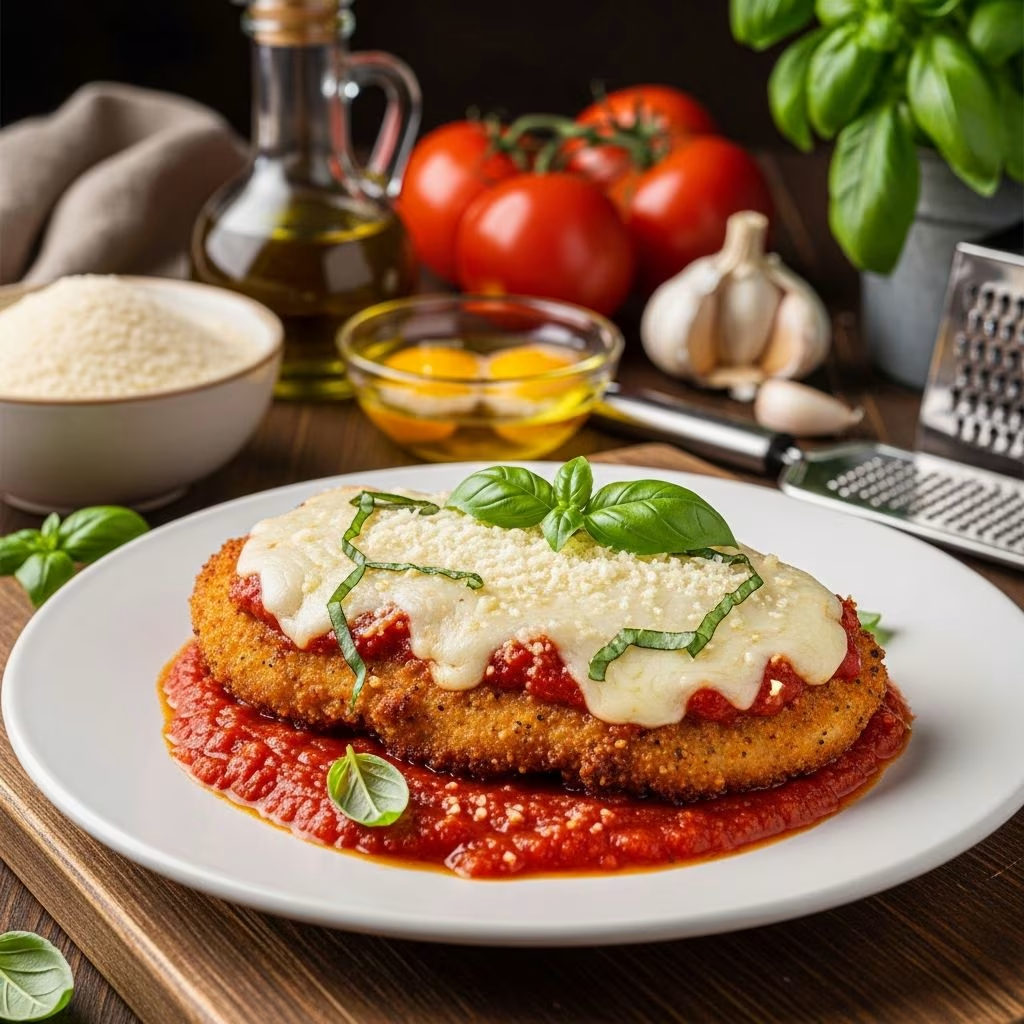
Creating a delicious chicken parmesan at home is more achievable than many home cooks realize. This classic Italian-American dish combines tender, breaded chicken with melted cheese and savory tomato sauce, resulting in a satisfying meal that impresses family and guests alike. Unlike restaurant versions that can contain excessive oil and heavy preparation methods, homemade chicken parmesan allows you to control ingredients while maintaining all the comfort and flavor of the original.
Understanding the Fundamentals of Chicken Parmesan
Chicken parmesan represents a marriage of Italian culinary traditions with American comfort food sensibilities. The dish evolved from Italian chicken cutlet preparations and became standardized in Italian-American cuisine during the mid-twentieth century. The fundamental structure consists of three main components working in harmony: a protein base of tenderized chicken, a crispy coating achieved through breading, and a topping layer featuring cheese and tomato sauce.
The beauty of this dish lies in its simplicity and forgiving nature. Each component can be adjusted according to dietary preferences, ingredient availability, or personal taste preferences without compromising the essential character of the final product. Understanding how these elements interact allows you to make informed decisions throughout the cooking process.
Essential Ingredients and Their Selection
The foundation of excellent chicken parmesan begins with ingredient selection. While the recipe requires relatively few components, the quality of each matters significantly.
Choosing Your Chicken
Boneless, skinless chicken breasts form the traditional protein base for this dish. Selecting breasts of similar thickness ensures even cooking throughout the batch. Look for chicken that appears pale pink without any dark spots or discoloration. Fresh chicken should have a clean smell and firm texture. If using frozen chicken, allow adequate thawing time in the refrigerator before beginning preparation.
The typical preparation calls for three medium-sized chicken breasts, which when halved horizontally, provides six portions suitable for most family servings. This quantity works well for a standard 9×13-inch baking dish and yields approximately six servings when paired with pasta or side vegetables.
Breadcrumb Varieties and Selection
Breadcrumbs form the critical outer layer that creates texture contrast and seals in moisture. Italian-seasoned breadcrumbs come pre-mixed with dried herbs like oregano, basil, and garlic. Panko breadcrumbs offer a coarser texture that produces extra crispness. Combining both varieties creates an ideal texture—the finer breadcrumbs adhere better while panko adds satisfying crunch. Approximately one cup of combined breadcrumbs works well for six chicken pieces.
Cheese Components
Two distinct cheeses play different roles in the final dish. Parmesan cheese, traditionally grated fresh from a wedge, contributes sharp, complex flavors to the breading mixture and final topping. Using freshly grated parmesan rather than pre-grated varieties results in superior texture and flavor intensity. Plan for approximately one-half cup divided between the breading mixture and final topping.
Mozzarella cheese provides the stretchy, creamy element that creates the appealing melted layer. Whole milk mozzarella produces better results than part-skim varieties, as the higher fat content melts more smoothly and contributes richer flavor. One full cup of shredded mozzarella distributed across all pieces ensures complete coverage.
Supporting Ingredients
Eggs serve as the binding agent between chicken and breadcrumb coating. Two large eggs beaten together create sufficient volume to coat all chicken pieces adequately. A quality marinara sauce provides the tomato foundation—either homemade or store-purchased varieties work well depending on time availability. Olive oil or vegetable oil lubricates the initial cooking process. Fresh basil, though optional, provides a final aromatic flourish that elevates the dish considerably.
Preparation Techniques for Success
Tenderizing the Chicken
The first critical step involves preparing the chicken to cook evenly and remain tender throughout. Place each chicken breast between two sheets of plastic wrap or parchment paper. Using a rolling pin or meat mallet’s flat side, gently but firmly pound the chicken until it reaches approximately half-inch thickness. This process accomplishes multiple objectives: it breaks down muscle fibers for improved tenderness, creates uniform thickness for even cooking, and reduces overall cooking time.
After pounding, pat the chicken completely dry using paper towels. Moisture on the surface interferes with proper browning and prevents the coating from adhering optimally. Season both sides generously with salt and pepper before proceeding to the coating stage.
Setting Up the Breading Station
Organization significantly streamlines the breading process and ensures consistent coating. Arrange three shallow bowls or dishes in a line. The first contains beaten eggs, the second holds the flour mixed with one teaspoon of garlic powder and salt and pepper, and the third contains the combined breadcrumb and parmesan mixture. Having all components prepared before beginning prevents contamination and maintains efficiency.
The Three-Step Coating Process
The breading technique follows a specific sequence for optimal results. First, dredge each chicken piece in the flour mixture, ensuring complete coverage on both sides. Shake off excess flour gently—a thin, even layer works better than heavy coating. Next, dip the floured chicken into the egg mixture, again covering both sides fully. Finally, place the egg-coated chicken into the breadcrumb mixture, pressing gently to ensure the crumbs adhere uniformly. Some recipes skip the flour step and dip directly from chicken to egg to breadcrumbs; this method works but the flour creates a superior base for adhesion.
Cooking Methods and Techniques
The Pan-Frying and Baking Combination
The most reliable method combines rapid pan-frying with finishing in the oven. Heat approximately two tablespoons of olive oil in a large skillet over medium-high heat until shimmering. Add the breaded chicken pieces and cook for approximately two minutes per side until the coating turns golden brown. This stage should not fully cook the chicken—the purpose is creating a protective crust and developing flavor through the Maillard reaction.
Transfer the partially cooked chicken to a baking dish prepared with a thin layer of marinara sauce on the bottom. This prevents sticking and adds flavor to the bottom of each piece. Spoon additional marinara sauce over each chicken piece, distributing evenly. Sprinkle shredded mozzarella followed by grated parmesan cheese over the sauce layer.
Bake at 425 to 450 degrees Fahrenheit for 10 to 15 minutes until the cheese melts completely and the chicken reaches an internal temperature of 165 degrees Fahrenheit when measured with a meat thermometer. The exact timing depends on chicken thickness and oven characteristics.
Alternative Baking Method
For those preferring to minimize oil usage, a completely baked approach works well. After breading, place chicken pieces directly on a prepared baking sheet and bake at 400 degrees Fahrenheit for approximately 15 to 20 minutes until the coating crisps up. Then add sauce and cheese and return to the oven for an additional 10 to 15 minutes until cheese melts. While this method uses less oil initially, the chicken may not develop quite as crispy an exterior as the pan-frying method.
Timing and Temperature Considerations
Total preparation time typically ranges from 30 to 45 minutes from start to finish. Actual cooking time varies based on chicken thickness, with thinner pieces cooking faster than thicker ones. Using an instant-read meat thermometer removes guesswork—chicken is safely cooked when the thickest portion reaches 165 degrees Fahrenheit.
Overcooking represents a common pitfall that results in dry, tough chicken. Since the chicken undergoes two cooking stages—initial pan-frying and final baking—it’s crucial not to fully cook it during the first stage. The goal involves developing the golden crust while leaving the interior slightly underdone, allowing the residual heat and oven baking to complete the process gently.
Complementary Sides and Serving Suggestions
Chicken parmesan pairs beautifully with numerous side options. Traditional accompaniments include cooked spaghetti or other pasta varieties tossed with additional marinara sauce. The pasta serves as a vehicle for excess sauce and balances the richness of the cheese-topped chicken.
Alternative accompaniments include roasted vegetables such as zucchini, bell peppers, or asparagus; simple green salads dressed with vinaigrette; garlic bread for soaking up sauce; or steamed broccoli for a lighter vegetable component. Some preparations nest the chicken parmesan directly over pasta or rice rather than serving separately.
Garnishing with fresh basil, chopped parsley, or a sprinkle of additional grated parmesan adds visual appeal and fresh aromatic notes that brighten the finished dish. A squeeze of fresh lemon juice just before serving provides subtle acidity that cuts through the richness.
Variations and Adaptations
Ingredient Modifications
The basic formula accommodates numerous variations without compromising the essential character. Experimenting with different cheese combinations—adding provolone, asiago, or fontina alongside mozzarella—creates complexity. Using fresh mozzarella added in the final minutes of baking produces a different texture than shredded mozzarella. Whole wheat panko or nut-based breadcrumbs offer textural alternatives.
Sauce Variations
Beyond traditional marinara, consider alfredo-based preparations, pesto-inspired versions, or roasted red pepper sauce. Each variation maintains the breaded chicken and cheese foundation while introducing different flavor profiles. Some preparations add a dollop of ricotta beneath the mozzarella for additional creaminess.
Protein Alternatives
While chicken represents the classic preparation, the same technique applies successfully to veal cutlets, turkey breasts, or even thick fish fillets like halibut or cod. Eggplant slices provide a vegetarian adaptation that produces excellent results.
Storage and Make-Ahead Strategies
Chicken parmesan stores well in the refrigerator for up to three days in an airtight container. Reheat gently in a 325-degree oven for approximately 15 to 20 minutes to prevent overcooking. The dish does not freeze particularly well due to texture changes in the coating and potential separation of sauce components, though you can freeze uncooked breaded chicken pieces separately.
Make-ahead preparation allows breading the chicken up to four hours in advance and refrigerating on a parchment-lined tray. The breading sets slightly during refrigeration, creating better adhesion during cooking.
Frequently Asked Questions
Why does my breading fall off during cooking?
Inadequate adhesion usually stems from insufficient drying of the raw chicken, skipping the flour step, or not pressing the breadcrumbs firmly enough during coating. Ensuring the chicken surface is completely dry and using the flour as a base layer significantly improves adhesion.
Can I make this dish in advance?
Yes, prepare the breaded chicken pieces up to four hours ahead and refrigerate. Complete cooking just before serving for optimal texture and temperature. You can also partially cook the chicken earlier in the day and finish baking just before dinner.
How can I make this recipe healthier?
Use egg whites instead of whole eggs, brush the breaded chicken with melted butter rather than pan-frying in oil, bake entirely rather than pan-frying first, reduce cheese quantities, or use a lighter marinara sauce. These modifications reduce fat content while maintaining core flavors.
What’s the difference between chicken parmesan and chicken parmigiana?
These terms are often used interchangeably, though some distinguish them by layering (parmigiana suggests multiple layers of chicken, sauce, and cheese versus single chicken pieces in parmesan). In practice, home preparations typically use these terms synonymously.
Why is my chicken dry?
Overcooking represents the primary cause. Since chicken undergoes two cooking processes, minimize the pan-frying duration and monitor oven time carefully. Using a meat thermometer prevents guesswork and ensures proper doneness without exceeding it.
References
- Chicken Cutlet Preparation Techniques — Tastes Better from Scratch. 2024. https://tastesbetterfromscratch.com/simple-chicken-parmesan/
- Breading and Pan-Frying Methods for Poultry — The Happier Homemaker. 2024. https://thehappierhomemaker.com/easy-chicken-parmesan/
- Italian-American Poultry Cooking Methods — A Simple Palate. 2024. https://asimplepalate.com/blog/chicken-parmigiana/
- Oven-Baked Chicken Preparation Techniques — Crazy for Crust. 2024. https://www.crazyforcrust.com/easy-chicken-parmesan/
- Healthier Chicken Cooking Methods — Skinnytaste. 2024. https://www.skinnytaste.com/baked-chicken-parmesan/
- Quick Weeknight Dinner Preparations — Well Plated. 2024. https://www.wellplated.com/baked-chicken-parmesan/