Understanding Kohlrabi and Its Culinary Potential
Kohlrabi stands as one of the most versatile yet underappreciated vegetables in modern kitchens. This cruciferous vegetable, belonging to the same family as broccoli and cabbage, offers a unique combination of mild, slightly sweet flavor with a crisp texture that transforms beautifully when exposed to high heat. The vegetable’s name derives from the German words “kohl” (cabbage) and “rabi” (turnip), accurately reflecting its hybrid characteristics. Available in both vibrant green and purple varieties, kohlrabi’s outer bulb resembles a small alien spacecraft, making it instantly recognizable at farmers markets and specialty produce sections.
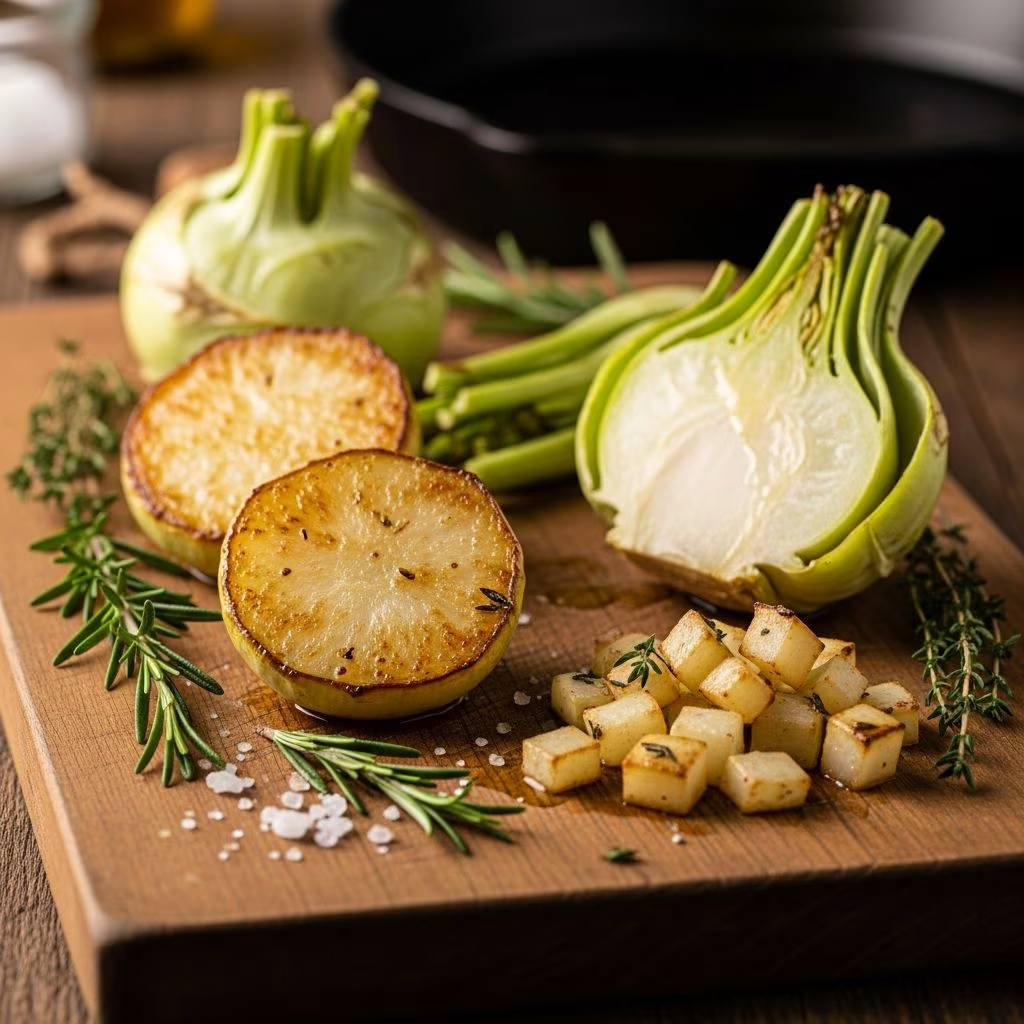
When raw, kohlrabi delivers a crisp, refreshing quality similar to broccoli stems. However, roasting fundamentally changes its character, concentrating its natural sugars and developing a tender, almost creamy interior while the exterior achieves a golden-brown caramelization. This transformation makes roasted kohlrabi an excellent addition to meal planning, particularly for those seeking nutritious alternatives to traditional starchy side dishes.
Selecting and Preparing Your Kohlrabi
Success with roasted kohlrabi begins at the produce section. Choose bulbs that feel firm and unblemished, with smooth skin free from soft spots or discoloration. Generally, smaller kohlrabi bulbs, typically two to three inches in diameter, offer superior flavor and tenderness compared to their larger counterparts. The vegetable reaches peak availability from late spring through autumn, though most markets stock it year-round.
Preparation requires minimal effort but demands attention to detail. Begin by removing the leafy greens and stems attached to the bulb, setting them aside for potential use in sautés or grain bowls. Using a sharp vegetable peeler or paring knife, carefully remove the tough, fibrous outer skin—this exterior layer can be quite substantial, so ensure complete removal to avoid unpleasant textures in your final dish. Once peeled, cut the kohlrabi into uniform pieces, typically half-inch cubes or similar-sized chunks. Consistency in sizing ensures even cooking, preventing smaller pieces from becoming overly caramelized while larger portions remain undercooked.
The Foundation: Essential Ingredients and Seasonings
The beauty of roasted kohlrabi lies in its adaptability to both minimalist and elaborate preparations. At its most basic level, the vegetable requires only three components to achieve excellence:
- High-quality oil—Olive oil, avocado oil, or coconut oil all work effectively, with each imparting subtle flavor notes. The oil serves dual purposes: it prevents sticking while enabling proper browning through the Maillard reaction.
- Salt—Sea salt or kosher salt brings out the vegetable’s natural sweetness and enhances overall flavor complexity.
- Pepper—Freshly ground black pepper adds gentle heat and subtle complexity without overwhelming the mild vegetable.
Beyond these fundamentals, numerous seasoning options elevate roasted kohlrabi to match virtually any cuisine or meal theme. Garlic powder and onion powder create an umami foundation, while paprika adds warmth and subtle smokiness. For Italian-inspired preparations, dried oregano and basil harmonize beautifully. Those preferring bolder flavors might incorporate cumin and chili powder for a southwestern twist, or combine Old Bay seasoning for coastal-inspired variations. Fresh herbs like parsley, cilantro, or dill can be added post-roasting for brightness and visual appeal.
Roasting Techniques for Optimal Results
Achieving perfectly roasted kohlrabi involves understanding temperature, timing, and technique. The standard approach calls for preheating your oven to between 400°F and 450°F, depending on desired browning intensity and available time. Higher temperatures, around 450°F, produce crispier exteriors and caramelization in approximately 25-30 minutes, while lower temperatures around 400°F require longer roasting periods of 30-40 minutes but offer gentler cooking that reduces the risk of burning.
Toss your prepared kohlrabi pieces with oil and seasonings in a large bowl, ensuring every piece receives thorough coating. Spread them in a single layer on a parchment-lined or lightly oiled baking sheet, maintaining about an inch of space between pieces. Crowding the pan prevents proper air circulation and steam accumulation, resulting in steamed rather than roasted vegetables.
Midway through cooking, shake the pan or stir the kohlrabi to ensure even browning on all sides. This brief intervention typically takes just thirty seconds but significantly improves consistency. The kohlrabi is finished when the exterior displays golden-brown coloring and the interior yields easily to fork pressure. Some pieces may appear slightly darkened or caramelized at the edges—this is desirable, indicating concentrated flavors and proper Maillard reaction development.
Flavor Variations and Creative Combinations
| Flavor Profile | Key Ingredients | Complementary Elements |
|---|---|---|
| Classic Simple | Olive oil, salt, pepper | Fresh parsley, lemon zest |
| Parmesan Enhancement | Olive oil, garlic powder, salt | Grated Parmesan cheese, fresh herbs |
| Southwestern Spice | Avocado oil, cumin, chili powder | Lime juice, cilantro, jalapeño |
| Mediterranean | Olive oil, oregano, thyme | Feta cheese, cherry tomatoes |
| Asian-Inspired | Sesame oil, garlic, ginger | Soy sauce glaze, sesame seeds, scallions |
The versatility of roasted kohlrabi extends beyond simple seasoning adjustments. Consider combining kohlrabi with complementary vegetables—roasted alongside carrots with Parmesan creates a naturally sweet, savory side dish that pairs beautifully with main proteins. Mixing roasted kohlrabi into grain bowls with quinoa, farro, or rice creates satisfying, vegetable-forward meals. Tossing warm roasted kohlrabi with a simple vinaigrette transforms it into a composed salad component, particularly when combined with crisp greens and crumbled cheese.
For those seeking dairy-free options, cashew-based creamy dips seasoned with Old Bay, lemon, and herbs provide luxurious accompaniments. Simply blend raw cashews with plant-based milk, lemon juice, minced onion, and desired seasonings until reaching desired consistency, then serve alongside warm roasted kohlrabi.
Serving Suggestions and Meal Integration
Roasted kohlrabi functions seamlessly as a versatile side dish complementing virtually any cuisine. Serve alongside grilled chicken or fish for light, protein-forward meals. Pair with roasted root vegetables for a winter-inspired vegetable medley. Incorporate into vegetarian mains by combining with legumes, grains, and additional seasonal vegetables. The mild flavor profile ensures kohlrabi never overwhelms but rather enhances and balances more assertive ingredients.
For meal preparation enthusiasts, roasted kohlrabi can be prepared in larger batches and stored for several days. Store cooled kohlrabi in airtight containers in the refrigerator for up to three days. Gently reheat in a 350°F oven for five to ten minutes to restore crispness, or enjoy at room temperature as part of prepared meal bowls.
Nutritional Benefits and Dietary Considerations
Beyond flavor and versatility, roasted kohlrabi offers compelling nutritional advantages. This cruciferous vegetable contains significant quantities of vitamin C, supporting immune function, and dietary fiber, promoting digestive health. Kohlrabi remains naturally low in calories while offering satisfying volume, making it an excellent choice for those managing caloric intake. The vegetable also contains compounds associated with plant-based diets and contains no cholesterol or sodium in its raw form, with dietary sodium only introduced through seasoning additions.
For those following specific dietary protocols, roasted kohlrabi accommodates keto, paleo, vegan, vegetarian, and gluten-free approaches without modification. The low carbohydrate content makes it particularly suitable for low-carb meal planning, where it serves as an excellent potato substitute offering similar satisfaction with significantly lower carbohydrate profiles.
Frequently Asked Questions
Can I prepare kohlrabi in advance?
Yes, you can peel and cut kohlrabi several hours before roasting. Store prepared pieces in airtight containers or cover with damp paper towels in the refrigerator. This advance preparation streamlines weeknight cooking. However, complete the roasting process shortly before serving for optimal texture and browning.
What temperature produces the crispiest results?
A 450°F oven temperature produces the crispiest exteriors and most pronounced caramelization in approximately 25-30 minutes. Monitor carefully during the final minutes to prevent excessive browning. If your oven runs hot, reduce temperature slightly or check earlier than recipe suggests.
Can kohlrabi be roasted with other vegetables?
Absolutely. Roasting kohlrabi alongside carrots, Brussels sprouts, or beets works beautifully. Ensure pieces are cut to similar sizes for even cooking. Vegetables with similar cooking times—around 25-35 minutes at 425°F—pair most successfully.
Is the leafy green part edible?
Yes, kohlrabi greens are entirely edible and nutritious. Sauté them separately with garlic and olive oil as a quick side dish, or incorporate into soups and grain bowls. They’re particularly tender when kohlrabi is young and small.
How do I know when roasted kohlrabi is finished cooking?
Pierce the largest piece with a fork; it should offer minimal resistance. Exteriors should display golden-brown to light caramel coloring. If using a meat thermometer, internal temperature should reach approximately 205°F, though this measurement proves less critical than visual and tactile indicators.
Can leftover roasted kohlrabi be frozen?
Freezing is generally not recommended, as the vegetable’s texture deteriorates significantly upon thawing. The interior becomes mushy and loses appealing texture. Refrigeration for up to three days remains the best storage method.
Conclusion: Embracing a Versatile Vegetable
Roasted kohlrabi represents an accessible entry point for home cooks seeking to expand their vegetable repertoire. The straightforward preparation method, minimal ingredient requirements, and remarkable adaptability to various flavor profiles make this often-overlooked cruciferous vegetable worthy of regular kitchen rotation. Whether prepared with simple salt and pepper or adorned with Parmesan, herbs, or creative sauce accompaniments, roasted kohlrabi delivers satisfying, nutritious results that elevate everyday meals. Begin with basic preparations to appreciate the vegetable’s natural qualities, then experiment with flavor variations as confidence grows. The result will be a reliable cooking technique that transforms this unique vegetable into a genuine crowd-pleaser worthy of frequent appearance on dinner tables.
References
- Cruciferous Vegetables and Cancer Risk — National Cancer Institute. 2023. https://www.cancer.gov/about-cancer/causes-prevention/risk/diet/cruciferous-vegetables-fact-sheet
- The Maillard Reaction and Food Browning — American Chemical Society. 2025. https://www.acs.org/
- Kohlrabi: Nutrition Facts and Health Benefits — USDA FoodData Central. 2024. https://fdc.nal.usda.gov/
- Vegetable Preparation and Nutrient Retention — Journal of Agricultural and Food Chemistry. 2024. https://pubs.acs.org/journal/jafcau
- Seasonal Vegetable Availability Guide — USDA Agricultural Marketing Service. 2025. https://www.ams.usda.gov/