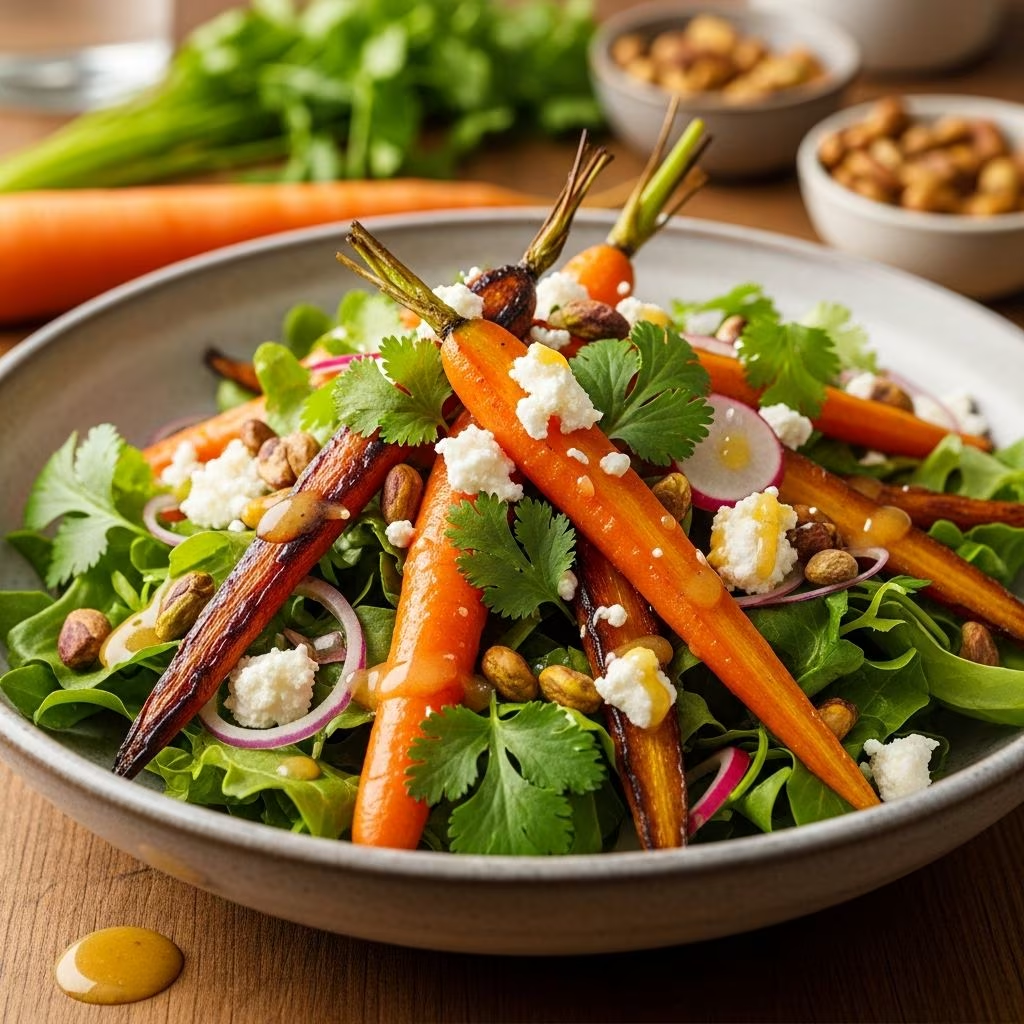
A roasted carrot salad represents an elegant yet straightforward approach to vegetable-based dining that bridges the gap between wholesome nutrition and culinary satisfaction. This type of salad showcases how simple ingredients, when properly prepared, transform into a dish that appeals to both everyday meals and special occasions. The process of roasting carrots intensifies their natural sweetness while creating a desirable textural contrast through caramelization, forming the foundation for a memorable salad experience.
Understanding the Foundation: Why Roasting Matters
The roasting technique serves as the cornerstone of this salad’s success. Unlike raw carrots, which maintain a crisp texture and subtle flavor, roasted carrots develop a deeper, more complex sweetness through the Maillard reaction—a chemical process that occurs when vegetables are exposed to high heat. This caramelization not only enhances flavor but also softens the carrots to an ideal tender consistency while preserving their nutritional value. The edges become slightly crispy and browned, creating visual appeal and additional flavor complexity that distinguishes roasted preparations from other cooking methods.
Essential Preparation Techniques
Proper preparation ensures consistent results and optimal texture throughout your salad. Begin by selecting carrots of relatively uniform size, as this promotes even cooking and prevents some pieces from becoming overdone while others remain undercooked. Peeling the carrots removes the outer layer and creates a more refined presentation, though organic or heirloom varieties can retain their skins for added nutrition and rustic appeal.
Slicing technique significantly impacts both cooking time and final presentation. Cutting carrots on the diagonal into approximately one-inch-wide slices creates increased surface area for caramelization while maintaining structural integrity during roasting. This diagonal cut also presents a more visually interesting appearance compared to straight cuts or rounds. For thicker carrots exceeding one inch in diameter, consider halving them lengthwise before slicing to ensure uniform cooking throughout the batch.
Coating and Seasoning Strategy
After slicing, transfer carrots to a large mixing bowl and coat thoroughly with extra-virgin olive oil—approximately 2 to 3 tablespoons per pound of carrots. This oil layer facilitates even browning and prevents sticking. Season the oiled carrots with kosher salt and freshly ground black pepper as baseline flavoring. Many preparations incorporate additional spices such as ground cumin, which complements carrots’ inherent sweetness, or cinnamon combined with chili powder for a more complex flavor profile with subtle warmth.
Ensure every carrot piece receives adequate coating by tossing the mixture thoroughly until oil and seasonings distribute evenly. This step prevents some pieces from roasting unevenly or lacking flavor intensity.
Roasting Process and Temperature Control
Preheat your oven to between 400 and 425 degrees Fahrenheit, allowing adequate time for the oven to reach full temperature before introducing the carrots. Some recipes benefit from preheating a baking sheet inside the oven, which immediately begins the caramelization process upon contact with the hot surface, accelerating browning and enhancing flavor development.
Arrange coated carrot slices in a single layer across one or two baking sheets, ensuring pieces do not overlap or touch excessively. This spacing prevents steaming—a common mistake where carrots cook in their own moisture rather than roasting properly. Adequate space allows hot air to circulate around each piece, promoting even browning on all surfaces.
Roast for approximately 20 to 30 minutes, depending on oven characteristics and carrot thickness. Most preparations benefit from flipping or stirring the carrots approximately halfway through the cooking time to ensure uniform browning on all sides. The roasting process concludes when carrots become tender when pierced with a fork and display golden-brown caramelization on their edges. Allow roasted carrots to cool to room temperature before incorporating them into the salad, preventing wilting of delicate greens and allowing flavors to stabilize.
Crafting the Perfect Vinaigrette
A well-balanced vinaigrette elevates the entire salad experience by providing acidic brightness that contrasts with the carrots’ natural sweetness. The foundation typically consists of acid components—such as white wine vinegar, apple cider vinegar, or fresh lemon juice—combined with quality olive oil in proportions that vary based on personal preference and the salad’s other components.
Vinaigrette Formulation
A standard emulsion begins with shallots and garlic minced into fine pieces, providing aromatic depth and subtle pungency. Combine these with mustard powder or Dijon mustard, which serves as an emulsifier helping oil and vinegar components unite smoothly. Add honey or maple syrup to the mixture, introducing subtle sweetness that harmonizes with roasted carrots while balancing acidic elements.
In a separate small bowl, whisk acid components—approximately 2 tablespoons vinegar or citrus juice—with salt and pepper to taste. Slowly incorporate ¼ cup of extra-virgin olive oil while whisking continuously to create an emulsion. This gradual incorporation promotes uniform distribution of oil throughout the dressing rather than separation into distinct layers. Taste the finished vinaigrette and adjust seasoning, acidity, or sweetness according to preference.
Strategic Component Selection and Layering
While roasted carrots serve as the salad’s focal point, complementary ingredients create textural variety and nutritional balance. Fresh greens provide the structural base—arugula offers peppery characteristics that pair exceptionally well with sweet carrots, while mixed green combinations deliver varied textures and flavors.
| Component Category | Recommended Options | Flavor Profile |
|---|---|---|
| Proteins | Chickpeas, crumbled feta, goat cheese, hemp seeds | Creamy, tangy, nutty |
| Nuts & Seeds | Almonds, pistachios, pepitas, walnuts | Crunchy, earthy |
| Dried Fruits | Cranberries, raisins, currants | Sweet, tart |
| Fresh Elements | Scallions, fresh parsley, dill | Bright, herbaceous |
Assembly and Dressing Application
Begin assembly by placing room-temperature roasted carrots into a large mixing bowl. Add nuts, seeds, and cheese components, gently tossing to distribute evenly. Pour approximately half of the prepared vinaigrette over this combination, allowing the warmer carrots to absorb flavors while distributing moisture throughout. The warmth of freshly roasted vegetables facilitates dressing absorption more effectively than cold ingredients.
Add fresh greens as the final ingredient, tossing gently to coat with remaining dressing. Reserve additional vinaigrette for individual servings or additional seasoning at the table. This sequencing prevents delicate greens from becoming excessively wilted by prolonged contact with acidic dressing or the residual heat from carrots.
Flavor Variation Approaches
The fundamental roasted carrot salad framework accommodates numerous flavor variations, allowing customization based on available ingredients and personal preferences. Consider these alternative approaches to create distinctive expressions of this versatile dish.
Mediterranean Direction
Incorporate ingredients reflecting Mediterranean cuisines by adding kalamata olives, sun-dried tomatoes, and crumbled feta cheese. Season roasting carrots with cumin or oregano, and prepare vinaigrette using red wine vinegar and fresh lemon juice. Fresh herbs such as parsley and mint contribute brightness to this variation.
Warm Spice Profile
Combine cinnamon and chili powder when coating roasting carrots, creating warmth that extends beyond simple salt-and-pepper seasoning. Add toasted pistachios, dried cranberries, and goat cheese for complementary textural and flavor elements. Prepare vinaigrette incorporating honey and fresh citrus juice to balance the spiced carrots.
Asian-Inspired Adaptation
Toast sesame seeds and combine with sliced roasted carrots alongside arugula or mixed greens. Prepare a dressing using rice vinegar, sesame oil, and fresh ginger, adding depth with a touch of soy sauce or tamari. Garnish with scallions and fresh cilantro for herbaceous brightness.
Nutritional Considerations and Health Benefits
Carrots provide substantial nutritional value, containing beta-carotene—a precursor to vitamin A that supports eye health and immune function. The roasting process does not significantly diminish these compounds, making roasted carrot salads an effective delivery method for obtaining beneficial phytonutrients. The addition of quality olive oil enhances absorption of fat-soluble vitamins including vitamin A, making the complete salad more bioavailable than raw carrot consumption alone.
Incorporating protein sources such as legumes, cheese, or nuts transforms the salad from a side dish into a substantial main course capable of supporting satiety and balanced nutrition. The combination of vegetables, whole food proteins, and healthy fats creates a nutrient-dense meal appropriate for various dietary frameworks.
Storage and Make-Ahead Strategies
Roasted carrots can be prepared several hours in advance and stored in airtight containers in the refrigerator, maintaining optimal texture and flavor for up to three days. The vinaigrette likewise keeps well, allowing quick salad assembly during busy weekdays. However, combine greens and dressing only immediately before serving to prevent wilting and maintain textural contrast.
When planning ahead, prepare carrot components, vinaigrette, and individual ingredients separately, combining them at service time for optimal freshness and presentation quality.
Frequently Asked Questions
Can I prepare this salad with different vegetables?
Yes, the roasting technique translates effectively to other vegetables. Beets, parsnips, sweet potatoes, and bell peppers can replace or supplement carrots, creating variations while maintaining the fundamental preparation method and flavor balance.
What if my roasted carrots seem dry?
Ensure adequate olive oil coating before roasting—typically 2 to 3 tablespoons per pound of carrots. Also verify that carrots are not overcrowded on baking sheets, as this promotes steaming rather than roasting.
How can I make this salad vegan?
Replace cheese with nutritional yeast, pumpkin seeds, or tofu-based alternatives. Verify that all dressing components lack animal products, and select plant-based nuts and seeds for protein and textural elements.
Can I serve this salad warm?
Absolutely. Serve the salad while carrots are still warm or gently warmed in the oven, allowing the warmth to slightly wilt tender greens and promote dressing absorption. Some preparations specifically benefit from warm service, particularly those incorporating goat cheese or other creamy elements.
What oven temperature works best?
Temperatures between 400 and 425 degrees Fahrenheit produce optimal results. Higher temperatures promote faster caramelization, while lower temperatures allow more gradual cooking. Adjust timing accordingly—higher temperatures reduce roasting duration, while lower temperatures extend it slightly.
References
- The Maillard Reaction in Food Chemistry — United States Department of Agriculture (USDA). 2023. https://www.usda.gov
- Carotenoid Content and Bioavailability in Roasted Vegetables — National Institutes of Health, National Library of Medicine. 2024. https://pubmed.ncbi.nlm.nih.gov